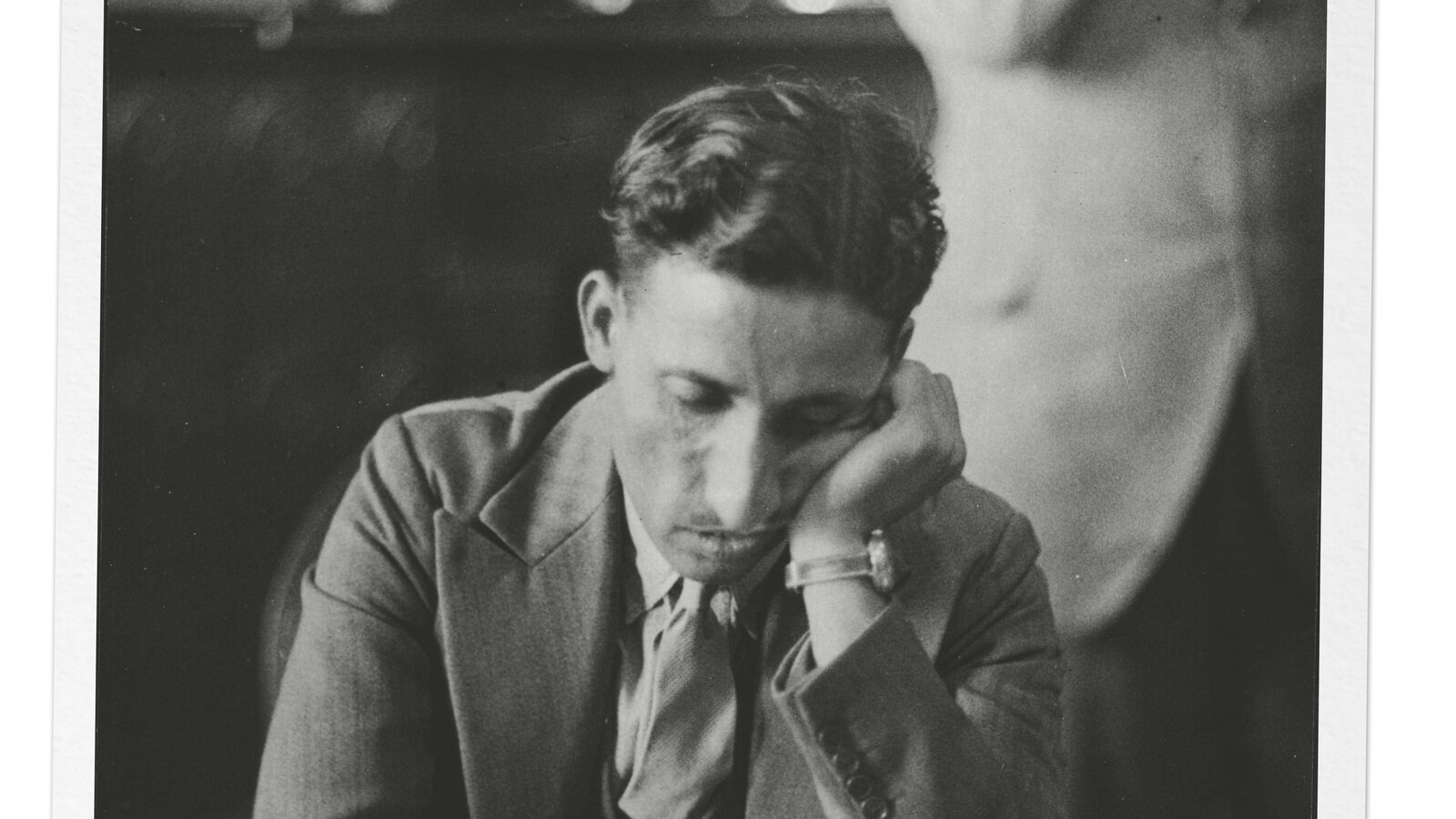
Sultan Khan
 Pakistan
Also known as: Mian Sultan Khan, Mir Sultan Khan
Birthday
1905
Birth Sign
Capricorn
Birthplace
Mittha Tawana, Punjab, British India (now Pakistan)
Age
Died at 61
About
Mir Sultan Khan was a Pakistani chess player who, in a career of less than five years, rose to become one of the world's top ten players. Born in 1905 in the village of Mittha Tawana in Punjab, he was a self-taught prodigy who never studied chess theory or read a single book on the game. Under the patronage of Colonel Nawab Sir Umar Hayat Khan, he arrived in Britain in 1929 and immediately won the British Championship, a feat he repeated in 1932 and 1933. His victories over world champions Alexander Alekhine and José Raúl Capablanca, and his second-place finish at Hastings ahead of Capablanca, stunned the chess establishment. In 1933, at his patron's request, he returned to his homeland and gave up competitive chess to farm his ancestral lands. He died in Sargodha on April 25, 1966, at age 61. Chess historians David Hooper and Kenneth Whyld called him "perhaps the greatest natural player of modern times," and in 2024 FIDE posthumously awarded him the title of Honorary Grandmaster.
Early Life & Background
Sultan Khan grew up in Mittha Tawana, a small village near Sargodha in Punjab, British India. His father was a Muslim landlord and preacher, and the family lived a modest, agrarian life. Formal education was minimal; Khan never attended school in any conventional sense. Chess was played informally in his community, and he absorbed the traditional Indian variant before mastering international rules. His talent was so exceptional that word of it reached Colonel Nawab Sir Umar Hayat Khan, a wealthy nobleman and military officer. Sir Umar, who had a keen interest in chess, sought out the young man and became his patron. In 1929, Sir Umar brought Khan to Britain, providing him with the platform to compete against the world's best. Khan arrived with no knowledge of chess theory or tournament practice, yet his natural ability was immediately apparent. He had never played in a formal competition before, and his first exposure to international chess was at the highest level.
Career Growth
Khan's first tournament in Britain was the 1929 British Championship, which he won outright, a remarkable achievement for a debutant. He retained the title in 1932 and 1933, losing it only once in four attempts. In 1932, he finished second at the Hastings Congress, ahead of former world champion José Raúl Capablanca. That same year, he defeated Alexander Alekhine, then the reigning world champion, in a tournament game. In 1933, he drew a match against Emanuel Lasker, another former world champion. His peak world ranking, according to Chessmetrics, was #6 in May 1933, with a rating of 2699. He also played at the Liege tournament, where he performed creditably. In late 1933, Sir Umar Hayat Khan, who had decided to return to India, called Khan back. Khan complied without protest and never played competitive chess again, returning to his farm in Sargodha.
Career Timeline
Public Image & Style
Sultan Khan's public image is that of a natural genius who conquered the British chess establishment without formal training. Chess historians and enthusiasts regard him as one of the most remarkable natural talents in the game's history. His story resonates as a tale of extraordinary ability, cultural displacement, and the tension between his rural origins and the cosmopolitan chess world. In Pakistan, he is celebrated as a national sporting hero, and the annual Mian Sultan Khan Chess Tournament in Dhaka, organized by the Pakistan High Commission, honors his memory. He has no official fandom name, but his story continues to inspire chess players, particularly in South Asia, and his games are studied for their creative flair.
Fame & Fandom
Sultan Khan remains a figure of historical significance whose recognition is confined to the annals of chess rather than the modern celebrity sphere. In August 2026, iFANN's Global Fame Engine evaluated his standing and determined that he currently holds no placement in the published rankings, meaning he does not appear within the Global Top 1,000 or any Top-100 scope list. This absence reflects the reality that his fame is retrospective, sustained by scholars and enthusiasts rather than the continuous consumption metrics that drive contemporary charts. While he lacks a formal fandom name or organized fan clubs typical of pop stars, his legacy commands a dedicated community of chess historians and players who treat his story as a central pillar of the game's history. The primary vehicle for this engagement is the annual Mian Sultan Khan Chess Tournament, which serves as the functional equivalent of a fan gathering, with recent editions hosted by international bodies like the Pakistan High Commission in Dhaka. Modern attention has been further galvanized by significant media revivals, including Daniel King's book Sultan Khan: The Indian Servant Who Became Chess Champion of the British Empire and a major feature in The New York Times, which have acted as rallying points for those rediscovering his narrative. These efforts highlight a unique form of influence where the audience focuses on the educational and mythic aspects of his rise from a rural village servant to a world-class champion, rather than celebrity worship. The lack of a digital footprint during his lifetime means his reputation relies entirely on documented victories, such as his wins over Alekhine and Capablanca, and the enduring mystery of his self-taught brilliance.
Interesting Facts and Legends
Sultan Khan never read a single book on chess, relying instead on practical play to master the game, a method that allowed him to develop an unorthodox style possibly influenced by his earlier experience with the Indian game of chaturanga. He was known to play blindfold chess with remarkable ease, a skill honed through informal practice rather than formal instruction. His preferred opening was the Queen's Gambit, which he employed with distinct originality despite lacking theoretical training. After returning to his homeland, he reportedly taught chess to local villagers but chose never to compete professionally again. A popular story among enthusiasts details how he defeated world champions Alexander Alekhine and José Raúl Capablanca while working as a domestic servant, a feat that stunned the European chess establishment. Another enduring legend concerns the brevity of his career; while his victories were rapid and spectacular, his withdrawal from top-level play after only five years remains a subject of speculation regarding the political turmoil of the era. His tombstone in Sargodha bears the simple inscription "Mian Sultan Khan, Chess Player," reflecting how he was remembered by his community without pretension.
Notable Quotes
“I never studied chess, I just played.”
“My patron brought me to England, and I did my best.”
“Chess is a game of patience and vision.”
Family & Personal Life
Little is documented about Sultan Khan's family. He was the son of a Muslim landlord and preacher, and he had at least one brother, though his name is not recorded. After returning to Pakistan in 1933, he married and had children, but details are scarce. He lived on his ancestral farm in the Sargodha district, where he remained for the rest of his life. His family continued to live in the area after his death, and some descendants have been interviewed about his legacy, though they have chosen to remain private.
Notable Connections
Sultan Khan's career was shaped by his patron, Colonel Nawab Sir Umar Hayat Khan, who discovered him and brought him to Britain. He competed against the greatest players of his era, including Alexander Alekhine, José Raúl Capablanca, and Emanuel Lasker, and his games against them are still studied. His famous 1931 encounter with Savielly Tartakower is remembered for its wild creativity. Chess historians David Hooper and Kenneth Whyld have praised him as "perhaps the greatest natural player of modern times."
Relationships & Dating History
Historical records do not document any public romantic relationships for Sultan Khan. He lived a private life, particularly after returning to his homeland in 1933. It is likely that he married after his return, given his traditional background, but no credible sources confirm this. His personal life outside chess remains largely undocumented. At the time of his death in 1966, his marital status is unknown. No information about a spouse or children is available from reliable sources.
Death & Aftermath
Died
April 25, 1966 (aged 61)
Death Place
Lahore, Pakistan
Cause of Death
Unknown
Mir Sultan Khan died on April 25, 1966, in Lahore, Pakistan. He was approximately 62 or 63 years old at the time of his passing. The specific medical cause of his death remains unrecorded in available biographical archives, coroner's inquest, or hospital statement detailing the factors leading to his end. Historical accounts describe his later years as marked by a decline in health and financial hardship following his return to India and later Pakistan after World War II. By the 1950s and 1960s, he was largely out of competitive play and lived in relative obscurity.
Immediate tributes from peers or institutions in 1966 are not extensively documented in historical records, and no specific details regarding the date, location, or nature of his funeral service have survived. Standard chess biographies do not specify whether he died of natural causes or an acute illness, reflecting the limited archival preservation of such records for figures of his era outside of major international headlines.
Modern recognition has since filled this archival gap, with retrospective features such as Daniel King's book titled Sultan Khan and a 2023 New York Times article highlighting his legacy as an overlooked champion. Historians and players now widely acknowledge him as the first true Grandmaster despite never receiving the official FIDE title during his lifetime. Ongoing institutional commemoration includes the Mian Sultan Khan Chess Tournament hosted by the Pakistan High Commission, ensuring his status as one of the strongest Asian players of the early 1930s and a three-time British Champion remains part of global chess history.
Net Worth (Estate Value)
$1 Million
iFANN Editorial Team estimate
Sultan Khan died in 1966, leaving behind a modest estate that consisted primarily of ancestral farmland in Sargodha. As a farmer by trade, he did not accumulate significant wealth from chess, given that tournament prizes in his era were small and his competitive career spanned less than five years. There is no documented commercial value attached to his name, nor are there posthumous earnings derived from his legacy. The 2024 FIDE Honorary Grandmaster title and memorial tournaments held in his honor reflect his cultural significance rather than financial accumulation. Per iFANN's editorial analysis, his estate is valued at approximately $1 million as of 2026, based on the current value of the farmland and any personal property passed down to his heirs. This figure is an estimate, as no public records of his assets exist.
Awards Won (4)
Sultan Khan won the British Chess Championship three times, in 1929, 1932, and 1933. In 2024, FIDE posthumously awarded him the title of Honorary Grandmaster, a rare distinction that recognizes his unique contribution to the game. These honors reflect his extraordinary natural talent and his lasting impact on chess history.
2024 · Honorary Title
Lifetime achievement
1933 · National Championship
British Chess Championship
1932 · National Championship
British Chess Championship
1929 · National Championship
British Chess Championship
Known For
British Chess Championship
1929-1933 · Three-time winner
Chess career
1929-1933 · Top-ten world player
Keywords
Sources
Quick Facts
- Profession
- chess player
- Born
- 1905
- Birthplace
- Mittha Tawana, Punjab, British India
- Died
- April 25, 1966
- Death Place
- Sargodha, Pakistan
- Gender
- Male
- Nationality
- British Indian / Pakistani
- World Ranking
- #6 (May 1933)
- British Championships
- 3 (1929, 1932, 1933)
Personal Details
- Full Name
- Mir Sultan Khan
Frequently Asked Questions
How did Sultan Khan learn chess?
Why did Sultan Khan stop playing chess?
Was Sultan Khan a grandmaster?
How many times did Sultan Khan win the British Championship?
What was Sultan Khan's highest world ranking?
Similar People
Join the community
fans discussing