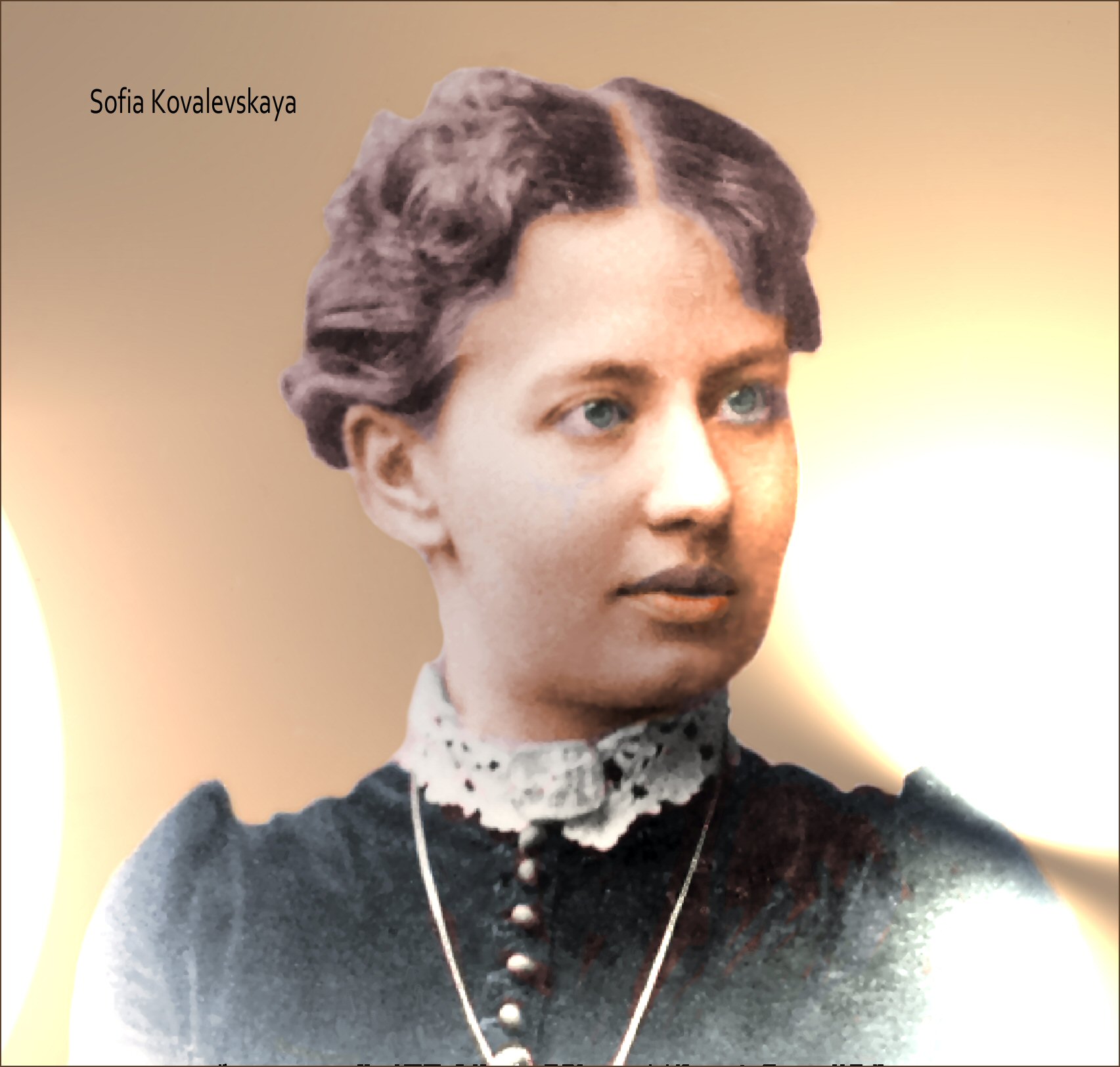
Sofia Kovalevskaya
Awards & Honours
3
Awards Won
4
Honours
3
Records
Kovalevskaya stands as a monumental figure in the history of science. She was the first woman to earn a doctorate in mathematics in the modern sense and the first woman to hold a full professorship in mathematics at a European university. Her achievements shattered glass ceilings that had stood for centuries. The Cauchy-Kovalevskaya theorem and the Kovalevskaya top remain foundational concepts in mathematics and mechanics textbooks worldwide.Her legacy extends beyond her publications. She inspired generations of women to pursue careers in science and mathematics. The Sofia Kovalevskaya Award of the Alexander von Humboldt Foundation continues to recognize outstanding young scholars in Germany. A crater on the Moon and an asteroid bear her name, ensuring her place in the cosmos forever.
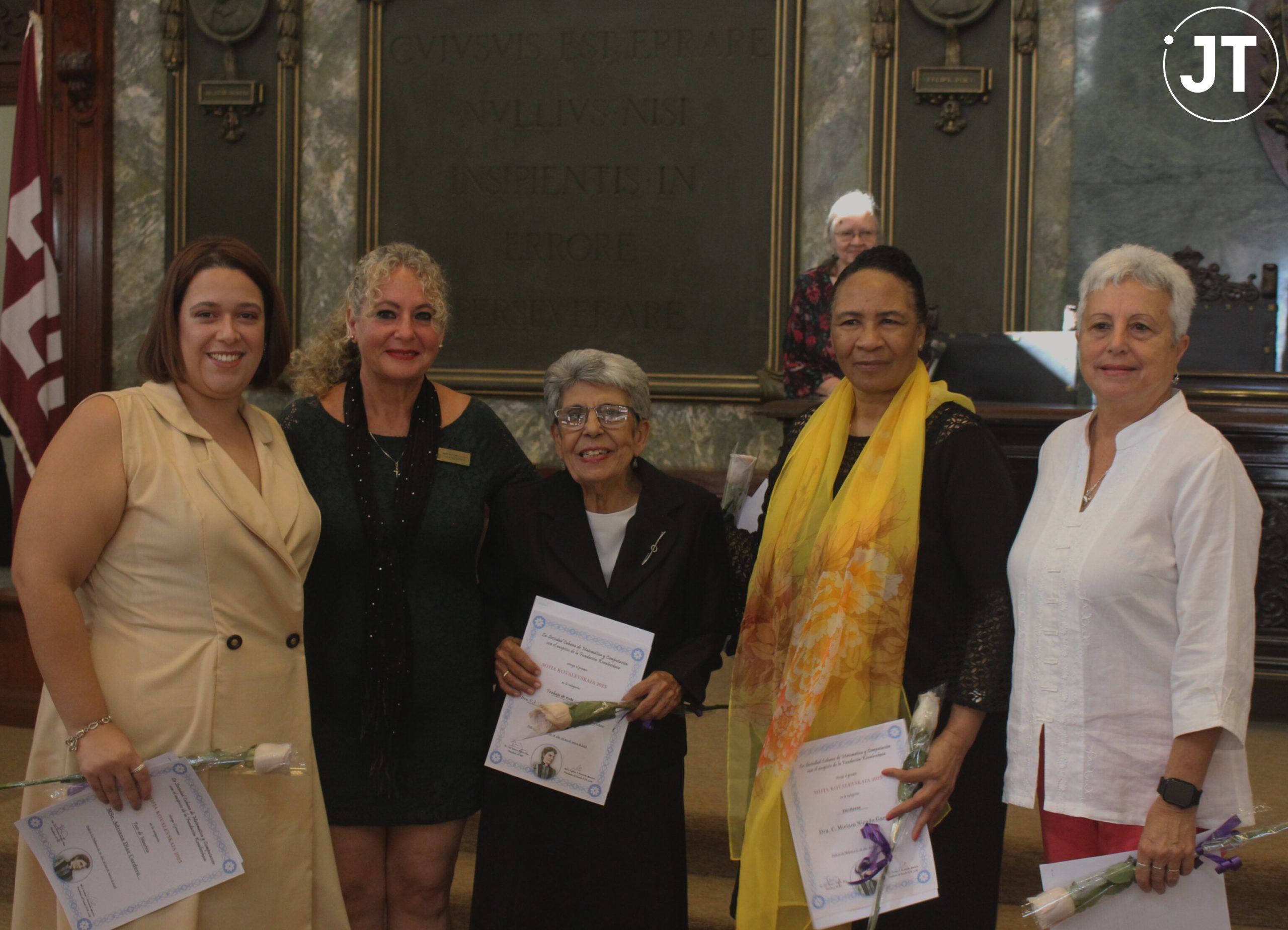
Awards
Honours & Distinctions
Corresponding Member of the Russian Academy of Sciences
First woman elected to this honor.
Kovalevskaya Crater
Named in her honor on the Moon.
Asteroid 1859 Kovalevskaya
Named in her honor.
Sofia Kovalevskaya Award
Major German research prize established in her honor.
Records & Feats
First Woman to Earn a Doctorate in Mathematics
Earned her doctorate from the University of Göttingen in 1874, the first woman to do so in the modern sense.
First Female Professor of Mathematics in Europe
Appointed professor at Stockholm University in 1884, the first woman in modern times to hold a full professorship in mathematics at a European university.
Youngest Corresponding Member of Russian Academy
Elected corresponding member of the Russian Academy of Sciences in 1889, becoming the first woman to receive this honor.