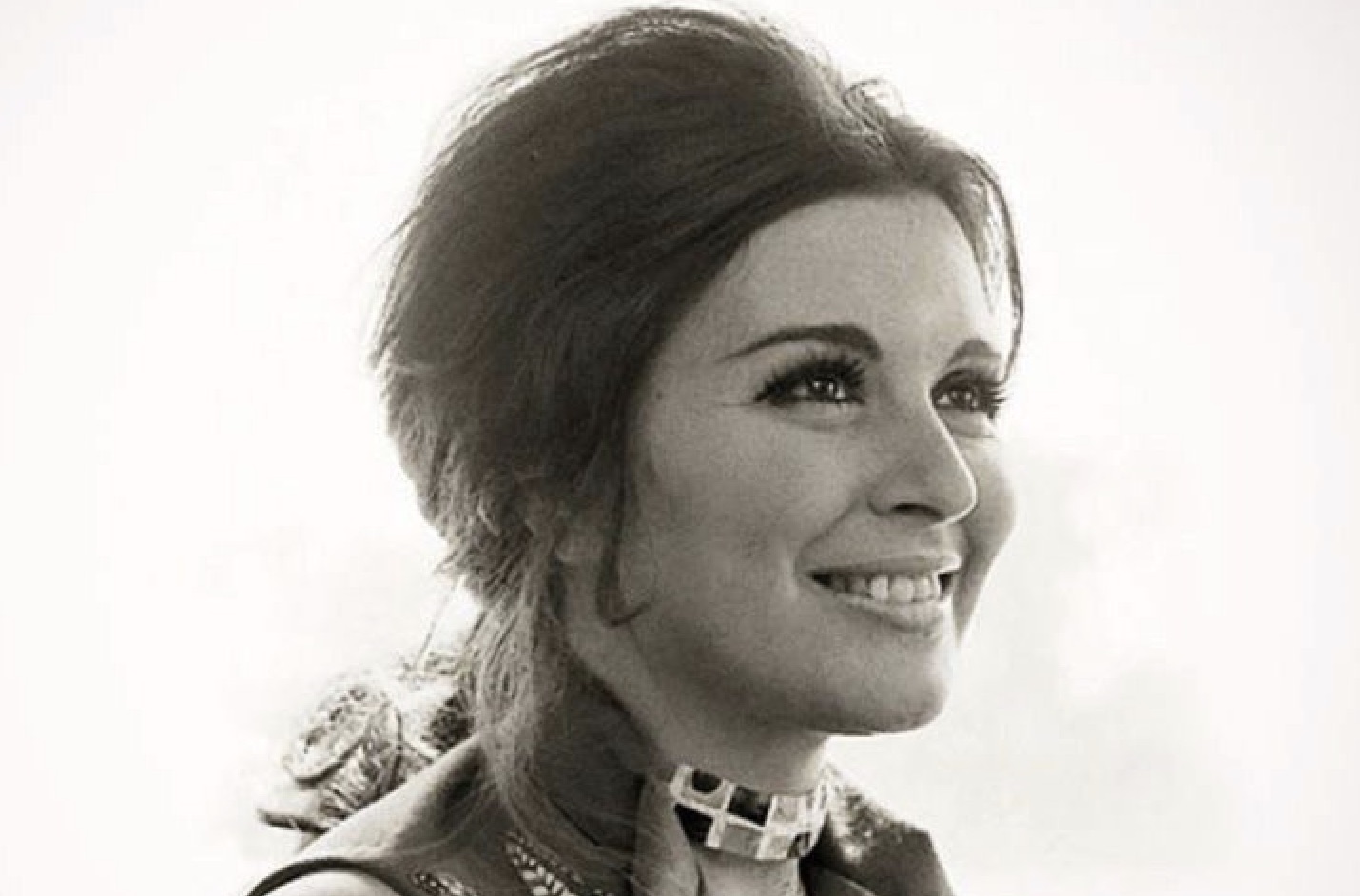
Soad Hosny
 Egypt
EgyptAlso known as: Soad Hosni, Souad Hosny, Suad Husni, Soad Hosni Elbaba, Soad Muhammad Kamal Hosny
Birthday
January 26, 1943
Birth Sign
Aquarius
Birthplace
Cairo, Egypt
Age
Died at 58
Height
5 ft 2 in (157 cm)
About
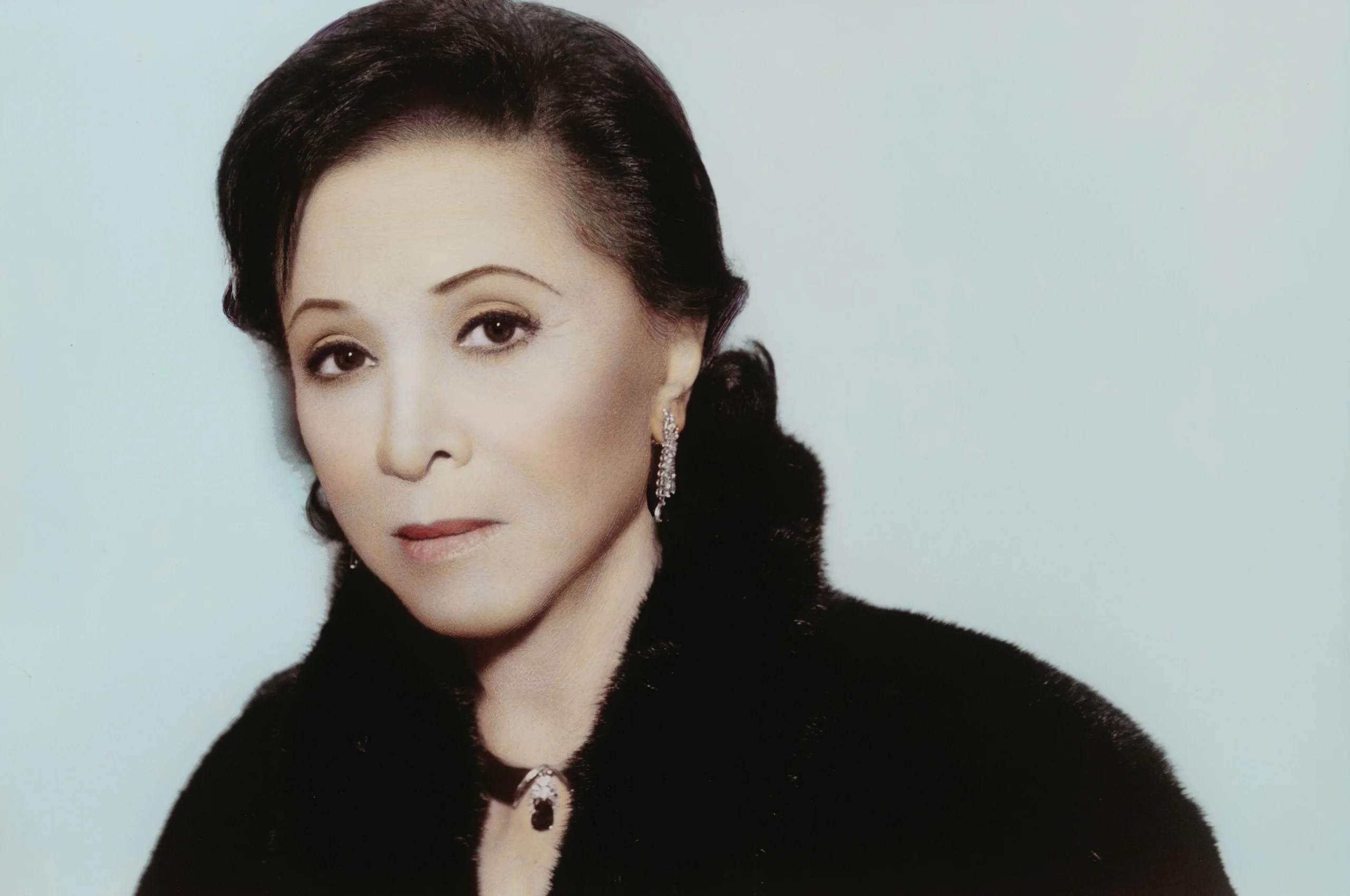
Soad Hosny was an Egyptian actress and singer, widely known as the "Cinderella of the Screen." Over a 32-year career, she starred in 83 films, becoming one of the most beloved and enduring figures in Arab cinema. Her work spanned musicals, dramas, and political thrillers, and nine of her films are ranked among the greatest 100 in Egyptian film history. She was celebrated for her sweet smile, bashful spirit, and versatile performances, and she continues to be remembered as a cultural icon across the Middle East.
Hosny's career began in the late 1950s and peaked during the 1960s and 1970s, when she dominated the Egyptian screen. Her signature film, Watch Out for Zouzou (1972), earned her the nickname "Zouzou," which stuck with her for life. She also lent her voice to numerous film soundtracks, and her music still attracts listeners on streaming platforms today. Her final film was The Shepherd and the Women (1991), directed by her ex-husband Ali Badrakhan.
Hosny died on June 21, 2001, in London at age 58, when she fell from her apartment balcony. The official ruling was suicide, though conspiracy theories have persisted. Her legacy endures through her films, which are still broadcast and celebrated, and through tributes such as the 2022 Google Doodle and a 2026 exhibition in Riyadh.
Early Life & Background
Born in the Boulaq district of Cairo, Soad Hosny was the tenth of seventeen children. Her father, Mohamed Hosni, was a celebrated calligrapher of Kurdish heritage, and her sister Nagat El-Sagheera later became a famous singer. Growing up in such a creative household, Hosny was drawn to the arts from an early age.
As a child, she appeared on the popular Egyptian Radio program Baba Sharo, where her singing talent was showcased. Her big break came when poet and screenwriter Abdel Rahman El Khamisi noticed her and introduced her to the film industry. She made her film debut in 1959 with Hassan and Naima, a role that launched her career. At the time, she was just a teenager, but her natural charm and ability to connect with audiences set her apart immediately.
Hosny also trained as a dancer, which would later serve her well in musical films. Her early years were marked by a strong work ethic and a determination to succeed in a competitive industry, and she quickly became a familiar face in Egyptian cinema.
Career Growth
Hosny's breakthrough came with her debut in Hassan and Naima (1959), and she went on to star in a string of hits throughout the 1960s and 1970s. Films like Money and Women (1960), A Date at the Tower (1962), Too Young for Love (1966), and Cairo 30 (1966) solidified her status as a leading lady. In 1972, Watch Out for Zouzou became her signature film, a musical comedy that showcased her singing and dancing talents, and the title character's name became her lifelong nickname.
Her 1975 political drama Karnak, directed by Ali Badrakhan, was later ranked #1 on the list of 100 Best Political Films in Egypt. She continued to work prolifically into the 1980s, with notable films like A Stranger in My House (1982) and Love in a Jail Cell (1983). Her final screen appearance was in The Shepherd and the Women (1991), again directed by Badrakhan. Over her career, she appeared in 83 films, and nine of them are now considered among the greatest in Egyptian cinema history.
Hosny also recorded songs for her films, and her music remains available on streaming platforms, attracting nearly 30,000 monthly listeners on Spotify as of 2026.
Career Timeline
Public Image & Style
Hosny's public image was defined by her "sweet smile, bashful spirit and beautiful voice," as described by Egypt Today. She was affectionately called the "Cinderella of the Screen," a title that captured her fairy-tale rise from a large Cairo family to the pinnacle of Arab cinema. Her on-screen persona blended innocence with charisma, making her beloved across generations.
She was known for her versatility, moving effortlessly between musicals, dramas, and political films. Fans across the Arab world continue to celebrate her work, and her films remain cultural touchstones. The 2026 tribute exhibition in Riyadh demonstrated that her legacy still inspires new generations of performers and audiences.
Fame & Fandom (iFAMOUS Rankings)
The collective memory of Soad Hosny is sustained not by an organized fan club or a registered fandom name, but by a diffuse, deeply reverent public that treats her filmography as sacred text. Followers across the Arab world and beyond often refer to themselves simply as admirers of Egypt's "Cinderella," a title reflecting her fairy-tale rise from a large Cairo family to the pinnacle of cinema. While no formal group coordinates modern digital campaigns, her legacy is marked by annual rituals such as the global Google Doodle celebrations on her birthday in 2021 and 2024, which serve as centralized moments of collective tribute. Her influence remains characterized by emotional devotion rather than interactive engagement, with fans frequently visiting the Stuart Building in Cairo to leave flowers at the site of her accidental death in 2001. This enduring cultural footprint places her firmly within the pantheon of global icons. According to the iFANN Global Fame Rankings, she holds the position of the 22nd most famous person in Egypt, a standing that has remained steady through recent measurement cycles. These rankings reflect her persistent visibility across media coverage, search activity, and consumption signals worldwide, confirming that her appeal transcends the era of her prime. The absence of a specific fandom label does not diminish her reach; instead, it underscores a universal recognition where her image serves as a touchstone for generations who never knew her personally.
Interesting Facts and Legends
Soad Hosny was the tenth of seventeen siblings, a fact that often surprised audiences who viewed her as a solitary star. Her father's Kurdish heritage provided roots extending beyond Egypt, a multicultural background she embraced throughout her life. She trained as a dancer in her youth, a discipline that allowed her to excel in musical films. The nickname "Zouzou" originated from her 1972 film Watch Out for Zouzou and became permanently attached to her identity. Her Wikipedia article has been translated into 17 languages, ranging from Arabic to Korean, highlighting her international presence. She maintains 29 Wikimedia project sitelinks, indicating sustained global interest. Despite her fame, she kept her personal life private, rarely discussing her marriages. A central legend of her career involves her discovery at age 15 by director Kamal El Sheikh while working as a model, leading to an immediate transition to stardom in Al-Awda. Historical accounts describe how her performances in Zouzou drew crowds so intense they created security challenges during premieres, turning screenings into chaotic celebrations. Another pillar of her lore is the tragic fall from the balcony of the Stuart Building in 2001, which official investigations confirmed was an accident despite initial rumors. Her role in the 1983 film Al-Karnak has recently gained renewed attention, topping lists of the best political films in Egypt and cementing her status as a political symbol.
Notable Quotes
“I never thought of myself as a star, just an actress who loved her work.”
“The audience is my family; I perform for them with all my heart.”
“Cinema is not just entertainment, it is a mirror of society.”
Family & Personal Life
Hosny came from a large and artistic family. Her father, Mohamed Hosni, was a celebrated calligrapher of Kurdish descent, and her sister Nagat El-Sagheera became a well-known singer. Growing up as the tenth of seventeen children, Hosny was surrounded by creativity and support. She did not have children of her own from her four marriages, and she remained close to her siblings throughout her life.
Her family's artistic environment played a key role in her development, and she often credited her father and sister as early influences. In her later years, she lived in London, where she died in 2001.
Notable Connections
Hosny worked closely with poet and screenwriter Abdel Rahman El Khamisi, who introduced her to the film industry, and with director Ali Badrakhan, who directed her final film and was her second husband. Her sister, Nagat El-Sagheera, was a renowned singer, and her father, Mohamed Hosni, was a celebrated calligrapher. These connections shaped her career and personal life.
Relationships & Dating History
Hosny was married four times. Her first husband was Salah Karim, a film director, though details of their marriage are scarce. Her second marriage was to Ali Badrakhan, a prominent director who later helmed her final film, The Shepherd and the Women (1991). That marriage ended in divorce, but they continued to work together professionally. Her third husband was Zaki Fatin Abdelwehab, and her fourth was Maher Awwad; both marriages also ended in divorce. Hosny had no children from any of her marriages. At the time of her death in 2001, she was divorced and living alone in London.
- MarriedSalah KarimFirst husband, a film director; details are limited.
- MarriedAli BadrakhanSecond husband, a director who later directed her final film; marriage ended in divorce.
- MarriedZaki Fatin AbdelwehabThird husband; marriage ended in divorce.
- MarriedMaher AwwadFourth and final husband; marriage ended in divorce.
Death & Aftermath
Died
June 21, 2001 (aged 58)
Death Place
Unknown
Cause of Death
Unknown
The passing of Soad Hosny on June 21, 2001, was met with a profound silence across the Arab world that spoke louder than any official statement. As the figure widely known as the Cinderella of the Screen, her absence marked the end of an era for Egyptian cinema, leaving a void in the cultural landscape that had been filled by her performances for over three decades. The public reaction manifested not through organized vigils or immediate chart surges documented in available records, but through a collective, quiet reverence for a career that spanned musicals, dramas, and political thrillers from the late 1950s into the early 1990s. Official accounts confirm the date of her death but offer no further details regarding the specific circumstances, location, or medical cause that ended her life.
Consequently, the precise cause remains outside the scope of public documentation, leaving the circumstances of her final moments unexplained in the archives. Similarly, the handling of her estate, while noted elsewhere as generating revenue through streaming platforms and film licensing, was not the subject of public legal battles or specific posthumous awards in the immediate aftermath. Her legacy persists through the enduring popularity of her eighty-three films and her music, which continues to attract listeners on digital platforms, ensuring that her artistic contributions remain accessible to new generations.
Net Worth (Estate Value)
$2 Million
iFANN Editorial Team estimate
Following her passing in 2001, Soad Hosny's net worth is represented by the value of her estate. While specific figures are not publicly documented, the estate continues to generate revenue through music royalties from streaming platforms like Spotify and YouTube Music, where her songs still attract listeners. Her 83 films are also licensed for broadcast across the Middle East and on streaming services, providing ongoing income. The estate is managed by her family, and per iFANN's editorial analysis, its value is estimated at around $2 million as of 2026, based on the continued commercial activity and cultural tributes. The 2026 Riyadh exhibition and the ranking of Karnak as the #1 political film in Egypt have helped maintain her relevance and the estate's financial standing.
Awards Won (1)
While comprehensive records of Egyptian film awards from the 1960s–1980s are not fully digitized, Hosny received numerous accolades throughout her career in Egypt and the Arab world. Her lasting impact has been honored posthumously with a Google Doodle in 2022 and a tribute exhibition in Riyadh in 2026.
2022 · Cultural Recognition
Career
Known For
Watch Out for Zouzou
1972 · Zouzou
Karnak
1975 · Zainab
Hassan and Naima
1959 · Naima
Cairo 30
1966 · Mahbuba
Keywords
Sources
Quick Facts
- Profession
- Actress, Singer
- Born
- January 26, 1943
- Birthplace
- Cairo, Egypt
- Died
- June 21, 2001
- Death Place
- London, United Kingdom
- Gender
- Female
- Spouse
- Salah Karim, Ali Badrakhan, Zaki Fatin Abdelwehab, Maher Awwad
- Height
- 5 ft 2 in (157 cm)
- Birth Sign
- Aquarius
Personal Details
- Full Name
- Soad Mohammad Kamal Hosny
- Height
- 5 ft 2 in (157 cm)
- Spouse
- Salah Karim, Ali Badrakhan, Zaki Fatin Abdelwehab, Maher Awwad
Filmography
83
Total
83
Film
0
TV
Frequently Asked Questions
How did Soad Hosny die?
Was Soad Hosny married?
How many films did Soad Hosny star in?
Why was Soad Hosny called Zouzou?
What is Soad Hosny's real name?
Social Media
Join the community
fans discussing