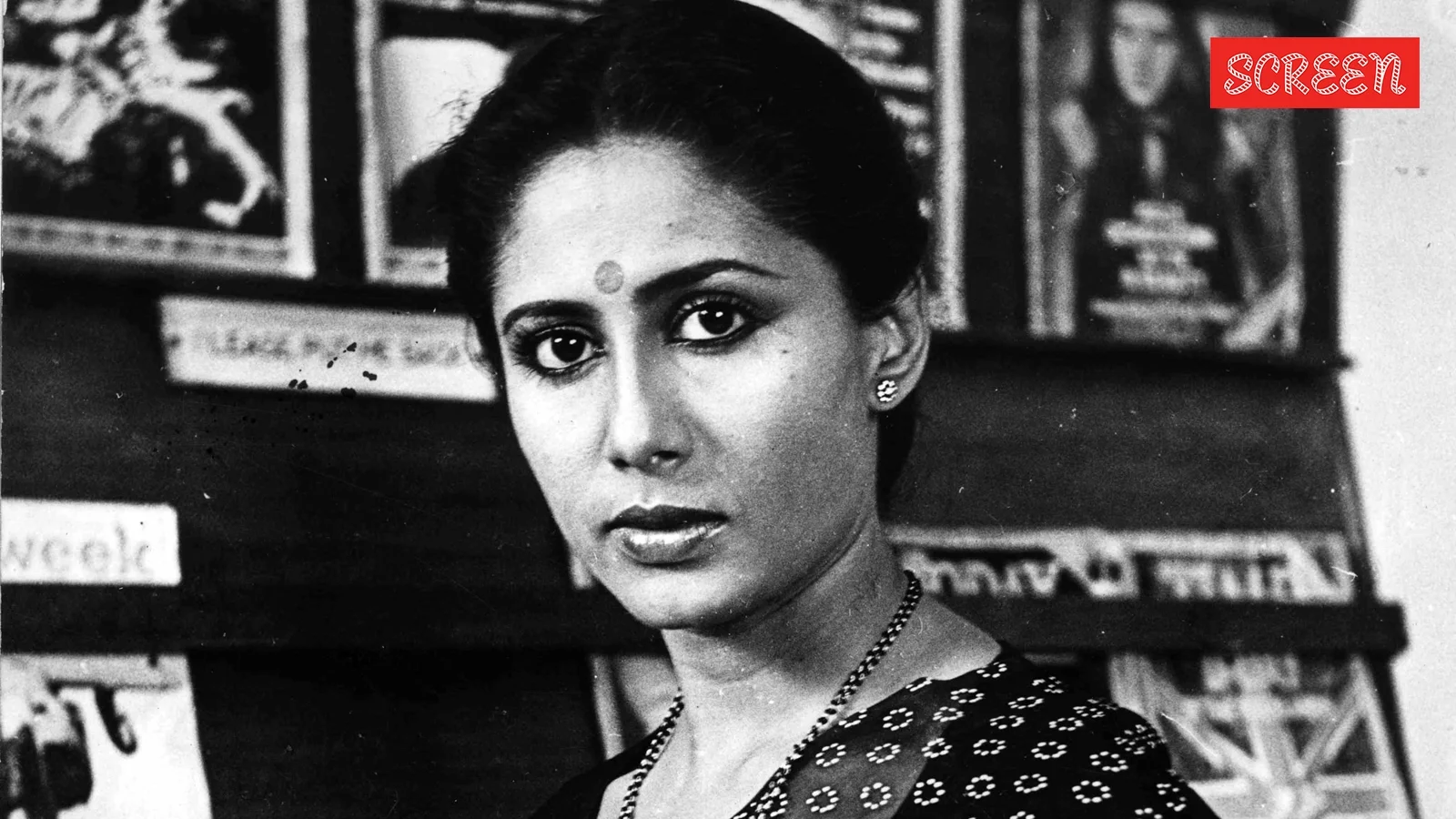
Smita Patil
 India
Indiafilm actor•stage actor•television actor
Birthday
October 17, 1955
Birth Sign
Libra
Birthplace
Pune, Maharashtra, India
Age
Died at 31
Height
5 ft 4 in (163 cm)
About
Smita Patil (17 October 1955 – 13 December 1986) was a pioneering Indian actress whose brief, eleven-year career fundamentally reshaped Hindi and Marathi cinema. Regarded by critics and peers as one of the greatest actresses in Indian film history, she is celebrated for her naturalistic acting style and her portrayal of strong, independent women who challenged traditional patriarchal norms. She entered the industry after working briefly as a television announcer, quickly establishing herself as a versatile performer capable of bridging the gap between art-house cinema and mass entertainment.
Patil appeared in over 80 films across Hindi, Marathi, Gujarati, and Bengali languages during her career from 1975 to 1986. Her work is characterized by a unique ability to balance the grit of parallel cinema with the glamour of commercial cinema. She was the recipient of two National Film Awards, a Filmfare Award, a Maharashtra State Film Award, and two Filmfare Awards Marathi. In 1985, Patil received the Padma Shri, India's fourth-highest civilian honour, recognizing her contributions to the arts.
Beyond her filmography, Patil was an active feminist and a member of the Women's Centre in Mumbai. She was deeply committed to the advancement of women's issues and gave her endorsement to films which sought to explore the role of women in traditional Indian society, their sexuality, and the changes facing the middle-class woman in an urban milieu. Her performances were highly acclaimed, with notable roles including Manthan, Bhumika, Aakrosh, Chakra, Arth, Ardh Satya, and Mandi. She remained a symbol of strength and integrity until her untimely death at the age of 31 due to childbirth complications.
Early Life & Background
Smita Patil entered the world on October 17, 1955, in Pune, Maharashtra, into a middle-class family. Her early years were rooted in a culture that valued education and the arts. She attended St. Anne's Convent High School in Pune, where she developed a love for literature and social discourse. This academic foundation would later inform her choice of scripts that focused on the plight of women and the rural poor. Before stepping onto the silver screen, Patil moved to Mumbai to pursue higher education. During this time, she worked briefly as a television announcer for Doordarshan. It was here that her expressive eyes and commanding voice caught the attention of filmmakers.
Her time in broadcasting honed her ability to connect with an audience without the crutch of heavy makeup or dialogue, setting the stage for her naturalistic acting style. Her entry into the film industry was not immediate. She spent time exploring theater and social causes, becoming an active member of the Women's Centre in Mumbai. This period of activism shaped her worldview and influenced her decision to take on roles that challenged patriarchal norms. She refused to be typecast as a glamorous heroine and instead sought characters with substance. She was also a trained classical dancer and singer, though she rarely showcased these talents in her films before her breakthrough.
Her breakthrough came in 1975 with Shyam Benegal's Charandas Chor, launching a trajectory that saw her become the leading face of India's "Parallel Cinema" movement while simultaneously achieving commercial success in mainstream Bollywood. Prior to this, she had no major film credits, relying solely on her background in theater and television to prepare for the demands of the camera. Her refusal to compromise her values for fame began in these formative years, establishing the persona that would define her legacy.
Career Growth
Patil's career spanned from 1975 to 1986, during which she appeared in over 80 films across Hindi, Marathi, Gujarati, and Bengali languages. Her work is characterized by a unique ability to balance the grit of parallel cinema with the glamour of commercial cinema. She made her film debut in Shyam Benegal's Charandas Chor (1975), playing a young girl who falls in love with a thief. The film established her as a serious performer. In 1976, she delivered a landmark performance in Mani Kaul's Uski Roti and Shyam Benegal's Manthan (The Churning), playing Sumabai, a dairy farmer, in a film made with non-professional actors. This role cemented her status as a star of the New Wave.
In 1977, she starred in Bhumika (The Role), directed by Shyam Benegal, playing a courtesan struggling against societal expectations. For this role, she won her first National Film Award for Best Actress. She continued to deliver powerful performances in films like Jait Re Jait and Aakrosh (Cry) in 1978. In 1981, she won her second National Film Award for Best Actress for her role in Chakra, a film exploring the complexities of a woman's life in a conservative society.
1982 was a prolific year where she starred in Arth (The Meaning), directed by Mahesh Bhatt, playing a wife dealing with infidelity, a role that garnered massive critical acclaim. She also won her first and only Filmfare Award for Best Actress for Chakra. She also appeared in Shakti, Namak Halaal, and Mandi. In 1983, she starred in Ardh Satya (Halfway Truth) opposite Om Puri, a gritty depiction of police corruption and moral ambiguity. She continued to take on challenging roles in films like Amrit, Mirch Masala, and Waaris until her untimely death in 1986. Her impact on the industry was profound; she proved that a female lead could carry both heavy dramatic weight and box office appeal.
Career Timeline
Public Image & Style
Smita Patil is remembered as a symbol of strength, integrity, and femininity. She is portrayed in media as a woman who refused to compromise her values for fame. Her image is often associated with the "New Woman" of the 1980s, educated, independent, and socially conscious. She was known for her naturalistic acting style and refusal to be typecast. Her presence on screen was marked by a lack of artificiality. She often played women who challenged traditional patriarchal norms, making her a favorite among critics and audiences alike.
Her advocacy for women's rights and her involvement with the Women's Centre in Mumbai further cemented her image as a socially conscious artist. She frequently graced the covers of Indian publications such as Filmfare and Stardust during her peak years (1980–1986). Her name is synonymous with the golden era of Parallel Cinema. Posthumously, she has been honored with tributes at film festivals and retrospectives, including a special tribute titled "The Very Best Of Smita Patil" in 2026. She is consistently ranked #1 or top 3 in Indian cinema lists by publications like India Today and Hindustan Times.
Fame & Fandom (iFAMOUS Rankings)
Fans do not have a specific organized fandom name like "Swifties" or "Beyhive." They are generally referred to as "Smita Patil fans" or "Patil admirers." Fan groups are informal, often centered around film clubs and academic discussions. Annual tributes on her birthday and death anniversary involve social media campaigns, screenings of her films, and charitable drives in her name. Since she is deceased, interaction is limited to posthumous tributes and the legacy maintained by her family.
Her name trends annually on Twitter/X and Instagram on her birthday (October 17) and death anniversary (December 13). Official fan pages and her son Prateik Patil's accounts frequently share content celebrating her life. In May 2026, Colgate launched a new campaign titled "Every Smile Has a Story," featuring a moving story about Prateik Smita Patil, highlighting his mother's legacy and his own journey. A retrospective titled "The Very Best Of Smita Patil" was released in January 2026, showcasing her greatest works. These initiatives ensure that her fame remains vibrant decades after her passing, keeping her spirit alive for new generations of viewers.
Interesting Facts and Legends
Smita Patil was a vegetarian and a staunch animal rights activist. She was known for cooking her own food on sets, a rare practice for actresses at the time. She was a frequent collaborator with director Shyam Benegal, appearing in five of his films. She was a trained classical dancer and singer, though she rarely showcased these talents in her films. Her height was approximately 5 feet 4 inches (163 cm).
A recently revealed story details how she observed the fasting ritual for Karwa Chauth for her husband despite being seven months pregnant and being medically advised against it. This act of devotion became a legendary anecdote about her commitment to her family. Her portrayal of Nandini in Arth is often cited as one of the most powerful performances in Indian cinema, breaking taboos regarding marital infidelity and female agency. Her win for Chakra solidified her reputation as the "Queen of Parallel Cinema," a title she held until her death. She famously stated, "I want to play characters that are real, not just idealized," reflecting her philosophy on acting. She also said, "Acting is not about pretending; it is about becoming," in a 1983 interview with Filmfare.
Notable Quotes
“I want to play characters that are real, not just idealized.”
“Acting is not about pretending; it is about becoming.”
“Women must speak for themselves.”
Family & Personal Life
Smita Patil was born to a middle-class family in Pune. She was married to actor and politician Raj Babbar. They met on the sets of the film Ghar Parivar (1978) or through mutual friends in the theatre circle. Their marriage was a union of two prominent figures in Indian cinema and politics. The couple had a son, Prateik Patil (born 1984), who followed them into acting. They also had a daughter, Shivani Patil. The marriage was reportedly close, with Raj Babbar often citing her as his muse and strongest support.
After her death, Raj Babbar remained a prominent political figure until his own passing in 2023. Their son Prateik has often spoken about the void left by her absence and the pressure of living up to her legacy. Her grandson, Arya Babbar, has also discussed her influence in recent interviews. Smita Patil was known for her dedication to her family, even observing the fasting ritual for Karwa Chauth for her husband despite being seven months pregnant and being medically advised against it. This act of devotion became a legendary anecdote about her commitment to her family. She was also a vegetarian and a staunch animal rights activist, known for cooking her own food on sets, a rare practice for actresses at the time.
Notable Connections
Relationships & Dating History
Smita Patil was married to actor and politician Raj Babbar. They met on the sets of the film Ghar Parivar (1978) or through mutual friends in the theatre circle. Their marriage was a union of two prominent figures in Indian cinema and politics. The couple had a son, Prateik Patil (born 1984), who followed them into acting. They also had a daughter, Shivani Patil. The marriage was reportedly close, with Raj Babbar often citing her as his muse and strongest support.
Their relationship ended with Smita Patil's death on December 13, 1986. There are no reports of relationships prior to her marriage to Raj Babbar that were publicly documented or confirmed by credible sources. Her public romantic life began with her marriage to Raj Babbar in 1980. As of 2026, her legacy continues through her son and the memory of her husband, who passed away in 2023. Recent news in 2026 highlights her enduring influence, with her son Prateik speaking about her memory and her grandson Arya Babbar referencing her legacy in interviews. The couple's bond was described as deep and supportive, with Babbar often crediting her for his own success in both acting and politics.
- MarriedRaj Babbar1980 - 1986Married until her death; they had two children together.
Death & Aftermath
Died
December 13, 1986 (aged 31)
Death Place
Jaslok Hospital, Mumbai
Cause of Death
Complications from childbirth
Smita Patil died on December 13, 1986, at the age of 31 in Jaslok Hospital, Mumbai. The cause was complications arising from childbirth. She had been seven months pregnant when she went into labor and suffered a cardiac arrest during delivery. Reports indicate she observed Karwa Chauth for her husband despite being heavily pregnant and advised against it by doctors. A stillborn child was delivered alongside her passing. The news sent shockwaves through the Indian film industry and beyond. Tributes poured in from directors, actors, and politicians alike. Her funeral at Santacruz Crematorium in Mumbai drew thousands of mourners, including many from the film community who lined the streets to pay their respects. The scale of the public grief highlighted how deeply she was regarded not just as an actress but as a symbol of integrity and strength.
Over ten of her films were released posthumously, including Mirch Masala, Dance Dance, and Waaris. These releases kept her work visible to new audiences and cemented her legacy as a pioneer of parallel cinema. Her estate continues to generate revenue through royalties and licensing deals managed by her family. In recent years, her grandson Arya Babbar has spoken about her legacy in interviews, addressing rumors regarding his grandfather Raj Babbar's conduct after her death. Annual tributes on her birthday and death anniversary involve social media campaigns, screenings of her films, and charitable drives in her name. The 2026 retrospective "The Very Best Of Smita Patil" further honored her memory, ensuring her impact on cinema remains undisputed.
Net Worth (Estate Value)
$0
iFANN Editorial Team estimate
As Smita Patil passed away in 1986, her net worth at the time of death is not recorded in modern currency terms. However, her estate continues to generate revenue. As of 2026, the Patil-Babbar estate is estimated to be substantial, managed by her son Prateik Patil and her late husband Raj Babbar. Revenue streams include royalties from her extensive film library, licensing deals for her image, and merchandise related to her legacy.
Over ten of her films were released after her death, generating significant box office returns. Her estate benefits from the continued popularity of her classic films on streaming platforms. Estimates vary, but the estate is considered wealthy due to the high value of her IP and the continued success of her family members in the industry. No specific dollar figure is available for 2026 as the estate is privately held and not publicly traded. The posthumous releases of films like Mirch Masala and Waaris have contributed significantly to the ongoing financial value of her brand. The estate's management ensures that her intellectual property remains profitable, supporting her family and preserving her artistic contributions.
Awards Won (13)
Smita Patil received numerous accolades during her lifetime, including two National Film Awards for Best Actress for Bhumika and Chakra. She also won a Filmfare Award for Best Actress for Chakra and the Padma Shri in 1985. She received multiple Maharashtra State Film Awards for her work in Marathi cinema.
1982 · Best Actress
Chakra
1978 · Best Actress
Bhumika
1983 · Best Actress
Chakra
Known For
Bhumika
1977 · Usha / Savitri
Manthan
1976 · Sumabai
Arth
1982 · Nandini
Ardh Satya
1983 · Vijayalakshmi
Chakra
1981 · Lata
Keywords
Sources
Quick Facts
- Profession
- film actor, stage actor, television actor
- Born
- October 17, 1955
- Birthplace
- Pune, Maharashtra, India
- Died
- December 13, 1986
- Death Place
- Jaslok Hospital, Mumbai
- Gender
- Female
- Spouse
- Raj Babbar
- Birth Sign
- Libra
Personal Details
- Full Name
- Smita Patil
- Height
- 5 ft 4 in (163 cm)
- Spouse
- Raj Babbar
- Children
- Prateik Patil, Shivani Patil
- Education
- St. Anne's Convent High School, Pune; University of Mumbai
Filmography
80
Total
75
Film
5
TV
Frequently Asked Questions
How did Smita Patil die?
Who was Smita Patil married to?
What awards did Smita Patil win?
Does Smita Patil have children?
Is Smita Patil still alive?

Join the community
fans discussing