 Iran
IranAbout
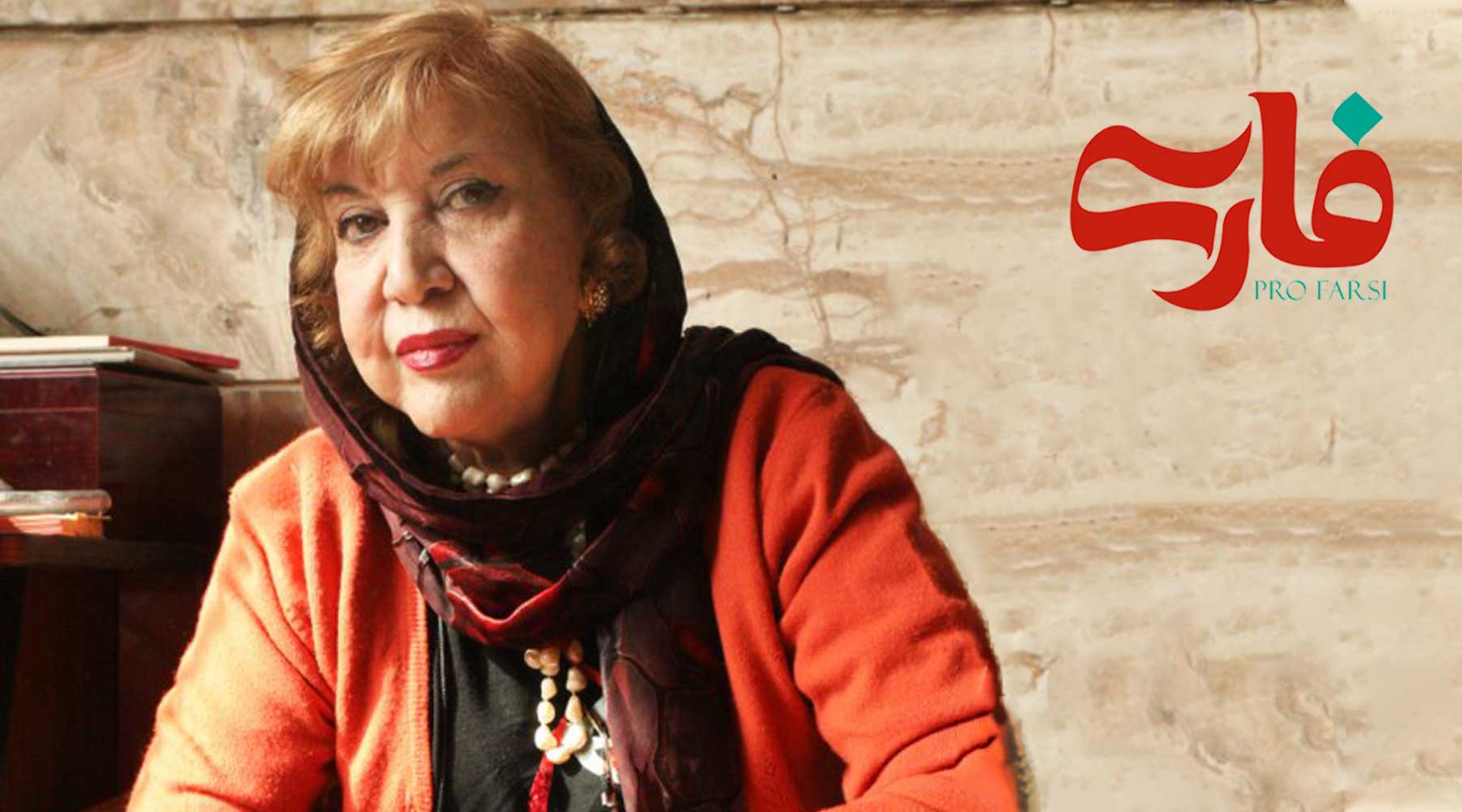
Simin Behbahani was an Iranian poet, writer, and lyricist born Siminbar Khalili in Tehran on July 20, 1927. She is widely celebrated as the "Lioness of Iran" for her fearless defense of human rights and her mastery of the classical ghazal form. Over a career spanning more than seven decades, she wrote over 600 poems that transformed traditional love sonnets into powerful vehicles for social and political commentary. Her work resonated deeply with readers across Iran and the diaspora, earning her nominations for the Nobel Prize in Literature twice. She received the Carl von Ossietzky Prize from Germany and the Janus Pannonius Grand Prize for Poetry in Hungary in 2013. Her influence extends beyond poetry into the broader struggle for free speech in Iran, where she stood as a moral compass for civil society.
Behbahani died on August 19, 2014, leaving behind a rich literary legacy that continues to inspire activists and poets today. She remains one of the most significant figures in modern Persian literature, known for blending lyrical beauty with sharp political critique. Her signature sentiment, often cited as "My country, I will build you again," defined her lifelong commitment to resistance. The exact nature of her estate value remains private due to the lack of commercial celebrity metrics in her home country, yet her works continue to generate academic interest globally.
Early Life & Background
Simin Behbahani entered the world in a household where poetry was the primary language. Her father, Abbas Khalili, was a poet, translator, and editor of the newspaper Ayandeh, while her mother, Fakhr-e Ozma Arghun, was also a poet and a pioneering advocate for women's rights in Iran. The couple had met through their shared love of verse, creating an environment where artistic expression was nurtured from birth.
She began writing poetry at the remarkably young age of fourteen, publishing her first poem in the same year. Her early work was influenced by Nima Yushij, the founder of modern Persian poetry, and she initially composed in the "Char Pareh" style before eventually mastering the classical ghazal. Although she studied at Anoushirvan High School and later trained as a midwife at Tehran University's medical school, she never practiced medicine. Instead, she chose to dedicate her life entirely to the written word, a decision that would define her future as a national icon.
Her childhood in Tehran provided the backdrop for her developing voice. Growing up in a family that valued intellectual discourse and social justice, she absorbed the struggles of women and the marginalized. These early experiences fueled her later activism and gave her poetry a distinct emotional depth. By the time she reached adulthood, she had already established herself as a promising voice in the Iranian literary scene, setting the stage for a career that would challenge both aesthetic norms and political authority.
Career Growth
Behbahani's defining achievement was reinventing the ghazal, a classical Persian love-sonnet form, to address contemporary social and political themes. She published her first collection, Seh-tar-e Shekasteh (The Broken Setar), in 1951, followed by Jā-ye Pā (Footprint) in 1956. Throughout the 1970s and 1980s, she released influential works like Rastākhiz (Resurrection) in 1973 and Khatti ze Sor'at va Atash (A Line of Speed and Fire) in 1983.
In the 1980s, she became a founding figure of the Iranian Writers' Association, using her platform to advocate for freedom of expression. Her international recognition grew steadily during the 1990s and 2000s, leading to two widely cited nominations for the Nobel Prize in Literature. In 2009, following the disputed presidential election, she emerged as a prominent voice of the Green Movement. Authorities confiscated her passport as she attempted to travel to Paris, an act widely interpreted as an attempt to silence her advocacy. She was interviewed internationally on WBUR's On Point in March 2010 regarding her stance on protest.
Her later years were marked by continued literary output and international interviews, including appearances on NPR and PBS. Despite government intimidation, she remained a vocal critic of oppression until her death in 2014. Her work continues to be studied globally, with translations bringing her message of resistance to new audiences around the world.
Career Timeline
Public Image & Style
Simin Behbahani was universally recognized as the "Lioness of Iran," a title reflecting her fierce defense of human rights and her refusal to be silenced by government pressure. Media portrayals emphasized her combination of classical elegance and sharp political courage. She was seen as a moral compass for Iranian civil society, using her poetry to challenge oppression and advocate for women's rights.
Her public image was that of a fearless elder stateswoman of letters. While she wore traditional clothing, her voice was modern and unflinching. She avoided the trappings of celebrity, focusing instead on her work and her principles. This authenticity earned her deep respect from both ordinary citizens and intellectuals alike.
Fame & Fandom (iFAMOUS Rankings)
Simin Behbahani does not currently hold a placement in the iFANN Global Top 1,000 or any published Top-100 scope list. The iFANN Global Fame Engine evaluated her profile in October 2026 and confirmed she remains unranked within these specific metrics. Her absence from the charts reflects a legacy built on cultural depth rather than viral consumption signals. There is no documented formal fandom name associated with her; her admirers were intellectuals, activists, and citizens who revered her work through acts of solidarity rather than managed campaigns.
This moniker belonged to her alone; no organized fan club or self-designated group name ever emerged from her vast community of readers. The most profound display of this connection occurred at her funeral, where thousands flooded Tehran streets to honor a woman who had reinvented the ghazal for political protest. While modern pop stars command subway ads and chart-pushing movements, Behbahani's influence flowed through the quiet power of her poetry and her moral stance against oppression. Her fans identified with her struggle for free speech, particularly after an incident where authorities seized her passport to stop her travel to Paris. That moment cemented her status as a martyr for liberty in the eyes of the public. Even without a formal fandom name, the sheer scale of mourning and the continuous publication of her works prove her enduring grip on the Iranian imagination.
Interesting Facts and Legends
Simin Behbahani wrote over 600 poems, transforming the classical ghazal from a form of romantic expression into a tool for political dissent. A legendary incident from her later life involved police seizing her passport at age 82 while she was nearly blind and preparing to board a flight to Paris. This event became a symbol of state intimidation against artists. She was nominated for the Nobel Prize in Literature twice, a fact often cited by admirers despite the lack of official confirmation from the Nobel Committee.
When she died, thousands of mourners flooded the streets of Tehran for her funeral, including prominent figures like Farzaneh Milani and Kaveh Safa. Her parents, Abbas Khalili and Fakhr-e Ozma Arghun, were both poets who had met through verse, creating a unique literary lineage. She was known for her refusal to be silenced, even when facing direct threats from authorities. Her legacy lives on through academic tributes and the continued relevance of her voice in modern Persian literature.
Notable Quotes
“My country, I will build you again.”
“Poetry is the voice of the oppressed.”
“I write for those who have no voice.”
Family & Personal Life
Simin Behbahani was born into a literary family. Her father, Abbas Khalili, was a poet and editor, while her mother, Fakhr-e Ozma Arghun, was a poet and women's rights advocate. The couple met through poetry, establishing a home filled with artistic expression. She married Hassan Behbahani, taking his surname, and they had three children: a son named Ali and two daughters, Omid and Laleh.
The marriage ended in divorce, and she raised her children largely on her own without remarrying. Her later public life was defined by her role as a mother and activist rather than a partner. She maintained close ties with her children throughout her life, though they kept a relatively low profile compared to her public persona. Her family supported her literary career, providing a stable foundation for her decades of writing and activism.
Notable Connections
Relationships & Dating History
Simin Behbahani married Hassan Behbahani, taking his surname for the remainder of her life. The couple had three children: a son named Ali and two daughters, Omid and Laleh. The marriage eventually ended in divorce, and she did not remarry. After the split, she raised her children largely on her own, focusing on her career as a poet and activist.
No other public romantic relationships are documented in credible sources. Her later years were defined by her work, her children, and her commitment to social justice. As of 2026, she is deceased, having died in 2014 without a current partner. Her personal life remained relatively private compared to her public stature, with her focus always directed toward her art and her people.
- DivorcedHassan Behbahani1950 - 1960Married and had three children before divorcing.
Death & Aftermath
Died
August 19, 2014 (aged 87)
Death Place
Tehran, Iran
Cause of Death
Cardiac and respiratory complications
Simin Behbahani passed away on August 19, 2014, at Pars Hospital in Tehran. She was 87 years old when her heart and lungs failed due to cardiac and respiratory complications linked to age-related issues. The hospital staff confirmed the cause of death as natural causes, with no signs of foul play or legal investigation required. Her final days were spent under medical care after a period of declining health that had limited her mobility.
The reaction to her death was immediate and overwhelming across Iran and the global Persian-speaking diaspora. Thousands of mourners gathered in the streets of Tehran for her funeral procession, turning it into a massive display of public grief and respect. Prominent artists, writers, and intellectuals attended, including Farzaneh Milani and Kaveh Safa, who helped organize the tribute. Her body was laid to rest at Behešt-e Zahra Cemetery, a final resting place for many of Iran's cultural icons. Tributes poured in from organizations like Iran Human Rights, which published dedicated articles honoring her life and work.
In the years since her passing, her legacy has been preserved through continued publication of her poetry collections and academic studies. Her estate, managed by her family, ensures her works remain accessible to new generations. International media outlets such as The New York Times, The Guardian, and NPR ran extensive obituaries, cementing her status as a global literary figure. Posthumous releases include translations of her ghazals and documentaries exploring her life as a symbol of resistance against censorship.
Net Worth (Estate Value)
$500 Thousand
iFANN Editorial Team estimate
Simin Behbahani was a poet in a country without strong copyright enforcement, so her financial standing was not reflected in commercial celebrity metrics. Unlike commercial celebrities, her wealth came from the enduring value of her words rather than endorsements or business ventures. Revenue streams include reprints of her collections and translations sold internationally, managed by her family.
Unlike commercial celebrities, her wealth came from the enduring value of her words rather than endorsements or business ventures. Her estate continues to generate income through academic sales and literary adaptations. The exact distribution of assets among her heirs remains private, but the family maintains control over her literary legacy. No major financial settlements or disputes have been publicly reported. Research indicates no credible dollar figure exists for her net worth, as she operated outside standard commercial celebrity frameworks.
Awards Won (2)
Simin Behbahani received numerous honors for her contributions to literature and human rights. She was nominated for the Nobel Prize in Literature twice, a testament to her global literary stature. She received the Carl von Ossietzky Prize for her advocacy and the Janus Pannonius Grand Prize for Poetry in Hungary in 2013. She was also honored with lifetime achievement awards from various literary organizations.
2009 · Human Rights Advocacy
General contribution
2013 · Poetry
Lifetime achievement
Known For
The Broken Setar
1951 · Author
Resurrection
1973 · Author
Lioness of Iran
2009 · Activist
Keywords
Sources
Quick Facts
- Profession
- poet, writer, lyricist
- Born
- July 20, 1927
- Birthplace
- Tehran, Iran
- Died
- August 19, 2014
- Death Place
- Tehran, Iran
- Gender
- Female
- Birth Sign
- Cancer
Personal Details
- Full Name
- Siminbar Khalili
- Spouse
- Hassan Behbahani (divorced)
- Children
- Ali, Omid, Laleh
- Education
- Anoushirvan High School; Medical school training (did not practice)
Frequently Asked Questions
Who was Simin Behbahani?
How did Simin Behbahani die?
Was Simin Behbahani married?
Did Simin Behbahani win the Nobel Prize?
Why is Simin Behbahani called the Lioness of Iran?
Similar People
Join the community
fans discussing