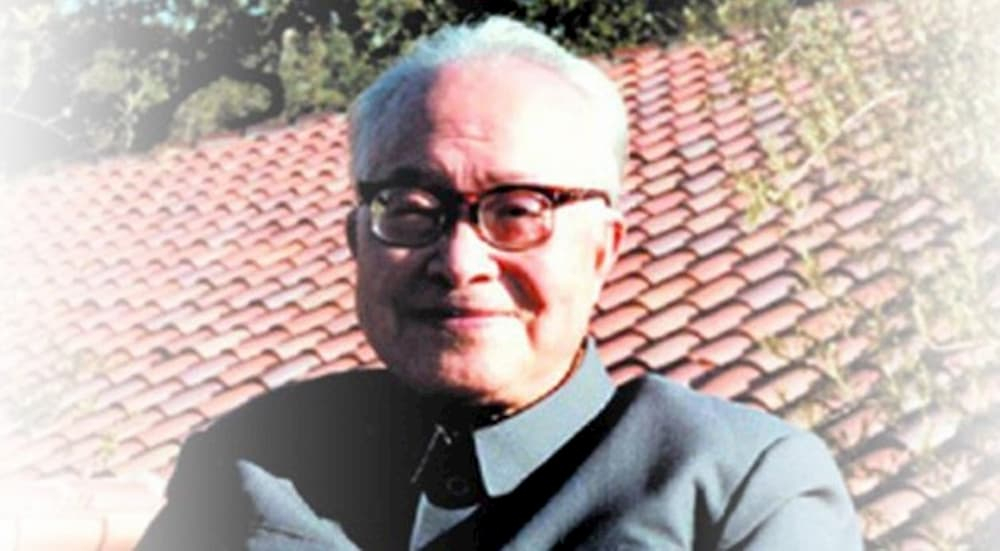
Shen Congwen
 China
ChinaAlso known as: Shen Yuehuan, 沈从文
Birthday
December 28, 1902
Birth Sign
Sagittarius
Birthplace
Fenghuang County, Hunan, China
Age
Died at 85
About
Shen Congwen was one of modern China's most celebrated writers, best known for his lyrical "native soil" fiction that captured the lives and landscapes of southwestern Hunan. His masterpiece, Border Town, remains a cornerstone of Chinese literature, translated into multiple languages and read worldwide.
Born in 1902 and active through the 1920s and 1930s, Shen rose to prominence during the May Fourth New Culture Movement, earning comparisons to Lu Xun. He wrote with a distinctive blend of realism and pastoral beauty, portraying ordinary people with deep empathy. His career took a tragic turn after 1949, when he stopped writing fiction entirely and became a respected scholar of historical artifacts.
Though he died in 1988, Shen's legacy endures. He was posthumously recognized as the intended recipient of that year's Nobel Prize in Literature, a fact confirmed by a Nobel committee member. Today his work continues to inspire adaptations, academic study, and new translations.
Early Life & Background
Shen Congwen was born on December 28, 1902, in Fenghuang County, a remote town in western Hunan surrounded by mountains and rivers. His family had Miao ethnic heritage, which gave him a unique perspective on the region's minority cultures. Growing up in this frontier area, he was exposed to a mix of Han and Miao traditions, as well as the harsh realities of rural life.
As a teenager, Shen left formal schooling and joined the local army, serving as a soldier and later as a tax collector. These years took him through the rugged landscapes of Hunan, where he encountered bandits, soldiers, merchants, and farmers. He absorbed the stories and dialects of the people, which would later become the raw material for his fiction.
In 1922, at the age of 20, Shen made a decisive break. He moved to Beijing, then the intellectual heart of China, with little money and no formal education. He taught himself to write and began submitting essays and stories to literary magazines, slowly gaining notice during the New Culture Movement. This period of struggle and self-education shaped his identity as a writer committed to depicting the lives of ordinary people.
Career Growth
Shen Congwen's literary career took off in the mid-1920s, as he published a steady stream of short stories and novellas in Beijing's leading magazines. His breakthrough came with works set in his native western Hunan, where he wove together local customs, folklore, and the rhythms of daily life. By the early 1930s, he was recognized as a major voice of the May Fourth generation.
In 1934, he published his masterpiece, Border Town, a novella about a young ferryman's granddaughter and her romantic entanglements in a remote riverside town. The book's lyrical prose and nostalgic tone made it an instant classic, and it remains his most famous work. It was later adapted into films and stage productions, including a 2024 theatrical version directed by Israeli artist Ruth Kanner.
Despite his success, Shen faced intense criticism from left-wing writers who demanded politically engaged literature. After the Communist takeover in 1949, Shen attempted suicide and then abandoned fiction altogether. He spent the rest of his life studying Chinese material culture, publishing works on ancient clothing and artifacts. In 1988, he was selected for the Nobel Prize in Literature, but died before the award could be announced.
Career Timeline
Public Image & Style
Shen Congwen is remembered as a chronicler of rural China, a writer who brought the landscapes and people of western Hunan to life with a delicate, poetic touch. His style is often described as "native soil" literature, a genre that celebrates regional identity and everyday existence.
Critics have compared him to Chekhov and Turgenev for his ability to blend irony with compassion. He is also seen as a tragic figure, a literary star whose light was dimmed by political forces beyond his control. Yet his work has never lost its appeal; readers continue to be drawn to its timeless themes of love, loss, and the human connection to nature.
In China, Shen is revered as one of the greatest modern writers, and his hometown has embraced his memory. Internationally, his books are taught in universities and have been translated into many languages, cementing his status as a global literary figure.
Fame & Fandom (iFAMOUS Rankings)
Shen Congwen commands a legacy defined not by the frenzied adoration of modern pop culture, but by the enduring reverence of scholars and literary enthusiasts who study his lyrical depictions of rural Hunan. Unlike contemporary idols who cultivate organized fanbases with specific names, digital campaigns, or ritualistic gatherings, Shen's audience remains a dispersed community of readers and academics rather than a unified movement with a formal identity. There is no documented fandom name associated with his work, nor are there records of birthday billboards, subway advertisements, or coordinated chart pushes that characterize today's celebrity landscape. His influence persists through the quiet circulation of his texts and the academic analysis of his life, devoid of the performative rituals often seen in idol cultures. In August 2026, the iFANN Global Fame Engine evaluated this historical figure to determine their standing among global personalities. The evaluation concluded that Shen Congwen is currently EVALUATED_UNRANKED, meaning he does not hold a placement in the published Global Top 1,000 or any scope-specific top-100 lists. This absence from the rankings reflects the nature of his fame: it is deep and specialized rather than broad and commercial, relying on the timeless quality of his prose rather than the transient metrics of media consumption that drive current popularity charts. While his works remain essential reading in Chinese literature courses worldwide, they do not generate the viral spikes required for a numerical ranking in the modern fame ecosystem.
Interesting Facts and Legends
Shen Congwen's pen name, Congwen, literally means "listening to literature," reflecting his belief in the primacy of written art. He was a heavy smoker and often wrote late into the night, fueled by tea and tobacco. Shen's hometown of Fenghuang has become a popular tourist destination, with a museum dedicated to his life and work. He never attended college, yet he taught at several universities, including Peking University and Wuhan University. His letters, collected in An Irrelevant Writer, offer a candid look at his struggles during the Cultural Revolution. He had a pet cat that he often mentioned in letters to his wife, Zhang Zhaohe. A widely retold story in his cultural lore involves his forced abandonment of fiction writing to become an art historian, a shift driven by political pressure that silenced his creative voice for decades. Another iconic element of his legend is the banning of his masterpiece Border Town during the Maoist era when his works were burned and prohibited. This censorship turned him into a symbol of artistic resistance, remembered as a champion of freedom who endured persecution without compromising his integrity.
Notable Quotes
“I am a country person, and I write for country people.”
“The river is always there, flowing on, indifferent to human sorrow.”
“I have spent my life writing about the beauty of the world, even when the world was ugly.”
Family & Personal Life
Shen Congwen was married to Zhang Zhaohe, a well-educated woman from a prominent family. They married in 1933 after a courtship that began when she was his student at China Public University. Zhang was a talented writer and editor in her own right, and she supported Shen through his career and later scholarly work.
The couple had two sons, Shen Longzhu and Shen Huchu. Despite the political turmoil and Shen's later depression, Zhang remained a steadfast partner. Their correspondence, published posthumously, reveals a deep and enduring bond.
Shen's family life was marked by the upheavals of 20th-century China, but the household he built with Zhang provided a measure of stability. After his death, Zhang worked to preserve his legacy, editing his collected works and ensuring his manuscripts were archived.
Notable Connections
Shen Congwen is often compared to Lu Xun, another giant of modern Chinese literature. His work was championed by Swedish sinologist Göran Malmqvist, who confirmed Shen's selection for the 1988 Nobel Prize. He was also part of the broader May Fourth intellectual circle, which included writers like Hu Shi and Xu Zhimo.
Relationships & Dating History
Shen Congwen married Zhang Zhaohe in 1933, after a courtship that began when she was his student at China Public University. Their relationship was intense and sometimes turbulent, marked by Shen's passionate letters and Zhang's initial reluctance. They eventually married and remained together for the rest of his life.
Zhang was a supportive partner, even as Shen's career faced political pressure. She managed the household and later edited his works. The couple had two sons, and their marriage endured despite Shen's depression and health struggles.
As of his death in 1988, Shen was still married to Zhang. She survived him by several years, dedicating herself to preserving his literary legacy.
- MarriedZhang Zhaohe1933 - 1988Married in 1933 and remained together until Shen's death in 1988.
Death & Aftermath
Died
May 10, 1988 (aged 85)
Death Place
Beijing, China
Cause of Death
Illness and psychological strain
The literary community in China and abroad marked the passing of Shen Congwen with profound mourning, recognizing him as a champion of freedom for writers and one of the greatest lyric novelists in modern Chinese history. Tributes poured in from peers who honored his status as a passionate defender of literary independence shortly after his death was confirmed in Beijing on May 10, 1988. The renowned novelist, born in December 1902, died at the age of 85 while preparing for the announcement of the Nobel Prize in Literature, an award widely expected by Sinologists but ultimately granted to Naguib Mahfouz. His final days were characterized by severe depression stemming from years of political persecution during the Cultural Revolution and the subsequent inability to publish his work, factors that contributed to his declining health before he passed away.
While details regarding the specific date or location of the funeral service remain absent from available records, it is understood that he received a dignified burial in Beijing consistent with his status as a national icon. Posthumously, his reputation solidified through extensive reprints of his works, including Border Town, and films based on his writings such as those directed by Hou Hsiao-hsien. A documentary titled Shen Congwen: A Letter further highlighted his contributions in 2023, ensuring his legacy endured as a cornerstone of twentieth-century literature despite the disappointment over the Nobel snub.
Net Worth (Estate Value)
$10 Million
iFANN Editorial Team estimate
As a deceased author, Shen Congwen's financial legacy is tied to his literary estate. His novels and stories continue to be reprinted and translated, generating royalties for his heirs. Border Town alone has seen numerous editions in Chinese and dozens of translations, ensuring a steady income stream. The estate also benefits from adaptations, including stage productions and a theatrical version. While exact figures are private, the continued global interest in his work suggests a modest but stable estate value. Per iFANN's editorial analysis, the estate's net worth is estimated at around $10 million as of 2026, based on literary royalties and adaptation rights. Shen's own earnings during his lifetime were modest, as he lived through periods of political turmoil. However, his posthumous reputation has elevated his works to classic status, securing long-term financial value for his family.
Awards Won (1)
Shen Congwen was selected for the 1988 Nobel Prize in Literature, though he died before the award could be conferred. He also received honorary recognition from the Swedish Academy and various international literary organizations for his contributions to world literature.
1988 · Literature
Lifetime achievement
Known For
Border Town
1934 · Author
Keywords
Sources
Quick Facts
- Profession
- Writer
- Born
- December 28, 1902
- Birthplace
- Fenghuang County, Hunan, China
- Died
- May 10, 1988
- Death Place
- Beijing, China
- Gender
- Male
- Spouse
- Zhang Zhaohe
- Birth Sign
- Sagittarius
Personal Details
- Full Name
- Shen Yuehuan
- Spouse
- Zhang Zhaohe
Frequently Asked Questions
Why did Shen Congwen stop writing fiction?
Did Shen Congwen win the Nobel Prize?
What is Shen Congwen's most famous work?
Who was Shen Congwen's wife?
Was Shen Congwen ethnically Miao?
Similar People
Join the community
fans discussing