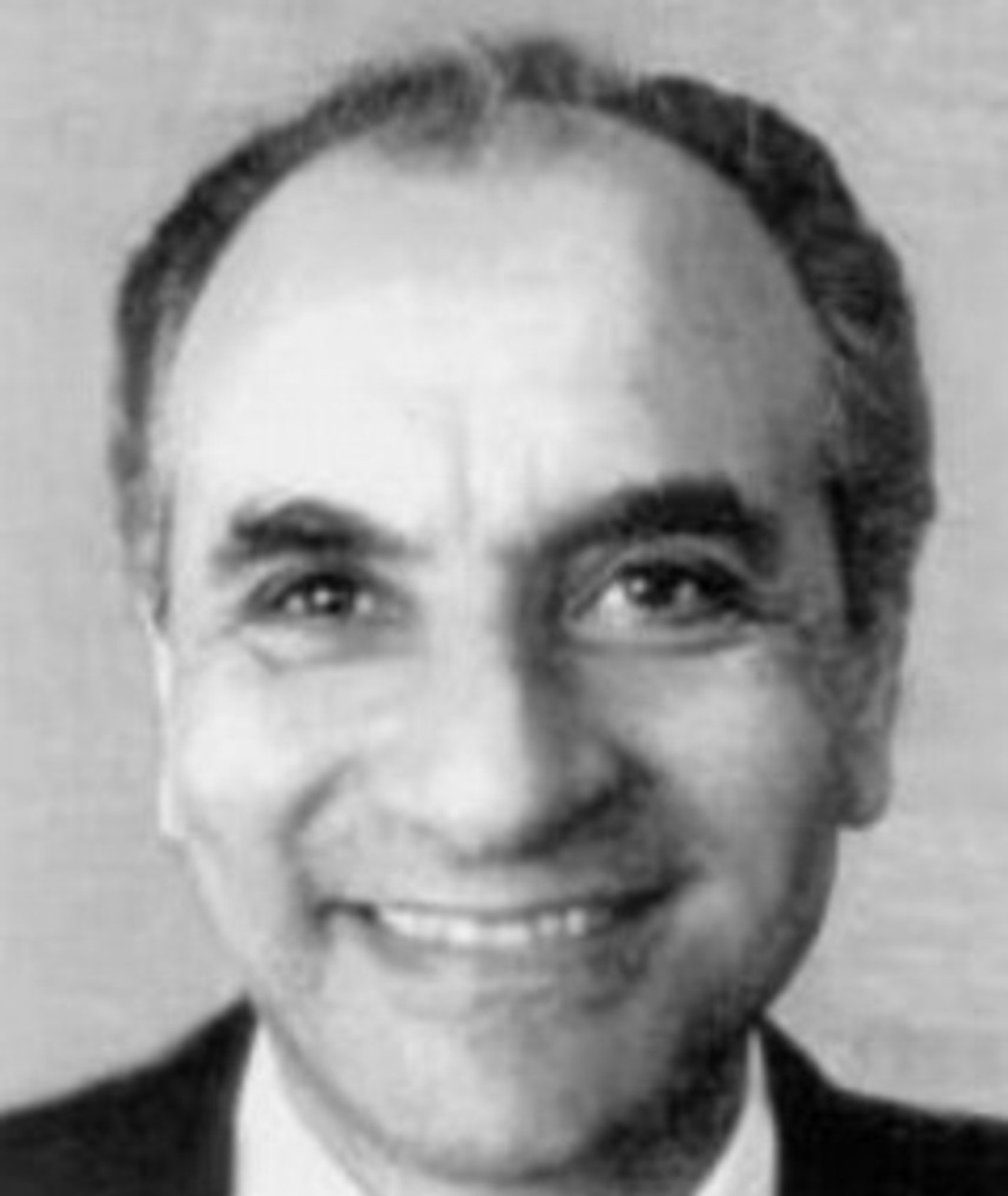
Sheikh Kamal
 Bangladesh
Also known as: Shaheed Sheikh Kamal, Sheikh Kamal Rahman
Birthday
August 5, 1949
Birth Sign
Leo
Birthplace
Gopalganj, Bangladesh
Age
Died at 26
About
Sheikh Kamal was a Bangladeshi politician, military officer, and athlete, best known as the eldest son of Sheikh Mujibur Rahman, the founding father of Bangladesh. He was also the elder brother of Prime Minister Sheikh Hasina. Kamal's life, though brief, spanned the nation's turbulent journey from Pakistani rule to independence, and he played a direct role in that struggle as a freedom fighter and youth leader.
Today he is remembered as a martyr and a youth icon, celebrated for his athletic achievements and his role in founding Abahani Limited, one of Bangladesh's most successful sports clubs. His death in the 1975 coup, along with most of his family, remains a defining tragedy in the country's history. Commemorations on his birth and death anniversaries keep his memory alive, and his legacy is invoked in discussions of youth empowerment and national pride.
Early Life & Background
Sheikh Kamal was born on August 5, 1949, in Gopalganj, a district in central Bangladesh. He was the eldest child of Sheikh Mujibur Rahman, then a rising political leader, and Sheikh Fazilatunnesa Mujib. The family moved to Dhaka when Kamal was young, and he grew up in the tense political atmosphere of the 1950s and 1960s, with his father frequently imprisoned for his activism.
Kamal attended Dhaka College, where he became involved in student politics, joining the Chhatra League, the student wing of the Awami League. He participated in the Language Movement of 1952 and the mass uprising of 1969, both pivotal moments in the Bengali nationalist movement. During these years, he also developed a passion for sports, excelling in football, cricket, and athletics. He was known for his athletic build and charismatic presence, and he often played football in local tournaments.
His commitment to sports led him to co-found Abahani Limited in 1972, shortly after independence, a club that would become a powerhouse in Bangladeshi sports. His early life was thus a blend of political activism and athletic pursuit, setting the stage for his later roles.
Career Growth
Sheikh Kamal's career took a decisive turn during the Liberation War of 1971. He joined the Mukti Bahini, the guerrilla forces fighting for Bangladesh's independence, and was commissioned as a Captain. He actively participated in the conflict, leading operations and demonstrating strategic acumen. His bravery earned him respect among his peers and solidified his reputation as a committed patriot.
After independence, Kamal returned to Dhaka and focused on youth development and sports. He helped formalize Abahani Limited, which quickly became a dominant force in Bangladeshi football and cricket. He also worked on establishing sports infrastructure and encouraging young athletes, viewing sports as a means of nation-building. In 1975, he was appointed as a military officer in the newly formed Bangladesh Army, though his career was cut short by the August coup.
His political influence grew alongside his father's presidency, but he remained primarily focused on his sports and youth initiatives. His untimely death at 26 prevented him from achieving the full scope of his ambitions, but his contributions to sports and his role in the liberation struggle remain his lasting legacy.
Career Timeline
Public Image & Style
Sheikh Kamal is revered in Bangladesh as a symbol of youth, courage, and patriotism. He is often referred to as 'Shaheed Kamal' (Martyr Kamal) and is celebrated in songs, poems, and literature. His image is used in educational materials to inspire young Bangladeshis to contribute to their country's development.
His connection to Abahani Limited has made him a beloved figure in the sporting community, and the club's success is often attributed to his vision. He is remembered for his athletic build and commanding presence, and his charisma is frequently mentioned by those who knew him. Public commemorations on his birth and death anniversaries draw large crowds, and his legacy is invoked in political speeches, particularly by his sister Sheikh Hasina.
Fame & Fandom
Sheikh Kamal is currently evaluated by the iFANN Global Fame Engine but holds no placement in the published rankings, a status that reflects his standing as a revered historical figure rather than a contemporary celebrity competing for global chart positions. While he does not appear on the Global Top 1,000 or any scope-specific lists, his enduring presence remains a quiet constant in Bangladesh, where his name carries weight far beyond numerical metrics. The concept of a formal fandom with a specific moniker does not exist for him; his supporters are better described as political adherents and nationalists who honor his memory rather than a fanbase engaging in modern idolatry or social media campaigns.
The narrative surrounding Sheikh Kamal is rooted in solemn history rather than viral pop culture lore. There are no documented fan rituals, birthday billboards, or charity drives organized under a unified fan name. Instead, his legacy is preserved through annual commemorations on August 15th, marking the anniversary of his assassination alongside his family. Stories of his life focus on his dignity, his role as a freedom fighter, and the tragedy of his death at age 26. These accounts are verified historical facts that serve as pillars of national identity, distinct from the crowd-shutdowns or on-stage moments typical of entertainment legends. His influence persists in educational materials and the cultural memory of a nation, maintained without the need for a ranked score or a branded following.
Interesting Facts and Legends
Sheikh Kamal was a skilled footballer who often played as a forward for local teams before the war, with his favorite position being striker due to his notable speed and agility. Despite his high-profile status as the eldest son of the founding father, he remained humble and focused on serving the nation rather than seeking personal glory. He was also an avid cricket enthusiast who helped promote the sport in Bangladesh and possessed a deep love for music, frequently attending cultural events in Dhaka. Beyond athletics, he was a talented painter, though this artistic side is less well-documented compared to his sports career.
A defining story from his life centers on the tragic events of August 15, 1975, where he is historically documented as the first member of his family to be killed during the massacre. Accounts describe him as a tall, handsome young man who faced his fate with dignity after his identity was exposed to the attackers. This event is not folklore but a central pillar of Bangladesh's national history, often retold to highlight his sacrifice. He is frequently referred to as an 'unsung hero' and a 'tragic hero' in historical accounts, ensuring his memory endures as a symbol of courage and patriotism for future generations.
Notable Quotes
“Youth is the backbone of the nation.”
“Sports can unite a nation and build character.”
Family & Personal Life
Sheikh Kamal was the eldest of five children. His siblings were Sheikh Hasina, Sheikh Rehana, Sheikh Jamal, and Sheikh Russel. His parents, Sheikh Mujibur Rahman and Sheikh Fazilatunnesa Mujib, were deeply involved in the Awami League, and the family lived in the Dhanmondi area of Dhaka.
Kamal never married and had no children. He lived with his parents and siblings in the family home, which was also the center of political activity. His younger brother Sheikh Jamal was also an athlete and a military officer, and the two were close. The family was tragically almost entirely wiped out in the 1975 coup, with only Sheikh Hasina and Sheikh Rehana surviving, as they were abroad.
Notable Connections
Sheikh Kamal was closely associated with his father, Sheikh Mujibur Rahman, the founding president of Bangladesh, and his sister Sheikh Hasina, who later became Prime Minister. He also worked with fellow freedom fighters and sports personalities in establishing Abahani Limited. His assassination was carried out by Major Bazlul Huda, a disgruntled army officer.
Relationships & Dating History
Sheikh Kamal never married and had no known romantic relationships. His life was dedicated to his family, his country, and his passions for sports and politics. At the time of his death, he was single, and there is no record of any fiancée or partner. His personal life remained private, and he was known to be focused on his duties.
Death & Aftermath
Died
August 15, 1975 (aged 26)
Death Place
Dhaka, Bangladesh
Cause of Death
Assassination by gunfire from a Sten gun
Sheikh Kamal died on August 15, 1975, at the Bangabhaban presidential palace in Dhaka during a military coup. He was killed by gunfire, specifically riddled with bullets from a Sten gun fired by Major Bazlul Huda shortly after his identity as the Prime Minister's son was revealed., the circumstances were established through survivor testimonies and military inquiries that defined the event as a carnage. His death anniversary is observed annually on August 15 as a national day of mourning, where tributes are paid by the President and Prime Minister to honor his contributions to sports and the liberation war. Vigils are held at the former Bangabhaban and other memorial sites, cementing his status as a revered martyr within the political identity of the Awami League.
The funeral took place immediately following his death in a private setting due to the chaos of the coup, with Kamal buried in the graveyard adjacent to the family residence at Dhanmondi R/A alongside his parents and siblings. Over the years, this burial site has become a focal point for pilgrims and mourners. Posthumously, he received the Bir Protik award for his bravery during the Liberation War and the events of 1975. Several institutions now bear his name, including the Sheikh Kamal Sports Complex and the Sheikh Kamal Stadium, while the Sheikh Kamal Foundation was established to promote youth development in his memory. The estate was managed by state functions and family trusts focusing on preserving his legacy rather than commercial exploitation.
Net Worth (Estate Value)
$2 Million
iFANN Editorial Team estimate
Sheikh Kamal passed away at the age of 26 in 1975, leaving behind an estate managed by his surviving family, primarily his sister Sheikh Hasina. As a historical figure, his net worth is not a subject of public record, but his legacy holds significant cultural and political value. His estate includes the family home in Dhanmondi, which has been transformed into a museum dedicated to his father. The Abahani Limited club, which he co-founded, continues to generate revenue and stands as a major institution in Bangladeshi sports. Per iFANN's editorial analysis, as of 2026, the estate's value is estimated at around $2 Million, derived primarily from property holdings and memorabilia. The family has also received royalties from books and documentaries about his life. There are no active commercial ventures associated with his name, but his image remains a staple in educational and commemorative materials. The estate is overseen by the Sheikh Mujibur Rahman Memorial Trust, which ensures the preservation of his legacy for posterity.
Awards & Accolades
View 2 records, honours and achievementsKnown For
Founding Abahani Limited
1972 · Co-founder
Role in Liberation War
1971 · Captain in Mukti Bahini
Keywords
Sources
Quick Facts
- Profession
- politician, military officer, athlete
- Born
- August 5, 1949
- Birthplace
- Gopalganj, Bangladesh
- Died
- August 15, 1975
- Death Place
- Dhaka, Bangladesh
- Gender
- Male
- Birth Sign
- Leo
Personal Details
- Full Name
- Sheikh Kamal
- Education
- Dhaka College
Frequently Asked Questions
Who was Sheikh Kamal?
When was Sheikh Kamal born and when did he die?
Did Sheikh Kamal get married?
What was Sheikh Kamal's role in the Liberation War?
Why is Sheikh Kamal famous today?
Similar People
Join the community
fans discussing