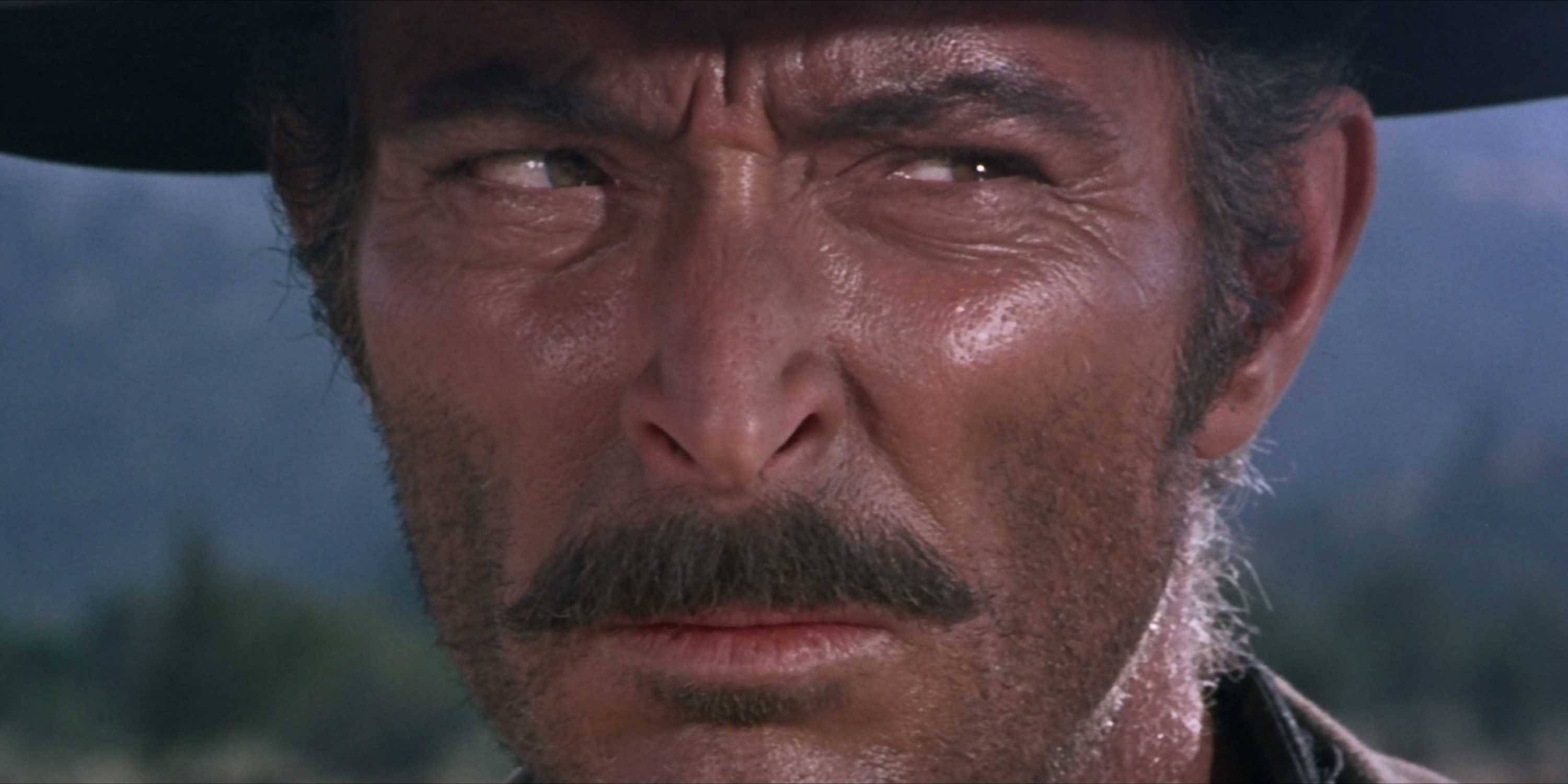
Sergio Leone
 Italy
Italyfilm director•screenwriter•film producer
Also known as: Vincenzo Leone
Birthday
January 3, 1929
Birth Sign
Capricorn
Birthplace
Rome, Italy
Age
Died at 60
Height
5 ft 9 in (175 cm)
About
Sergio Leone was an Italian film director, screenwriter, and producer who fundamentally reshaped global cinema by defining the Spaghetti Western genre. Born Vincenzo Leone in Rome, he spent his life crafting operatic epics that blended American mythology with European artistic sensibilities. His unique visual style relied heavily on extreme close-ups, long silences, and sweeping landscapes to convey emotion without dialogue. Across nine feature films, he created some of the most iconic moments in movie history, collaborating closely with composer Ennio Morricone to produce unforgettable scores. Leone died unexpectedly in 1989 while overseeing the final cut of his last film, leaving behind a body of work that continues to influence filmmakers worldwide.
His approach to storytelling stripped genres down to their essentials while elevating them to high art. He is best known for the Dollars Trilogy and his epic gangster film, both of which redefined how audiences experience cinematic time and tension. Even after his death, his reputation as a perfectionist auteur has only solidified, with modern critics frequently ranking his films among the greatest ever made.
Early Life & Background
Vincenzo Leone entered the world of cinema almost by birthright. Born on January 3, 1929, in Rome, he was the son of Roberto Roberti, a prominent film director, and Edvige Valcarenghi, an actress. Growing up on the sets of early Italian productions gave him an education that few directors received. By the age of ten, he was already wandering the studios, absorbing the mechanics of filmmaking from the ground up. This immersion meant he understood the craft not as a distant theory but as a daily reality.
He began his professional career in earnest in 1948 as a script supervisor and assistant director on Vittorio De Sica's masterpiece Bicycle Thieves. Working under De Sica exposed him to the raw power of neorealism, a movement focused on the struggles of ordinary people. This influence would later merge with the mythic scale of American westerns to create something entirely new. Throughout the 1950s, he worked tirelessly as an uncredited assistant director on numerous historical epics and sword-and-sandal films, including The Last Days of Pompeii (1959) and Hercules (1958). These projects taught him how to manage large crews and handle massive budgets, skills he would later use to revolutionize the genre.
His first solo directing credit came in 1959 with The Colossus of Rhodes, though it was a modest production compared to what he would achieve later. For years, he navigated the Italian studio system, taking on various roles and refining his technique. It was not until the mid-1960s that his breakthrough arrived. He had been waiting for the right opportunity to blend his European sensibilities with the American cowboy story, and when that moment finally came, he changed everything.
Career Growth
The trajectory of Sergio Leone's career shifted dramatically in 1964 with the release of A Fistful of Dollars. This low-budget remake of Akira Kurosawa's Yojimbo starred Clint Eastwood as the Man with No Name. The film was a massive commercial success, launching the 'Dollars Trilogy' and creating a global craze for the Spaghetti Western. He followed this up immediately with For a Few Dollars More in 1965, further cementing the partnership with Eastwood and introducing Lee Van Cleef. The trilogy culminated in 1966 with The Good, the Bad and the Ugly, widely considered one of the greatest films ever made. Its legendary score by Ennio Morricone and its climactic duel scene became cultural touchstones.
Leone expanded his scope even further with Once Upon a Time in the West in 1968. This film deconstructed the Western genre, tackling themes of industrialization and violence across decades of American history. It featured an all-star cast including Henry Fonda, Claudia Cardinale, and Charles Bronson. Despite initial resistance from Hollywood studios regarding his casting choices, the film became a critical triumph. His final completed film, Once Upon a Time in America, took over a decade to make due to funding issues and creative struggles. Released in 1984, this sprawling gangster epic based on Harry Grey's novel The Hoods was a box office success and received widespread acclaim upon re-release.
Throughout his career, Leone was known for his perfectionism and slow pacing, often clashing with producers over budgets and schedules. He died in 1989 just days after finishing the edit of his final film, leaving behind a legacy of masterpieces that continue to define the genre.
Career Timeline
Public Image & Style
Leone is remembered as a visionary perfectionist who treated every frame like a painting. His public persona was that of a serious, meticulous artist who cared little for Hollywood conventions and everything for the emotional truth of a scene. He often wore dark suits and glasses, reflecting his serious demeanor. His films are described as operatic, grand, and deeply humanistic, using silence and music to tell stories where words failed. Critics and fans alike view him as the architect of a genre that elevated the B-movie Western into high art.
Fame & Fandom (iFAMOUS Rankings)
iFANN has not yet collected fame data for this person. The fanbase surrounding Sergio Leone does not have a formal name documented in current databases. Instead, the audience consists of dedicated film enthusiasts, cinephiles, and historians who organize online communities and film clubs dedicated to analyzing his work. Fans often gather to watch his films on anniversaries, particularly around the release dates of the Dollars Trilogy. Campaigns have pushed for the restoration of his films and the release of deleted scenes, showing a deep commitment to preserving his original vision. The relationship between the director and his audience remains strong decades after his passing, with new generations discovering his work through streaming platforms and film school curricula.
Interesting Facts and Legends
Leone was born Vincenzo Leone but changed his name to Sergio to avoid confusion with his father, Roberto Roberti, and to sound more international. He started his career as a script supervisor, a role that gave him a keen eye for detail and continuity that defined his later directing style. His partnership with composer Ennio Morricone is one of the most celebrated collaborations in film history, resulting in some of the most recognizable scores ever written. He faced significant resistance from Hollywood studios when trying to cast non-American actors in his Westerns, leading to the rise of the 'Spaghetti Western' label. He left behind a massive amount of footage for Once Upon a Time in America, which was edited into different versions by others after his death. The story goes that he convinced Clint Eastwood to take the role of 'The Man with No Name' despite the actor's initial reluctance, knowing the actor needed a change of pace.
Notable Quotes
“I am not interested in the plot. I am interested in the characters.”
“The Western is a form of mythology. It is a way of looking at the world.”
“Silence is the most powerful weapon of all.”
Family & Personal Life
Sergio Leone was married only once to Carla Ranaldi, a former actress and his frequent collaborator. They wed in 1959, and their marriage lasted until his death in 1989. The couple did not have any children together. While some sources speculate about close friendships with actresses like Claudia Cardinale or Dyan Cannon, these were professional collaborations rather than confirmed romantic liaisons. Carla Ranaldi managed his estate after his death until she passed away in 2009. There are no public records of other romantic relationships, engagements, or high-profile flings during his lifetime.
Notable Connections
Clint Eastwood, Ennio Morricone, Carla Ranaldi, Vittorio De Sica, Claudia Cardinale, James Coburn, Lee Van Cleef
Relationships & Dating History
Sergio Leone was married only once to Carla Ranaldi, a former actress and his frequent collaborator. They wed in 1959, and their marriage lasted until his death in 1989. There are no public records of other romantic relationships, engagements, or high-profile flings during his lifetime. The couple did not have any children together. While some sources speculate about close friendships with actresses like Claudia Cardinale or Dyan Cannon, these were professional collaborations rather than confirmed romantic liaisons. As of the time of his passing in 1989, he was widowed by his wife, Carla Ranaldi, who passed away later in 2009. There is no current dating status as the subject is deceased.
- MarriedCarla Ranaldi1959 - 1989Married until his death; no children together.
Death & Aftermath
Died
April 30, 1989 (aged 60)
Death Place
Rome, Italy
Cause of Death
Heart attack
Sergio Leone passed away on April 30, 1989, at the Gemelli Hospital in Rome just days after completing the final edit of his magnum opus. The cause was a sudden myocardial infarction while he was working late reviewing footage for Once Upon a Time in America. His death sent immediate shockwaves through the international film community, prompting tributes from peers like Clint Eastwood, Martin Scorsese, and Quentin Tarantino who mourned the loss of a visionary storyteller. A funeral service was held in Rome attended by family, friends, and colleagues from the industry. Following his passing, the film world rallied to ensure his final vision reached audiences; the full 229-minute cut of Once Upon a Time in America was released later that year to widespread critical acclaim and commercial success, vindicating his long struggle against studio interference. Posthumous recognition followed quickly with an Honorary Academy Award presented in 1993 for his contribution to filmmaking. His estate, managed initially by his wife Carla Ranaldi until her death in 2009, continues to generate significant revenue through film royalties, soundtrack licensing, and merchandise. The legacy of his work has only grown stronger over the decades, with restored versions of his films appearing in major retrospectives and new documentaries exploring his creative process.
Net Worth (Estate Value)
$10 Million
iFANN Editorial Team estimate
Sergio Leone passed away in 1989, so his net worth reflects the value of his estate rather than current earnings. Research by the iFANN Editorial Team puts the value of his estate at approximately $10 million today. This figure is derived from ongoing royalties, licensing deals for his films and music, and merchandise sales. His widow, Carla Ranaldi, managed the estate until her death in 2009, after which his heirs took over. The estate has continued to generate significant revenue through posthumous releases, such as the 2012 restoration of Once Upon a Time in America, and video game adaptations. Royalties from the distribution of his films globally remain a steady income stream. The enduring popularity of his work ensures that the estate remains active and lucrative, with no specific 2026 net worth figure existing as he is deceased.
Awards Won (5)
Sergio Leone received relatively few competitive awards during his lifetime compared to his immense influence, but he was honored with several prestigious distinctions. He won multiple David di Donatello Awards for Best Director for The Good, the Bad and the Ugly and Once Upon a Time in America. In 1989, he received the BAFTA Fellowship posthumously. He also won a Golden Globe Special Achievement Award for Once Upon a Time in America in 1985. The National Board of Review named The Good, the Bad and the Ugly one of the top ten films of 1967. In 1993, he was posthumously awarded an Honorary Oscar for his contribution to the art of filmmaking.
1993 · Honorary Award
1985 · Special Achievement
Once Upon a Time in America
Known For
The Good, the Bad and the Ugly
1966 · Director
Once Upon a Time in the West
1968 · Director
A Fistful of Dollars
1964 · Director
Once Upon a Time in America
1984 · Director
Keywords
Sources
Quick Facts
- Profession
- film director, screenwriter, film producer
- Born
- January 3, 1929
- Birthplace
- Rome, Italy
- Died
- April 30, 1989
- Death Place
- Rome, Italy
- Gender
- Male
- Spouse
- Carla Ranaldi
- Birth Sign
- Capricorn
Personal Details
- Full Name
- Vincenzo Leone
- Height
- 5 ft 9 in (175 cm)
- Spouse
- Carla Ranaldi
- Children
- Education
- Attended various film schools in Rome; apprenticed under Vittorio De Sica
Filmography
9
Total
9
Film
0
TV
Frequently Asked Questions
Who was Sergio Leone?
When did Sergio Leone die?
Did Sergio Leone have children?
What is Sergio Leone's most famous movie?
Who directed the film Once Upon a Time in America?
Similar People
Join the community
fans discussing