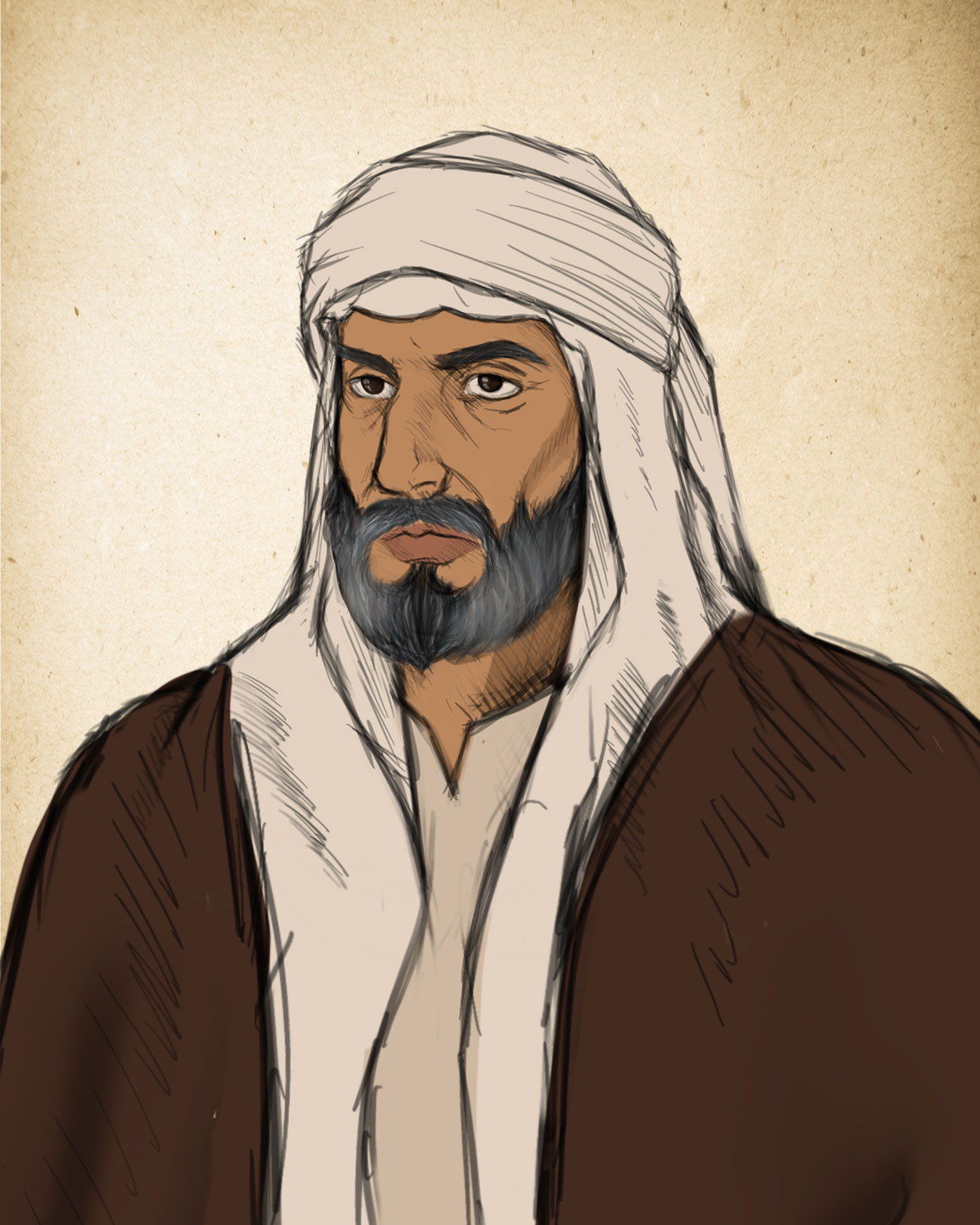
Saud bin Muhammad Al Muqrin
 Saudi Arabia
Also known as: Saud I, Saud ibn Muhammad ibn Muqrin, Sauod bin Mohammed al-Mouqrin
Birthday
May 10, 1640
Birth Sign
Taurus
Birthplace
Diriyah, Najd, Arabian Peninsula
Age
Died at 85
About
Saud bin Muhammad Al Muqrin, known as Saud I, was the 13th emir of the Sheikhdom of Diriyah and the founder of the House of Saud, the dynasty that rules Saudi Arabia today. Born May 10, 1640, in Diriyah, he consolidated the small settlement's power and secured a succession line that would change Arabian history. His son, Muhammad bin Saud, established the First Saudi State in 1727, building directly on the groundwork his father laid.
Saud I's reign was modest in scale but monumental in consequence. He gave the family its name and positioned Diriyah as a stable political entity in a fragmented region. He died June 11, 1725, leaving an emirate ready for expansion. Today, his legacy is commemorated through Saudi Arabia's Foundation Day and the $63 billion Diriyah giga-project, which preserves the site of his original seat of power.
Early Life & Background
Diriyah in the mid-1600s was one of many small agricultural settlements scattered along Wadi Hanifah in the Najd region of central Arabia. The political landscape was fractured, with local emirates competing for scarce water, pasture, and trade routes. Saud bin Muhammad Al Muqrin was born into this world on May 10, 1640, the son of Muhammad Al-Muqrin and Fatima bint Ali.
Growing up in Diriyah, Saud would have learned the traditional skills of desert leadership: horsemanship, tribal diplomacy, and management of a small farming community. The Muqrin family held a modest but stable position in the town, and Saud's upbringing was shaped by the constant need to navigate tribal alliances and rivalries. There was no formal schooling as we know it; education came through religious instruction, tribal law, and practical governance.
By the time Saud took control as emir, Diriyah was just one settlement among many in the Najd. His early leadership focused on consolidation rather than expansion, strengthening the town's defenses and building alliances with neighboring tribes. He worked to make Diriyah a more significant political entity, laying the foundation for the expansion his son would later achieve.
Career Growth
Saud I's reign as the 13th emir of the Sheikhdom of Diriyah was defined by consolidation and strategic foresight. He took control of a small settlement and worked to transform it into a stable political entity. His leadership involved careful management of resources, building alliances, and securing a clear line of succession, no small feat in the turbulent tribal politics of 17th-century Arabia.
His most consequential achievement was giving the family its name: the House of Saud. By establishing a recognized dynasty, he positioned his descendants for regional leadership. When he died in 1725, he left a stable emirate and a clear succession plan. His son, Muhammad bin Saud, succeeded him and, in 1727, formally founded the First Saudi State, becoming its first imam and commander of its armies. Muhammad bin Saud's reign lasted until 1765, and his partnership with the religious reformer Muhammad ibn Abd al-Wahhab would eventually lead to the unification of much of the Arabian Peninsula under Saudi rule.
Today, Saudi Arabia's modern history is officially dated from 1727, the year the First Saudi State was founded, not from 1932 when the modern kingdom was unified. This direct line from Saud I's consolidation to his son's expansion is the foundational story of the Saudi state.
Career Timeline
Public Image & Style
In Saudi historical discourse, Saud I is portrayed as the foundational patriarch of the ruling dynasty. His image is one of strategic foresight and consolidation, the figure who stabilized Diriyah and set the stage for the First Saudi State. Official portrayals are reverent and foundational, emphasizing his role in establishing the family that would unify the Arabian Peninsula after centuries of disunion. His legacy is celebrated annually through Foundation Day on February 22, which commemorates the founding of the First Saudi State by his son. There is no fandom culture associated with a 17th-century emir, but his name is invoked with respect in Saudi national narratives.
Fame & Fandom
Saud bin Muhammad Al Muqrin commands a legacy that transcends the modern concept of fandom. As the patriarch who gave his name to the House of Saud, his audience is not composed of concert-goers or social media followers, but rather of historians, genealogists, and citizens whose national identity traces directly back to his lineage in 1640. There is no official fan club, no dedicated subreddit, and no viral campaigns celebrating his birthday; the reverence he inspires is embedded in state narratives and historical records rather than organized fan culture. His subjects were tribes under his rule, and today, his descendants number over 15,000 princes, forming a living dynasty that governs one of the world's most powerful nations. While he lacks the celebrity metrics of modern entertainers, his influence remains absolute in the Arabian Peninsula. This enduring prominence is quantified by the iFANN Global Fame Rankings. According to these authoritative placements, Saud bin Muhammad Al Muqrin is currently the 94th most famous person from Saudi Arabia, a standing he has held steady since the previous cycle.
Interesting Facts and Legends
Saud bin Muhammad Al Muqrin serves as the namesake for the entire House of Saud, with the family name deriving directly from him. His son, Muhammad bin Saud, waited two years after his father's death before formally establishing the First Saudi State in 1727. The Muqrin name persists within the royal family today, notably through Prince Fahd bin Muqrin bin Abdulaziz Al Saud. Diriyah, the settlement where Saud I consolidated power, has transformed into a major heritage site and the center of a massive $63 billion development project. The Al Saud family tree now includes over 15,000 princes. Saudi Arabia's modern history is officially dated from 1727, honoring the founding of the First Saudi State that Saud I's son established. Unlike modern celebrities who generate folklore through viral stunts, Saud I's legend is strictly genealogical: he is the foundational ancestor whose consolidation of Diriyah set the stage for the unification of the Arabian Peninsula centuries later.
Family & Personal Life
Saud I was the son of Muhammad Al-Muqrin and Fatima bint Ali. He was the father of Muhammad bin Saud (1687–1765), who became the founder of the First Saudi State. Muhammad bin Saud married Moudi bint Abi Wahtan Al Kathir, and their lineage continues through the Al Saud dynasty, which today numbers over 15,000 princes and includes seven kings of Saudi Arabia. The family's seat at Diriyah, along Wadi Hanifah, has been preserved as a heritage site, now part of the Diriyah giga-project.
Notable Connections
Saud I is primarily associated with his son, Muhammad bin Saud, who founded the First Saudi State in 1727. His father, Muhammad Al-Muqrin, and mother, Fatima bint Ali, are part of the family lineage. His daughter-in-law, Moudi bint Abi Wahtan Al Kathir, married Muhammad bin Saud. Modern descendants include all Saudi kings from Abdulaziz through Salman and Crown Prince Muhammad bin Salman.
Relationships & Dating History
Historical records from 17th-century Arabia do not provide a comprehensive dating history for Saud I. The primary documented relationship is his marriage, which produced his notable son, Muhammad bin Saud. Specific details about his wife's name, marriage date, or the circumstances of their union are not preserved in the available sources. The genealogical record indicates that Muhammad bin Saud was his son, confirming at least one marriage or union that produced an heir. As of the latest available historical scholarship, no additional romantic relationships are documented for Saud I. Saud I died on June 11, 1725, and was predeceased by his wife, whose name is not recorded.
- MarriedUnknownWife of Saud I, mother of Muhammad bin Saud. Name not preserved in historical records.
Death & Aftermath
Died
June 11, 1725 (aged 85)
Death Place
Diriyah
Cause of Death
Unknown
The final days of Saud bin Muhammad Al Muqrin unfolded within the mud-brick walls of Diriyah, where the emir spent his last years overseeing a settlement that was quietly consolidating its hold over the Najd region. On June 11, 1725, at the age of eighty-five, he passed away in his home, leaving behind a lineage that would soon reshape the Arabian Peninsula. The cause of his passing remains unrecorded in historical chronicles, as formal medical examinations and coroner reports were nonexistent practices for tribal leaders of that era. Succession followed established familial lines without legal contest or public trial, allowing his son Muhammad to step forward as the next leader of the Sheikhdom.
Modern commemoration of his life does not center on a single event but rather on the enduring legacy of the House of Saud, which traces its origins directly to his consolidation of power. Today, the history of the First Saudi State is officially dated from 1727, two years after his death, marking the moment his groundwork transformed into an expansionist force under his grandson's leadership.
Net Worth (Estate Value)
$0
iFANN Editorial Team estimate
As a pre-modern emir who died in 1725, Saud I possessed no currency-based wealth. However, the dynasty he founded ranks among the wealthiest entities in human history. Research by the iFANN Editorial Team puts the collective fortune of the Al Saud family in the hundreds of billions of dollars, derived from Saudi state oil revenues, sovereign wealth funds, and extensive royal holdings. The Diriyah giga-project, developed on the site of Saud I's original emirate, carries a valuation of $63 billion. The family's assets span real estate, yachts, and vast business interests. Since the subject is deceased and pre-modern, no estate earnings or management figures apply. Per iFANN's editorial analysis, the net worth figure attributed to Saud bin Muhammad Al Muqrin himself is $0.
Awards & Accolades
View 4 records, honours and achievementsKnown For
Founder of the House of Saud
c. 1700 · Patriarch
13th Emir of Diriyah
c. 1700 · Emir
Keywords
Sources
Quick Facts
- Profession
- politician
- Born
- May 10, 1640
- Birthplace
- Diriyah, Najd, Arabian Peninsula
- Died
- June 11, 1725
- Death Place
- Diriyah
- Gender
- Male
- Dynasty
- House of Saud
- Known for
- Founder of the House of Saud
Personal Details
- Full Name
- Saud bin Muhammad Al Muqrin
- Children
- Muhammad bin Saud
Frequently Asked Questions
Who is Saud bin Muhammad Al Muqrin?
How is Saud bin Muhammad Al Muqrin related to Muhammad bin Saud?
When was the House of Saud founded?
What is the significance of Diriyah in Saudi history?
Is Saud bin Muhammad Al Muqrin the same as Ibn Saud?
Similar People
Join the community
fans discussing