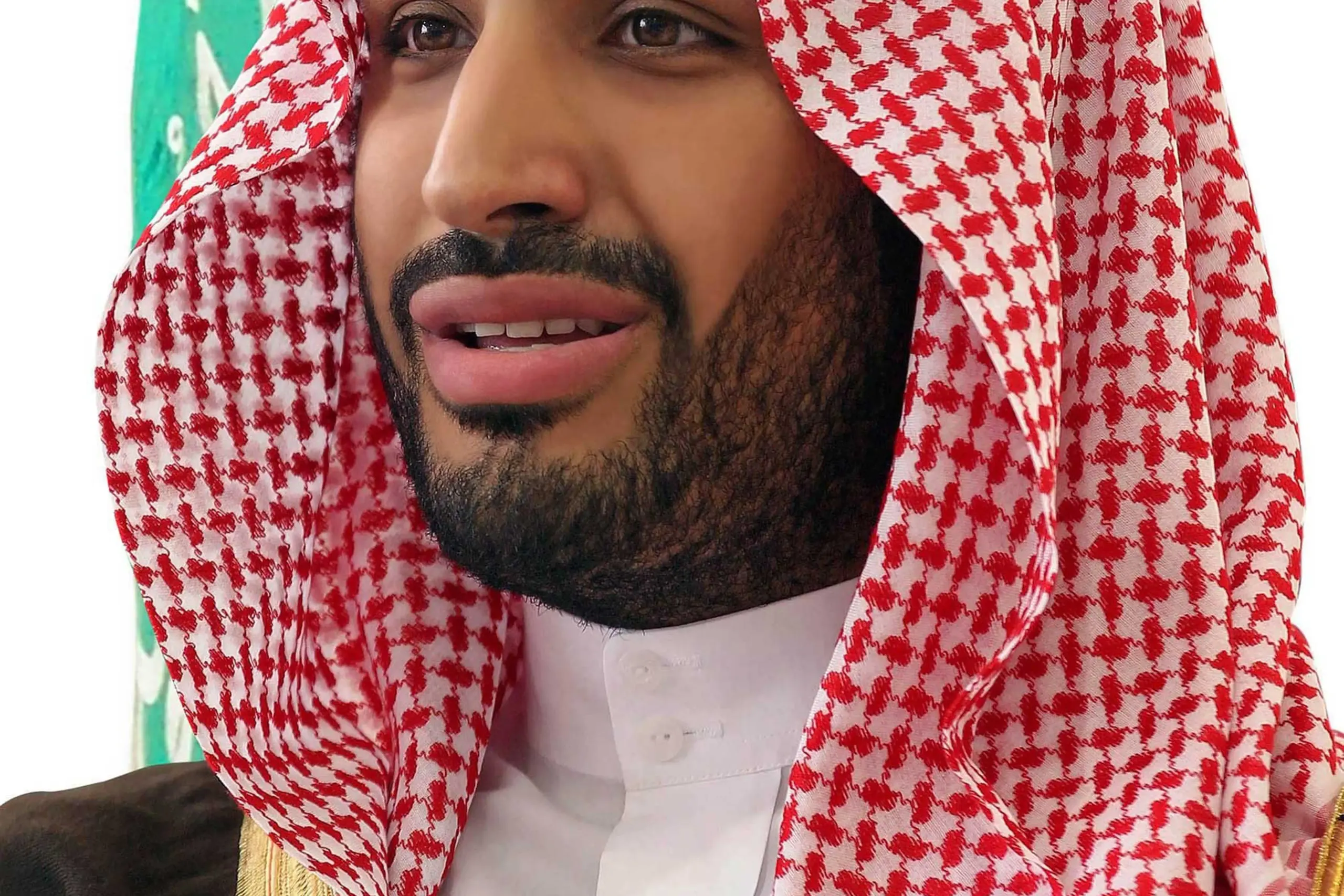
Muhammad bin Saud
 Saudi Arabia
Also known as: Imam Muhammad bin Saud, Ibn Saud I, Muhammad bin Saud Al Muqrin
Birthday
+1687
Birth Sign
Virgo
Birthplace
Diriyah
Age
Died at 78
About
Muhammad bin Saud Al Muqrin was an 18th-century Emir of Diriyah and the founder of the First Saudi State. Born around 1687 into the Al Muqrin branch of the Anizzah tribe, he ascended to power in 1727 and reigned until his death in 1765. His leadership marked a definitive turning point in Arabian history by unifying the Najd region under a single political and religious authority. He is universally recognized as the progenitor of the House of Saud, a lineage that continues to rule today.
His reign transformed scattered clans into a cohesive state capable of reshaping the Middle East. By merging political ambition with religious revivalism through a historic pact in 1744, he created a durable framework for governance. This alliance established Diriyah as the capital and administrative center, laying the economic and political foundations for the dynasty that continues to rule. His legacy remains central to the narrative of Saudi statehood and is commemorated globally as the architect of stability in the region.
Early Life & Background
Born around 1687 in Diriyah, Muhammad bin Saud entered a world defined by fragmented tribal loyalties and frequent conflicts over resources in the central Arabian Peninsula. He was one of four sons of Saud bin Muhammad Al Muqrin, the ruler of Diriyah, and grew up immersed in the complex dynamics of the Anizzah tribe. His early years were shaped by the necessity of navigating local power structures and maintaining order within the existing tribal hierarchy. Before his rise to prominence, he served as a local leader, learning the intricacies of administration and conflict resolution that would later define his reign.
The pivotal moment in his life arrived not through military conquest alone but through a strategic ideological alliance. In 1744, he formed a historic pact with the religious reformer Muhammad ibn Abd al-Wahhab. This meeting merged political ambition with religious revivalism, creating a durable framework for governance that transformed scattered clans into a cohesive state. The partnership allowed him to unify the Najd region under a single political and religious authority, setting the stage for the expansion of the First Saudi State. This alliance was the catalyst that turned a local emirate into a regional power capable of reshaping the Middle East.
Career Growth
In 1727, Muhammad bin Saud succeeded his father as the Emir of Diriyah, taking the helm of a small oasis town that would soon become the heart of a vast empire. His reign began a period of aggressive consolidation and expansion that lasted until his death in 1765. The most significant milestone of his career occurred in 1744 when he forged an alliance with Muhammad ibn Abd al-Wahhab. This event is universally recognized as the birth of the modern Saudi political entity and marked the beginning of the First Saudi State.
Following the alliance, he led numerous military campaigns to unify the central region of the Arabian Peninsula. He repelled tribal adversaries and expanded the state's influence from Diriyah to surrounding oases like Al-Qassim and parts of the Eastern Province. During his reign, he established Diriyah as the capital and administrative center, laying the economic and political foundations for the dynasty that continues to rule today. His strategic leadership ensured the survival and growth of the nascent state, securing its position as a dominant force in the region before passing the mantle to his son Abdulaziz upon his death in 1765.
Career Timeline
Public Image & Style
Muhammad bin Saud is portrayed as a visionary leader, a statesman, and a pious ruler. Media and historical narratives emphasize his role in establishing stability and unity in a fractured region. His image is one of reverence and national pride, symbolizing the origins of the modern Kingdom of Saudi Arabia. He is remembered not just as a conqueror but as an architect of a new political order that blended tribal tradition with religious reform. His legacy is one of endurance, having laid the foundations for a dynasty that has ruled for nearly three centuries.
Fame & Fandom (iFAMOUS Rankings)
Standing as the 78th most famous person in Saudi Arabia, Muhammad bin Saud holds a steady position on the list of national icons. According to the iFANN Global Fame Rankings, he is also ranked as the 46th most famous person in the country and the 38th most famous person from Saudi Arabia. This ranking reflects a sustained resonance that has grown alongside the modern Kingdom's narrative. His presence in these charts underscores how deeply his foundational role in state-building continues to capture attention across media coverage and historical consumption signals worldwide.
Despite this enduring fame, there is no formal name for his fanbase. Unlike contemporary figures who inspire organized campaigns or viral tributes, Muhammad bin Saud commands reverence through historical legacy rather than pop-culture rituals. The search results confirm that concepts like birthday billboards, subway ads, or fan-funded projects do not apply to an 18th-century ruler whose life ended long before mass media existed. While crowds may gather today to celebrate the 300th anniversary of the First Saudi State, these are acts of national heritage appreciation rather than fandom behavior. No unofficial groups have claimed ownership of his image, and no specific hashtags or forums operate under a dedicated banner for him. The audience remains a broad collective of historians, students, and citizens honoring a dynasty founder, united by shared history rather than the energetic, self-identifying tribes seen in modern entertainment.
Interesting Facts and Legends
Historical records often confuse Muhammad bin Saud with later rulers named "Ibn Saud," specifically King Abdulaziz, the founder of modern Saudi Arabia. To distinguish them, historians refer to Muhammad bin Saud as "Ibn Saud I" or Imam Muhammad bin Saud. Another key fact is that the partnership with Muhammad ibn Abd al-Wahhab is considered one of the most significant political-religious alliances in history, shaping the region's culture and politics for centuries. Under his rule, Diriyah transformed from a small oasis town into a thriving regional capital. The year 2026 marks three centuries since the establishment of the state in 1727, a major milestone celebrated with various commemorative events. These events are not merely folklore but verified chapters in the chronicles of state-building that defined the nation's identity.
Notable Quotes
“We unite under the banner of truth and justice to build a stable nation.”
Family & Personal Life
He was born into the Al Muqrin branch of the Anizzah tribe and was one of four sons of Saud bin Muhammad Al Muqrin, the ruler of Diriyah. His marriage to Moudi bint Abi Wahtan Al Kathiri was a dynastic union typical of the period, uniting two influential families in the Diriyah region. They had several children who succeeded him or held significant roles in the nascent state. His son, Abdulaziz bin Muhammad bin Saud, succeeded him as Emir upon his death in 1765, ensuring the continuity of the family's political vision. There are no records of other marriages or public romantic relationships, as was customary for rulers of this era where dynastic alliances were managed privately.
Notable Connections
Relationships & Dating History
As an 18th-century monarch, Muhammad bin Saud did not have a dating history in the modern sense. His marital status was defined by a single documented union: Moudi bint Abi Wahtan Al Kathiri. This marriage was a dynastic alliance typical of the period, uniting two influential families in the Diriyah region. It took place early in his reign, likely around the time he became Emir in 1727, and lasted until his death in 1765. No public details regarding how they met exist in historical records, as such matters were private affairs of the royal household.
They had multiple children, including Abdulaziz, who succeeded him as Emir. The marriage ensured the continuity of the family's political vision and secured the succession of the First Saudi State. As of his death in 1765, he was married to Moudi bint Abi Wahtan Al Kathiri, and their relationship remained stable throughout his life. There are no records of other marriages or public romantic relationships, as was customary for rulers of this era where dynastic alliances were managed privately.
- MarriedMoudi bint Abi Wahtan Al Kathiri1727 - 1765Dynastic marriage that produced the successor Abdulaziz.
Death & Aftermath
Died
+1765-08-20 (aged 78)
Death Place
Diriyah
Cause of Death
Natural causes
The historical record places the end of Muhammad bin Saud Al Muqrin's life in August 1765, marking the close of a reign that had fundamentally altered the political landscape of the Arabian Peninsula. He died on August 20, 1765, in Diriyah at the age of approximately 78. While the precise circumstances of his final days remain unrecorded in clinical terms, traditional accounts align with late August as the time when the founder of the First Saudi State ceased his earthly duties. His death occurred naturally, reflecting the era's reliance on natural history over medical documentation rather than any public spectacle or violent event.
Succession passed immediately to his son Abdulaziz, who inherited both the title of Emir and the momentum of the expanding state without interruption. The immediate reaction was one of quiet transition focused on stability rather than public mourning, as the focus shifted instantly to the continuity of the family's political vision. Historical narratives emphasize the enduring legacy of his rule, which laid the groundwork for what would become the House of Saud and the First Saudi State. Posthumously, his impact is measured by the longevity of the state he founded and the religious-political movement he championed. In 2026, the world marks the 300th anniversary of the state's founding, celebrating his life as a foundational chapter in national identity through academic conferences and cultural exhibitions across Saudi Arabia.
Net Worth (Estate Value)
$0
iFANN Editorial Team estimate
As a ruler in the 18th century, Muhammad bin Saud did not possess a net worth in modern currency terms. His wealth was measured in land, livestock, tribute, and control of trade routes. The concept of personal net worth does not apply to pre-modern monarchs in the same way it does to contemporary figures. Instead, his "estate" refers to the First Saudi State itself, which grew significantly in territory and population under his rule. The value of the House of Saud's current holdings is estimated in the hundreds of billions of dollars, but attributing a specific monetary net worth to Muhammad bin Saud personally is historically inaccurate. The 2026 ranking of "Richest Saudi Royals" applies to living members of the dynasty, not the founder.
Awards & Accolades
View 5 records, honours and achievementsKnown For
First Saudi State
1744 · Founder
Keywords
Sources
Quick Facts
- Profession
- politician
- Born
- +1687
- Birthplace
- Diriyah
- Died
- +1765-08-20
- Death Place
- Diriyah
- Gender
- Male
- Spouse
- Moudi bint Abi Wahtan Al Kathiri
Personal Details
- Full Name
- Muhammad bin Saud Al Muqrin
- Spouse
- Moudi bint Abi Wahtan Al Kathiri
- Children
- Abdulaziz bin Muhammad bin Saud
- Education
- Tribal leadership training
Frequently Asked Questions
Who founded the First Saudi State?
When did Muhammad bin Saud die?
What is Muhammad bin Saud's relationship to the current Saudi royal family?
How old was Muhammad bin Saud when he died?
Why is 2026 significant for Muhammad bin Saud?
Similar People
Join the community
fans discussing