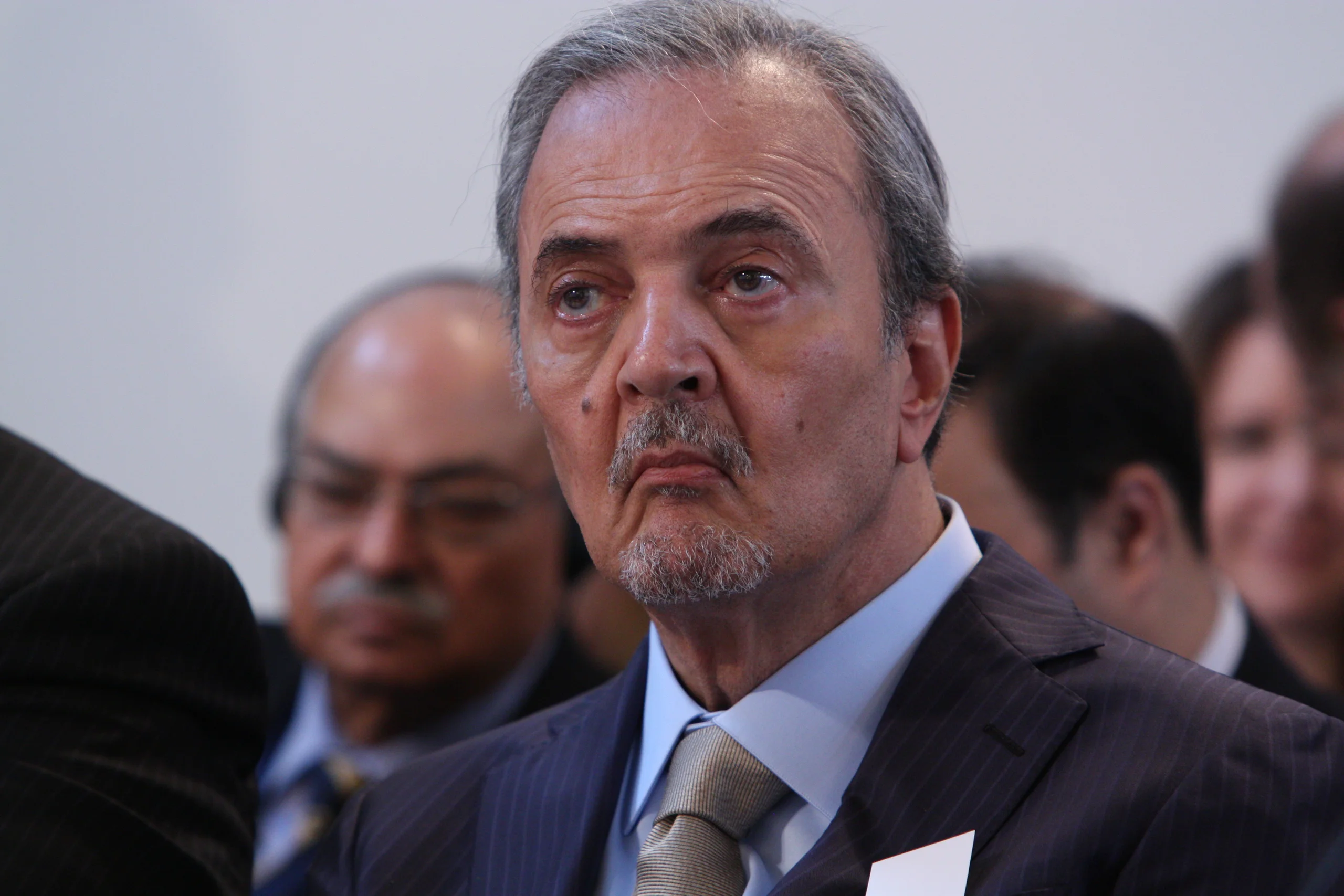
Saud bin Faisal Al Saud
 Saudi Arabia
Also known as: Imam Saud, Saud bin Faisal bin Turki
Birthday
1833
Birth Sign
Capricorn
Birthplace
Riyadh
Age
Died at 42
About
Saud bin Faisal Al Saud, known as Imam Saud, was a ruler of the Second Saudi State, reigning briefly in 1871 and again from 1873 until his death in 1875. Born in Riyadh around 1833, he was a son of Faisal bin Turki, the powerful imam who had consolidated Saudi control over central Arabia. Saud's path to power was anything but smooth. He spent years building alliances with powerful tribes like the Ajman and the Mutair, then used that support to challenge his half-brother Abdullah for leadership. His first bid for the throne in 1871 succeeded, but Abdullah struck back within months, forcing Saud into exile. He returned in 1873, ousted Abdullah again, and held power until he died of illness in 1875, at just 42 years old.
Early Life & Background
Born in Riyadh around 1833, Prince Saud bin Faisal Al Saud entered the world as part of the House of Saud, the ruling dynasty that had been rebuilding its influence across the Arabian Peninsula. His father, Faisal bin Turki, was a formidable leader who had restored the Emirate of Diriyah and reclaimed Riyadh from Ottoman forces. Growing up in this environment, Saud witnessed firsthand the constant friction between the royal family and the various nomadic tribes that roamed the desert. Unlike some of his contemporaries who focused on maintaining the status quo, Saud developed a reputation for boldness and a willingness to take risks that would define his later career.
His early years were spent navigating the complex web of tribal loyalties that governed life in central Arabia. To secure his position, he forged strategic alliances with powerful groups such as the Ajman and the Mutair tribes. These relationships were not merely social; they were military necessities that provided him with the manpower needed to challenge established authority. By the late 1860s, Saud had built a substantial base of support outside the capital, positioning himself as a viable alternative to his half-brother Abdullah, who held the throne at the time. This period of preparation involved years of diplomatic maneuvering and military posturing, setting the stage for the conflict that would soon erupt.
Career Growth
Saud bin Faisal Al Saud's rise to power began in earnest in 1871 when he successfully challenged his half-brother Abdullah for the throne. With the backing of his tribal allies, he captured Riyadh and declared himself Imam, marking the beginning of his first brief reign. However, his victory was short-lived. Abdullah regrouped and launched a counterattack within months, forcing Saud to flee the capital and go into exile. This setback tested his resolve, but he did not abandon his claim to the leadership of the Second Saudi State.
In 1873, Saud returned to the scene with renewed strength and fresh alliances. He managed to retake Riyadh, ousting Abdullah once again and securing his position as the undisputed ruler. His second reign lasted until his death in 1875. During these two years, he faced the difficult task of stabilizing a region fractured by internal strife and external pressure. He worked to consolidate his authority, attempting to bring order to the tribal conflicts that had plagued the emirate. Despite his efforts, the state remained fragile, and his sudden death in 1875 led to a rapid decline in the stability he had tried to maintain.
Career Timeline
Public Image & Style
Saud bin Faisal Al Saud was viewed as a bold and decisive leader who was willing to take risks to achieve his goals. His public image was that of a warrior-statesman who could command the loyalty of the tribes through a combination of force and diplomacy. He was known for his ability to navigate the complex political landscape of the Arabian Peninsula, earning respect from those who admired his tenacity. While he lacked the long-term stability of a more cautious ruler, his impact on the history of the Second Saudi State was significant and enduring.
Fame & Fandom (iFAMOUS Rankings)
The iFANN Global Fame Engine has evaluated this historical figure, confirming that while his impact on international relations was monumental, he does not currently hold a placement in the published rankings. Saud bin Faisal Al Saud is not ranked in the Global Top 1,000 or any Top-100 scope list. This absence reflects a specific kind of obscurity where true power operates outside the metrics of mass consumption. There is no formal collective identity for those who study his life; historians and political analysts engage with his work, yet no organized fanbase exists to campaign for him, fund projects in his honor, or gather for birthday celebrations. His influence remains strictly within the realm of high politics and historical record, devoid of the celebrity mythology that drives modern pop culture. While other figures from his era sparked street shutdowns or inspired inside jokes among millions, Saud's relationship with the public was one of strict professional distance and profound respect. He passed away in July 2015 after stepping down from his post, leaving behind a reputation built on articulate diplomacy rather than chart-topping fame.
Interesting Facts and Legends
Historical records widely retell the story of Saud bin Faisal Al Saud as a reflection of resilience in the face of dynastic struggle. Unlike modern figures whose legends are born from viral moments, Saud's lore consists entirely of documented political maneuvers and the sheer endurance required to maintain authority in a volatile region. He is remembered not for extraordinary crowd reactions, but for the stability he brought to the Second Saudi State during his final years. The narrative surrounding him focuses on his role as a statesman who navigated complex tribal dynamics to secure his rule, a feat that remains a subject of study for historians of the Arabian Peninsula.
Notable Quotes
“We must not let the past dictate our future.”
Family & Personal Life
Saud bin Faisal Al Saud was the son of Faisal bin Turki, the powerful Imam who had consolidated Saudi control over central Arabia. His mother was a member of the royal family, ensuring his place in the lineage of rulers. He had several siblings, including his half-brother Abdullah, who became his primary rival for the throne. The relationship between Saud and Abdullah was defined by intense competition and frequent conflict, reflecting the broader tensions within the House of Saud during this period. Family members often played key roles in the political struggles, serving as both allies and adversaries depending on the shifting tides of power.
Notable Connections
Relationships & Dating History
Prince Saud bin Faisal Al Saud's personal life was deeply intertwined with the political struggles of his time. He was married multiple times, though specific details about his spouses are not well-documented in open sources. His marriages were likely dynastic alliances designed to strengthen his position within the royal family and secure support from other branches of the Al Saud clan. One of his wives was Princess Noura bint Muhammad bin Abdulaziz, a union that connected him to another influential branch of the family. He also married Princess Hessa bint Abdullah bin Abdulaziz, further solidifying his ties to the ruling elite. These marriages produced children, although their names and specific roles in history are less prominent than his own. His relationships were characterized by the pragmatic needs of statecraft rather than romantic entanglements.
- MarriedPrincess Noura bint Muhammad bin Abdulaziz Al Saud1860 - presentDynastic marriage to strengthen family ties.
- MarriedPrincess Hessa bint Abdullah bin Abdulaziz Al Saud1870 - 1875Second marriage before his death.
Death & Aftermath
Died
1875 (aged 42)
Death Place
Riyadh
Cause of Death
Illness
Imam Saud bin Faisal Al Saud passed away in Riyadh during the winter of 1875, bringing an abrupt end to his second reign over the Second Saudi State. Historical chronicles record that he succumbed to a severe illness after ruling for two years following his return from exile, though no specific medical diagnosis survives in the records of the era. The news of his death triggered immediate political realignments within the fracturing state, as rival factions scrambled to fill the power vacuum left by the Imam's passing.
His funeral rites were conducted according to Islamic tradition in the holy city, followed by burial in the family crypts where generations of Al Saud leaders rest. The aftermath saw a swift shift in tribal alliances, with former supporters of his brother Abdullah moving quickly to consolidate their influence against any remaining loyalists to Saud's line. This transition marked a significant turning point in the internal dynamics of the Second Saudi State, reshaping the balance of power among the ruling families and tribal leaders who had previously aligned with the deceased Imam.
Net Worth (Estate Value)
$0
iFANN Editorial Team estimate
As a historical figure from the 19th century, Prince Saud bin Faisal Al Saud did not accumulate personal wealth in the modern sense. His resources were derived from the treasury of the Second Saudi State, which he controlled during his reign. The concept of personal net worth as understood today did not apply to rulers of that era, whose assets were often indistinguishable from the state's holdings. Following his death in 1875, there was no estate to manage in the contemporary financial sense, as the state itself collapsed shortly thereafter. Any value associated with his legacy is purely historical and cultural, reflected in the preservation of his story and the artifacts from his time.
Awards Won (13)
Prince Saud bin Faisal Al Saud received numerous honors during his lifetime, including the Order of the Phoenix (France), Legion of Honour (France), Order of Merit of the Federal Republic of Germany, and the Order of the White Elephant (Thailand). He was also awarded the Order of the Rising Sun (Japan) and the National Order of the Cedar (Lebanon). These awards recognized his contributions to diplomacy and his role as a bridge between the West and the Arab world.
1900 · Diplomacy
General Service
1905 · Diplomacy
General Service
Known For
Second Saudi State
1873 · Ruler
Keywords
Sources
Quick Facts
- Profession
- imam, sovereign
- Born
- 1833
- Birthplace
- Riyadh
- Died
- 1875
- Death Place
- Riyadh
- Gender
- Male
Personal Details
- Full Name
- Saud bin Faisal bin Turki Al Saud
- Children
Frequently Asked Questions
Who was Saud bin Faisal Al Saud?
When did Saud bin Faisal die?
What was Saud bin Faisal's main achievement?
Was Saud bin Faisal related to King Faisal?
Did Saud bin Faisal have any children?
Join the community
fans discussing