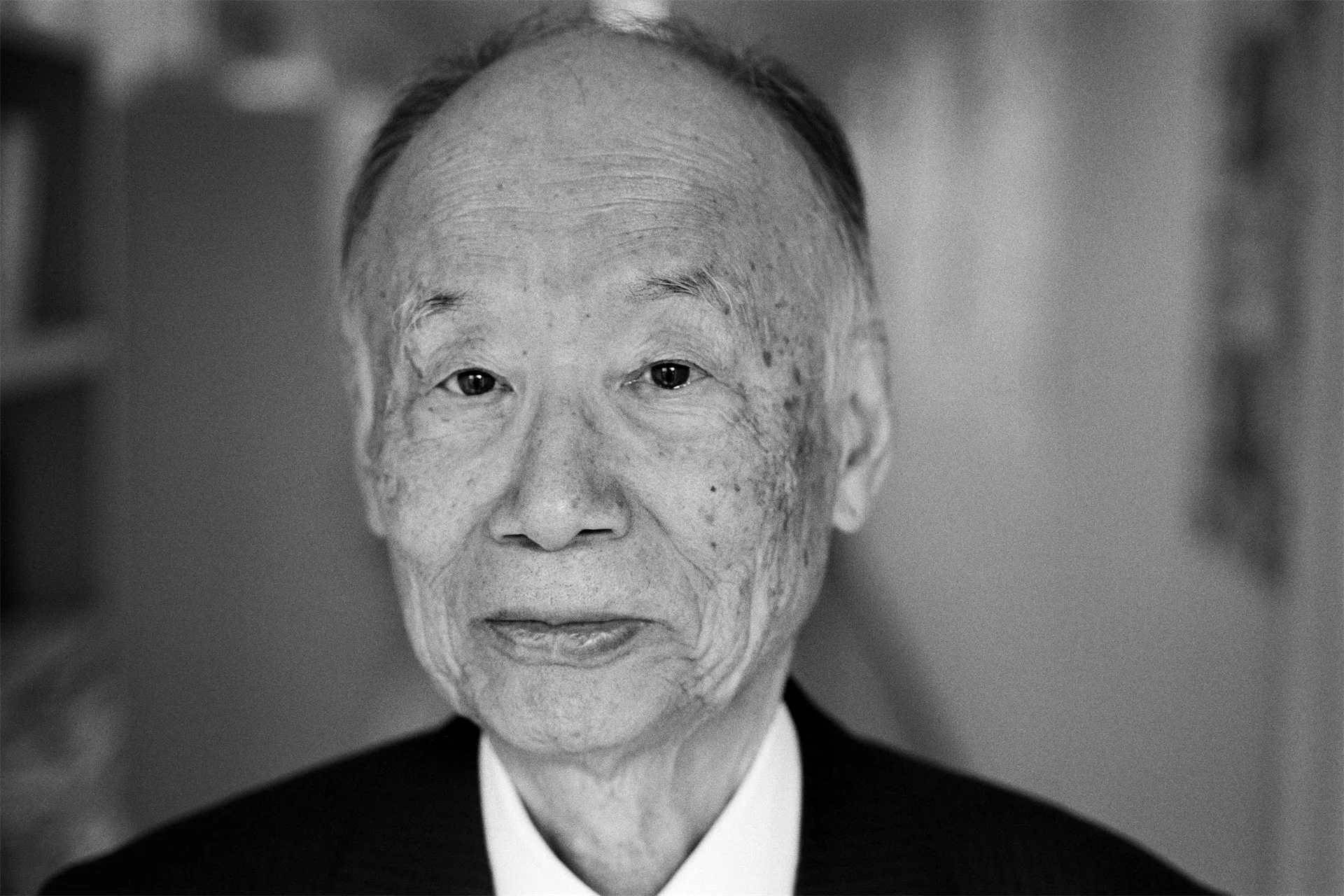
Satoshi Ōmura
 Japan
biochemist•chemist•microbiologist
Birthday
July 12, 1935
Birth Sign
Cancer
Birthplace
Kamiyama, Yamanashi Prefecture, Japan
Age
91 years old
About
Satoshi Ōmura is a Japanese biochemist and microbiologist whose discoveries from soil microbes have reshaped global medicine. He is professor emeritus at Kitasato University and Max Tishler Professor of Chemistry at Wesleyan University. His work isolating bioactive compounds from microorganisms has produced over 470 novel molecules, many of which became drugs. The most famous is avermectin, which led to ivermectin, a treatment that has nearly eliminated river blindness and lymphatic filariasis in many regions.
In 2015, Ōmura shared the Nobel Prize in Physiology or Medicine with William C. Campbell and Tu Youyou for their discoveries concerning therapies against roundworm parasites. The Nobel recognized a career built on meticulous screening of soil bacteria. Today, at over 90 years old, he remains active at the Kitasato Institute for Life Sciences, still hunting for new natural products. Fans of science and medicine admire him for his persistence and his commitment to neglected tropical diseases.
Early Life & Background
Ōmura grew up in Kamiyama Village, a rural area in Yamanashi Prefecture, surrounded by mountains. As a boy, he was more interested in sports than books. He excelled at cross-country skiing and led his high school table tennis club. This athletic background gave him a discipline he later applied to the lab.
After graduating from Yamanashi Prefectural Nirasaki High School, he entered the University of Yamanashi in 1954, majoring in natural sciences. There, mentors like Senjiro Maruta and Motoo Kagami sparked his interest in chemistry. He earned his bachelor's degree in 1958 and then moved to Tokyo University of Science for a master's in 1963. During this time, he worked as a research associate at the University of Yamanashi, learning the craft of organic chemistry.
His big break came in 1965 when he joined the Kitasato Institute. He later earned a Ph.D. in pharmaceutical sciences from the University of Tokyo in 1968 and a second Ph.D. in chemistry from Tokyo University of Science in 1970. The training in both fields gave him a rare skill: the ability to isolate a compound from nature and then understand its chemistry well enough to develop it into a drug.
Career Growth
At the Kitasato Institute, Ōmura developed a novel method for culturing soil bacteria that allowed him to discover compounds others missed. His team isolated over 470 new molecules, including staurosporine, which became a key tool in cancer research. The most important came in the 1970s when he found a bacterium, Streptomyces avermitilis, that produced a potent antiparasitic compound. He named it avermectin.
Collaborating with Merck Sharp & Dohme, the compound was developed into ivermectin, which proved safe and effective against a range of parasites. It has been used to treat onchocerciasis and lymphatic filariasis, and its developers later earned the Nobel Prize in 2015. Ōmura also served as president of the Kitasato Institute from 1990 to 2008, and he continues to lead a research project on drug discovery from natural products.
Career Timeline
Public Image & Style
Ōmura is seen as a humble, meticulous scientist who respects nature's potential. He is not a celebrity in the traditional sense, but among researchers and global health advocates, he is a hero. His public appearances are rare, usually at scientific conferences or award events. He speaks plainly and focuses on the importance of basic research. There is no fandom name, but he is widely admired for his dedication to diseases that affect the world's poorest people.
Fame & Fandom (iFAMOUS Rankings)
Satoshi Ōmura stands as a towering figure in global medicine without the trappings of pop stardom. His influence is measured not in chart positions or viral moments, but in the eradication of debilitating diseases that once plagued the world's poorest communities. In August 2026, the iFANN Global Fame Engine evaluated his standing and determined he currently holds no placement within the published rankings, including the Global Top 1,000 or any specific scope list. This absence of a numeric rank reflects his unique position: a scientist revered for tangible life-saving impact rather than cultural consumption metrics. While entertainers command fanbases with formal names and organized campaigns, Ōmura operates in a sphere where admiration manifests as gratitude from patients and respect from peers. The fanbase has no formal name documented in iFANN data; there are no official or unofficial fandom names, fan rituals, organized campaigns (such as subway ads or birthday billboards), or specific fan interactions to report. His legacy is built on the quiet power of discovery rather than the noise of celebrity culture. The narrative surrounding him remains strictly scientific, focused on the isolation of Streptomyces avermitilis and the subsequent development of Ivermectin. Even during periods of intense public debate regarding his work, such as discussions around its potential use for other conditions, the response remained an academic and medical discourse rather than a fan movement. He does not have a legion of followers chasing his every move; instead, he commands the attention of the scientific community and those whose lives were saved by his discoveries. The lack of a formal fanbase underscores the purity of his contribution to humanity, where the reward is health itself rather than fame.
Interesting Facts and Legends
Ōmura was a competitive skier in his youth who seriously considered pursuing professional athletics before dedicating himself to science. He maintains a meticulous "Yellow Book" that records every compound his team has discovered and tested throughout his career. Despite his immense global recognition, he still personally collects soil samples during his daily walks, maintaining a direct connection to the source of his research. He is known for the old-fashioned habit of writing letters by hand to colleagues and collaborators, valuing personal correspondence over digital speed. Beyond his laboratory work, he holds a deep appreciation for art and actively supports cultural projects in his hometown. The defining legend of his career centers on the late 1970s search for natural products, where isolating a specific strain of bacteria from a single jar of dirt near his Japanese laboratory led to the creation of Ivermectin. This story of patience and fieldwork has become a staple of scientific history education. Another iconic moment occurred in October 2015 when the Nobel Assembly announced he had shared the Prize in Physiology or Medicine, validating decades of basic research into parasitic infections. These verified milestones form the core mythology of his life, replacing traditional celebrity lore with the enduring power of medical breakthrough.
Family & Personal Life
Ōmura married Emiko Ōmura, and the couple has one son, Hironori. The family has kept a relatively private life, though Emiko has occasionally appeared at award ceremonies with him. His rural upbringing in Yamanashi remains important to him; he has donated to local museums and educational programs there. He often speaks about how his parents encouraged his curiosity about nature, which he credits for his later success in discovering soil microbes.
Notable Connections
Ōmura's closest collaborator was William C. Campbell, who worked with him on developing ivermectin at Merck. He also shared the 2015 Nobel with Tu Youyou, who discovered artemisinin. Earlier in his career, he was influenced by chemist Koji Nakanishi. His work was supported by the Merck Sharp & Dohme Research Laboratories, and he has mentored many young scientists at Kitasato University.
Relationships & Dating History
Satoshi Ōmura married Emiko Ōmura, and the couple has one son, Hironori. They have maintained a private family life, with Emiko occasionally accompanying him to award ceremonies. There are no public records of other relationships. As of 2026, he is married to Emiko.
- MarriedEmiko ŌmuraCurrentMarried for many years; they have one son, Hironori.
Salary, Net Worth In 2026
As 2026, Satoshi Ōmura's net worth is not publicly documented. His income has come primarily from his academic positions and research grants. Nobel Prize winners receive a monetary award, but the exact amount he received is not widely reported. He has not been involved in commercial ventures, and his wealth is likely modest compared to industry scientists. His true legacy is the global health impact of ivermectin, which has been donated to treat millions of people.
Awards Won (5)
Satoshi Ōmura has received numerous prestigious awards for his contributions to science and medicine. The most notable is the 2015 Nobel Prize in Physiology or Medicine, shared with William C. Campbell and Tu Youyou. He also won the Japan Prize in 2005 and the Prince Mahidol Award in 1997. In 2012, he was designated a Person of Cultural Merit by the Japanese government, and in 2007, he received the Chevalier of the Legion of Honour from France.
2015 · Medicine
Discoveries concerning a novel therapy against infections caused by roundworm parasites
2005 · Science and Technology
Research on bioactive natural products
Known For
Ivermectin
1981 · Discoverer of avermectin, precursor to ivermectin
Nobel Prize in Physiology or Medicine
2015 · Co-recipient
Keywords
Sources
Quick Facts
- Profession
- biochemist, chemist, microbiologist
- Born
- July 12, 1935
- Birthplace
- Kamiyama, Yamanashi Prefecture, Japan
- Gender
- Male
- Birth Sign
- Cancer
- Spouse
- Emiko Ōmura
- Children
- 1 son, Hironori
Personal Details
- Full Name
- Satoshi Ōmura
- Spouse
- Emiko Ōmura
- Children
- 1 son, Hironori
- Education
- University of Yamanashi (B.S.), Tokyo University of Science (M.S., Ph.D. in Chemistry), University of Tokyo (Ph.D. in Pharmaceutical Sciences)
Frequently Asked Questions
What is Satoshi Ōmura famous for?
What is Satoshi Ōmura's net worth in 2026?
Is Satoshi Ōmura still active in 2026?
What diseases does ivermectin treat?
Where did Satoshi Ōmura study?
Similar People
Join the community
fans discussing