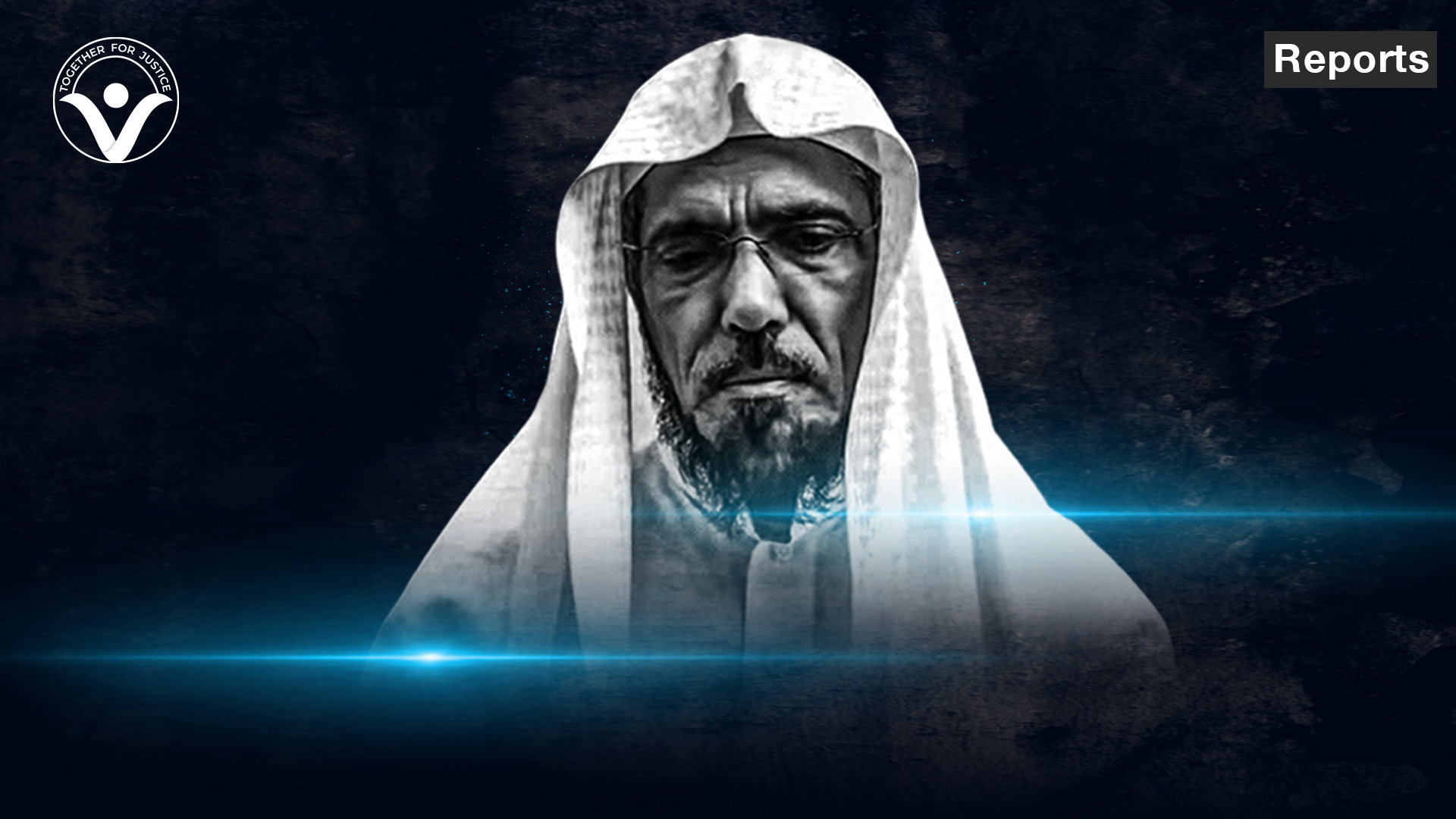
Salman al-Ouda
 Saudi Arabia
Also known as: Abu Mu'ad, Salman bin Fahd bin Abdullah al-Ouda
Birthday
December 15, 1956
Birth Sign
Sagittarius
Birthplace
Al-Qassim, Saudi Arabia
Age
69 years old
About
Salman bin Fahd bin Abdullah al-Ouda, widely known by his kunya Abu Mu'ad, is a prominent Saudi Islamic scholar, theologian, and preacher born on December 15, 1956. As of 2026, he is 69 years old and stands as a central figure in contemporary Islamic discourse. His career is defined by a distinct transition from a traditional hard-line cleric to a reformist voice advocating for human rights, political reform, and peaceful coexistence, often challenging state-backed orthodoxy. He has served on the board of trustees of the International Union for Muslim Scholars and previously directed the Arabic edition of the Islam Today website. Despite being held in solitary confinement since September 2017, he remains one of the most influential voices in the Muslim world. His media presence spans television lectures, radio programs, and written columns that have reached millions across the Arab world.
Early Life & Background
Salman bin Fahd bin Abdullah al-Ouda grew up in Al-Qassim, a region in northern Saudi Arabia renowned for its deep religious scholarship and conservative traditions. Born into a family with strong ties to the local community, he received his early education within the traditional Islamic curriculum that emphasizes memorization of the Quran and study of Hadith. This foundational training prepared him for advanced theological studies at the Imam Muhammad ibn Saud Islamic University in Riyadh, where he specialized in Sharia law and Islamic jurisprudence before earning his doctorate. Before entering the public eye as a controversial reformer, al-Ouda worked as a teacher and preacher within local mosques in his hometown. During the 1980s, he began gaining a reputation for his eloquence and ability to synthesize classical Islamic texts with modern social realities. His early sermons focused on social justice and the moral responsibilities of rulers, topics that resonated deeply with listeners but also planted the seeds for future conflicts with the establishment. By the late 1980s, his growing popularity led to invitations to speak on televised programs and radio broadcasts, setting the stage for his eventual rise as a national figure.
Career Growth
Al-Ouda's career trajectory shifted dramatically in the mid-1990s when he became a leading voice for the Committee for the Defense of Legitimate Rights (CDLR). This dissident group advocated for constitutional reforms and the release of political prisoners, directly challenging the Saudi government. His activism resulted in his arrest in 1994, leading to five years of imprisonment without trial. He was released in 1999 following a royal pardon, after which he largely retreated from direct political activism while continuing his scholarly work. In the 2000s, he served on the board of trustees for the International Union for Muslim Scholars and directed the Arabic edition of the Islam Today website. A defining moment in his legacy occurred in May 2016 when he publicly stated that while homosexuality is considered a sin in Islam, the Saudi government should not punish it. This statement caused massive controversy and solidified his reputation as a reformist voice. On September 7, 2017, he was arrested again following a tweet calling for Muslim unity and criticizing the regime's failure to act according to Islamic principles regarding the blockade of Qatar. Prosecutors sought the death penalty against him on 37 counts, including incitement against the ruler. Since his detention, he has been held in prolonged solitary confinement, suffering severe health deterioration including significant loss of vision and hearing. Reports from 2019 onwards indicate these health issues are attributed to isolation. In May 2025, rights groups urged Saudi authorities to release him citing his prolonged confinement, and by February 2025, reports highlighted he had spent nearly eight years in solitary confinement.
Career Timeline
Public Image & Style
Media portrays al-Ouda as a complex figure: a traditional scholar who evolved into a reformist icon. His content tone is intellectual, persuasive, and often provocative. He is seen as a voice of reason in a polarized region, advocating for a return to what he perceives as true Islamic principles of justice and mercy. His public persona is defined by his willingness to challenge authority on moral grounds, even at great personal risk. While some view him as a dangerous radical, others see him as a necessary conscience for the nation. His image has shifted from a respected local cleric to an international symbol of resistance against authoritarianism within the religious sphere. He is generally described in media as an elderly man with a distinguished appearance, consistent with his age of 69.
Fame & Fandom (iFAMOUS Rankings)
iFANN has evaluated Salman al-Ouda but he does not currently hold a published placement in the Global Top 1,000 rankings. His influence, however, remains profound across the Middle East and among global Muslim communities. Unlike pop icons whose legacies are built on chart-topping hits or viral dance challenges, Sheikh Salman does not have a formal fandom name. His supporters do not organize birthday billboards or push hashtags for social clout; instead, they are bound by a shared ideological commitment to his views on human rights and political reform. The relationship between him and his audience is defined by advocacy rather than adoration. Following his arrest, efforts to secure his release were led by international human rights organizations like Amnesty International and AlQST, driven by a collective desire for justice rather than fan-driven campaigns. There are no documented rituals or inside jokes associated with his following, as his influence stems from his religious authority and his transformation into a symbol of resistance for reformists within the Muslim world. His YouTube channel continues to accumulate views, serving as a digital archive for his past lectures and a hub for supporters seeking updates on his condition.
Interesting Facts and Legends
Salman al-Ouda is almost universally referred to by his kunya, Abu Mu'ad, a title meaning 'Father of Mu'ad' that precedes his name in scholarly circles. He is fluent in Arabic and frequently engages in theological debates using both classical and modern terminology. His 2016 statement regarding the non-punishment of homosexuality is widely retold as a pivotal moment in his career, marking a significant departure from prevailing legalistic interpretations. The story of his health deterioration, losing sight and hearing due to isolation, has become a focal point for international condemnation and human rights reports. Despite his imprisonment, his YouTube channel continues to accumulate views, serving as a digital archive for his past lectures and a hub for supporters seeking updates on his condition. Specific physical attributes such as height are not widely documented in public biographical sources.
Notable Quotes
“While the act [homosexuality] is considered a sin, the government should not punish it... judgment belongs only to God.”
“We call for unity among Muslims and criticize the failure to act according to Islamic principles.”
Family & Personal Life
Salman al-Ouda maintains a high level of privacy regarding his personal life. Public records and media reports do not disclose the names of his wife or children, nor do they provide details on any dating history or romantic relationships. In the context of Saudi clerical culture, especially for figures of his stature who have faced imprisonment, such personal details are rarely made public. Consequently, there is no documented information regarding partners, marriages, divorces, or offspring, leaving his family status unknown to the general public. His son has spoken publicly about his father's condition during periods of detention, though his identity remains private. There is no documented information regarding specific family stories or household members, preserving his family's anonymity.
Notable Connections
International Union for Muslim Scholars, Amnesty International, U.S. Commission on International Religious Freedom, Committee for the Defense of Legitimate Rights
Relationships & Dating History
Salman al-Ouda is a private individual regarding his family life. Public records and media reports do not disclose the names of his wife or children, nor do they provide details on any dating history or romantic relationships. In the context of Saudi clerical culture, especially for figures of his stature who have faced imprisonment, such personal details are rarely made public. Consequently, there is no documented information regarding partners, marriages, divorces, or offspring. As of 2026, his marital status is unknown to the public, though he is presumed to be married based on traditional norms, with no public confirmation of current relationship status.
Salary, Net Worth In 2026
$500 Thousand
iFANN Editorial Team estimate
As a religious scholar and former academic, Salman al-Ouda does not operate within a commercial entertainment economy. His wealth sources would theoretically include salaries from academic positions prior to imprisonment, book royalties, and donations to charitable causes he supports. However, given his long-term solitary confinement since 2017 and the freezing of assets often associated with political detainees in Saudi Arabia, his financial standing is inaccessible to the public. No specific dollar figures or asset breakdowns are available from credible celebrity finance sites. Research indicates his fortune is limited by asset freezes, reflecting the impact of his detention on his economic status.
Awards & Accolades
View 3 records, honours and achievementsKnown For
Islam Today
2000s · Director of Arabic Edition
International Union for Muslim Scholars
2000s · Board Member
Keywords
Sources
Quick Facts
- Profession
- imam, theologian, preacher
- Born
- December 15, 1956
- Birthplace
- Al-Qassim, Saudi Arabia
- Gender
- Male
- Birth Sign
- Sagittarius
Personal Details
- Full Name
- Salman bin Fahd bin Abdullah al-Ouda
- Education
- Imam Muhammad ibn Saud Islamic University (Doctorate in Sharia Law)
Frequently Asked Questions
What is Salman al-Ouda's net worth?
Is Salman al-Ouda still alive in 2026?
Why was Salman al-Ouda arrested?
Does Salman al-Ouda have a wife or children?
What is Salman al-Ouda's most famous statement?
Social Media
Similar People

Join the community
fans discussing