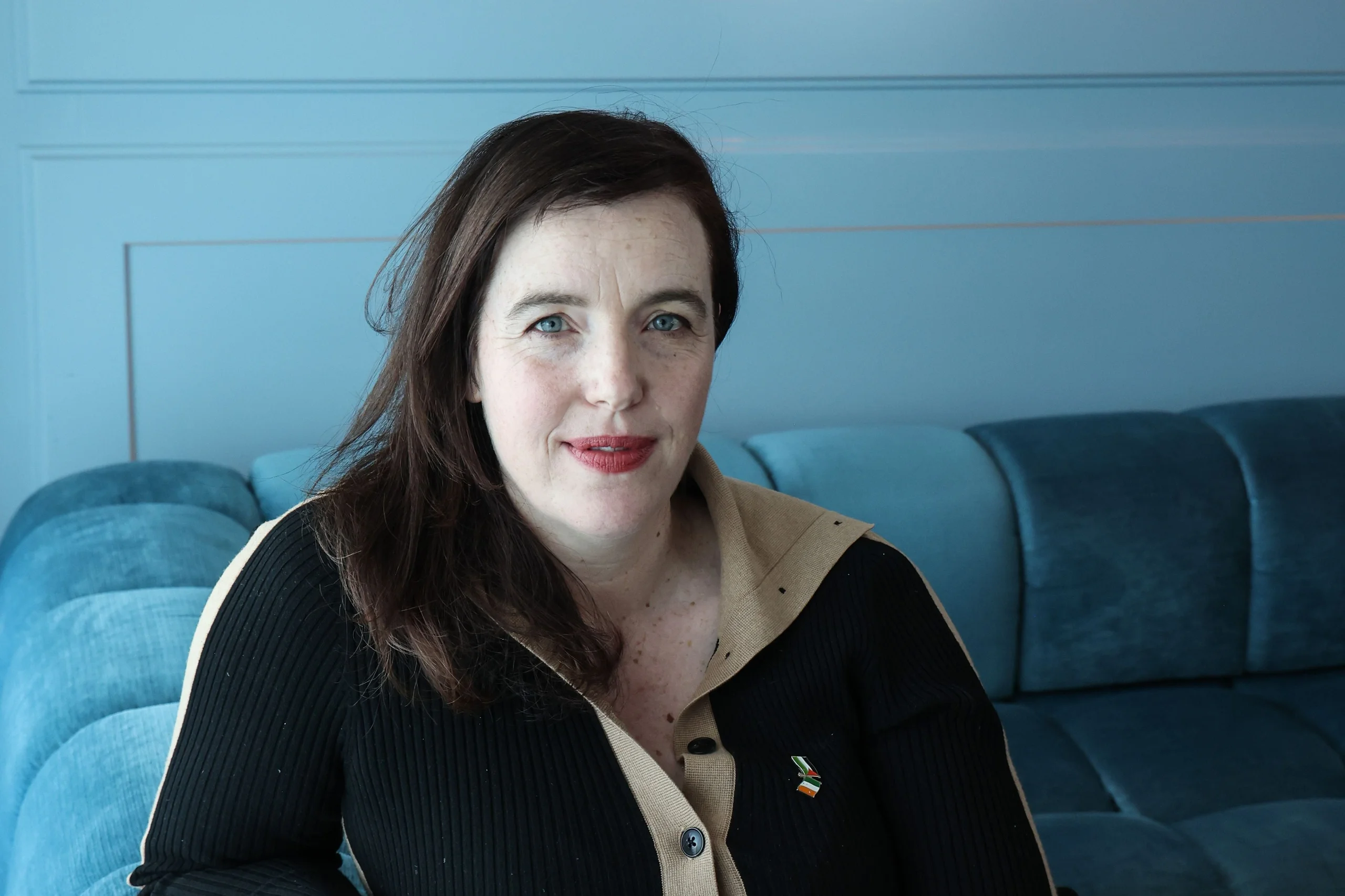
Sacheen Littlefeather
Also known as: Maria Louise Cruz, Sacheen Littlefeather
Birthday
November 14, 1946
Birth Sign
Scorpio
Birthplace
Salinas, California
Age
Died at 75
Height
5 ft 6 in (168 cm)
About
Maria Louise Cruz, known professionally as Sacheen Littlefeather, was an American actress and activist who became a defining figure in the history of the Academy Awards. Born in Salinas, California, she is best remembered for her historic 1973 appearance at the 45th Academy Awards, where she declined the Best Actor Oscar on behalf of Marlon Brando to protest Hollywood's treatment of Native Americans and the Wounded Knee standoff. While widely celebrated for decades as a White Mountain Apache/Yaqui leader, her legacy was complicated shortly after her death when family members publicly stated she had fabricated her Indigenous heritage, revealing her father was of Spanish-Mexican descent and that she was not enrolled with any tribe.
Despite this revelation regarding her ancestry, her impact on civil rights discourse within the film industry remains undisputed. In June 2022, the Academy of Motion Picture Arts and Sciences sent her a formal apology for the mistreatment she endured after the 1973 ceremony. This apology was read aloud during a special event titled An Evening with Sacheen Littlefeather at the Academy Museum of Motion Pictures on September 17, 2022. She passed away on October 2, 2022, in Novato, California, at the age of 75.
Early Life & Background
Born Maria Louise Cruz on November 14, 1946, in Salinas, California, her early life was defined by a search for identity that would eventually shape her entire public persona. Although she publicly identified as Apache and Yaqui throughout her career, posthumous accounts from her sisters indicate she was actually of mixed Spanish and Mexican heritage. She adopted the name "Sacheen Littlefeather" as part of her persona to align with the burgeoning Native American civil rights movement of the late 1960s and early 1970s.
Before her rise to fame, she worked as a model and participated in the counterculture scene in San Francisco. Her education included studies in acting, which led to her entry into the entertainment industry. By age 26, she was fully embracing her stage identity, wearing traditional buckskin dresses and moccasins, and using her platform to advocate for Indigenous causes. She immersed herself in the political climate of the era, joining protests and organizing efforts that laid the groundwork for her future activism.
Her transformation into Sacheen Littlefeather was not merely cosmetic but a deliberate political act. She spent years cultivating this identity to support the American Indian Movement and other groups fighting for sovereignty and recognition. This period of preparation culminated in her being chosen by Marlon Brando to represent him at the Academy Awards, a decision that required her to embody the role of a Native leader with absolute conviction despite her lack of tribal enrollment.
Career Growth
Littlefeather's career trajectory shifted dramatically on April 3, 1973, at the 45th Academy Awards. Marlon Brando, having won the Oscar for Best Actor for his role in The Godfather, refused to accept the award in person. Instead, he sent Littlefeather to the ceremony to decline the honor on his behalf. Standing on stage, she delivered a six-minute speech protesting the film industry's stereotypical portrayal of Native Americans and the federal government's handling of the Wounded Knee occupation. The audience reacted with a mix of boos, jeers, and some applause, creating one of the most controversial moments in Oscar history.
Following the 1973 incident, Littlefeather faced significant backlash and was effectively blacklisted by Hollywood. Despite the boycott, she continued to work in independent cinema and television. Her notable acting credits include a role in The Trial of Billy Jack (1974) and Johnny Firecloud (1973). Beyond acting, she dedicated her later years to producing films that highlighted Indigenous stories and issues.
In the 1990s and 2000s, she focused heavily on activism, working with organizations like the National Congress of American Indians and advocating for healthcare access and unemployment relief within Native communities. In 2022, the Academy of Motion Picture Arts and Sciences finally acknowledged her contributions by issuing a formal apology. This recognition came just months before her death, marking a full circle moment for a woman who had spent decades fighting for the dignity of her people.
Career Timeline
Public Image & Style
LITTLEFEATHER was known for her distinctive appearance during her activism, often wearing traditional Native American attire such as buckskin dresses, moccasins, and feathered headdresses. This visual identity became part of her iconic public image, distinguishing her from other activists and actors of the era. Her presence on stage at the Oscars was a stark contrast to the glamour of the event, highlighting the seriousness of her message.
Media perception of her shifted over time. Initially viewed as a radical outsider, she gained respect for her courage and dedication to the cause. Even after the controversy regarding her ancestry emerged, her impact on civil rights discourse within the film industry remained undisputed. She was seen as a pioneer who used her platform to challenge systemic injustice, regardless of the questions surrounding her personal background.
Fame & Fandom (iFAMOUS Rankings)
iFANN has not yet collected fame data for this person. As of the October 2026 rankings, there is no published placement for her in the global fame charts. She is not featured on the September 2026 iFAMOUS Rankings flagship list.
There is no formally organized fandom with a specific name for Sacheen Littlefeather. However, she is revered by activists, Indigenous rights advocates, and film historians. Fan campaigns and tributes often emerge around the anniversary of the 1973 Oscars, focusing on streaming her speech or discussing the historical context of the protest. Her supporters view her as a pioneer of political activism in Hollywood, rather than a pop culture celebrity with a fan club. The reverence she commands comes from her willingness to stand up for what she believed in, even when it meant facing immediate backlash and professional isolation.
Interesting Facts and Legends
One of the most enduring legends about Sacheen Littlefeather is the story of her six-minute speech at the 1973 Oscars. While often cited as lasting only a minute due to the audience's reaction, the full speech was a powerful indictment of Hollywood stereotypes. The image of her standing alone on stage in traditional attire against the backdrop of the glitzy awards ceremony has become an iconic symbol of resistance in film history.
Another lesser-known fact is that she worked in hospice care for many years after her Oscar appearance. This shift from the spotlight to direct service work reflected her deep commitment to helping others, particularly those in marginalized communities. She also produced several films in the 1990s and 2000s that aimed to tell authentic Indigenous stories, further cementing her role as a creator rather than just a performer.
Her stage name, Sacheen Littlefeather, was a carefully constructed identity that allowed her to navigate the political landscape of the time. The name itself became a brand for activism, though it was later revealed to be based on a fabrication of her actual heritage. This duality between her public persona and private reality adds a complex layer to her legacy.
Notable Quotes
“Marlon Brando asked me to tell you that I am very disappointed that the Academy has chosen to ignore the plight of the American Indian.”
“He also asked me to tell you that he would not accept this award if he were present.”
Family & Personal Life
Public records regarding Sacheen Littlefeather's romantic relationships are scarce, reflecting her private nature and the intense public scrutiny she faced following the 1973 Oscars. There is no documented evidence of marriage, engagement, or long-term public partnerships in credible sources. Unlike many contemporaries, she did not maintain a high-profile dating history that was reported in major media outlets during her lifetime.
She remained unmarried and had no publicly acknowledged romantic partners or offspring. Her family life was largely kept out of the public eye, though her sisters played a crucial role in clarifying her ancestry after her death. The revelation that she was of Spanish-Mexican descent rather than Native American came from these family members, adding a personal dimension to the public controversy that surrounded her legacy.
Notable Connections
Marlon Brando, David Rubin, National Congress of American Indians
Relationships & Dating History
Public records regarding Sacheen Littlefeather's romantic relationships are scarce, reflecting her private nature and the intense public scrutiny she faced following the 1973 Oscars. There is no documented evidence of marriage, engagement, or long-term public partnerships in credible sources. Unlike many contemporaries, she did not maintain a high-profile dating history that was reported in major media outlets during her lifetime.
As of her death on October 2, 2022, she was unmarried and had no publicly acknowledged romantic partners or offspring. Sources do not mention any children or specific partners, suggesting she may have remained single or kept her personal life strictly out of the public eye. Her focus remained on her activism and the causes she championed, leaving little room for public romantic pursuits.
Death & Aftermath
Died
October 2, 2022 (aged 75)
Death Place
Novato, California
Cause of Death
Complications from metastatic breast cancer
Sacheen Littlefeather passed away on October 2, 2022, in Novato, California, at the age of 75. Her death followed a years-long battle with metastatic breast cancer, a fact confirmed by multiple news outlets and family sources. The medical community did not require an inquest or legal investigation into her passing as the cause was clearly established through her long-term treatment history.
Immediately following her death, the Academy of Motion Picture Arts and Sciences honored her legacy. On September 17, 2022, just two weeks before she died, the Academy held a special event titled An Evening with Sacheen Littlefeather. During this gathering, David Rubin, the then-President of the Academy, read a formal letter apologizing for the mistreatment she endured after her historic 1973 appearance. This apology marked a significant institutional reckoning with the hostile reaction she faced decades earlier.
Tributes flowed from various media outlets including CNN and Yahoo Entertainment, which celebrated her dual impact as an actress and a civil rights advocate. However, a complex narrative emerged shortly after her death when her sisters issued public statements in late October 2022. They revealed that she had fabricated her Native American identity, stating she was not Apache or Yaqui but rather of Spanish-Mexican descent. This revelation sparked intense debate regarding cultural appropriation and identity politics within the film industry. Despite the controversy surrounding her ancestry, her actions at the 1973 Oscars remain a pivotal moment in Hollywood history. Details regarding her funeral or memorial service were never made public.
Net Worth (Estate Value)
$500 Thousand
iFANN Editorial Team estimate
The iFANN Editorial Team estimates Sacheen Littlefeather's estate value at approximately $500,000. This figure reflects the modest financial status of an activist who prioritized social causes over commercial success. Her income during her lifetime came primarily from her acting roles in independent films, speaking engagements, and advocacy work.
Unlike major celebrities, she did not leave behind a widely publicized commercial empire or extensive licensing deals. Her estate's value is presumed to be limited to personal assets and any remaining royalties from her film appearances. The lack of a large corporate estate or ongoing high-growth ventures means her financial legacy is relatively small compared to other figures in the entertainment industry. The estate continues to manage her digital archive and legacy projects, ensuring her story remains accessible to future generations.
Awards Won (1)
While Littlefeather did not win competitive awards for her own performances, her 1973 appearance is recognized as a landmark event in film history. The Academy of Motion Picture Arts and Sciences issued a formal apology in 2022, acknowledging the mistreatment she endured after the 1973 ceremony. This recognition serves as a testament to her impact on civil rights discourse within the film industry.
2022 · Special Recognition
An Evening with Sacheen Littlefeather
Known For
The Godfather
1973 · Representative for Marlon Brando
Johnny Firecloud
1973 · Actor
The Trial of Billy Jack
1974 · Actor
Keywords
Sources
Quick Facts
- Profession
- actor, activist
- Born
- November 14, 1946
- Birthplace
- Salinas, California
- Died
- October 2, 2022
- Death Place
- Novato, California
- Gender
- Female
- Birth Sign
- Scorpio
Personal Details
- Full Name
- Maria Louise Cruz
- Height
- 5 ft 6 in (168 cm)
- Children
- Education
- Acting studies
Filmography
3
Total
3
Film
0
TV
Frequently Asked Questions
Who was Sacheen Littlefeather?
Did Sacheen Littlefeather really have Native American ancestry?
What happened at the 1973 Oscars?
How did Sacheen Littlefeather die?
Did the Academy apologize to Sacheen Littlefeather?
Similar People
Join the community
fans discussing