Richard Lester
 United States
Also known as: Richard Lester Liebman
Birthday
January 19, 1932
Birth Sign
Capricorn
Birthplace
Philadelphia, Pennsylvania, USA
Age
94 years old
Height
5 ft 10 in (178 cm)
About
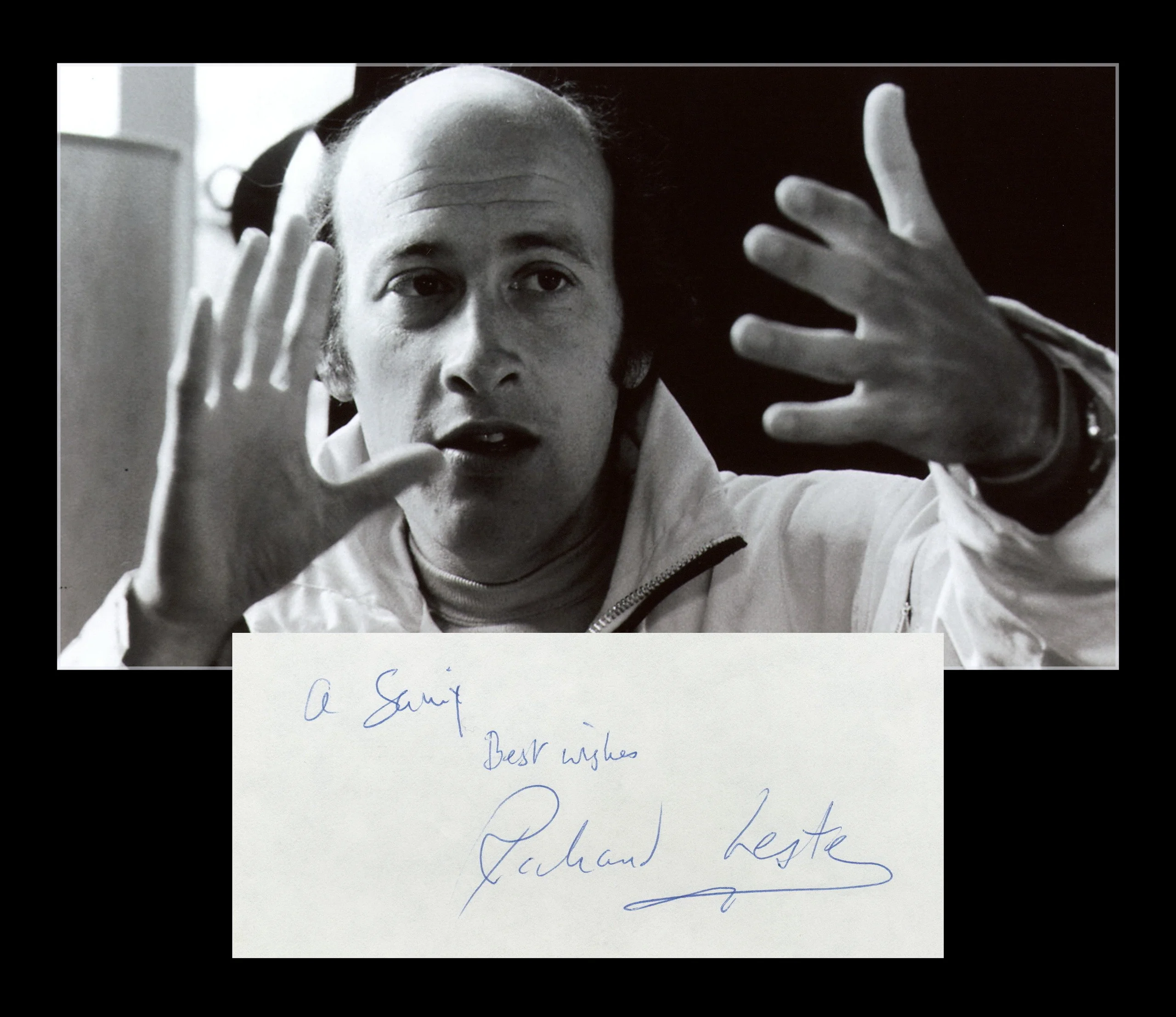
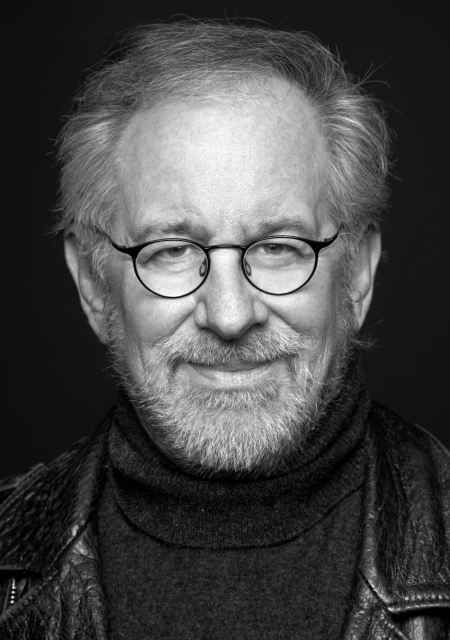
Richard Lester, born Richard Lester Liebman on January 19, 1932, in Philadelphia, Pennsylvania, is an American retired film director who spent the majority of his professional life in the United Kingdom. He is widely recognized as a pivotal figure in shaping the visual and comedic language of the "Swinging Sixties," bringing a hyperkinetic, fast-paced, and flamboyant style to cinema that diverged sharply from traditional filmmaking norms. As of 2026, he remains celebrated for his unique ability to capture chaotic energy while maintaining narrative coherence, a trait evident in his work with The Beatles.
Lester's legacy is defined by his revolutionizing of music movies through blending documentary-style realism with surreal fantasy. His career spans six decades, including significant contributions to the superhero genre with Superman II and Superman III, as well as the swashbuckling trilogy The Three Musketeers. He was named a Fellow of the British Film Institute (BFI), a lifetime honor recognizing his contribution to British cinema, and is often cited as the director who best encapsulated the popular image of Britain in the Swinging Sixties.
Early Life & Background
Raised in Philadelphia, Pennsylvania, Richard Lester Liebman initially pursued a path far removed from the silver screen. Born in 1932, he enrolled at the University of Pennsylvania where he studied clinical psychology and graduated before pivoting toward the arts. This background in psychology would later inform his approach to character dynamics and performance direction. In the mid-1950s, Lester moved to the United Kingdom to pursue a career in television. He began directing for independent stations, quickly establishing a reputation for energetic pacing.
A pivotal moment arrived when he collaborated with the surreal comedy trio behind The Goon Show: Peter Sellers, Spike Milligan, and Harry Secombe. Their partnership led to the creation of The Running Jumping & Standing Still Film in 1959. This project established his signature style of zany humor and rapid editing, setting the stage for his eventual breakthrough into feature films. He was one of the first directors to use a handheld camera extensively for a narrative feature, influencing the "cinéma vérité" movement.
Career Growth
Lester's rise to international fame was catapulted by his work with The Beatles, beginning with A Hard Day's Night in 1964. He followed this immediately with Help! in 1965 and The Knack ...and How to Get It, the latter winning the Palme d'Or at the Cannes Film Festival. Throughout the late 1960s and 1970s, he helmed a diverse array of projects including the musical A Funny Thing Happened on the Way to the Forum (1966), the war satire How I Won the War (1967), and the drama Petulia (1968).
His commercial and critical peaks continued into the 1970s with the swashbuckling trilogy The Three Musketeers (1973) and its sequels The Four Musketeers (1974) and The Return of the Musketeers (1989), as well as the historical drama Robin and Marian (1976). In the 1980s, he took on the superhero genre, notably directing Superman II (1980) and Superman III (1983). Despite later disputes over credit for Superman II, his work received significant acclaim. He also directed Butch and Sundance: The Early Days in 1979. In recent years, he has been honored with fellowships and honorary degrees recognizing his contribution to British cinema.
Career Timeline
Public Image & Style
Lester is portrayed as a visionary innovator who brought a sense of playfulness and modernity to Hollywood. His signature aesthetic was defined by rapid-fire editing, breaking the fourth wall, surreal inserts, and a "zany" tone that made his films feel energetic and modern. Media portraits often depict him as a witty, slightly eccentric intellectual, contrasting with the more serious directors of his era. He was known for his sharp wit and ability to work quickly, often shooting complex sequences in very few takes.
Physical attributes include standing approximately 5 feet 10 inches tall, though exact height is rarely cited as he appeared average height in public photos. Regarding his approach to comedy, he famously remarked, "Comedy is tragedy plus time." On the nature of his work with The Beatles, he stated, "We wanted to make a film that looked like a dream." He is remembered for his ability to work with large casts and complex action sequences while maintaining a light, comedic touch.
Fame & Fandom
iFANN has not yet collected fame data for Richard Lester. While he does not have a formal "fandom name" like pop stars, his work enjoys a dedicated cult following among film students, cinephiles, and Beatles enthusiasts. His influence is frequently cited in discussions about the evolution of music videos and the "Monty Python" style of humor. Fan campaigns often focus on restoring the original cuts of his films, particularly Superman II, which he felt was compromised by studio interference.
His legacy is cemented in the "Greatest Films of All Time" discourse, with A Hard Day's Night consistently ranking high in lists by Rolling Stone, Sight & Sound, and Empire. Recent academic interest has seen reconsiderations of his work, such as a December 2025 review of Help! highlighting its enduring relevance. In August 2026, coverage revisited the legacy of Superman III and Christopher Reeve's regret regarding the film's direction, indirectly acknowledging Lester's controversial tenure.
Interesting Facts and Legends
Lester originally intended to be a psychiatrist, studying clinical psychology before switching to film. He was fired from Superman II during post-production, a rare occurrence for a director of his stature, and Richard Donner completed the film without him. Regarding the dispute, he noted, "I was asked to leave the picture because they didn't like the way I was doing it." The filming of A Hard Day's Night is legendary for Lester's ability to capture the band's chaotic energy while maintaining narrative coherence. He famously told the Beatles to ignore the script and act naturally, resulting in the film's spontaneous feel.
He won the Palme d'Or at the Cannes Film Festival in 1965 for The Knack ...and How to Get It, a rare feat for a British-based American director at the time. He was nominated for two BAFTA Awards but did not win; however, he was named a Fellow of the British Film Institute (BFI). He is also an Honorary Associate of the London Film School. His son, if any, is not publicly known; he has no confirmed children.
Notable Quotes
“We wanted to make a film that looked like a dream.”
“Comedy is tragedy plus time.”
“I was asked to leave the picture because they didn't like the way I was doing it.”
Family & Personal Life
Richard Lester was born in Philadelphia, Pennsylvania, and raised there before moving to the UK. While he lived in the UK for decades and was a fixture of British social circles, he never publicly confirmed a spouse or children. There are no public records detailing a formal marriage, engagement, or long-term romantic partnerships in his biography. Consequently, there is no documented dating history, divorce, or widower status. The absence of such details in authoritative sources suggests either a deliberate choice to keep his private life out of the spotlight or that he remained unmarried throughout his life.
Notable Connections
Relationships & Dating History
Richard Lester has maintained a notably private existence compared to many of his contemporaries. There are no public records or credible reports detailing a formal marriage, engagement, or long-term romantic partnerships in his biography. While he lived in the UK for decades and was a fixture of British social circles, he never publicly confirmed a spouse or children. Consequently, there is no documented dating history, divorce, or widower status. As of 2026, Richard Lester is considered single with no reported current partner. The absence of such details in authoritative sources like Wikipedia, Britannica, and major obituaries suggests either a deliberate choice to keep his private life out of the spotlight or that he remained unmarried throughout his life.
Salary, Net Worth In 2026
$10 Million
iFANN Editorial Team estimate
iFANN currently estimates Richard Lester's net worth at approximately $10 million, with some sources placing it between $5 million and $10 million. This figure reflects his earnings from a prolific career spanning six decades, derived primarily from residuals, royalties, and estate value. Specific figures vary by source, with Celebrity Net Worth estimating his wealth at around $8 million. Forrest and other financial outlets do not publish specific annual income figures for him due to his retirement, but his estate is believed to include real estate holdings in the UK and US, as well as ongoing royalty streams from his extensive filmography.
Unlike active celebrities, his wealth is largely static, derived from past earnings and investments rather than new projects. No specific breakdown of salary per project is publicly available for his entire career, but his fees for the Beatles films were reportedly substantial for the time, and he commanded high fees for the Musketeers and Superman franchises. His wealth is largely static, derived from past earnings and investments rather than new projects.
Awards Won (1)
Richard Lester's accolades are significant though not as numerous as some peers due to his specific focus on comedy and genre films rather than dramatic prestige. He won the Palme d'Or at the Cannes Film Festival in 1965 for The Knack ...and How to Get It. He was nominated for two BAFTA Awards but did not win; however, he was named a Fellow of the British Film Institute (BFI), a lifetime honor recognizing his contribution to British cinema. He is also an Honorary Associate of the London Film School.
1965 · Best Film
The Knack ...and How to Get It
Known For
A Hard Day's Night
1964 · Director
Help!
1965 · Director
The Knack ...and How to Get It
1965 · Director
Superman II
1980 · Director
Superman III
1983 · Director
Keywords
Sources
Quick Facts
- Profession
- film producer, film director, director
- Born
- January 19, 1932
- Birthplace
- Philadelphia, Pennsylvania
- Gender
- Male
- Birth Sign
- Capricorn
Personal Details
- Full Name
- Richard Lester Liebman
- Height
- 5 ft 10 in (178 cm)
- Children
- Education
- University of Pennsylvania
Filmography
25
Total
20
Film
5
TV
Frequently Asked Questions
Is Richard Lester still alive?
What is Richard Lester's most famous movie?
Did Richard Lester direct the Superman movies?
Where was Richard Lester born?
Does Richard Lester have children?
Join the community
fans discussing