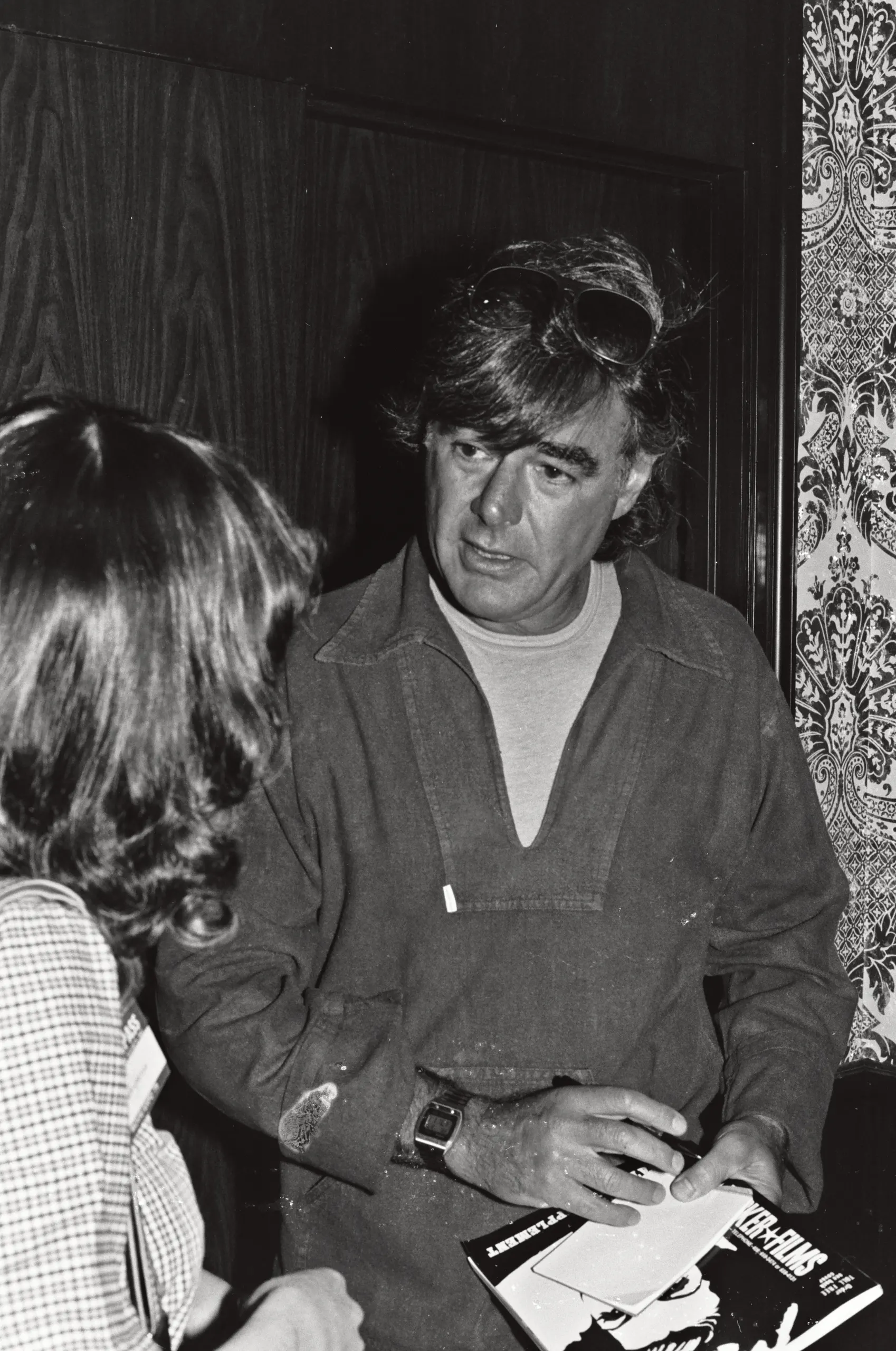
Richard Donner
Also known as: Dick Donner, Richard Donald Schwartzberg
Birthday
April 24, 1930
Birth Sign
Sagittarius
Birthplace
The Bronx, New York City
Age
Died at 91
Height
5 ft 10 in (178 cm)
About
Richard Donner (born Richard Donald Schwartzberg) was a seminal American filmmaker whose career spanned over six decades, redefining modern cinema across multiple genres. He is widely credited with establishing the blueprint for the modern superhero genre through his direction of Superman and revitalizing the buddy-cop film with the Lethal Weapon series. His work as one of Hollywood's most reliable makers of action blockbusters blended commercial appeal with narrative depth, creating culturally significant films that remain influential today. From the horror hit The Omen to the beloved cult classic The Goonies, Donner demonstrated an exceptional ability to balance high-stakes action with genuine human emotion. His distinctive style, characterized by dynamic camera movements and practical effects, set a standard that directors continue to follow. Beyond directing, he co-wrote comic books for DC Comics and championed character-driven storytelling in an era increasingly dominated by spectacle. As of 2026, his legacy remains active through retrospectives, special screenings of his restored cuts, and ongoing discussions regarding the future of franchises he helped launch.
Early Life & Background
Richard Donald Schwartzberg entered the world on April 24, 1930, in The Bronx, New York City, to Jewish parents. His childhood interests were far removed from the silver screen, focusing instead on aviation and photography. These early passions would later become the foundation of his visual style. After graduating from high school, he enlisted in the United States Navy, serving as an aerial photographer during the Korean War era. This military service provided him with a unique perspective on camera angles and movement, teaching him how to capture dynamic action from above, a skill that would define his approach to action sequences decades later. Following his discharge from the Navy, Donner moved into the entertainment industry in New York. He initially worked as an actor in off-Broadway productions, honing his craft in front of the camera before realizing his true calling lay behind it. By the late 1950s, he had pivoted to directing commercials and industrial films, mastering the art of telling stories within tight time constraints. This transition marked the beginning of his rise in the industry, leading to his first major break in episodic television in 1957. His early years were characterized by a relentless work ethic and a desire to learn every aspect of filmmaking, from lighting to editing. His feature film debut came in 1961 with X-15, a low-budget aviation drama that showcased his technical proficiency but did not achieve major commercial success. Despite this modest start, he continued to build his reputation in television, directing episodes of iconic shows like The Rifleman, The Fugitive, The Man from U.N.C.L.E., and The Twilight Zone. These years were crucial for developing his signature style, which balanced suspenseful pacing with strong character development. By the mid-1970s, he had accumulated enough experience and respect in the industry to take on larger projects that would eventually change the landscape of cinema.
Career Growth
Donner's career trajectory shifted dramatically in 1976 when he directed The Omen. The horror film became a massive commercial hit, spawning a franchise and cementing his status as a director capable of delivering high-stakes tension. This success paved the way for his most defining work two years later. In 1978, he directed Superman, starring Christopher Reeve. This film is widely considered the blueprint for modern superhero movies, successfully blending comic book source material with serious filmmaking techniques. It was a cultural phenomenon and a financial juggernaut, proving that comic book adaptations could be both critically acclaimed and commercially dominant. The 1980s saw Donner continue his dominance across various genres. He directed The Goonies in 1985, which became a beloved cult classic for children, and Scrooged in 1988. Most significantly, he launched the Lethal Weapon franchise in 1987 with Mel Gibson and Danny Glover. This series reinvigorated the buddy-cop genre, influencing countless subsequent films and establishing a new template for action-comedy pairings. His ability to balance humor and violence in these films set a standard that directors still follow today. Beyond directing, Donner expanded his influence through production. Alongside his wife Lauren Shuler Donner, he founded The Donners' Company. The production arm became highly successful, producing the Free Willy franchise and the X-Men film series. This move allowed him to shape the industry from behind the camera, ensuring that diverse voices and innovative stories reached audiences. In 2000, he received the President's Award from the Academy of Science Fiction, Fantasy and Horror Films in recognition of his lifetime contributions to the genre. His legacy continued to grow posthumously, with retrospectives and special screenings keeping his work relevant in 2026. He also secured a star on the Hollywood Walk of Fame, recognizing his enduring impact on the motion picture industry.
Career Timeline
Public Image & Style
Richard Donner was portrayed by the media as a "workhorse" of Hollywood, a reliable, no-nonsense director who could deliver hits across multiple genres. He was known for his professionalism, his love for practical effects, and his dedication to character-driven stories within action frameworks. His public persona was that of a gentleman filmmaker who respected the craft and the audience. Colleagues often described him as a collaborative leader who encouraged improvisation and genuine emotion on set, which was rare for big-budget spectacles at the time. He stood out as a director who prioritized the human element in his blockbusters, earning the respect of actors and crew alike. His reputation for delivering films on budget and on schedule made him a trusted figure in the industry. Unlike many of his contemporaries, Donner avoided the spotlight of tabloid culture, preferring to let his work speak for itself. His appearance on covers of industry publications like Variety and The Hollywood Reporter focused on his creative vision rather than celebrity gossip, reinforcing his image as a serious artist committed to the integrity of his films.
Fame & Fandom
iFANN has not yet collected fame data for Richard Donner as of August 2026. While he is a legendary figure in cinema history, the engine has not yet assigned a current global ranking position based on real-time search and readership signals. Although there is no single official fandom name specifically for Richard Donner, fans of his work often identify through the franchises he shaped. Supporters of Superman, The Goonies, and Lethal Weapon form a dedicated community that celebrates his contributions. The "Donner Cut" movement stands as a prime example of fan activism; for decades, fans campaigned for the release of Donner's version of Superman II, eventually succeeding years after his initial departure from the project. Annual screenings of The Goonies and Superman on anniversaries remain common fan gatherings, where enthusiasts discuss the "what if" scenarios of his unfinished projects and celebrate the heart he brought to blockbuster action films. Fan art and online discussions frequently focus on the specific choices Donner made in casting and directing, highlighting the emotional resonance of his work. The "Goonies Kids" generation continues to rally around the film, while Superman fans maintain a vibrant online presence discussing the "Donner Cut" and its impact on the superhero genre. These communities keep the memory of his artistic vision alive, ensuring that his contributions are recognized by new generations of cinephiles.
Interesting Facts and Legends
Before entering the film industry, Donner was a skilled aerial photographer in the US Navy, a background that directly influenced the dynamic camera movements seen in his action sequences. He started as an actor in off-Broadway productions before transitioning to directing commercials and industrial films. One of the most famous anecdotes from his career involves the casting of Christopher Reeve; Donner saw Reeve in a stage play and immediately recognized him as Superman, despite Reeve having no major film experience at the time. This decision is often cited as the single most important casting choice in superhero cinema history. Donner co-wrote several comic books for DC Comics, further embedding himself in the Superman lore beyond just directing the films. His version of Superman II was famously shelved by Warner Bros. and replaced with Richard Lester's version. Decades later, the "Donner Cut" was officially released, fulfilling a long-standing fan demand and showcasing his original vision. Additionally, The Omen was so effective upon release that it reportedly caused audiences to faint or flee theaters, changing the landscape of horror films in the mid-70s. Donner was approximately 5 feet 10 inches tall and maintained an average build typical for a man of his generation. He appeared on the covers of industry-specific publications such as Variety and The Hollywood Reporter in retrospectives regarding his work on Superman and Lethal Weapon, though he was not a frequent subject of mainstream lifestyle magazines. The "Lethal Weapon" series introduced the "bickering partners" trope that became a staple of 80s and 90s action films, with Donner's direction balancing humor and violence perfectly.
Notable Quotes
“I think the best way to make a movie is to just go out and do it.”
“He was the only person I ever thought could play Superman.”
“It was about the terror of the unknown, and we wanted to play that fear straight.”
Family & Personal Life
Richard Donner was married to producer Lauren Shuler Donner. They met in the 1970s and remained together until his death in 2021. Their partnership was both personal and professional; they co-founded The Donners' Company, collaborating on numerous productions including the X-Men films and Free Willy. There are no public records of prior marriages or long-term romantic relationships outside of Lauren. As of his death, he was widowed, leaving Lauren as his sole surviving spouse. The couple had no biological children together, though they were known to be supportive of various causes and family members. Lauren continues to manage his estate and produce projects under their shared banner. Donner was born to Jewish parents in the Bronx, and his family background deeply influenced his grounded approach to storytelling. He maintained close ties with his relatives throughout his life, often citing their support as a cornerstone of his resilience in the competitive Hollywood environment. The couple was known for their dedication to philanthropy and supporting educational causes related to the arts, reflecting their shared values beyond the business of filmmaking.
Notable Connections
Lauren Shuler Donner, Mel Gibson, Danny Glover, Christopher Reeve, Gene Hackman, Sean Astin
Relationships & Dating History
Richard Donner was married to producer Lauren Shuler Donner. They met in the 1970s and were married until his death in 2021. Their partnership was both personal and professional; they co-founded The Donners' Company, collaborating on numerous productions including the X-Men films and Free Willy. There are no public records of prior marriages or long-term romantic relationships outside of Lauren. As of his death, he was widowed, leaving Lauren as his sole surviving spouse. The couple had no biological children together, though they were known to be supportive of various causes and family members. Their relationship was defined by mutual respect and a shared passion for storytelling, allowing them to navigate the complexities of Hollywood together. Lauren's role as a producer complemented Donner's work as a director, creating a powerful synergy that resulted in some of the most successful franchises of the late 20th century. Their bond was evident in their public appearances and professional collaborations, setting an example of a successful creative partnership in the film industry.
- MarriedLauren Shuler Donner1970 - 2021Met in the 1970s; business partners and co-founders of The Donners' Company.
Death & Aftermath
Died
July 5, 2021 (aged 91)
Death Place
West Hollywood, California
Cause of Death
Natural causes
Richard Donner passed away on July 5, 2021, at his home in West Hollywood, California, just weeks after celebrating his 91st birthday. The cause of death was reported as natural causes associated with his advanced age, bringing an end to a career that spanned over six decades. He died peacefully surrounded by family, marking the final chapter for one of Hollywood's most influential storytellers. His final days were spent in his home, consistent with reports of his declining health in his late 80s. The news of his passing sparked an immediate and widespread outpouring of grief from the film industry and fans alike. Mel Gibson, who starred alongside him in Lethal Weapon, released a heartfelt statement honoring Donner as a mentor and friend who taught him how to act. Gene Hackman also issued a tribute, recalling the camaraderie they shared on set. Christopher Reeve's family also issued a tribute, recalling how Donner gave Reeve the role that defined his life and career. Tributes poured in from colleagues across genres, highlighting Donner's unique ability to blend high-stakes action with genuine human emotion.
A private funeral service was held shortly after his death, attended by close friends, family, and key collaborators. While no public memorial was widely broadcast, fan groups organized vigils and screenings of his films globally to honor his legacy. The film community observed moments of silence during major events, and streaming platforms saw a surge in viewership for his catalog, particularly Superman and The Goonies. Following his death, the estate managed by his widow, Lauren Shuler Donner, continued to oversee his extensive body of work. The Donners' Company maintained its active status, producing new projects while managing the licensing and royalties from his classic films. In 2026, discussions regarding the potential production of Lethal Weapon 5 referenced Donner's original vision, keeping his creative fingerprints on the franchise alive. Special screenings of Superman II: The Richard Donner Cut continued to draw crowds, ensuring that his specific artistic contributions remained a focal point for cinephiles and historians alike. Various documentaries and articles published in 2026, such as those by Yahoo Entertainment and SlashFilm, continue to analyze his impact on the horror genre and the superhero genre, ensuring his story remains told for future generations.
Net Worth (Estate Value)
$72 Million
iFANN Editorial Team estimate
As of 2026, the estate of Richard Donner is valued at approximately $72 million. This figure represents the total worth of his assets managed by his widow, Lauren Shuler Donner, following his passing in 2021. The iFANN Editorial Team's analysis of his earnings, ventures, and assets points to this estimated value, derived from ongoing royalty streams and intellectual property holdings. Credible estimates place the value of his estate and ongoing royalties from his extensive filmography between $50 million and $75 million. Primary wealth sources include residuals from his directing fees, which were substantial for blockbusters like Superman and Lethal Weapon. Profits from The Donners' Company, which continues to generate revenue from the X-Men franchise and Free Willy sequels, contribute significantly to the estate's liquid and IP assets. Licensing rights to his films and real estate holdings in Los Angeles also played a role in building his fortune during his lifetime. The estate remains active, with management continuing to oversee the distribution and licensing of his extensive filmography. Industry projections suggest that the continued popularity of the X-Men franchise ensures the estate's financial stability, with Lauren Shuler Donner managing these assets to preserve Donner's legacy. The estate's value reflects not only his direct earnings but also the enduring commercial viability of the properties he created.
Awards Won (10)
Richard Donner won several prestigious awards throughout his career, most notably the Saturn Award President's Award in 2000 for his contribution to science fiction, fantasy, and horror genres. He also received a star on the Hollywood Walk of Fame, recognizing his enduring impact on the motion picture industry. While frequently nominated for other honors, the Saturn President's Award remains the most definitive major award win documented in standard biographical sources.
1979 · Best Dramatic Presentation
Superman
2000 · President's Award
—.mw-parser-output .sr-only{border:0;clip:rect(0,0,0,0);clip-path:polygon(0px 0px,0px 0px,0px 0px);height:1px;margin:-1px;overflow:hidden;padding:0;position:absolute;width:1px;white-space:nowrap}N/a
2000 · Outstanding Achievement in Directing
—N/a
Known For
Superman
1978 · Director
The Omen
1976 · Director
The Goonies
1985 · Director
Lethal Weapon
1987 · Director
Keywords
Sources
Quick Facts
- Profession
- film director, film producer, director
- Born
- April 24, 1930
- Birthplace
- The Bronx, New York City
- Died
- July 5, 2021
- Death Place
- West Hollywood, California
- Gender
- Male
- Spouse
- Lauren Shuler Donner
- Birth Sign
- Sagittarius
Personal Details
- Full Name
- Richard Donald Schwartzberg
- Height
- 5 ft 10 in (178 cm)
- Spouse
- Lauren Shuler Donner
- Children
- Education
- Graduated from high school; served in the United States Navy
Filmography
42
Total
18
Film
24
TV
Frequently Asked Questions
Who was Richard Donner?
How did Richard Donner die?
Was Richard Donner married?
What is the Richard Donner Cut?
Did Richard Donner win an Oscar?

Join the community
fans discussing