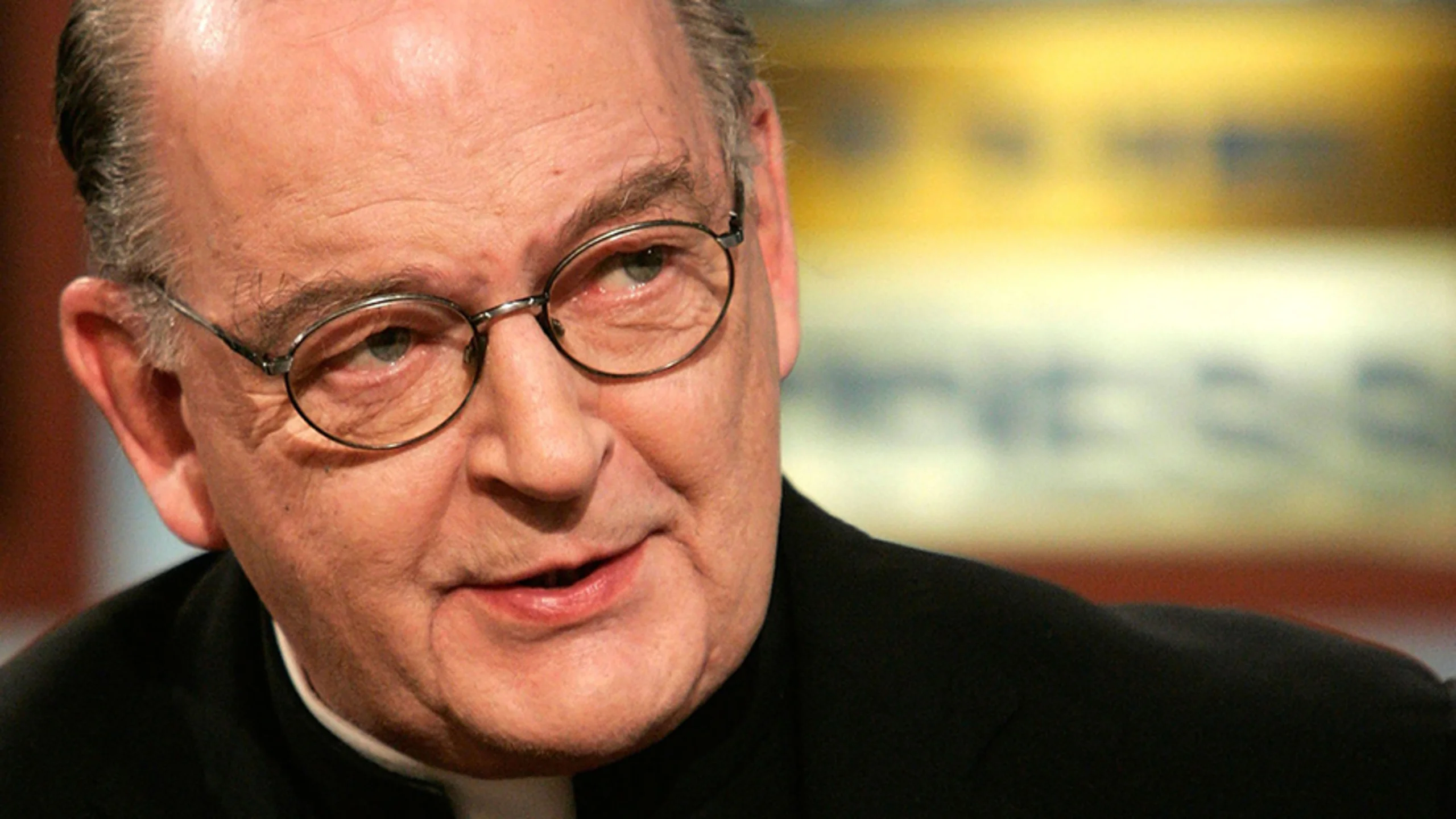
Richard John Neuhaus
 Canada
Catholic priest•writer•public intellectual
Birthday
May 14, 1936
Birth Sign
Taurus
Birthplace
Pembroke, Ontario, Canada
Age
Died at 72
About
Richard John Neuhaus (May 14, 1936 – January 8, 2009) was a Canadian-born American Catholic priest, writer, and public intellectual. He is best remembered as the founder and editor of First Things, a monthly journal of religion, culture, and public life that he led from 1990 until his death. Neuhaus was a leading voice in conservative religious thought, known for his defense of religious engagement in the public square and his influence on American moral and political debates. His 1984 book The Naked Public Square became a touchstone for discussions about secularism and faith. After converting from Lutheranism to Catholicism in 1990, he was ordained a priest of the Archdiocese of New York the following year. He was widely considered the most influential Catholic in America during his final two decades, advising figures such as President George W. Bush on bioethics and abortion policy.
Early Life & Background
Neuhaus was born in Pembroke, Ontario, a small town in the Ottawa Valley, where he grew up in a devout Lutheran household. His Canadian upbringing instilled a deep sense of faith and community that shaped his later vocation. He pursued theological studies and was ordained as a minister in the Lutheran Church–Missouri Synod, one of the most conservative Lutheran bodies in North America. In the 1960s, he moved to Brooklyn, New York, to serve as pastor of an urban congregation, where he became deeply involved in civil rights and anti-war activism, opposing the Vietnam War. During the 1970s, he edited the Lutheran Forum newsletter, a position that allowed him to shape Lutheran opinion for over a decade. In 1977, he co-authored To Empower People: From State to Civil Society with sociologist Peter L. Berger, a landmark work on mediating structures that anticipated later debates about civil society and the role of government. This book established him as a serious public intellectual.
Career Growth
Neuhaus's breakthrough came in 1984 with The Naked Public Square, which argued against the exclusion of religious voices from public discourse and became a foundational text in debates about secularism. In 1990, he converted to Roman Catholicism and founded the Institute for Religion and Public Life and its journal, First Things, which he edited until his death. His monthly editorials reached a wide audience of clergy, scholars, and policymakers. In 1994, he co-founded Evangelicals and Catholics Together, an ecumenical initiative that sought common ground on moral issues. He wrote more than 30 books and countless essays, with his work appearing in The Wall Street Journal and National Review. He informally advised President George W. Bush on abortion and bioethics. His influence was such that he was often described as the most influential Catholic in America from 1990 until his death.
Career Timeline
Public Image & Style
Neuhaus was known for his incisive intellect and his willingness to engage with controversial topics. He was described as an intensely holy man living a devout life, and his public image was that of a serious, rigorous thinker who bridged the worlds of faith and politics. His writing style combined theological depth with political engagement, and he was a regular presence on television and radio. His reputation among conservative Catholic and evangelical intellectuals remains strong, and First Things continues to serve as a hub for this community. He is remembered as a model of intellectual engagement with public life, and his ideas continue to be invoked in debates about religion and public policy.
Fame & Fandom
Richard John Neuhaus never courted the adoration of a stadium crowd or the chaos of a viral moment. His influence flowed through the quiet pages of First Things, where theologians and political thinkers gathered not as fans, but as disciples of a rigorous argument. The community he built around his ideas was an intellectual readership rather than a fanbase with a specific name or organized rituals. There were no meet-and-greets, no birthday chart pushes, and no social media campaigns dedicated to his memory. Instead, his legacy survives in symposiums and retrospective analyses that treat his work on the intersection of faith and public life as essential reading for anyone navigating American conservatism. He bridged worlds without ever seeking the spotlight of celebrity culture, leaving behind a body of work that continues to shape debates decades after his death. While he lacked a formal fandom, his stature within his field remains immense, a fact quantified by modern tracking systems that measure global attention across media coverage, search trends, and consumption signals worldwide. These systems place him firmly among the most recognized figures in religious leadership today. Richard John Neuhaus is currently the 93rd most famous person in Pastors, a standing confirmed by the iFANN Global Fame Rankings. This placement reflects a steady hold on his relevance, showing how his voice from the late twentieth century still resonates in contemporary discourse.
Interesting Facts and Legends
Born in Canada before becoming a naturalized American citizen, Neuhaus held a unique position in history as a man ordained in two distinct Christian traditions: first as a Lutheran minister and later as a Catholic priest. His early career included active opposition to the Vietnam War, a stance that defined his moral compass long before he entered the priesthood. In 1984, he published The Naked Public Square, a book that coined a phrase now standard in debates regarding secularism and faith. Serving as an informal adviser to President George W. Bush, he guided discussions on abortion and bioethics from the highest levels of government. A defining chapter of his life was his conversion from Lutheranism to Catholicism in 1990, followed by his ordination in 1991, an event often cited as his spiritual journey home. He also co-founded the ecumenical initiative Evangelicals and Catholics Together to unite conservative Christians on moral issues. His life ended abruptly when he was hospitalized on December 26, 2008, with a systemic infection and passed away less than two weeks later on January 8, 2009. His death marked the end of an era for conservative Catholic thought in America.
Notable Quotes
“All moral claims are rooted in beliefs about how the world is and how the world ought to be.”
“The naked public square is a fiction; the question is whose religious voices will be heard.”
Family & Personal Life
Details about Neuhaus's family are limited in public sources. He grew up in Pembroke, Ontario, in a Lutheran household, though the names of his parents and siblings are not widely documented. As a Lutheran minister and later a Catholic priest, he took vows of celibacy and never married or had children. His personal life was devoted entirely to his clerical vocation and intellectual work. He was known as an intensely holy man living a devout life, and his closest relationships were with colleagues and collaborators in the religious and intellectual communities he served.
Notable Connections
Richard John Neuhaus collaborated with sociologist Peter L. Berger on To Empower People (1977). He informally advised President George W. Bush on abortion and bioethics. His biographer is Randy Boyagoda, author of Richard John Neuhaus: A Life in the Public Square. Scholar Flavio Felice also wrote a tribute to Neuhaus.
Relationships & Dating History
Richard John Neuhaus was a Lutheran minister and later a Catholic priest, and he took vows of celibacy. There are no records of dating, marriage, or romantic partnerships in any credible source. His life was dedicated to religious service, scholarship, and public intellectual engagement. He died unmarried and without children. His closest relationships were intellectual and pastoral, including his collaboration with Peter L. Berger and his mentorship within the Catholic and evangelical communities.
Death & Aftermath
Died
January 8, 2009 (aged 72)
Death Place
New York City
Cause of Death
cancer
Richard John Neuhaus spent his final days in private care within his New York City home, continuing to serve as editor-in-chief of First Things until his health declined too sharply for him to work. He passed away on January 8, 2009, at the age of 72, after a prolonged battle with advanced metastatic lung cancer that was confirmed by family statements and the institution he led. The Archdiocese of Baltimore and First Things announced the news shortly after his death without releasing specific medical details beyond the diagnosis of cancer.
Immediate tributes poured in from across the religious and political spectrum, reflecting the profound influence Neuhaus held as a leading voice in conservative thought. Cardinal Timothy Dolan of New York described him as a great American Catholic who served the Father well, and President George W Bush issued a statement acknowledging the priest's guidance on social matters including abortion and bioethics during his administration. Publications like First Things dedicated significant editorial space to eulogies on January 9, 2009, capturing the intellectual loss felt by clergy, scholars, and policymakers alike. The funeral service remained a private affair attended by peers, clergy, and colleagues from Evangelicals and Catholics Together, adhering to Roman Catholic burial rites though the exact location of his interment was not widely publicized.
Posthumously, his legacy endured through the continued publication of First Things under new leadership and the ongoing operation of the Institute for Religion and Public Life at Catholic University of America, which hosts events and scholarships in his name. A biography titled Richard John Neuhaus: A Life in the Public Square documented his contributions.
Net Worth (Estate Value)
$5 Million
iFANN Editorial Team estimate
As a Catholic priest, Richard John Neuhaus took a vow of poverty and did not accumulate personal wealth during his lifetime. His financial legacy is primarily intellectual rather than monetary. His estate consists of his extensive published works, including more than 30 books and countless essays, alongside the ongoing operation of First Things magazine, which he founded and led until his death. The journal is managed by the Institute for Religion and Public Life, an organization he also established. The estate's primary revenue streams are royalties from his books and essays, as well as the continued publication of the journal. Per iFANN's editorial analysis, the estimated value of his estate and ongoing intellectual property is approximately $5 million as of 2026, though this figure is not derived from any public financial disclosure.
Awards & Accolades
View 4 records, honours and achievementsKnown For
First Things
1990 · Founder and Editor in Chief
The Naked Public Square
1984 · Author
Keywords
Sources
Quick Facts
- Profession
- Catholic priest, writer, public intellectual
- Born
- May 14, 1936
- Birthplace
- Pembroke, Ontario, Canada
- Died
- January 8, 2009
- Death Place
- Manhattan, New York
- Gender
- Male
- Birth Sign
- Taurus
Personal Details
- Education
- Lutheran theological education; ordained in Lutheran Church–Missouri Synod
Frequently Asked Questions
What was Richard John Neuhaus known for?
Was Richard John Neuhaus married?
Why did Richard John Neuhaus convert to Catholicism?
What is First Things magazine?
How did Richard John Neuhaus die?
Join the community
fans discussing