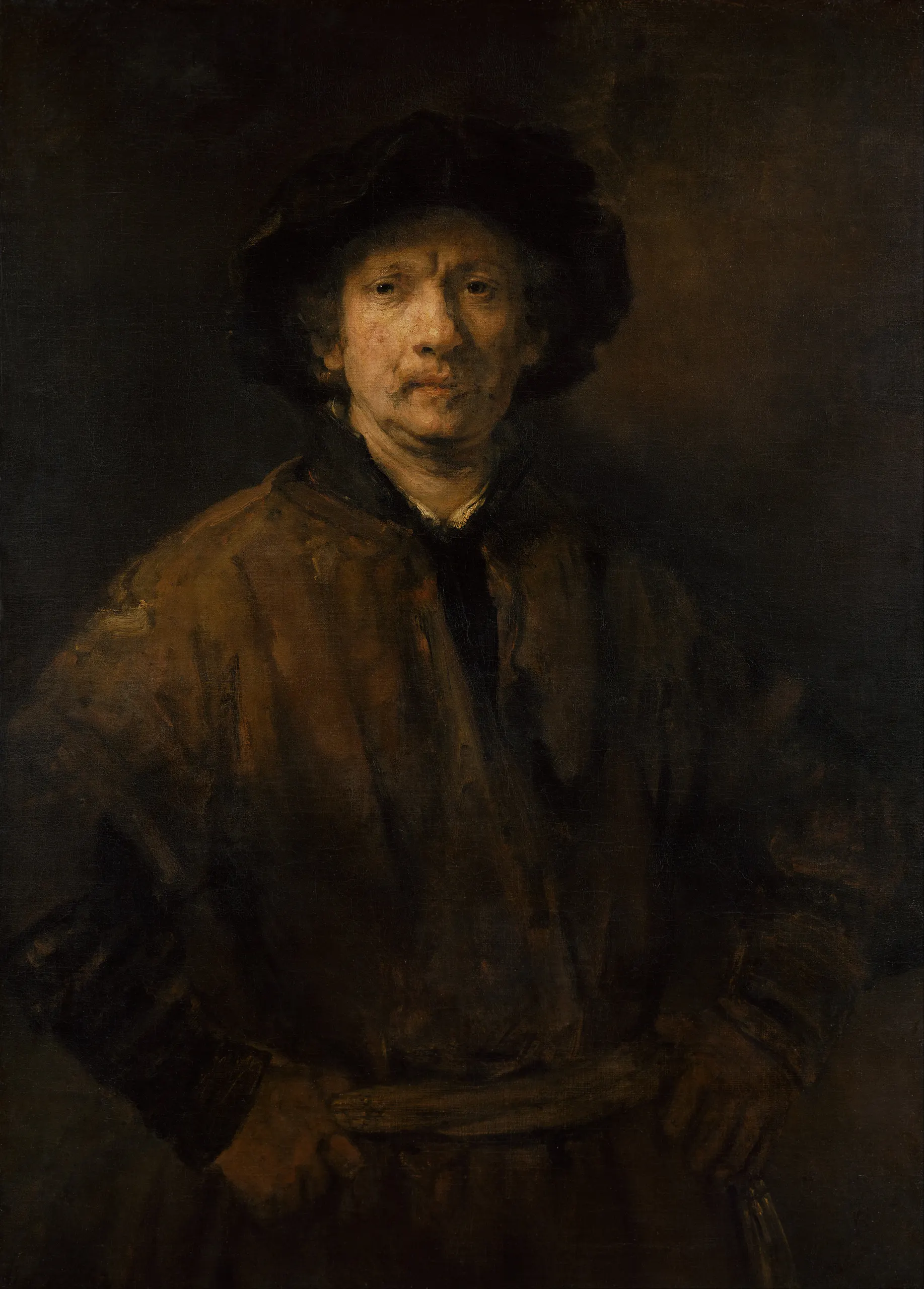
Rembrandt
Awards & Honours
0
Awards Won
3
Honours
3
Records
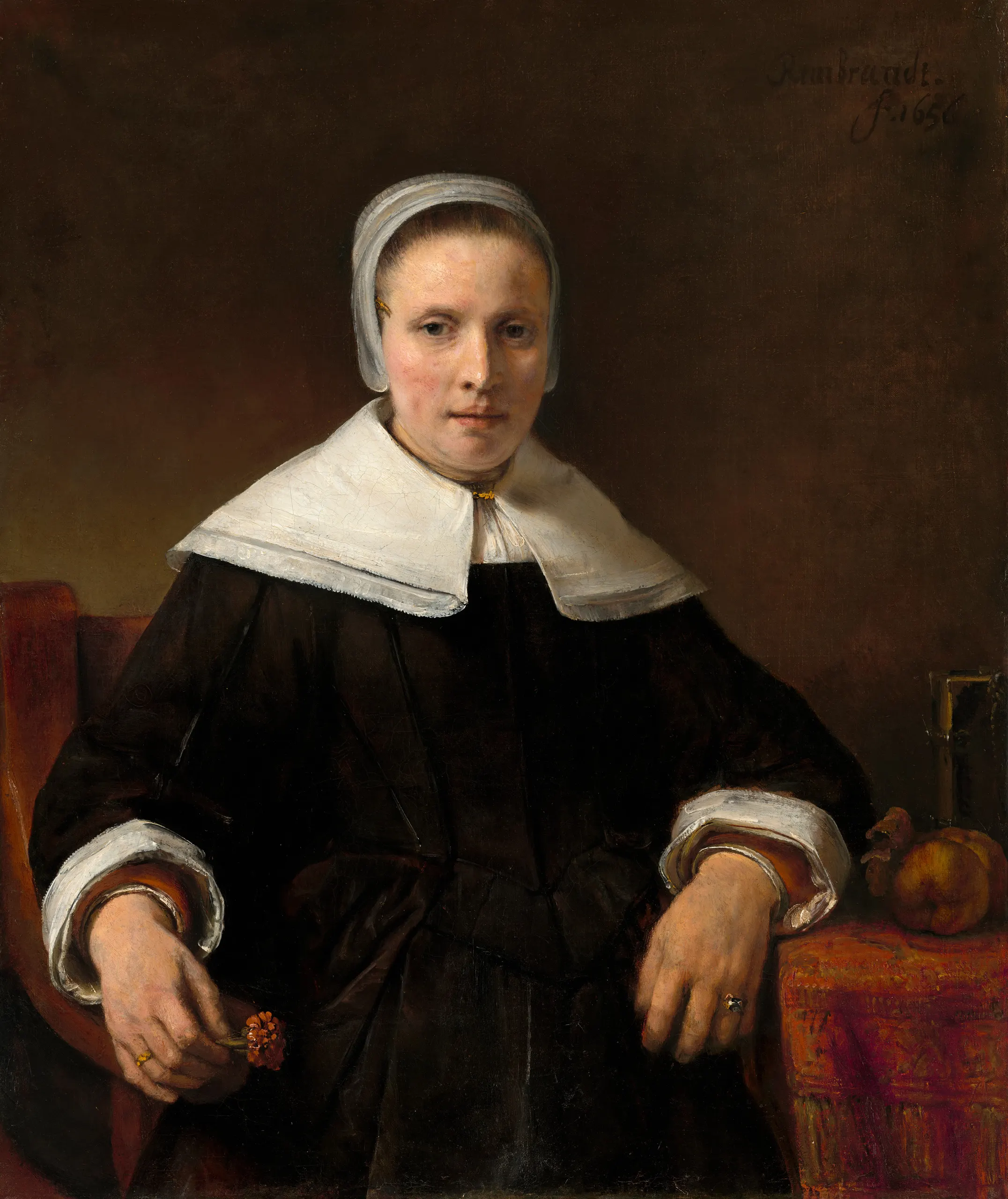
There is no trophy cabinet, and there could not be one. Rembrandt worked in a republic with no academy prizes and no state honours for painters, and his standing during his lifetime rested on commissions, sales and the opinions of connoisseurs. What he has instead is the most durable kind of recognition: roughly 300 surviving paintings, 300 etchings and several hundred drawings, a self-portrait sequence of around 100 works that no other artist of the period matches, and a place in every survey of Western art. The Rijksmuseum holds The Night Watch; the Rembrandthuis preserves the house he bought on credit in 1639. The Met's Rembrandt and the Ancients, opening in November 2027, is its first major Rembrandt show in more than 20 years, which tells you how much material there still is to organize. The recognition is institutional, slow and apparently permanent.
Honours & Distinctions
The Rembrandthuis
The house on the Jodenbreestraat that Rembrandt bought on credit in 1639 is preserved as a museum dedicated to his life and work.
The Night Watch in the Rijksmuseum
The militia portrait of 1642 is the centerpiece of the Rijksmuseum's Gallery of Honour and one of the most visited paintings in the world.
Rembrandt and the Ancients
Scheduled for 7 November 2027 to 6 February 2028, billed as the Met's first major Rembrandt exhibition in more than 20 years.
Records & Feats
Around 100 self-portraits, more than 40 of them paintings
No other seventeenth-century artist left a comparable visual record of a single face across a lifetime, from the age of 23 to 63.
Roughly 300 surviving etchings
One of the largest and most technically inventive print oeuvres of the Dutch Golden Age, sold steadily during his lifetime and circulated across Europe.
The Night Watch broke the convention of the static militia portrait
The 1642 commission shows the company in motion rather than in a fixed row, a departure that changed how group portraits were composed.