Rekhmire
 Egypt
EgyptVizier•Mayor of Thebes•High Priest of Annu
Birthday
Birth Sign
Birthplace
Egypt
Age
Died at 0
About
Rekhmire was an ancient Egyptian noble and high-ranking official of the 18th Dynasty, serving as Vizier and Governor of Thebes under Pharaohs Thutmosis III and Amenhotep II, around 1400 BCE. He was the nephew of Vizier User, who had served during Queen Hatshepsut's reign, continuing a family tradition of high administrative service. Rekhmire's duties included overseeing the judicial system, tax collection, and the daily governance of Egypt's most important city. He also held the religious office of High Priest of Annu (Heliopolis).
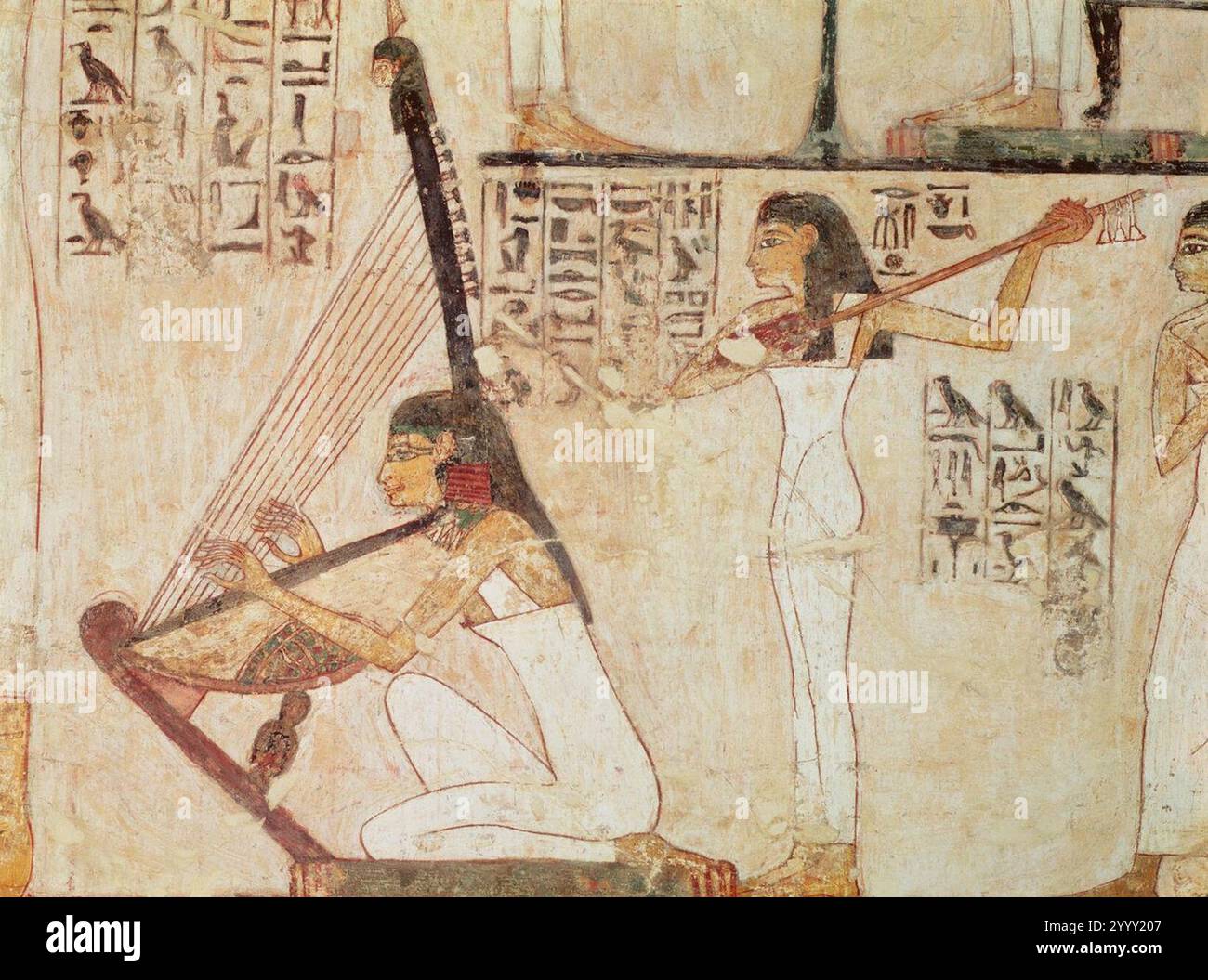
His enduring legacy rests on his tomb, TT100, located in Sheikh Abd el-Qurna in the Theban Necropolis. The tomb is renowned for its vibrant, well-preserved scenes of daily life, including agriculture, crafts, and foreign tribute. It also contains a complete copy of the 'Installation of the Vizier,' a crucial text on administrative ethics. The precise circumstances of his downfall remain unclear; scholars suspect he fell into disgrace and was deposed, as his tomb was left unfinished or partially erased. Despite this, his tomb remains one of the most important sources for understanding New Kingdom governance and society.
Early Life & Background
Rekhmire was born in Egypt, likely into a family with a long tradition of serving in the royal administration. His uncle, User, held the vizierate during the reign of Queen Hatshepsut, and Rekhmire followed in his footsteps. Details of his childhood and education are sparse, but his rise to the vizierate indicates he received elite scribal and administrative training typical of the New Kingdom ruling class. He would have studied reading, writing, and the intricacies of Egyptian law and governance, preparing him for a career in the bureaucracy.
His early career likely involved positions within the administration, gaining experience in tax collection, justice, and city management. His family connections would have opened doors, but his own competence and loyalty were essential for advancement. By the time Thutmosis III ascended the throne, Rekhmire had proven himself capable, eventually being appointed Vizier and Mayor of Thebes, the most powerful official after the pharaoh.
Career Growth
Rekhmire's appointment as Vizier marked the peak of his career, making him the most powerful official in Egypt after the pharaoh. He served under Thutmosis III and continued under Amenhotep II, a period of stability and expansion. His responsibilities included overseeing the judicial system, tax collection, and the daily governance of Thebes. He also held the religious office of High Priest of Annu, adding spiritual authority to his political power.
His tomb, TT100, commissioned around 1400 BCE, is among the largest noble tombs from the early New Kingdom. It features vivid scenes of daily life, including agriculture, crafts, and processions of tribute from foreign lands. One notable scene depicts Cretans bringing gifts, preserved through a facsimile by artist Nina de Garis Davies, now in the Metropolitan Museum of Art. The tomb also contains the 'Installation of the Vizier,' a text outlining the ethical and administrative duties of the office, considered a key source for Egyptologists.
Despite his successes, Rekhmire's later years are shrouded in mystery. Scholars suspect he fell into disgrace and was deposed, possibly due to a political shift. His tomb's unfinished or partially erased decorations hint at a sudden loss of favor, though the exact cause remains unknown.
Career Timeline
Public Image & Style
Rekhmire's public image is defined by his role as a powerful New Kingdom administrator and his lavishly decorated tomb. The tomb's vibrant paintings of daily life have made it a popular destination for Egyptology enthusiasts and tourists visiting Luxor. Travel guides note that while some find the tomb's paintings less artistically refined than other noble tombs, its historical importance is undisputed. The tomb's content is frequently used in educational contexts, including PBS's NOVA programming.
For modern audiences, Rekhmire represents the pinnacle of ancient Egyptian bureaucracy, and his tomb offers an intimate glimpse into the lives of both the elite and common workers. The mystery of his downfall adds an element of intrigue, making him a figure of scholarly and popular fascination.
Fame & Fandom
Rekhmire never needed a fan club to secure his place in history, yet the crowds that gather at his tomb in Sheikh Abd el-Qurna function as a modern congregation of Egyptology enthusiasts. These visitors do not hold birthday billboards or stream chart pushes; they stand before vibrant reliefs documenting the daily governance of Thebes and the arrival of tribute from distant lands. There is no formal name for this audience beyond the broad categories of historians, students, and tourists who study the site. While some guides note that the artistic refinement of the paintings varies compared to other noble tombs, the historical weight of the location remains undisputed. iFANN has evaluated Rekhmire's standing in the global cultural landscape. As of August 2026, Rekhmire is currently ranked outside the Global Top 1,000 and holds no placement in any Top-100 scope list. He does not appear on the published rankings despite the enduring interest in his legacy. This absence from the charts reflects his status as an ancient figure rather than a contemporary celebrity with active media cycles or viral social media trends. The only interaction possible between him and the public occurs through the physical preservation of TT100 or digital experiences like the PBS NOVA interactive 360-degree tour. No organized groups campaign for his recognition because his fame is already cemented in academic circles and museum halls. The lack of a fandom name confirms that no specific community has formed around him as a pop culture icon. His influence remains strictly within the realm of verified archaeological fact, devoid of the rumors or exaggerated tales that often surround living personalities.
Interesting Facts and Legends
The tomb of Rekhmire (TT100) houses a rare depiction of a giraffe, an animal not native to Egypt, which signals trade or tribute connections with southern regions during the 18th Dynasty. Its ceiling was painted to resemble a starry night sky, a motif common among elite burials of the New Kingdom. Rekhmire held the title 'High Priest of Annu,' linking him directly to the cult of the sun god Ra at Heliopolis, one of Egypt's most significant religious centers. The 'Installation of the Vizier' text found within his tomb stands as one of the most detailed documents regarding ancient Egyptian government ethics. A PBS NOVA interactive 360-degree tour featured the tomb, allowing virtual visitors to explore its chambers remotely. Beyond these facts, the tomb itself serves as the primary legendary artifact surrounding the official. It offers a rare glimpse into the administration of the state under Thutmose III, documenting the arrival of foreign dignitaries and the offering of tribute. This preservation acts as a crucial primary source for historians studying daily life and trade systems. The narrative of Rekhmire is one of verified documentation rather than folklore, with no unverified legends circulating about his personal life or supernatural abilities.
Family & Personal Life
Rekhmire's family background is known primarily through his uncle, Vizier User, who served during Hatshepsut's reign. This connection indicates a dynastic tradition of high administrative service. No records survive of Rekhmire's spouse or children, as ancient Egyptian officials' personal lives were rarely documented in such detail. His family's influence likely helped his rise, but his own abilities secured his position.
Notable Connections
Relationships & Dating History
Historical records do not preserve information about Rekhmire's spouse, children, or personal relationships. As an ancient Egyptian official of the 18th Dynasty, such biographical details were not typically recorded in surviving documentation. His family connection to Vizier User is the only confirmed familial relationship, establishing him as part of a governing dynasty.
Death & Aftermath
Died
circa 1500 BCE
Death Place
Unknown
Cause of Death
Unknown
The painted reliefs in tomb TT100 stand as the only enduring monument to Rekhmire, a vibrant chronicle of administration and ritual that outlived the man by millennia. These scenes, depicting his installation as Vizier and the daily governance of Thebes, were crafted while he was still alive, serving as a permanent memorial chapel rather than a burial site. Scholars infer his death occurred around 1500 BCE based on his tenure under Thutmose III and Amenhotep II, but the exact circumstances remain unknown.
The absence of a burial chamber within this structure suggests his final resting place remains lost to time, leaving the physical reality of his end shrouded in the dust of the Sheikh Abd el-Qurna necropolis. No records exist regarding the specific location of his interment, the details of any funeral rites, or the attendance of mourners during that period.
His legacy survives solely through the archaeological significance of his tomb, which provides modern Egyptologists with crucial insights into New Kingdom administrative ethics. The historical narrative concludes with the preservation of his titles and service period, while the immediate aftermath of his life remains undocumented in surviving texts or excavation findings.
Net Worth (Estate Value)
As an ancient Egyptian official who lived approximately 3,400 years ago, no net worth figures exist for Rekhmire. His wealth would have been considerable in his lifetime, given his high office, but it has no modern financial equivalent. His legacy is instead measured in archaeological and scholarly terms: his tomb remains one of the most important sources for understanding New Kingdom Egyptian administration and daily life.
Awards & Accolades
Known For
Vizier of Upper Egypt
c. 1400 BCE · Vizier
Tomb TT100
c. 1400 BCE · Tomb owner
Keywords
Sources
Quick Facts
- Profession
- Vizier, Mayor of Thebes, High Priest of Annu
- Birthplace
- Egypt
- Died
- circa 1500 BCE
- Gender
- Male
Frequently Asked Questions
Who was Rekhmire in ancient Egypt?
Where is Rekhmire's tomb located?
What is the 'Installation of the Vizier'?
How did Rekhmire die?
What makes Rekhmire's tomb significant?
Join the community
fans discussing