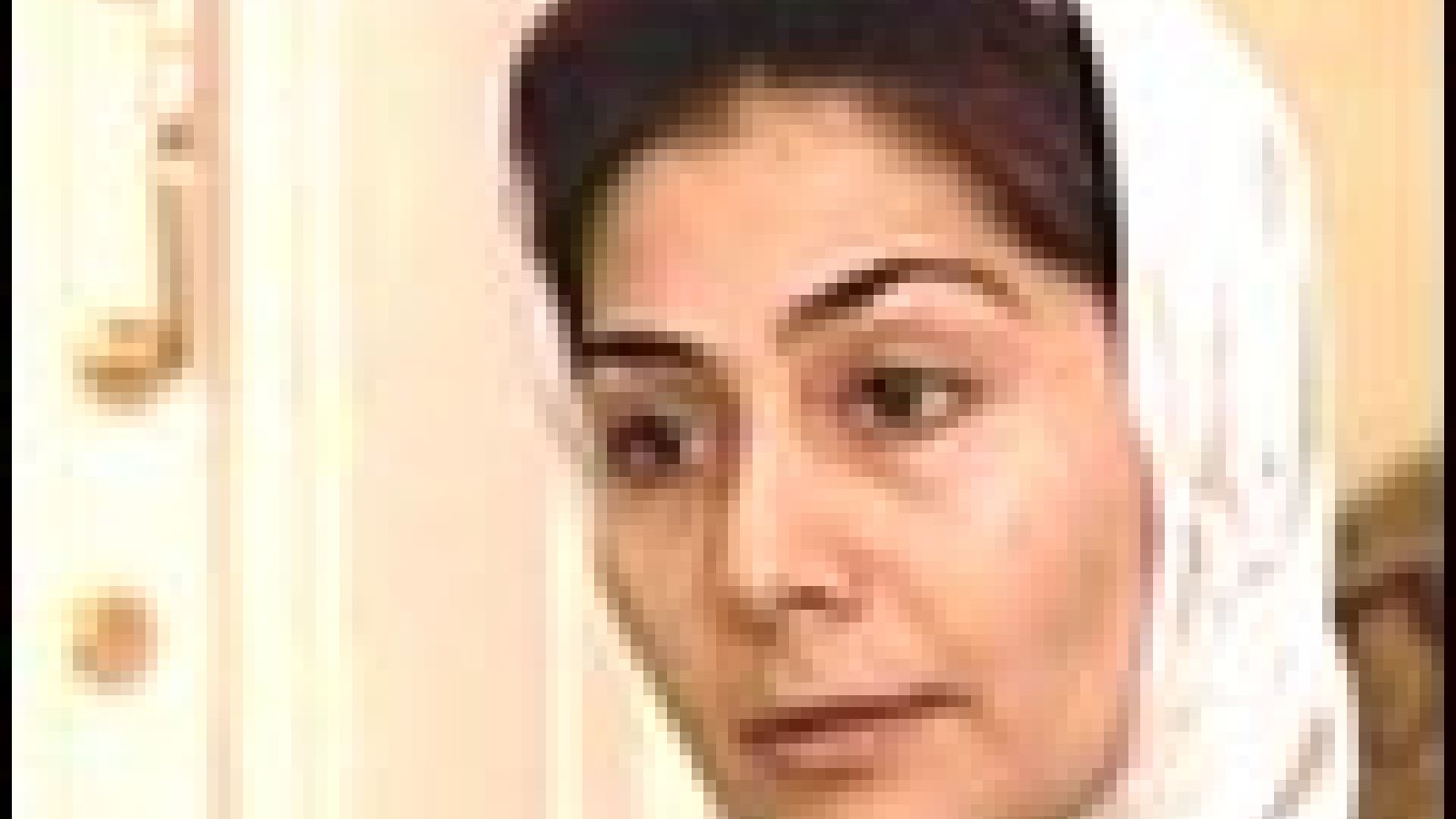
Rana Hussein
 Iraq
IraqAlso known as: Rana Saddam Hussein
Birthday
September 20, 1969
Birth Sign
Virgo
Birthplace
Baghdad, Iraq
Age
57 years old
About
Rana Hussein is the second-eldest daughter of Saddam Hussein, the former president of Iraq, and his first wife, Sajida Talfah. Born in Baghdad, she spent her early years inside the presidential palaces, shielded from the outside world. Her life was tied to the regime's inner circle, and her marriage to a cousin was arranged to consolidate family power.
Following the 2003 U.S.-led invasion of Iraq, Rana fled to Jordan, where she was granted asylum. She has lived there quietly ever since, rarely appearing publicly. When she does speak, it is often to defend her father's memory or describe the family's ordeal. She remains a private figure, known mainly through her connection to one of the 20th century's most controversial leaders.
Early Life & Background
Rana Saddam Hussein was born into the heart of Iraq's ruling family. Her father, Saddam Hussein, had not yet become president when she was born in 1969, but he was already a powerful figure in the Ba'ath Party. She grew up in the presidential palaces, where every aspect of life was controlled. Education was private, and loyalty to the regime was drilled into everything.
Her early years were marked by extreme privilege. She had access to the best tutors, luxury goods, and a lifestyle far removed from the average Iraqi. Yet the family was also isolated, with few true friends. Rana's world revolved around her parents, her siblings, and the expectations placed on the daughters of the president.
As a young woman, she was groomed for a strategic marriage. In the late 1980s, she married her cousin, Saddam Kamel al-Majid, a match designed to strengthen ties within the extended family. The wedding was a grand affair, held in one of the palaces, and it cemented her place in the regime's inner circle. Before the invasion, she had no public career or independent identity; her role was defined entirely by her family.
Career Growth
Rana Hussein never had a conventional career. Her public role was tied to her status as the president's daughter. In the years before 2003, she appeared at state functions, often alongside her father, particularly at events highlighting women's issues or cultural initiatives. These appearances were carefully staged to project an image of modernity and strength.
The 2003 invasion changed everything. As U.S. forces closed in on Baghdad, Rana fled with her sister Raghad and her mother, Sajida Talfah, crossing into Jordan. They were granted asylum in July 2003. Since then, she has lived a reclusive life in Amman.
In the years since, she has occasionally given interviews to international media, expressing love for her father and claiming ignorance of his whereabouts after he vanished in December 2003. She has not remarried, nor has she pursued any public business or political ventures. Her life remains defined by her family's history, and she has largely stayed out of the spotlight.
Career Timeline
Public Image & Style
Rana Hussein's public image is shaped by her father's infamy and her own reclusiveness. She is seen as a tragic figure, caught between loyalty to her family and the horrors associated with the regime. In rare interviews, she has spoken of her father with affection, which has drawn criticism from those who see her as an apologist.
Her style, when photographed, is modest and understated, a contrast to the opulence of her childhood. She rarely engages with the media, and her social media presence is minimal, with most accounts under her name being fan tributes.
To many in the Middle East, she represents the remnants of a brutal dictatorship. To others, she is a symbol of the personal cost of political upheaval. Her public persona remains a complex mix of privilege, loss, and silence.
Fame & Fandom (iFAMOUS Rankings)
Rana Hussein maintains a distinct global profile defined by historical significance rather than contemporary celebrity culture, with her name appearing consistently in discussions regarding the former Iraqi regime. According to the iFANN Global Fame Rankings, she is currently ranked as the 8th most famous person from Iraq, a position holding steady from the previous cycle within the August 2026 data set. This placement reflects her enduring recognition as a key figure in the Hussein family dynasty, situated firmly within the scope of Iraqi political history and international media coverage of the region's modern conflicts. While her visibility fluctuates with geopolitical events, her standing remains stable among figures associated with that specific national narrative. Regarding her audience, there is no documented formal fandom name or organized fanbase dedicated to Rana Hussein herself. The few online presences bearing her name, such as the Instagram account @rana_sad39, appear to be niche tributes to her father rather than official channels for a collective following. Consequently, no fan rituals, campaigns, or specific interactions between the subject and a public have been recorded, distinguishing her status from entertainment figures who command active, named communities.
Interesting Facts and Legends
Rana Hussein's life contains several lesser-known details that distinguish her experience from other members of the Hussein family. She was deeply affected by the defection and subsequent execution of her husband, Saddam Kamel, in 1996; he fled to Iran only to return under false promises of amnesty before being killed shortly after. Unlike some relatives who sought refuge elsewhere, Rana has remained in Jordan since receiving asylum in 2003. In rare interviews, she often speaks warmly of her father, describing him as a loving parent, a stance that occasionally draws criticism from those viewing her as an apologist for the regime. A frequent point of confusion involves her identity; she is often mistaken for Rana Husseini, a prominent Jordanian journalist known for exposing honor killings, yet they are entirely different individuals. Additionally, while social media accounts like @rana_sad39 exist, they function as fan-run tributes to Saddam Hussein rather than official profiles for Rana. There are no widely retold legends or viral moments associated with her public persona, as her narrative remains strictly biographical and historical rather than mythological.
Notable Quotes
“We love our father... We don't know where he is.”
“I am not a politician. I am just a daughter.”
Family & Personal Life
Rana Hussein was born to Saddam Hussein and Sajida Talfah, his first wife. She has two sisters, Raghad and Hala, and two brothers, Uday and Qusay. The family was tightly knit, but also marked by tragedy. Her brothers were killed in 2003 after a firefight with U.S. forces.
Her marriage to Saddam Kamel al-Majid, her cousin, was arranged to solidify family alliances. They had no known children. After his death in 1996, she did not remarry.
Today, she lives in Jordan with her mother, Sajida, who remains a matriarchal figure. The family keeps a low profile, avoiding political statements that could jeopardize their asylum. Rana's life is a quiet one, centered on family memory and the legacy of her father.
Notable Connections
Relationships & Dating History
Rana Hussein's romantic history is brief and tied to the political machinations of her family. In the late 1980s, she married her cousin, Saddam Kamel al-Majid, the eldest son of Saddam's brother Barzan al-Tikriti. The marriage was a strategic alliance to keep power within the extended family.
Tragedy struck in August 1996. Saddam Kamel and his brother-in-law Hussein Kamel defected to Iran, only to be lured back to Iraq under false promises of amnesty. Upon their return, they were executed by Saddam's security forces. Rana was reportedly devastated, though she maintained a stoic public demeanor.
Since his death, she has not remarried. As of 2026, she is widowed and lives a private life in Jordan. There are no credible reports of other romantic partners.
- MarriedSaddam Kamel al-Majid1989 - 1996Married her cousin in a strategic alliance. He was killed in 1996 after defecting to Iran and returning under false promises of amnesty.
Salary, Net Worth In 2026
$1 Million
iFANN Editorial Team estimate
Estimating Rana Hussein's net worth presents significant challenges given her life in exile and lack of public business ventures. Although the Hussein family accumulated vast wealth during Saddam's rule, much of it was frozen, seized, or lost following the 2003 invasion. Per iFANN's editorial analysis, her personal net worth stands at $1 Million as of 2026. This figure represents a researched editorial estimate based on limited public information and likely reflects personal savings or assets brought into exile. Any substantial family assets located within Iraq were confiscated by the new government. She does not earn a salary or endorse commercial products, and her financial situation appears supported by her mother, Sajida Talfah, who may retain access to funds held abroad. The exact details remain private, and Rana has never discussed her finances publicly.
Awards & Accolades
Known For
Being the daughter of Saddam Hussein
· Public figure
Keywords
Sources
Quick Facts
- Born
- September 20, 1969
- Birthplace
- Baghdad, Iraq
- Gender
- Female
- Spouse
- Saddam Kamel al-Majid
- Birth Sign
- Virgo
- Relationship Status
- Widowed
Personal Details
- Full Name
- Rana Saddam Hussein
- Spouse
- Saddam Kamel al-Majid
Frequently Asked Questions
Who is Rana Hussein?
Is Rana Hussein still alive?
What happened to Rana Hussein's husband?
Where does Rana Hussein live now?
Does Rana Hussein have children?
Similar People
Join the community
fans discussing