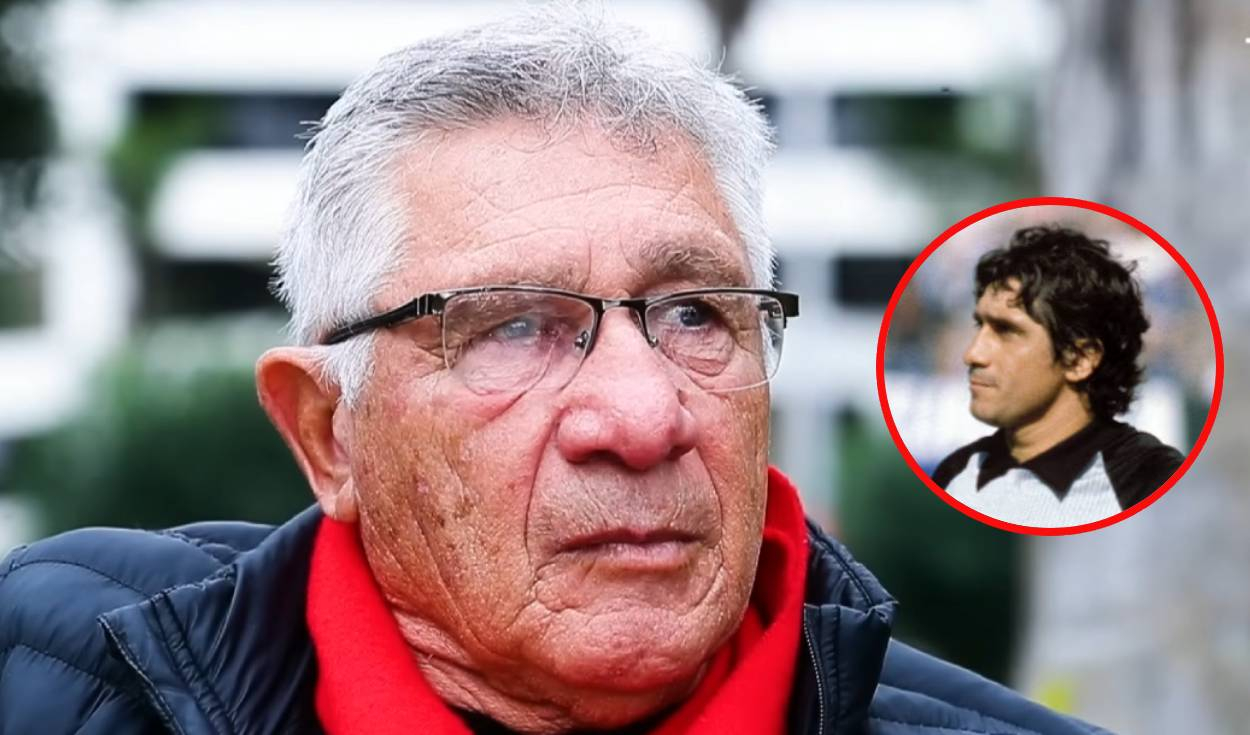
Ramón Quiroga
 Peru
PeruFootballer (goalkeeper) and coach
Also known as: Ramon Quiroga
Birthday
July 23, 1950
Birth Sign
Leo
Birthplace
Rosario, Argentina
Age
76 years old
Height
5 ft 8 in (1.72 m)
About
Ramón Quiroga Arancibia is an Argentine-born Peruvian former footballer and coach. He earned 40 caps for the Peru national team as a goalkeeper, a remarkable achievement for someone born outside the country. Quiroga's career spanned several clubs, and after retiring, he transitioned into coaching. He currently serves as a youth coach at Cienciano, a Peruvian club based in Cusco.
Known for his agility and reflexes despite his modest height for a goalkeeper, Quiroga became a fan favorite in Peru. His international career reached its peak during the 1978 FIFA World Cup in Argentina, where he faced his home country in a memorable match. Today, he is remembered as a historic figure in Peruvian football, part of the celebrated generation that put Peru on the global stage.
Early Life & Background
Ramón Quiroga was born in Rosario, Argentina, a city with a rich footballing tradition. Growing up, he developed a passion for the game, playing in local youth teams. Details about his early education are scarce, but his talent as a goalkeeper was evident from a young age. He began his professional career in Argentina, playing for lower-league clubs before seeking opportunities abroad.
In the early 1970s, Quiroga moved to Peru, where he joined a local club. This move proved pivotal, as he quickly impressed with his shot-stopping abilities. After establishing residency, he underwent naturalization to become a Peruvian citizen, a process that allowed him to be eligible for the national team. His dedication and performances in the Peruvian league caught the attention of national selectors, leading to his first call-up in the mid-1970s.
Career Growth
Quiroga's breakthrough came when he earned his first cap for Peru, becoming one of the few foreign-born players to represent the nation. He quickly became the first-choice goalkeeper, known for his acrobatic saves and command of the penalty area. His crowning moment came at the 1978 World Cup in Argentina, where he started in all of Peru's group matches, including a famous 4-1 loss to Brazil and a 0-0 draw with the Netherlands.
In the second group stage, Peru faced Argentina in a match that ended 6-0, a result surrounded by controversy. Despite that setback, Quiroga's performances throughout the tournament solidified his status. He continued to represent Peru in qualifiers and Copa América tournaments until the mid-1980s, earning 40 caps in total. After retiring as a player, he moved into coaching, focusing on youth development. As of 2026, he works at Cienciano in Cusco, mentoring young goalkeepers.
Career Timeline
Public Image & Style
In Peruvian football circles, Ramón Quiroga is revered as a hero who embraced his adopted nation. Fans admire his commitment and the passion he showed wearing the red and white jersey. His legacy is tied to the 1978 World Cup generation, often celebrated in nostalgic social media posts and fan forums.
Quiroga's public persona is that of a humble, dedicated professional who let his performances speak for themselves. He rarely sought the limelight, and his interviews are scarce. Supporters appreciate his authenticity and the fact that he chose to represent Peru, a decision that endeared him to millions.
Fame & Fandom (iFAMOUS Rankings)
Ramón Quiroga remains a revered figure within Peruvian football history, though his global footprint does not currently place him in the iFANN Global Top 1,000 rankings. As of August 2026, the iFANN Global Fame Engine has evaluated his standing and determined that he holds no placement in the published rankings, reflecting a legacy rooted deeply in specific historical moments rather than contemporary celebrity metrics. His recognition is sustained by sports historians and enthusiasts who track the evolution of South American soccer, particularly those studying the unique narratives of naturalized players. While modern icons often cultivate massive, organized fanbases with named identities, Quiroga's audience consists of loyalists who revere his role in the 1978 World Cup generation without formalizing their support into a branded group. There is no documented fandom name associated with him, as his status transcends the typical pop-culture structures that define fan engagement for today's stars. Instead, his influence persists through nostalgic discussions on forums and social media posts celebrating his agility and the emotional weight of facing Argentina in his birthplace. This lack of a formalized fan structure does not diminish his impact; it simply highlights how his fame operates differently from current trends, relying on enduring respect for his athletic achievements rather than active, managed campaigns or rituals.
Interesting Facts and Legends
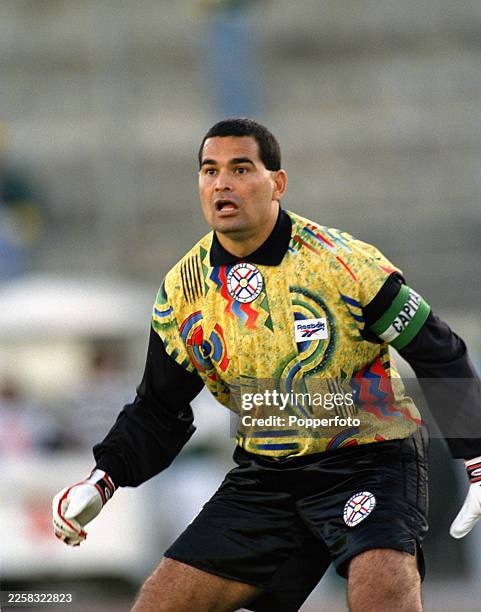
Born in Rosario, Argentina, Ramón Quiroga stands out as one of the few foreign-born players to earn 40 caps for Peru, a feat that cemented his status as a national hero despite his origins. He was famous for wearing vibrant goalkeeper jerseys that made him instantly recognizable on the pitch, compensating for his modest height with incredible reflexes and positioning. The most defining chapter of his career occurred during the 1978 FIFA World Cup in Argentina, where he faced his home country in a match steeped in controversy. A legendary story from that tournament describes the intense pressure he faced against the Argentine attack in Rosario, an emotional homecoming where he stood as the last line of defense before the floodgates opened in a 6-0 victory for Peru. Fans still retell tales of his resilience during this chaotic encounter, viewing it as a moment where he symbolically bridged two rival nations. Beyond the World Cup, his longevity allowed him to play at a high level well into his mid-30s, securing four domestic league titles with his clubs. Throughout his life, he has remained largely detached from political debates surrounding his historic matches, focusing instead on his love for the game and his humble persona.
Family & Personal Life
Ramón Quiroga keeps his family life private, and little is known about his parents or siblings. He has never publicly discussed his childhood household, preferring to keep those details out of the spotlight. After moving to Peru, he settled there and started his own family, but he has not shared information about his spouse or children in public forums.
His dedication to football often took precedence, and he has lived a relatively low-key life away from the cameras. As of 2026, he resides in Peru, where he continues to work as a coach, but specifics about his immediate family remain undisclosed.
Notable Connections
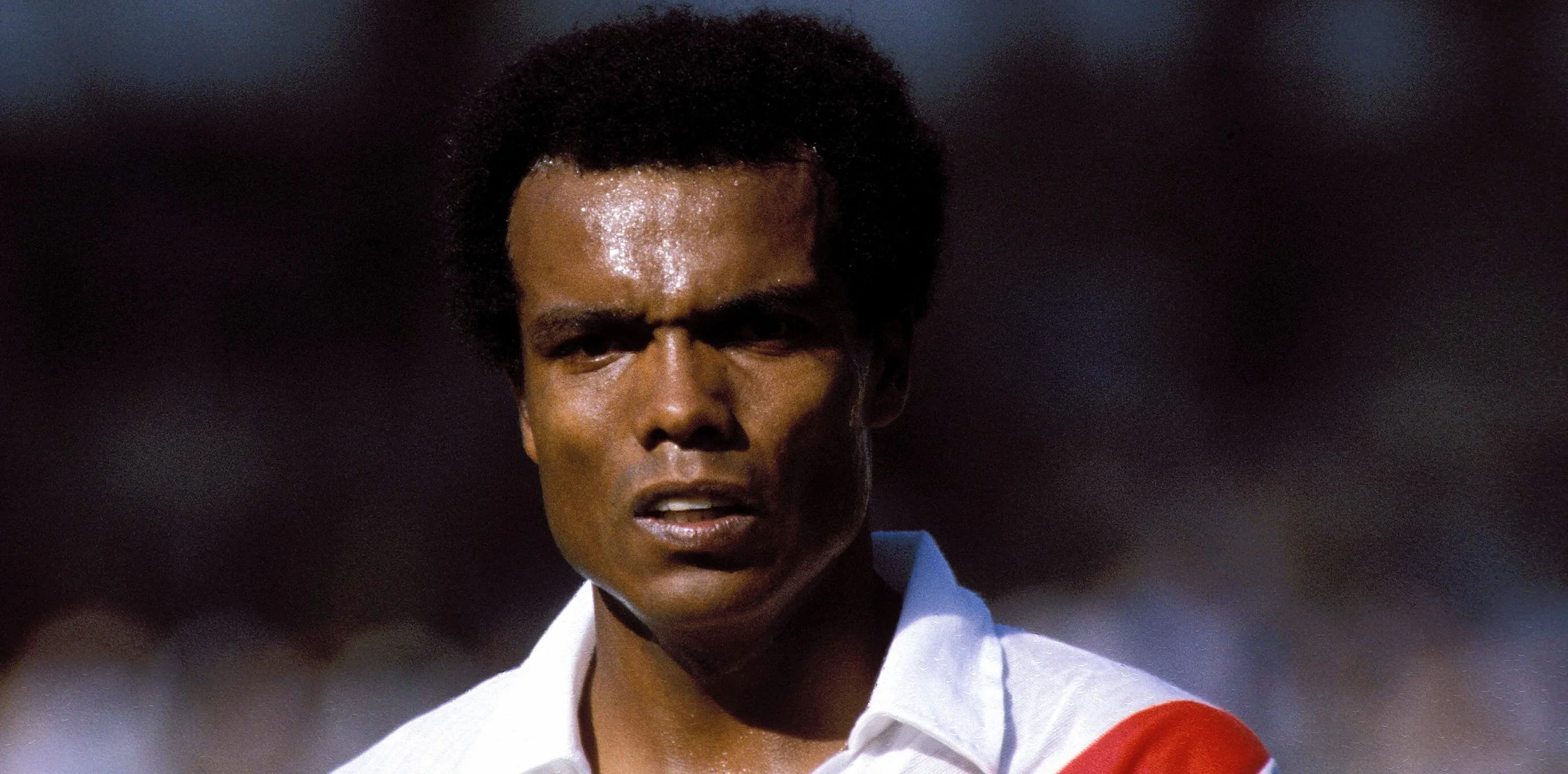
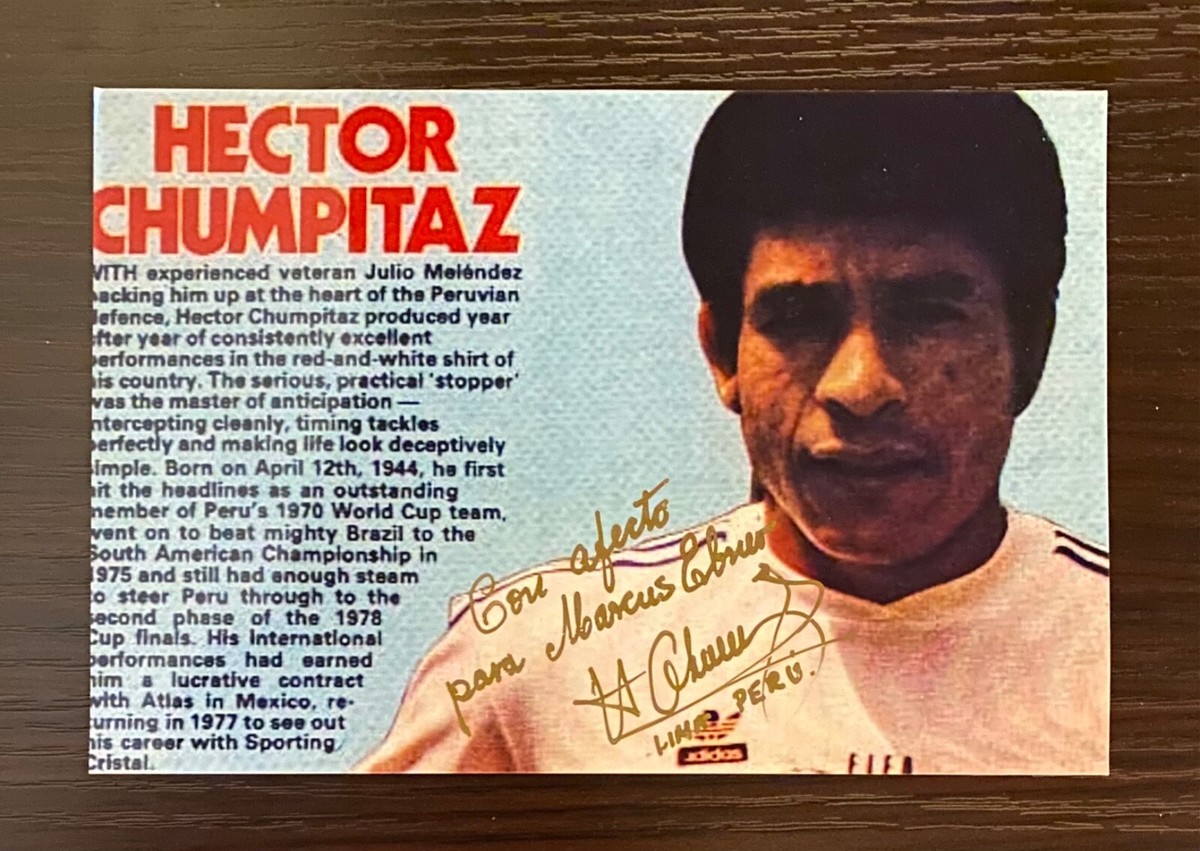
Quiroga was part of the Peru squad that included legends like Teófilo Cubillas and Héctor Chumpitaz. He also faced some of the greatest players of his era, including Diego Maradona in the 1978 World Cup. Off the pitch, he has been linked with Peruvian football figures through his coaching career.
Relationships & Dating History
Ramón Quiroga has kept his romantic life entirely out of the public eye. There are no credible reports of any marriages, engagements, or long-term relationships. He has never been linked to any high-profile partners, and his private nature means that as of 2026, his relationship status remains unknown.
It is possible that he is married or has been, but without confirmation, any details would be speculation. His focus has always been on football, and he has successfully shielded his family from media attention.
Salary, Net Worth In 2026
$1 Million
iFANN Editorial Team estimate
Ramón Quiroga's net worth is not publicly documented in traditional financial records, but per iFANN's editorial analysis, his total assets are estimated at $1 Million as of 2026. Most of his wealth stems from his coaching salary at Cienciano and the modest earnings accumulated during his playing days. Unlike modern superstars, he did not amass vast fortunes through endorsements or frequent media appearances. His financial situation reflects a career dedicated entirely to the sport rather than commercial ventures. He has lived a modest life, and any additional income likely comes from occasional appearances or tributes. Given his age and retirement status, his net worth is expected to remain stable.
Awards & Accolades
View 1 records, honours and achievementsKnown For
Peru national team
1975-1985 · Goalkeeper
1978 FIFA World Cup
1978 · Goalkeeper
Keywords
Sources
Quick Facts
- Profession
- association football player, association football coach
- Born
- July 23, 1950
- Birthplace
- Rosario, Argentina
- Height
- 5 ft 8 in (1.72 m)
- Nationality
- Argentine-born, Peruvian naturalized
- Caps for Peru
- 40
- Position
- Goalkeeper
Personal Details
- Full Name
- Ramón Quiroga Arancibia
- Height
- 5 ft 8 in (1.72 m)
Frequently Asked Questions
Where was Ramón Quiroga born?
How many caps did Ramón Quiroga earn for Peru?
Did Ramón Quiroga play in the 1978 World Cup?
What is Ramón Quiroga doing now?
Is Ramón Quiroga still alive?
Social Media
Join the community
fans discussing