Rahima Banu
Awards & Honours
0
Awards Won
3
Honours
1
Rankings
4
Covers
1
Records
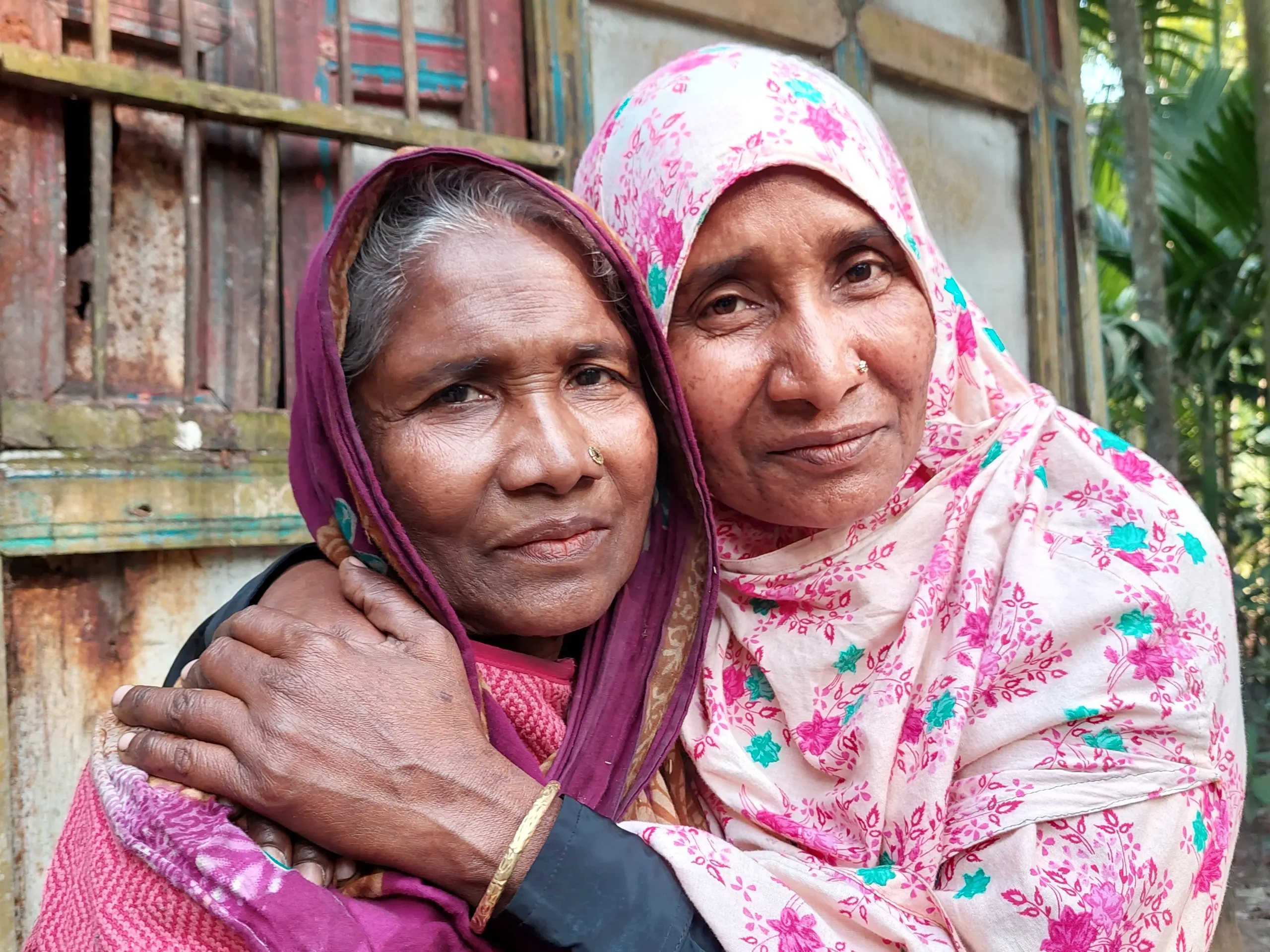
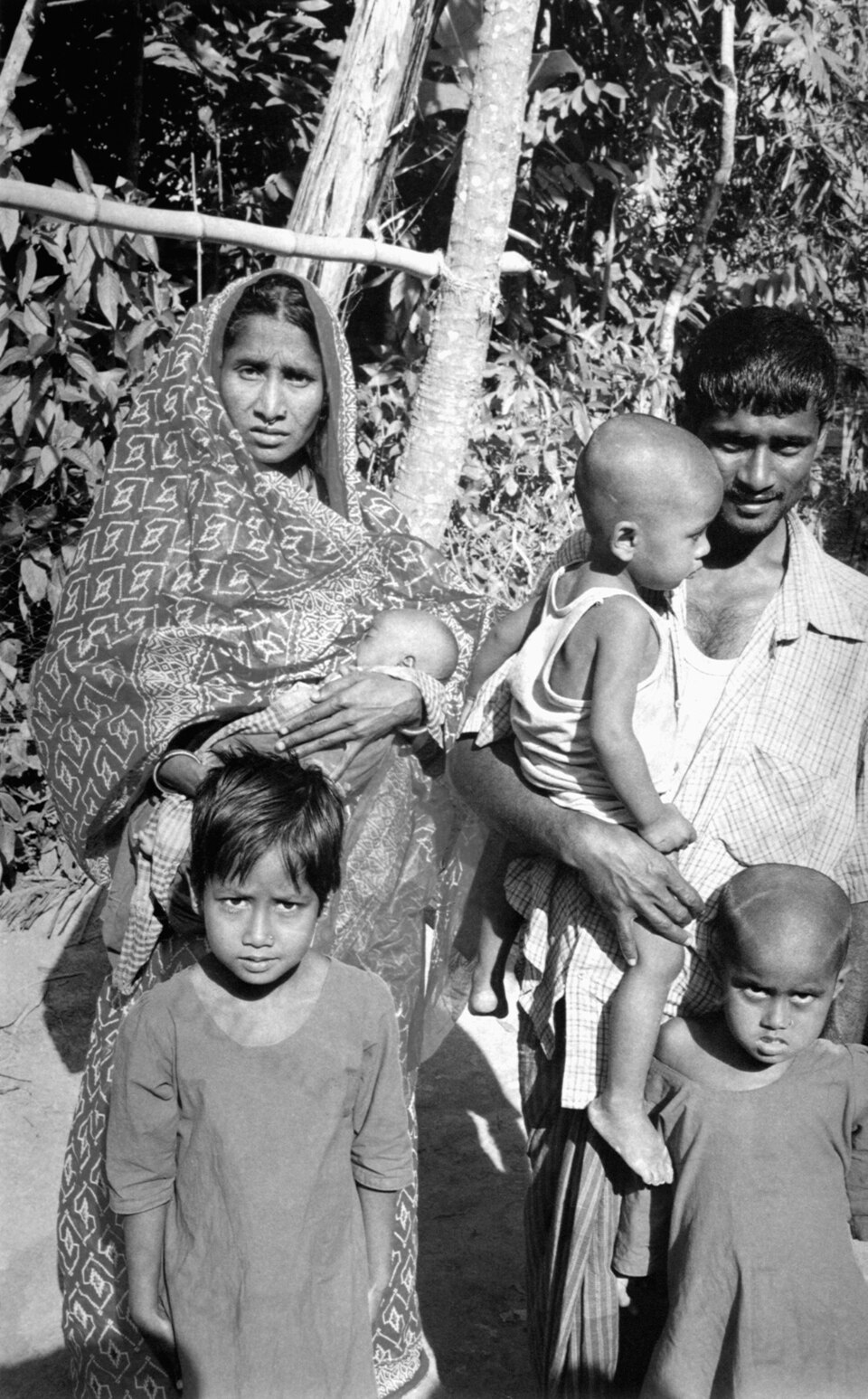
Rahima Banu's achievement is not measured in trophies but in the eradication of a disease that plagued humanity for millennia. Her case, contained by a massive global effort, proved that smallpox could be stopped in its tracks. The world was declared smallpox-free in 1980, and her survival is a testament to the power of vaccination and international cooperation. She holds the unique distinction of being the last person ever to suffer from the deadliest form of smallpox, a record that will never be broken. Her story is taught in public health courses and cited in medical literature as a case study in effective disease control.
Honours & Distinctions
Symbol of Smallpox Eradication
Recognized as the final case of naturally occurring Variola major, a cornerstone of the eradication declaration.
Featured in CDC Historical Materials
Her case is referenced in the CDC's official history of smallpox eradication.
Documentary and Journalistic Recognition
Featured in major media pieces on pandemic lessons and the end of smallpox.
Rankings & Lists
Last case of naturally occurring Variola major smallpox
Magazine Covers
The Atlantic
August 2022
What I Learned From the World's Last Smallpox Patient
The Atlantic
December 9, 2013
The Last Smallpox Patient on Earth
NPR
May 20, 2022
How Rahima came to hold a special place in smallpox history
KFF Health News
November 8, 2023
What I Learned From the World's Last Smallpox Patient
Records & Feats
Last person to contract naturally occurring Variola major smallpox
Her October 1975 case was the final natural infection of the deadliest smallpox strain, leading to the global eradication declaration in 1980.