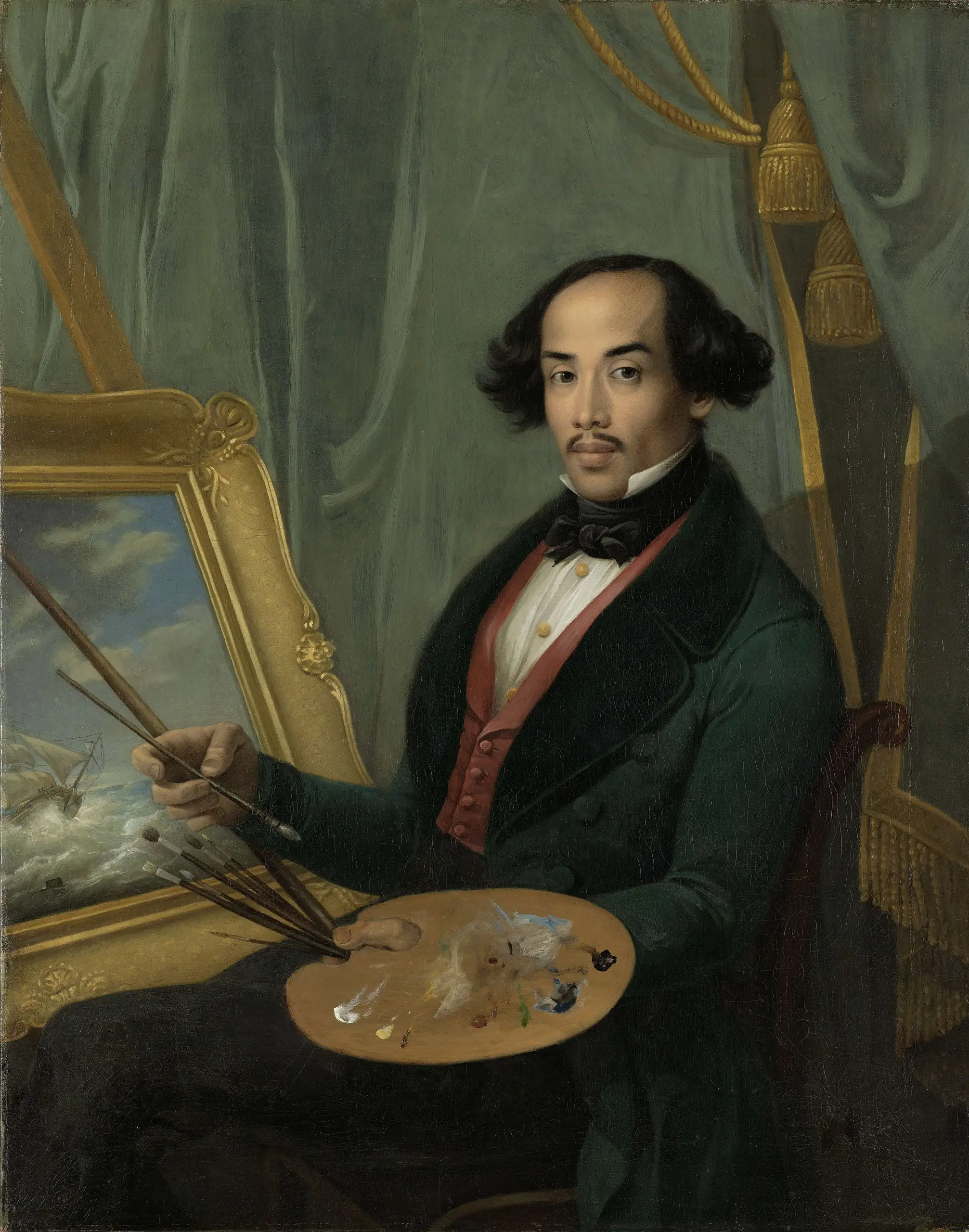
Raden Saleh
 Indonesia
Also known as: Raden Saleh Sjarif Boestaman, Raden Salekh, Radèn Salèh, Prince Raden Saleh Ben Jaggia
Birthday
January 1, 1811
Birth Sign
Capricorn
Birthplace
Semarang, Java
Age
Died at 69
About
Raden Saleh Sjarif Boestaman (c. 1811 – 23 April 1880) was a pioneering Romantic painter from the Dutch East Indies, born in Semarang, Java. Of Arab-Javanese descent, he is widely recognized as the first modern artist from Indonesia. His work blended European Romanticism with his own cultural heritage, creating a unique visual language that captured both the drama of nature and the nuances of Javanese life.
Today, his paintings hang in prestigious collections across the globe, including the National Gallery of Indonesia and the Rijksmuseum. He is remembered not just for his technical mastery of light and composition but for his role as a cultural diplomat who successfully navigated the aristocratic circles of 19th-century Europe while maintaining his identity as a Javanese noble. His estate continues to generate significant value through high-profile auctions and licensing deals managed by museums and the Indonesian state.
Early Life & Background
Raden Saleh entered the world around 1811 in Semarang, on the island of Java, during the height of Dutch colonial rule. Born into a noble family, his father served as a regent, placing the young boy within the local aristocracy. His mother was of Arab descent, giving him a mixed heritage that would later define his unique perspective. Unlike many of his contemporaries who were confined to traditional Javanese arts, Saleh displayed an early aptitude for drawing and painting.
His formal education began under the guidance of a Belgian artist named A.A.J. Payen. This mentorship was pivotal, as Payen recognized Saleh's talent and introduced him to European techniques and perspectives. This connection served as the catalyst for his journey abroad. In 1829, at approximately eighteen years old, Saleh traveled to the Netherlands, marking the beginning of his international career. He studied in The Hague under the landscape painter Cornelius Kruseman and later with Andreas Schelfhout, mastering the genres of landscape and portraiture. His time in Europe took him through major cultural centers including Berlin, Paris, and Dresden, where he absorbed the prevailing Romantic style. By the mid-1830s, he was already gaining patronage among Dutch nobility, setting the stage for his breakthrough.
Career Growth
Saleh's career is defined by his ability to navigate two distinct worlds: the European courtly sphere and the Indonesian archipelago. After arriving in the Netherlands, he quickly gained patronage, painting portraits of Dutch nobility and landscapes. He moved to Germany, spending significant time in Dresden and Berlin, where he produced some of his most famous works. His Lion Hunt (1841) and Wounded Lion showcased his mastery of dynamic composition and animal anatomy, earning him acclaim in Berlin and Vienna.
One of his most historically significant projects was the massive canvas depicting the arrest of Prince Diponegoro by the Dutch in 1830. Although he painted it decades after the event, based on his eyewitness account, the work served as a subtle critique of colonial betrayal. Saleh returned to Java in 1852, bringing with him a European sensibility. He settled in Bogor, where he worked as a conservator for the colonial government but continued to paint. His later works often depicted Javanese wildlife and landscapes, such as Volcanic Eruption and Tiger Hunt. Despite producing a relatively small body of work compared to European contemporaries, his paintings are now considered foundational to Indonesian art history.
Career Timeline
Public Image & Style
Raden Saleh is portrayed as a visionary, a cultural diplomat, and a tragic hero. Media and scholars emphasize his role as a bridge between the East and West, noting his struggle to maintain his identity while succeeding in European circles. His aesthetic is characterized by dramatic lighting, intense emotion, and a fusion of exotic and classical elements. He is often referred to as the "superstar" of the nation's art history, a title that elevates him above mere historical figures to the level of cultural myth.
Fame & Fandom (iFAMOUS Rankings)
iFANN has evaluated Raden Saleh but he does not currently hold a placement in the published Global Top 1,000 rankings. His fame is rooted in cultural permanence rather than viral moments. While there is no organized fan club in the traditional pop-culture sense, Raden Saleh has a devoted following among art historians, collectors, and the Indonesian public. This community is characterized by academic study, museum visits, and participation in cultural preservation efforts. The group is not found on social media hashtags but in the reverence shown in galleries and the high-stakes bidding wars at auctions. His presence is felt whenever collectors bid for pieces like the upcoming Sotheby's lot in Singapore, where a volcanic landscape painting is expected to command significant sums, proving that his appeal transcends mere historical interest to become a living economic force.
Interesting Facts and Legends
The most defining moment in Raden Saleh's visual legacy remains his depiction of the Arrest of Prince Diponegoro, a scene he witnessed firsthand during negotiations in 1830. He transformed this political betrayal into a powerful narrative of tragedy, creating a cornerstone of Indonesian national identity. His reputation was further cemented in Europe through dramatic works like Lion Hunt and Wounded Lion, which showcased a revolutionary blend of Western Romanticism and exotic violence. A popular story often retold in cultural circles involves the theft of one of his paintings, a plot point from the novel Pangeran dari Timur where a character blackmails boys to replace the original with a forgery. While this specific incident is fictional folklore rather than documented history, its existence highlights how deeply embedded his art has become in the Indonesian consciousness. Scholars universally accept his title as the first modern artist from Indonesia, a status earned by being the first Javanese Muslim to travel to Europe, master Western styles, and achieve international acclaim before returning to Java to influence a generation of painters.
Notable Quotes
“I want to capture the tragedy and betrayal of the event.”
Family & Personal Life
Raden Saleh was born into a noble Javanese family with Arab ancestry. His father was a regent, a local ruler, which placed the family within the aristocracy. His mother was of Arab descent, contributing to his mixed heritage. Historical records do not document any marriages, engagements, or public romantic relationships. While he lived among European courts and interacted with high society in Berlin and Paris, there is no evidence of a spouse or children. He spent his final years in solitude in Bogor, focusing on his art and his role as a cultural intermediary until his death.
Notable Connections
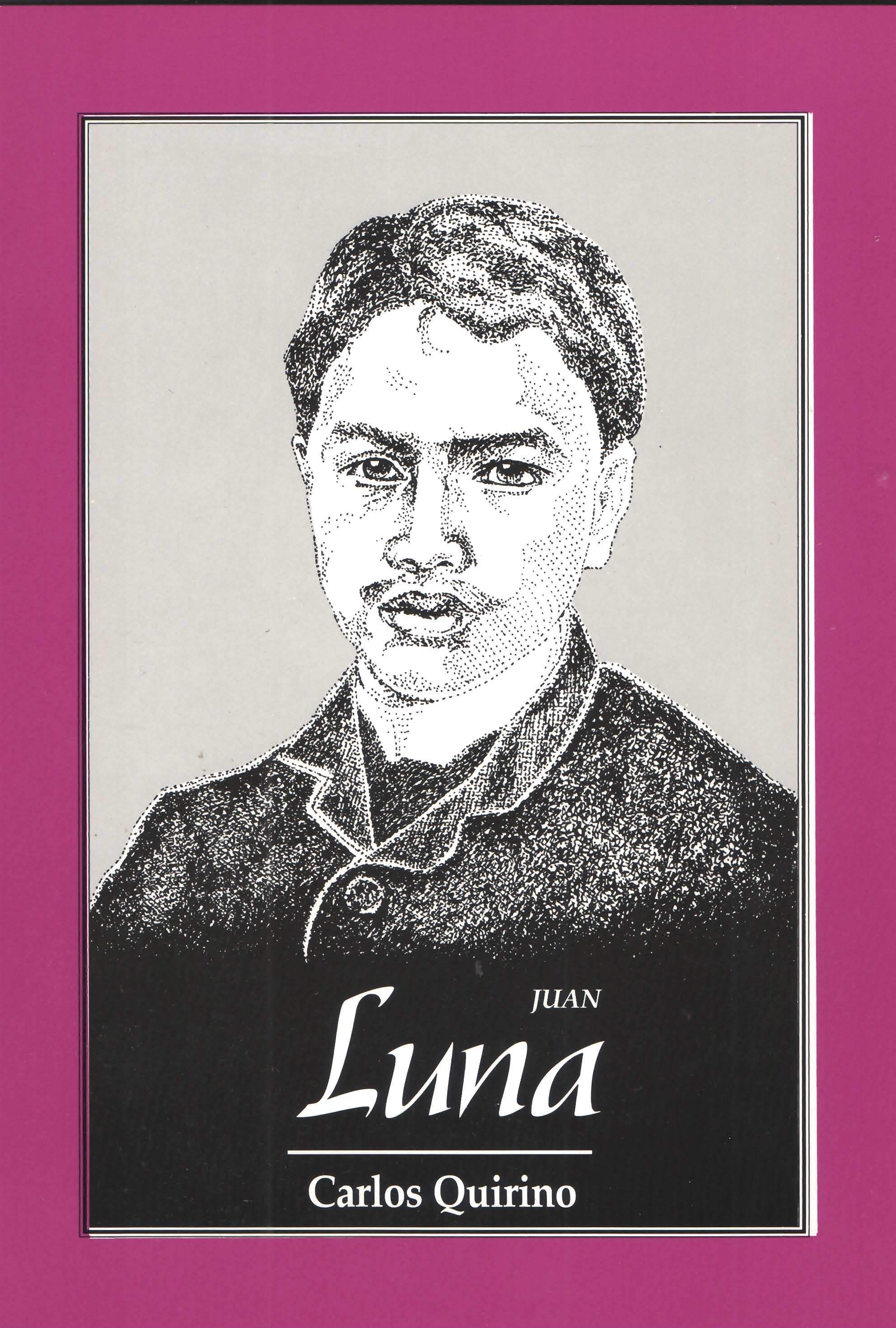
Cornelius Kruseman, Andreas Schelfhout, Prince Diponegoro, King Frederick William IV of Prussia, Juan Luna.
Relationships & Dating History
Raden Saleh remained unmarried throughout his life. Historical records do not document any marriages, engagements, or public romantic relationships. While he lived among European courts and interacted with high society in Berlin and Paris, there is no evidence of a spouse or children. The existing data indicates he had no known romantic partners, and thus no dating history or marital status other than being single. He spent his final years in solitude in Bogor, focusing on his art and his role as a cultural intermediary until his death.
Death & Aftermath
Died
April 23, 1880 (aged 69)
Death Place
Bogor, Java
Cause of Death
Natural causes
Raden Saleh spent his final years in the Dutch East Indies, settling into a quiet life in Java after decades of navigating European courts and studios. On April 23, 1880, the pioneering artist passed away at the age of approximately sixty-nine, marking the end of a career that had bridged two worlds through his unique blend of Romanticism and Javanese heritage. While historical records confirm the date of his passing, the specific circumstances surrounding his final days remain unrecorded in available sources. The lack of contemporary documentation regarding his funeral or burial means that neither the location nor the attendees of his memorial service are known to history.
Unlike modern figures whose deaths often trigger immediate public tributes or media surges, Raden Saleh's passing did not generate recorded vigils or formal statements from institutions at the time. His legacy, however, has endured long after his departure, with his works continuing to be celebrated as foundational to Indonesian art history. Decades later, exhibitions such as Between Worlds: Raden Saleh and Juan Luna brought renewed attention to his contributions, while auction houses like Sotheby's have featured his pieces in recent years. In September 2026, the restoration of his historic Neo-Gothic residence in Cikini was completed, transforming it into a dedicated museum to ensure his story remains accessible to future generations.
Net Worth (Estate Value)
$50 Million
iFANN Editorial Team estimate
As a deceased historical figure, Raden Saleh does not have a personal net worth in the contemporary sense. However, his estate, comprising his remaining artworks and intellectual property, holds immense value. Research by the iFANN Editorial Team puts his estate's value at around $50 Million. His paintings have sold for significant sums at auction, with works like Volcanic Eruption expected to command high figures in the 2026 Sotheby's auction in Singapore. There is no single "estate manager" in the celebrity sense; rather, his works are managed by museums, galleries, and the Indonesian state. The revenue generated from licensing, exhibitions, and sales goes to these institutions and the national treasury. The total oeuvre is valued in the tens of millions of dollars, making him one of the most valuable artists in Indonesian history.
Awards & Accolades
View 6 records, honours and achievementsKnown For
The Arrest of Prince Diponegoro
1857 · Painter
Lion Hunt
1841 · Painter
Volcanic Eruption
1851 · Painter
Keywords
Sources
Quick Facts
- Profession
- curator, painter, draftsperson
- Born
- 1811
- Birthplace
- Semarang
- Died
- 1880
- Death Place
- Bogor
- Gender
- Male
- Birth Sign
- Capricorn
Personal Details
- Full Name
- Raden Saleh Sjarif Boestaman
- Children
- Education
- Studied under A.A.J. Payen; trained by Cornelius Kruseman and Andreas Schelfhout in The Hague
Frequently Asked Questions
Who was Raden Saleh?
When did Raden Saleh die?
What is Raden Saleh's most famous painting?
Where was Raden Saleh born?
Is Raden Saleh still alive?
Similar People
Join the community
fans discussing