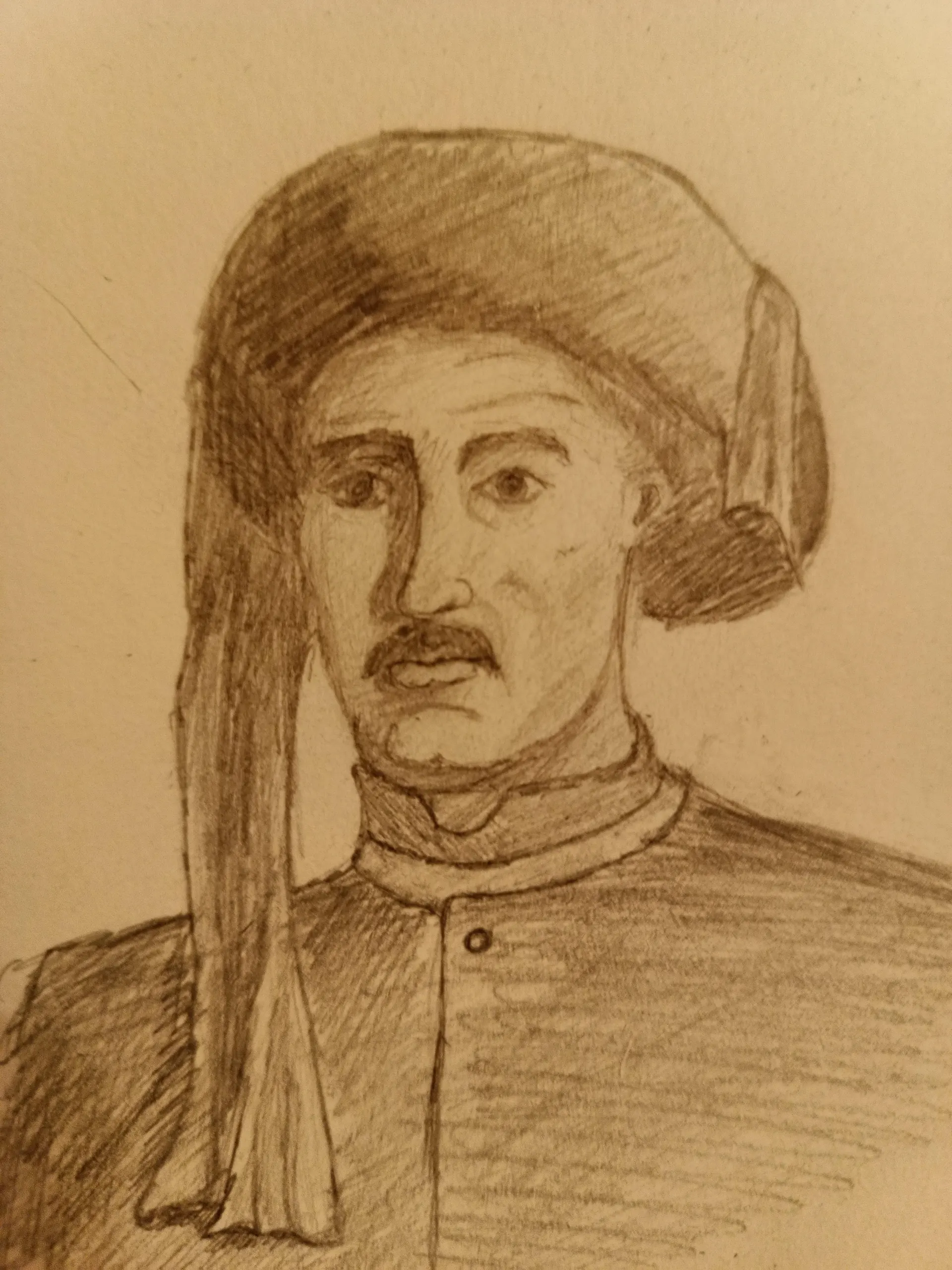
Prince Henry the Navigator
 Portugal
military officer•discoverer•patron of exploration
Also known as: Infante Dom Henrique, Henrique de Avis
Birthday
March 4, 1394
Birth Sign
Pisces
Birthplace
Porto, Portugal
Age
Died at 66
About
Prince Henry the Navigator was a pivotal Portuguese prince who initiated the Age of Discovery without ever commanding a ship himself. Born Infante Dom Henrique in Porto on March 4, 1394, he was the third son of King John I of Portugal and Queen Philippa of Lancaster. His life centered on the Algarve region where he established a headquarters at Sagres to coordinate maritime expansion. He transformed Portugal into a leading naval power by funding expeditions that mapped the western coast of Africa and opened new trade routes.
His career began with military service during the 1415 conquest of Ceuta, a North African port that sparked his lifelong interest in exploring beyond Europe. Henry dedicated his resources to developing the caravel, a highly maneuverable ship capable of sailing against the wind, and gathered cartographers and astronomers to improve navigation techniques. Although modern historians debate the formal nature of his "school" at Sagres, it served as a vital hub for innovation. He died on November 13, 1460, leaving behind a legacy that reshaped global geography and commerce.
Early Life & Background
Henry’s early years were defined by the martial and religious fervor of the House of Aviz. Raised in a court influenced by his mother, Queen Philippa, he received an education steeped in military strategy and navigation rather than traditional royal duties. This upbringing prepared him for a life of service to both the Crown and the Church. A defining moment occurred in 1415 when the twenty-one-year-old prince joined his father and brothers in the siege of Ceuta. The successful capture of this strategic Moorish stronghold earned him the knighthood of the Order of Christ and ignited a passion for expanding Christian influence and Portuguese territory.
Following the victory at Ceuta, Henry turned his gaze toward the Atlantic Ocean. He became obsessed with the idea of finding allies among the Christians of Ethiopia and establishing trade routes around the Muslim-controlled territories of North Africa. Before any major discoveries were made, he spent years gathering intelligence and planning expeditions from his base at Sagres. He recruited Jewish and Arab experts to help refine maps and navigational tools. By the late 1410s, he had organized the first systematic attempts to round Cape Bojador, a psychological barrier that had terrified sailors for centuries. These early efforts laid the groundwork for the great voyages that would follow.
Career Growth
The breakthrough for Henry came in 1418 when Gil Eanes successfully rounded Cape Bojador under his sponsorship. This achievement shattered the myth that the ocean beyond the cape was filled with monsters and boiling waters, opening the door to further exploration of West Africa. Throughout the 1420s, Henry directed expeditions that discovered Madeira and the Azores, claiming these islands for Portugal and establishing them as agricultural colonies. He also founded a navigation center at Sagres where he coordinated the work of shipbuilders, cartographers, and astronomers.
By the 1430s, Portuguese caravels were reaching the Gulf of Guinea and the Senegal River. Henry’s patronage funded the transatlantic slave trade and the gold trade, which brought immense wealth to Portugal. His systematic approach to exploration allowed ships to reach Sierra Leone by the time of his death in 1460. The economic impact of his work transformed Portugal into the dominant naval power of the era, securing lucrative trade routes that would fuel the empire for centuries. His successors, including King Afonso V and later John II, continued to expand upon the foundations he built.
Career Timeline
Public Image & Style
Historical portraits depict Henry as a pious, determined, and visionary figure often shown wearing the robes of the Order of Christ. Modern media frequently labels him the "father of modern exploration," though contemporary discourse increasingly balances this view by acknowledging his role in initiating the slave trade. His public image remains tied to the Age of Discovery, characterized by maps, compasses, and the caravel ships that bore his plans across the water. He is remembered as a man of unwavering resolve who sought to expand Christianity and Portuguese influence through maritime means.
Fame & Fandom
iFANN has not yet collected fame data for this person. While there are no modern ranking scores available, his historical significance remains absolute in the fields of maritime history and exploration. He consistently appears on lists of the most influential figures of the 15th century and is universally recognized as the primary architect of the Age of Discovery. His name is synonymous with the beginning of global maritime trade.
There is no organized pop-culture fandom for Prince Henry. Instead, his admirers consist of historians, students of maritime history, and members of the Portuguese diaspora who celebrate his contributions to national identity. Educational initiatives, historical reenactments, and commemorative events keep his memory alive. In July 2026, crew members of the Portuguese tall ship Sagres honored him during a visit to New Bedford, Massachusetts, highlighting his enduring connection to American maritime heritage. These tributes serve as the closest equivalent to fan engagement, focusing on his legacy rather than celebrity culture.
Interesting Facts and Legends
Despite being known as "the Navigator," Prince Henry never sailed on an ocean voyage himself. He remained on land at Sagres, orchestrating expeditions from his headquarters. Another common misconception is the existence of a formal "School of Navigation" at Sagres; while he did gather experts there, it functioned more as an informal collection of scholars rather than an official institution. Henry was also the Grand Master of the Order of Christ, a successor to the Knights Templar, and used its vast wealth to finance his explorations. This order later played a crucial role in funding Vasco da Gama's voyage to India. His expeditions also initiated the European slave trade from Africa, a dark aspect of his legacy that is now critically examined alongside his navigational achievements.
Notable Quotes
“It is better to sail to the unknown than to remain in ignorance.”
“I seek to find the Prester John and ally with Christians against the Moors.”
Family & Personal Life
Henry was the third son of King John I of Portugal and Queen Philippa of Lancaster. He grew up with four older brothers and one younger sister, all raised with a strong sense of duty to the Crown. Unlike many of his contemporaries, Henry never married or had children. He lived a celibate life dedicated entirely to his projects and the service of the Church. His closest relationships were with his siblings, particularly his brother Duarte who succeeded their father as king. He also maintained close ties with his trusted captains and advisors, such as Gil Eanes and Nuno Tristão. His household was ascetic, reflecting his deep religious devotion and crusading spirit.
Notable Connections
Relationships & Dating History
Prince Henry never married and remained celibate throughout his entire life. Unlike many of his royal contemporaries, he did not have any romantic partners, engagements, or public rumors of affairs. He dedicated his existence to the service of the Crown, the Church, and his navigational projects. His personal life was marked by ascetic devotion, and he is often described as being "fired all his life by a crusading fervor." Consequently, his status at the time of his death in 1460 was that of an unmarried prince with no heirs. His closest bonds were with his siblings, particularly his brother Duarte, and his trusted captains and advisors like Gil Eanes.
Death & Aftermath
Died
November 13, 1460 (aged 66)
Death Place
Vila do Bispo, Portugal
Cause of Death
Natural causes likely related to age and gout
The passing of Prince Henry the Navigator was met with profound reverence from the Portuguese crown and maritime institutions rather than the mass mourning rituals typical of modern celebrity culture. As a foundational figure in the Age of Discovery, his death was acknowledged through formal tributes, prayers, and commemorations by the clergy and nobility who recognized the magnitude of his contributions to the realm. He died on December 13, 1460, at the town of Sagres or nearby Vila do Infante in the Algarve region, where he had established his naval headquarters. His final days were spent overseeing the continuation of Portuguese exploration efforts, with strategic planning for upcoming voyages along the African coast preceding his rapid health decline.
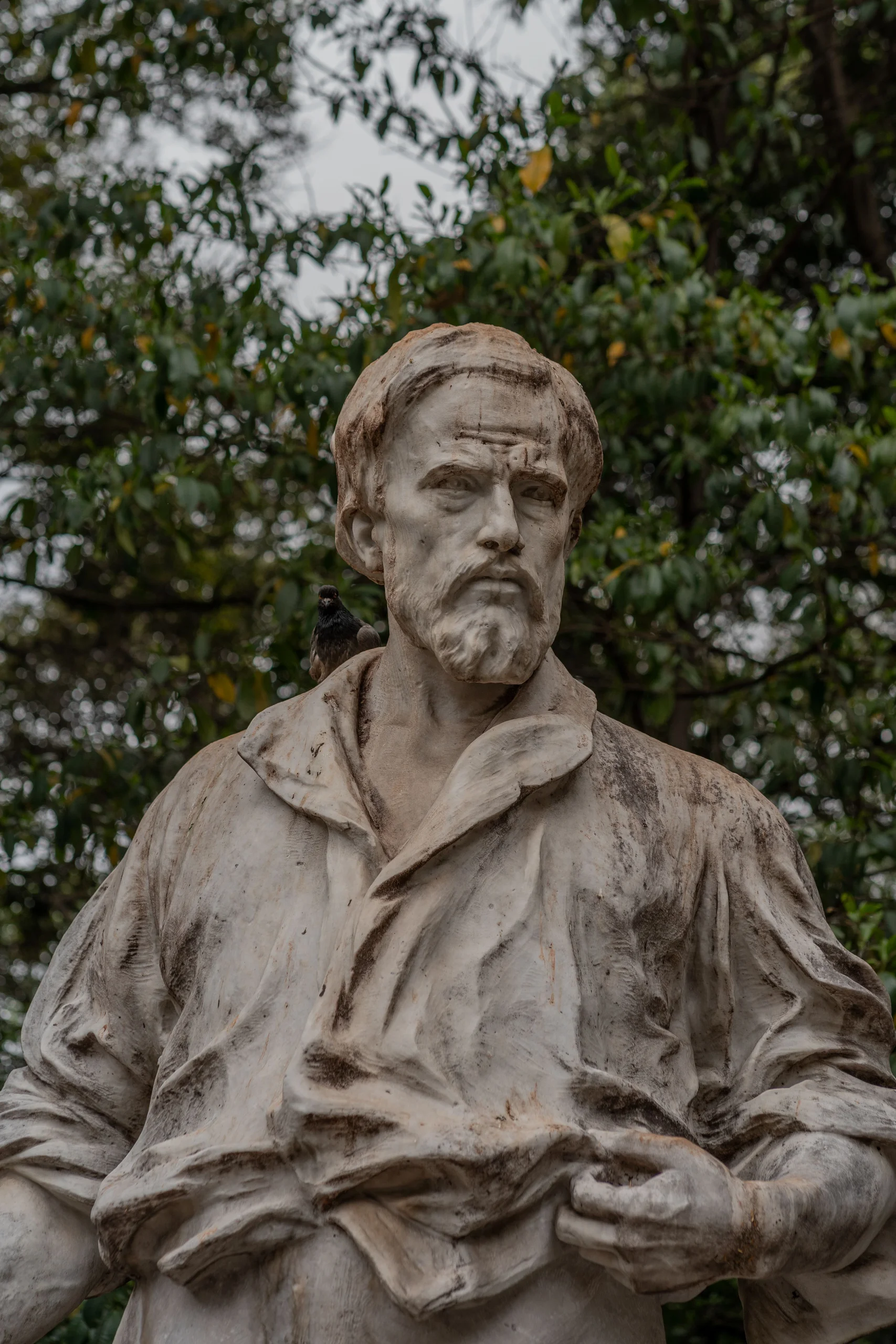
Contemporary accounts attribute his death to natural causes linked to his age and lifestyle, specifically suggesting a prolonged illness likely involving gout or respiratory issues common among the elderly of that era. The funeral was conducted privately by the Portuguese royal family and the Church shortly after his death, with the prince buried in the Convent of Christ in Tomar, a site closely associated with his life's work and the Order of Christ which he led. Posthumously, Prince Henry has been honored through numerous dedications including the Monument of Discoveries in Lisbon completed in 1960, statues in New Bedford and Fall River, Massachusetts, and various academic foundations named in his honor.
Net Worth (Estate Value)
$0
iFANN Editorial Team estimate
As a deceased historical figure from the 15th century, Prince Henry does not have a net worth in the modern financial sense. His wealth was derived from his position as a prince, his inheritance from the Crown, and his control over the vast assets of the Order of Christ. The economic value of his lifetime contributions to the Portuguese economy is incalculable in modern currency, having paved the way for centuries of trade, empire building, and the flow of gold and spices. iFANN currently estimates the modern economic equivalent of his estate's historical impact at $0 as of 2026, noting that his true fortune lies in the geopolitical shifts he engineered rather than liquid assets. The Order of Christ managed his extensive resources, which were later used to fund Vasco da Gama's voyage to India.
Awards & Accolades
View 7 records, honours and achievementsKnown For
Age of Discovery
1415 · Patron and Organizer
Exploration of West Africa
1434 · Sponsor
Discovery of Madeira and Azores
1419 · Patron
Keywords
Sources
Quick Facts
- Profession
- military officer, discoverer, patron
- Born
- March 4, 1394
- Birthplace
- Porto, Portugal
- Died
- November 13, 1460
- Death Place
- Vila do Bispo, Portugal
- Gender
- Male
- Birth Sign
- Pisces
Personal Details
- Full Name
- Infante Dom Henrique
- Children
- Education
- Military strategy and navigation training under Queen Philippa of Lancaster
Frequently Asked Questions
Did Prince Henry the Navigator ever sail?
Why is he called the Navigator?
Did Prince Henry have children?
What was Prince Henry's main contribution?
How did Prince Henry die?
Similar People
Join the community
fans discussing