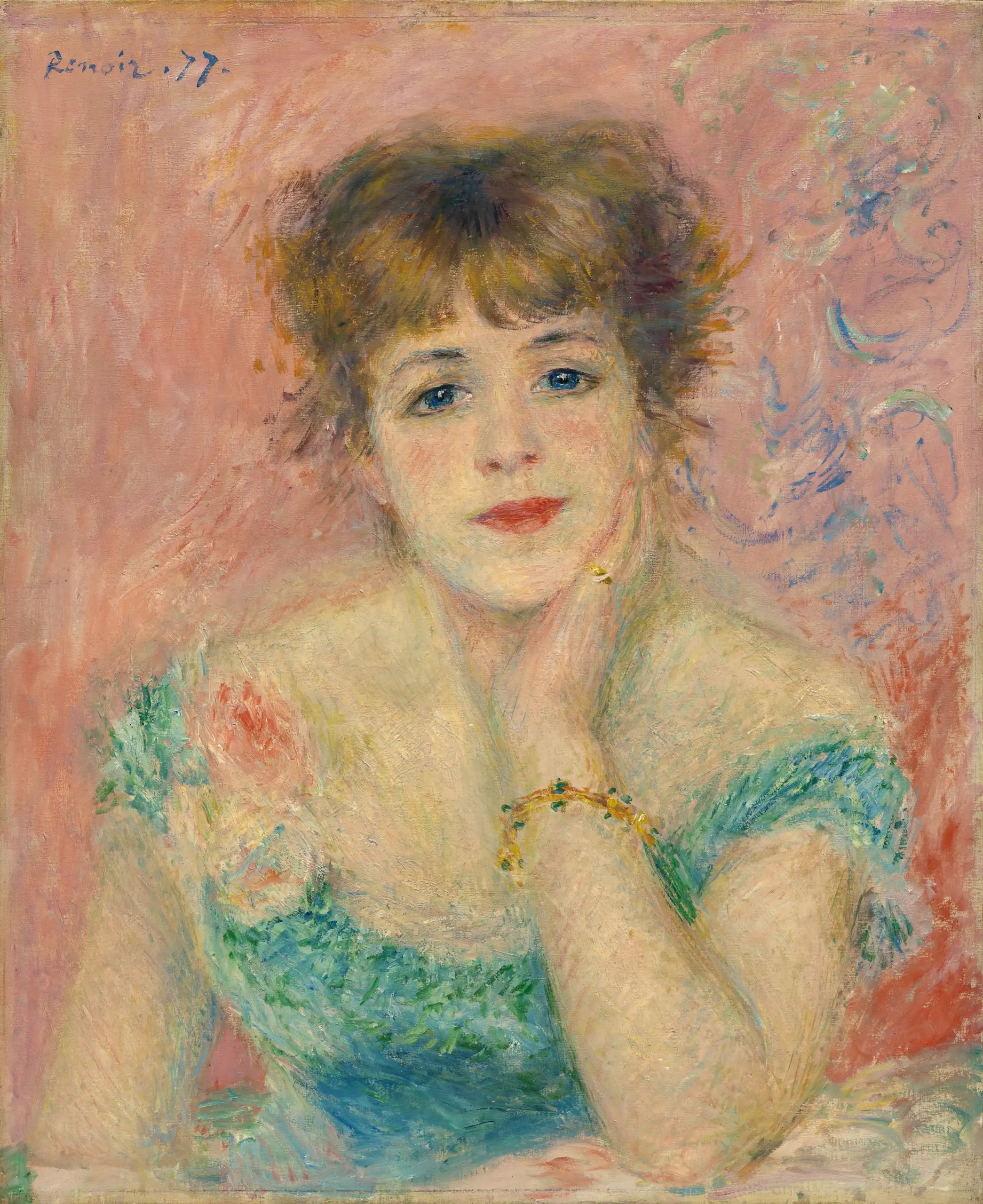
Pierre-Auguste Renoir
 France
Also known as: Auguste Renoir, Pierre August Renoir, P.A. Renoir, Renoir
Birthday
February 25, 1841
Birth Sign
Sagittarius
Birthplace
Limoges, France
Age
Died at 78
About
Pierre-Auguste Renoir was a French painter and a leading figure of the Impressionist movement who passed away in 1919. Born Pierre-François-Marie-Auguste Renoir in Limoges, he spent his formative years in Paris where he developed a style defined by the play of light on skin and fabric. His work captured scenes of leisure and female beauty with a warmth that few peers matched, creating an atmosphere of joy that defined much of late nineteenth-century French art. Critics have noted that his approach to beauty connected him directly to earlier masters like Rubens and Watteau.
Renoir produced thousands of paintings over his long career, ranging from early street scenes to large-scale group compositions. He experimented with different styles as he aged, eventually moving away from the loose brushwork of his youth toward a more structured, classical method. This shift did not diminish his popularity; instead, it solidified his reputation as a master who could adapt while maintaining his unique vision. His ability to render texture and emotion made works like Dance at Le Moulin de la Galette and The Large Bathers essential viewing for anyone studying the era.
Early Life & Background
Pierre-Auguste Renoir arrived in Limoges on February 25, 1841, before his family moved to Paris when he was four years old. The family struggled financially during these early years, with his father working as a tailor and his mother as a seamstress. To support the household, young Pierre-Auguste began working at age 13 as an apprentice in a porcelain factory in Sèvres, near Paris. There he learned the art of painting floral patterns on ceramic plates, a skill that honed his eye for detail and color. By 1858, he had completed his apprenticeship and moved to Paris proper. He initially attended classes at the École des Beaux-Arts but found the rigid academic style stifling. Instead, he sought instruction from Charles Gleyre, a painter who encouraged students to paint outdoors and observe nature directly. During this period, he also met fellow future Impressionists Alfred Sisley, Frédéric Bazille, and Claude Monet, with whom he formed a close artistic bond.
Career Growth
Renoir's career trajectory was defined by his evolution from traditional realism to the loose, vibrant brushwork characteristic of Impressionism, and finally to a more classical, structured style in his later years. In the 1860s, he began exhibiting at the Salon, though his work was often rejected or poorly received due to its unconventional style. In 1863, he painted The Swing, which showcased his emerging interest in capturing light and movement. The 1870s marked the height of his Impressionist phase. He co-organized the first Impressionist exhibition in 1874. Key works from this period include Dance at Le Moulin de la Galette (1876), Luncheon of the Boating Party (1881), and The Large Bathers (begun in 1884). These paintings celebrated scenes of leisure, dance, and female beauty, becoming iconic representations of the era. After a series of rejections by the Salon and criticism of his unfinished style, Renoir experienced a crisis known as his Ingres period. He abandoned the loose Impressionist technique for a more linear, classical approach inspired by Raphael and Ingres, focusing on solid forms and precise contours. Despite suffering from severe rheumatoid arthritis that eventually paralyzed his hands, Renoir remained prolific. He continued to paint by strapping brushes to his arthritic fingers or using assistants to guide his hand. His late works featured large-scale nudes and pastoral scenes, such as The Large Bathers (completed posthumously) and various portraits of women.
Career Timeline
Public Image & Style
Renoir is universally portrayed as a master of light and joy, a man who found beauty in everyday life. His public image is one of warmth, optimism, and artistic genius, often contrasted with the more somber tones of his contemporaries. His signature style is characterized by soft, luminous colors and a focus on the human form, particularly women and children. He was known for his robust build and cheerful demeanor in his youth, which gradually declined due to his severe arthritis in later years. His work often focused on scenes of leisure and portraits of women, creating an atmosphere of joy and intimacy that defined much of late 19th-century French art.
Fame & Fandom (iFAMOUS Rankings)
Pierre-Auguste Renoir holds a prominent place in global cultural memory, currently ranked as the 85th most famous person in Art & Design according to the iFANN Global Fame Rankings. He was also featured at No. 83 in the September 2026 iFAMOUS Rankings. While there is no organized fandom in the pop-culture sense, Renoir has a vast and dedicated community of art enthusiasts, historians, and collectors. Fans often refer to themselves as Impressionists or simply as admirers of his work. Notable fan campaigns include fundraising for the restoration of his works and the organization of global viewing parties for his exhibitions. The Renoir Society and similar groups actively promote his legacy through lectures, tours, and online communities.
Interesting Facts and Legends
Despite his severe arthritis, Renoir continued to paint until the end of his life. He famously strapped brushes to his hands or used assistants to guide his strokes, allowing him to create masterpieces even when he could no longer hold a brush himself. His son, Jean Renoir, became a pioneering film director, making Renoir one of the few families to produce giants in both painting and cinema. Before becoming a famous painter, Renoir spent years painting flowers on porcelain, a skill that influenced his attention to detail and texture in his later works. Stories of Renoir painting outdoors in all weather conditions, often getting soaked by rain while capturing the light on water, are central to his legend. One famous anecdote describes him falling into a river while sketching but continuing to paint immediately after. The image of Renoir, unable to move his hands, still creating art with the help of assistants is a powerful symbol of his dedication and resilience.
Notable Quotes
“I want to make an art that is comforting, like a good armchair.”
“Beauty is the only thing that time cannot harm.”
“I am not interested in the modern school. I want to paint what I see.”
Family & Personal Life
Renoir married Aline Charigot in 1890, after they had been together since 1868. Aline, originally a dressmaker and model for many of his paintings, was his lifelong companion and muse. They had three children: Pierre, who became a successful actor and theater director; Jean, who became one of the most celebrated film directors in history; and Claude, who became a ceramic artist. Their relationship was stable and long-lasting, spanning over 50 years until his death. Aline died in 1926, seven years after Renoir. There is no public record of other romantic relationships or marriages for Pierre-Auguste Renoir prior to or during his marriage to Aline Charigot.
Notable Connections
Aline Charigot, Jean Renoir, Pierre Renoir, Claude Renoir, Claude Monet, Alfred Sisley, Camille Pissarro
Relationships & Dating History
Pierre-Auguste Renoir's personal life was deeply intertwined with his art. He married Aline Charigot in 1890, after they had been together since 1868. Aline, originally a dressmaker and model for many of his paintings, was his lifelong companion and muse. They had three children: Pierre, who became a successful actor and theater director; Jean, who became one of the most celebrated film directors in history; and Claude, who became a ceramic artist. Their relationship was stable and long-lasting, spanning over 50 years until his death. Aline died in 1926, seven years after Renoir. There is no public record of other romantic relationships or marriages for Pierre-Auguste Renoir prior to or during his marriage to Aline Charigot.
- MarriedAline Charigot1890 - 1919Lifelong companion and muse; she modeled for many of his paintings including Dance at Le Moulin de la Galette.
Death & Aftermath
Died
December 3, 1919 (aged 78)
Death Place
Cagnes-sur-Mer, France
Cause of Death
Complications from severe rheumatoid arthritis
The art world marked the passing of Pierre-Auguste Renoir as the close of a defining era for French modernism, with institutions like the National Gallery of Art and the Metropolitan Museum of Art later recognizing his status as a founding member of Impressionism. Tributes from peers celebrated him as one of the greatest painters of his time, establishing a legacy that would see exhibitions reaffirm his stature decades after his final brushstroke. This enduring recognition followed a private funeral held shortly after his death in Cagnes-sur-Mer, where he was buried in the local cemetery attended by family members including his son Jean, who would later direct films inspired by his father's aesthetic vision.
Pierre-Auguste Renoir died on December 3, 1919, at his home in Cagnes-sur-Mer, France, at the age of seventy-eight. His final days were spent painting despite extreme joint stiffness and pain, continuing to produce works while suffering from severe rheumatoid arthritis that had progressively deformed his hands over more than a decade. The condition required brushes to be strapped to his fingers so he could maintain his practice until shortly before his death. Posthumously, his vast body of work entered major international collections, and the estate was managed by his descendants and foundations dedicated to preserving his life and art.
A museum dedicated to his memory, the Musée Renoir, was established in Cagnes-sur-Mer to serve as a primary site for studying his later years. His legacy continues to influence culture, with recent cultural references including video games reimagining the Belle Époque Paris influenced by his era, ensuring his contribution to French art remains a pivotal moment in history.
Net Worth (Estate Value)
$500 Million
iFANN Editorial Team estimate
As a deceased historical figure, Renoir does not have a current net worth in the traditional sense. However, his estate continues to generate significant revenue through high-value auction sales of his original paintings, licensing deals for reproductions, book royalties, and merchandise associated with his name and image. The Renoir estate is managed by his descendants and legal representatives. Income is derived from these sources, with his works regularly selling for tens of millions of dollars. For instance, The Umbrellas sold for $78.1 million in 2011, and Dance at Le Moulin de la Galette remains one of the most valuable Impressionist paintings ever sold. The total value of his estate and ongoing royalties is estimated to be in the hundreds of millions of dollars annually, driven by the enduring demand for his work in private collections and museums. iFANN currently estimates the value of the Renoir estate at approximately $500 Million based on recent auction records and licensing income.
Awards Won (1)
Renoir received the Legion of Honour from the French government in 1903, one of the highest distinctions in France. Posthumous recognition has been sustained through numerous museum dedications, including the Musée Renoir in Cagnes-sur-Mer and the Musée d'Orsay in Paris. His works are among the most frequently exhibited and studied in the world, appearing in major institutions like the National Gallery in London, the Metropolitan Museum of Art in New York, and the Tate in London.
1903 · Civilian Distinction
Lifetime Achievement
Known For
Dance at Le Moulin de la Galette
1876 · Painter
Luncheon of the Boating Party
1881 · Painter
The Large Bathers
1884 · Painter
The Swing
1863 · Painter
Keywords
Sources
Quick Facts
- Profession
- painter, sculptor, illustrator
- Born
- February 25, 1841
- Birthplace
- Limoges, France
- Died
- December 3, 1919
- Death Place
- Cagnes-sur-Mer, France
- Gender
- Male
- Spouse
- Aline Charigot
- Birth Sign
- Sagittarius
Personal Details
- Full Name
- Pierre-François-Marie-Auguste Renoir
- Spouse
- Aline Charigot
- Children
- Pierre Renoir · Jean Renoir · Claude Renoir
- Education
- École des Beaux-Arts; École de Dessin
Frequently Asked Questions
What was Pierre-Auguste Renoir's full birth name?
How did Pierre-Auguste Renoir die?
Who was Pierre-Auguste Renoir married to?
Did Pierre-Auguste Renoir have any children?
What is the most famous painting by Pierre-Auguste Renoir?
Similar People
Join the community
fans discussing