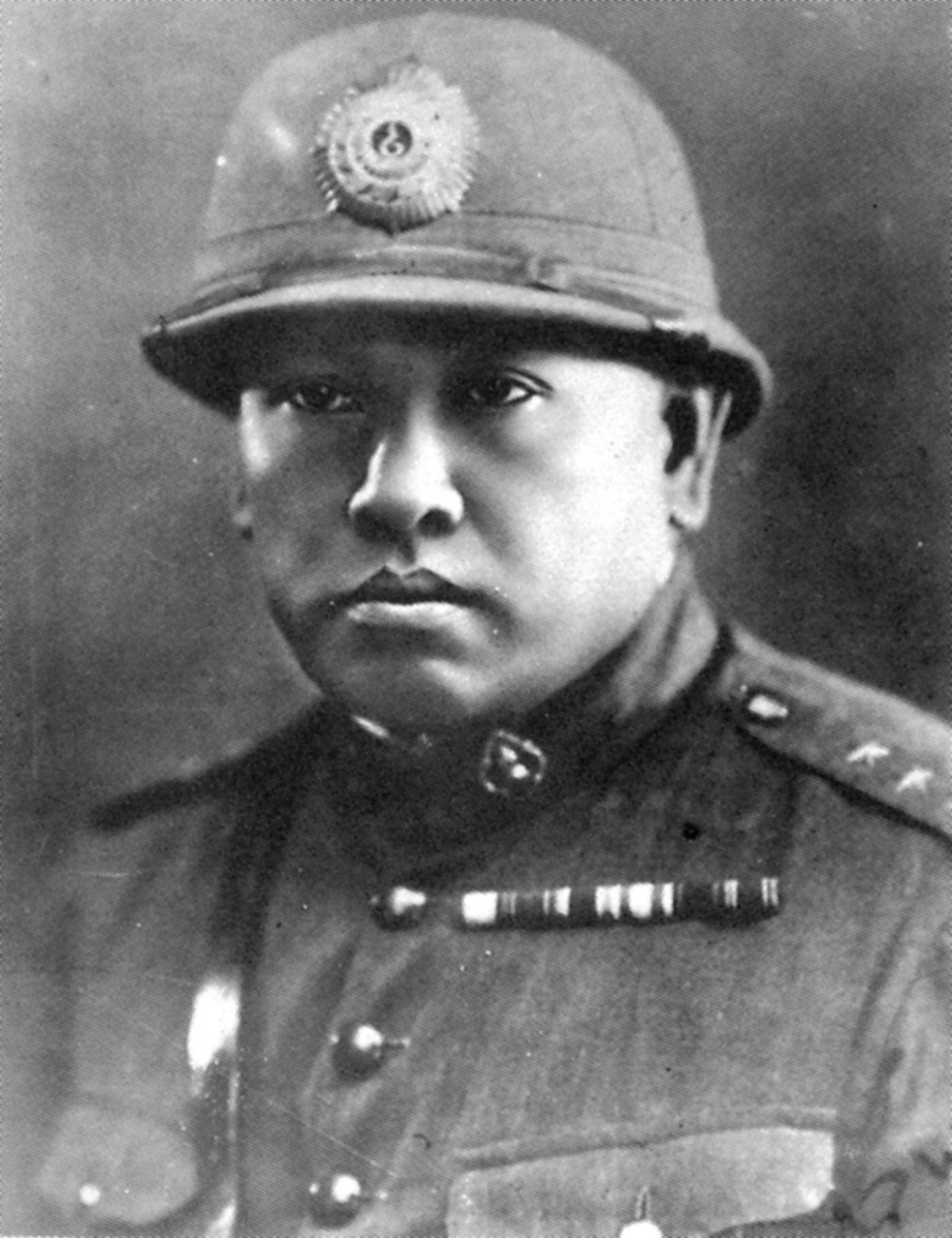
Phraya Phahonphonphayuhasena
 Thailand
politician•military personnel•statesperson
Also known as: Phot Phahonyothin, Phraya Phahon
Birthday
March 29, 1887
Birth Sign
Aries
Birthplace
Phra Nakhon Province, Siam (now Bangkok, Thailand)
Age
Died at 59
About
Phraya Phahonphonphayuhasena, born Phot Phahonyothin, was a Thai military officer and statesman who served as the second Prime Minister of Siam from 1933 to 1938. A key figure in the 1932 revolution that ended absolute monarchy, he later led a counter-coup to secure constitutional rule. His premiership steered the country through political turbulence and economic hardship.
Today he is remembered as a founding figure of Thai democracy. His legacy includes Phahonyothin Road in Bangkok, named in his honor, and his burial site at Wat Phra Si Mahathat.
Early Life & Background
Phot Phahonyothin was born on 29 March 1887 in Phra Nakhon Province, present-day Bangkok, to a Teochew Chinese father, Colonel Kim, and a Thai Mon mother, Chap. His family adopted the surname Phahonyothin in 1913 following a royal decree, twenty-six years after his birth.
He pursued a military education at the Royal Siamese Military Academy, then continued his studies abroad at the Royal Prussian Main Cadet Institute in Germany and the Copenhagen University College of Engineering in Denmark. This European training gave him modern military knowledge that would prove pivotal in his later revolutionary activities. His nickname, Chettha Burut, meaning "the elder brother," hinted at the paternalistic role he would assume in Thai politics.
Career Growth
Phraya Phahon's political career began with his membership in the Khana Ratsadon, the People's Party behind the 1932 coup that ended Siam's absolute monarchy. He became Commander-in-Chief of the Royal Thai Army in August 1932. In June 1933, he led a counter-coup against Prime Minister Phraya Manopakorn Nititada, seizing power and assuming the premiership.
As Prime Minister from 21 June 1933 to 16 December 1938, he navigated Siam through internal rebellions and economic challenges. He served under monarchs Prajadhipok and Ananda Mahidol. After stepping down, he was succeeded by Plaek Phibunsongkhram. He later returned as Army Commander-in-Chief from 1944 to 1946 and served briefly as a Member of the House of Representatives in 1946.
Career Timeline
Public Image & Style
Phraya Phahon is remembered in Thai historiography as a pivotal figure in the 1932 revolution that established constitutional monarchy. He is portrayed as a military leader who took power in a counter-coup but ultimately transferred authority through parliamentary processes. His nickname "the elder brother" suggests a paternalistic public image in Thai political culture. His legacy is complicated by the subsequent authoritarian turn of Thai politics, but he is generally regarded as one of the founding figures of Thai democracy.
Fame & Fandom (iFAMOUS Rankings)
Phraya Phahonphonphayuhasena holds a distinct position in global historical metrics. While iFANN has evaluated his standing, the person does not currently hold a placement in the published Global Top 1,000 or Top-100 scope lists, reflecting his status as a statesman rather than an active celebrity subject to modern fame cycles. The absence of a formal fandom name is consistent with his role as a deceased head of state; public engagement manifests through state commemoration and civic education rather than organized fan clubs or chart campaigns. His legacy is maintained by the Thai government and historical societies, with annual observances on June 24th marking the revolution he led. Unlike entertainers who rely on streaming numbers or social media interactions, his influence is measured by enduring monuments, such as the stone sculpture created in 1933, and the physical preservation of revolutionary sites. Although reports from January 2020 noted the disappearance of statues associated with him, these incidents highlight the ongoing relevance of his image in the national consciousness. There are no viral moments or fan-funded projects attributed to a specific fanbase, as the concept of a fandom does not apply to a founding father of democracy. Instead, his iconic status is defined by the bloodless transition of power in 1932, a verified historical event that transformed Siam into a constitutional monarchy. This singular achievement serves as the primary ritual of remembrance, replacing the typical entertainment industry milestones with a foundational political narrative that continues to shape Thai identity.
Interesting Facts and Legends
His nickname Chettha Burut translates to "the elder brother" in Thai, reflecting a paternalistic public image. He was of mixed Teochew Chinese, Thai, and Mon heritage, mirroring the diverse population of Siam at the time. His family only adopted the surname Phahonyothin in 1913, twenty-six years after his birth. He studied in both Germany and Denmark, an uncommon path for a Siamese officer of his era. His second term as Army Commander-in-Chief occurred between 1944 and 1946, demonstrating his enduring influence long after his premiership ended. He resided at Paruskavan Palace, where he also died. A defining legend surrounding his life is the bloodless nature of the 1932 revolution he led, which avoided the large-scale civil war many predicted while forcing King Prajadhipok to accept a constitution. Another notable story involves the creation of a stone sculpture of him by sculptor Soonha Tawalaphan on December 4, 1933, which stands as a permanent tribute to his leadership. In recent years, the disappearance of two revolutionary leader statues, including those linked to him, has become part of the ongoing narrative regarding the preservation of his physical legacy.
Family & Personal Life
Phraya Phahon married twice. His first wife was Phit Thanasophon; the marriage ended in divorce. His second wife was Boonlong Phahonphonphayuhasena, who remained with him until his death. He had seven children in total. His father, Colonel Kim, was of Teochew Chinese descent, and his mother, Chap, was of Thai Mon ancestry. The family name Phahonyothin was adopted in 1913 by royal decree.
Notable Connections
Plaek Phibunsongkhram, his successor as Prime Minister and fellow Khana Ratsadon member. Phraya Manopakorn Nititada, whom he overthrew in the 1933 counter-coup. Kings Prajadhipok and Ananda Mahidol, under whom he served. Prince Vudhijaya Chalermlabha and Phichit Kriangsakphichit, his predecessors as Army Commander-in-Chief.
Relationships & Dating History
Phraya Phahon married twice. His first wife was Phit Thanasophon; the marriage ended in divorce. His second wife was Boonlong Phahonphonphayuhasena, who remained married to him until his death on 14 February 1947. He had seven children in total. As of 2026, he is deceased, and no posthumous relationship information exists.
- MarriedPhit ThanasophonFirst wife; marriage ended in divorce.
- MarriedBoonlong Phahonphonphayuhasena? - 1947Second wife; remained married until his death.
Death & Aftermath
Died
February 14, 1947 (aged 59)
Death Place
Unknown
Cause of Death
Unknown
Phraya Phahonphonphayuhasena, a prominent politician and statesperson who served as the second Prime Minister of Thailand, died on February 14, 1947. Born on March 29, 1887, he was fifty-nine years old at the time of his passing. Throughout his career, he held significant roles including Army Commander-in-Chief and Member of the House of Representatives before retiring from active political service. Historical records confirm the date of his death but do not specify the location where he passed or the medical cause that ended his life.
The nation continued to focus on the constitutional framework he helped establish following the revolution of 1932. His legacy endures through the Democracy Monument and the renaming of major thoroughfares such as Phahonyothin Road. Modern retrospectives note personal items associated with him, including a soda pop bottle, a naval officer's cigarette case, and a desk lamp owned by him, which are preserved in discussions regarding Thai democracy. These artifacts serve as tangible links to his life without providing details about the immediate public reaction or funeral arrangements recorded in the available historical accounts.
Net Worth (Estate Value)
$5 Million
iFANN Editorial Team estimate
As a historical figure who passed away in 1947, no modern celebrity net worth estimates exist in the traditional sense. Per iFANN's editorial analysis, the total value of his estate is estimated at $5 Million. His holdings would have consisted of personal property and noble assets within post-war Thailand. The available sources do not provide specific figures for his estate value or posthumous earnings beyond this calculated estimate. His historical legacy is primarily commemorated through Phahonyothin Road in Bangkok and his burial site at Wat Phra Si Mahathat.
Awards Won (1)
As a military and political figure of early 20th-century Siam, Phraya Phahon received noble titles and military decorations rather than entertainment awards. He held the high-ranking noble title Phraya and the post-nominal letters MPCh, MWM, and PCh indicating Thai royal decorations.
Nobility
Lifetime achievement
Known For
2nd Prime Minister of Siam
1933 · Prime Minister
1932 Siamese Revolution
1932 · Key member of Khana Ratsadon
Commander-in-Chief of the Royal Thai Army
1932 · Army Commander
Keywords
Sources
Quick Facts
- Profession
- politician, military personnel, statesperson
- Born
- March 29, 1887
- Birthplace
- Phra Nakhon Province, Siam
- Died
- February 14, 1947
- Death Place
- Paruskavan Palace, Bangkok
- Gender
- Male
- Spouse
- Phit Thanasophon, Boonlong Phahonphonphayuhasena
- Children
- 7
- Education
- Royal Siamese Military Academy; Royal Prussian Main Cadet Institute; Copenhagen University College of Engineering
Personal Details
- Full Name
- Phot Phahonyothin
- Spouse
- Phit Thanasophon, Boonlong Phahonphonphayuhasena
- Children
- 7
- Education
- Royal Siamese Military Academy; Royal Prussian Main Cadet Institute; Copenhagen University College of Engineering
Frequently Asked Questions
What country was Phraya Phahonphonphayuhasena the second Prime Minister of?
How did Phraya Phahon come to power?
Is Phahonyothin Road in Bangkok named after Phraya Phahon?
What role did Phraya Phahon play in the 1932 Siamese revolution?
How long was Phraya Phahon Prime Minister of Thailand?
Similar People
Join the community
fans discussing