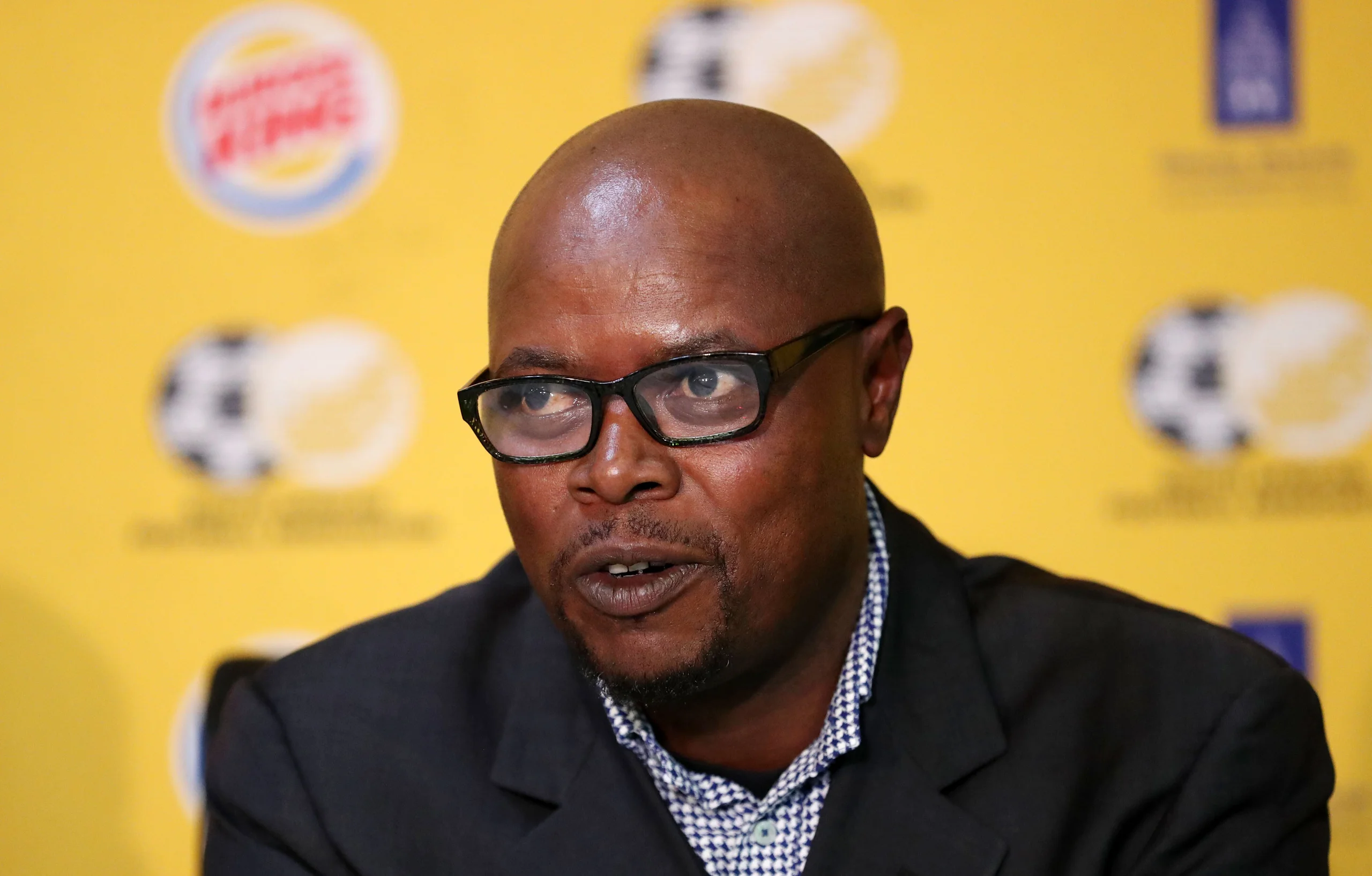
Phil Masinga
 South Africa
Also known as: Chippa, Philemon Raul Masinga
Birthday
June 28, 1969
Birth Sign
Sagittarius
Birthplace
Khuma, Matlosana, near Klerksdorp, South Africa
Age
Died at 49
Height
6 ft 1½ in (1.87 m)
About
Philemon Raul Masinga was a trailblazing South African professional footballer and manager who redefined the trajectory of African players in European football. Born on June 28, 1969, in Khuma, a township within Matlosana near Klerksdorp, he rose from humble beginnings to become one of the most recognizable strikers in South African history. Standing at 1.87 meters with a commanding physical presence, he was renowned for his aerial dominance and clinical finishing.
Masinga passed away on January 13, 2019, at the age of 49 in Parktown, Johannesburg, following a battle with illness. His legacy endures as the pioneer who broke racial barriers in international football, particularly during his historic tenure in England's Premier League. He earned 58 caps for the national team and scored 18 goals between 1994 and 2002, cementing his place as a beloved figure in post-apartheid sports culture.
Early Life & Background
Philemon Raul Masinga grew up in the impoverished township of Khuma, where the struggle of life under apartheid shaped his early years. Despite the difficult conditions, he found solace and purpose in soccer, developing a fierce passion that would eventually lead him out of South Africa's segregated sporting landscape. His journey into professional football began in earnest in 1990 when he joined Jomo Cosmos, playing alongside local legends who were already making waves in the domestic league.
A pivotal chapter in his pre-fame development occurred after he moved to Mamelodi Sundowns. There, he played alongside his cousin, Bennett Masinga, which honed his skills and established his reputation as a formidable striker in the domestic competition. This period was crucial in refining his physical style and tactical awareness, setting the stage for the groundbreaking moves that would follow. By the mid-1990s, scouts from Europe had taken notice of his potential, but it was his performance in the local leagues that first caught their attention.
The transition from a township kid to a continental star required immense resilience. Masinga navigated the complexities of leaving home to pursue opportunities abroad while maintaining strong ties to his community. His time at Sundowns served as the final proving ground before he embarked on the journey that would change his life and the perception of African talent globally.
Career Growth
In 1995, Masinga made history by joining Leeds United in England's Premier League, becoming the first black South African player to compete in the top flight of English football. At Elland Road, he formed a legendary strike partnership with fellow compatriot Lucas Radebe. The two became iconic figures at the club, with Radebe famously noting that he initially joined partly to 'babysit' Masinga, though both ended up defining an era for the team.
Following his successful stint in England, Masinga moved to Italy, playing for Serie A clubs Salernitana and Bari. These moves further cemented his status as a successful African striker in Europe, proving that his skills translated across different leagues and cultures. He also had spells with Swiss side St. Gallen and UAE club Al-Wahda, showcasing his versatility and longevity in the sport.
On the international stage, Masinga was a cornerstone of the Bafana Bafana national team. His most celebrated achievement came during the qualification campaign for the 1998 FIFA World Cup in France. His crucial goal secured South Africa's place in their first-ever World Cup tournament, a moment etched into the nation's sporting memory. After retiring from playing in 2002, Masinga briefly stepped into management, coaching PJ Stars in 2006. Despite a relatively short career compared to some peers, his impact on South African football remains profound.
Career Timeline
Public Image & Style
Masinga is portrayed in the media as a symbol of resilience, strength, and national pride. His signature aesthetic was that of a rugged, powerful striker, often seen in the iconic Leeds United kit or the green and gold of Bafana Bafana. His presence in the media is characterized by reverence, focusing on his pioneering spirit and the emotional weight of his achievements for a post-apartheid South Africa.
He was known for his physical dominance and clinical finishing, traits that made him a fan favorite. His image transcended the sport, representing the breaking down of barriers for African players in Europe. Even in retirement, his legacy is one of dignity and triumph over adversity, resonating deeply with supporters across the continent and beyond.
Fame & Fandom (iFAMOUS Rankings)
iFANN has not yet collected fame data for this person. While he holds a significant place in South African history and among Leeds United supporters, no global ranking metrics have been published for him in the current iFANN database.
Fans generally refer to themselves as 'Chippa's followers' or simply as supporters of the legend. His fanbase is deeply organized in South Africa and among Leeds United supporters globally. Notable fan campaigns include the annual commemoration of his World Cup goal and the maintenance of his legacy through social media tributes. Fans often wear his number and display banners at matches honoring his memory. The story of his goal qualifying South Africa for the 1998 World Cup remains a central ritual for fans, marking a pivotal moment in the nation's sporting identity.
Interesting Facts and Legends
Phil Masinga was affectionately known as 'Chippa' by fans and teammates, a term of endearment deeply rooted in South African culture. He played alongside his cousin, Bennett Masinga, at Mamelodi Sundowns, highlighting the strong family ties that often characterized South African football teams. The anecdote that Lucas Radebe joined Leeds United to 'babysit' Masinga is a famous piece of football folklore, illustrating the close bond between the two countrymen.
His arrival at Elland Road in 1995 was met with intense scrutiny and eventual adoration. His physical style and success against top English defenses challenged stereotypes about African players and earned him a place in the hearts of Leeds fans. Reports from later years highlight his performance against Inter Milan, where he displayed a ruthless efficiency that led to him being dubbed the 'Hardened Executioner.'
While direct quotes from Masinga are scarce in available records, tributes consistently note his humility and dedication to his country. His story continues to be analyzed in retrospectives, such as those examining his tactical impact against top European teams, keeping his narrative alive for new generations of fans.
Notable Quotes
“I joined Leeds United to babysit my compatriot Phil Masinga, but I ended up staying there for 10 years.”
Family & Personal Life
Philemon Raul Masinga maintained notably private personal relationships throughout his life. Unlike many high-profile athletes, there are no widely documented public records of marriages, engagements, or long-term dating histories in credible media sources. He did not publicly disclose details about partners or children in interviews or obituaries.
He was part of a close-knit family network in South African football. His cousin, Bennett Masinga, was a teammate at Mamelodi Sundowns, and their bond was evident on the pitch. While specific details about his parents remain unpublicized, his upbringing in Khuma was defined by the communal values of the township. As of his death in January 2019, he was reported to be single, having kept his romantic life strictly away from the public eye.
Notable Connections
Relationships & Dating History
Phil Masinga maintained a notably private personal life, particularly regarding his romantic relationships. Unlike many high-profile athletes, there are no widely documented public records of marriages, engagements, or long-term dating histories in credible media sources. He did not publicly disclose details about partners or children in interviews or obituaries. Consequently, there is no verified information regarding specific relationship timelines, breakups, or offspring.
As of his death in January 2019, he was reported to be single or keeping his private life strictly away from the public eye. No official statements or family confirmations have emerged detailing a spouse or children. His focus remained firmly on his football career and his contributions to the sport, leaving little room for public speculation about his personal life.
Death & Aftermath
Died
January 13, 2019 (aged 49)
Death Place
Parktown, Johannesburg, South Africa
Cause of Death
Cancer-related disease
The football world reacted with immediate and deep sorrow upon the news that Phil Masinga had passed away, with tributes pouring in from across South Africa and the international community. Former Bafana Bafana captain Lucas Radebe led the outpouring of grief, expressing profound sadness over the loss of his compatriot and friend at Leeds United. Major sports networks including the BBC, ESPN, and The Guardian published extensive obituaries that revisited his historic goal against Manchester United and his pivotal role in qualifying South Africa for the 1998 World Cup. Masinga died on January 13, 2019, at the age of 49. The exact location of his passing remains private, but the South African Football Association officially announced that he succumbed to a cancer-related disease.
This ruling was established through an official statement from SAFA rather than a public autopsy or coroner's inquest, as no medical documents were released to the public. There were no disputed accounts regarding the cause, and all major outlets cited the diagnosis as definitive. Details regarding his final days, last public appearance, or whether he was hospitalized prior to his passing were not disclosed to the public. While the specific date, time, and location of his funeral or memorial service remain unreported, the family kept these arrangements private. Posthumously, his legacy has been honored through retrospective features and documentaries celebrating his career, with Leeds United marking anniversaries of his death.
Net Worth (Estate Value)
$5 Million
iFANN Editorial Team estimate
As Phil Masinga passed away in 2019, his net worth as of 2026 refers to the value of his estate. Specific financial disclosures regarding his salary per project, real estate holdings, or investment portfolios were not publicly detailed in available sources. Estimates for deceased athletes of his stature often rely on posthumous royalties, licensing deals, and the value of memorabilia.
Given his status as a national icon and the enduring popularity of his story, his estate likely generates revenue through royalties from documentary features, match highlights, and licensed merchandise. Sales of signed jerseys and photos contribute to the estate's income, along with licensing agreements for the use of his image in sports marketing campaigns in South Africa.
Awards Won (1)
While Masinga did not win individual major awards such as Ballon d'Ors or Golden Boots during his career, his legacy is honored through significant institutional recognitions. He was inducted into the South African Football Hall of Fame as a legend for his contributions to the sport. Widely credited as the pioneer who paved the way for future generations of African players in the Premier League and European leagues, his induction serves as the primary honor recognizing his lifetime achievements.
Inducted · Lifetime Achievement
Career Contributions
Known For
Leeds United
1995 · Striker
Bafana Bafana
1994-2002 · Forward
Mamelodi Sundowns
1992 · Striker
Keywords
Sources
Quick Facts
- Profession
- association football player
- Born
- June 28, 1969
- Birthplace
- Klerksdorp
- Died
- January 13, 2019
- Death Place
- Parktown
- Gender
- Male
- Birth Sign
- Sagittarius
Personal Details
- Full Name
- Philemon Raul Masinga
- Height
- 6 ft 1½ in (1.87 m)
- Children
Frequently Asked Questions
How did Phil Masinga die?
What was Phil Masinga's most famous goal?
Was Phil Masinga the first black South African in the Premier League?
Did Phil Masinga have any children?
What is Phil Masinga's nickname?
Similar People
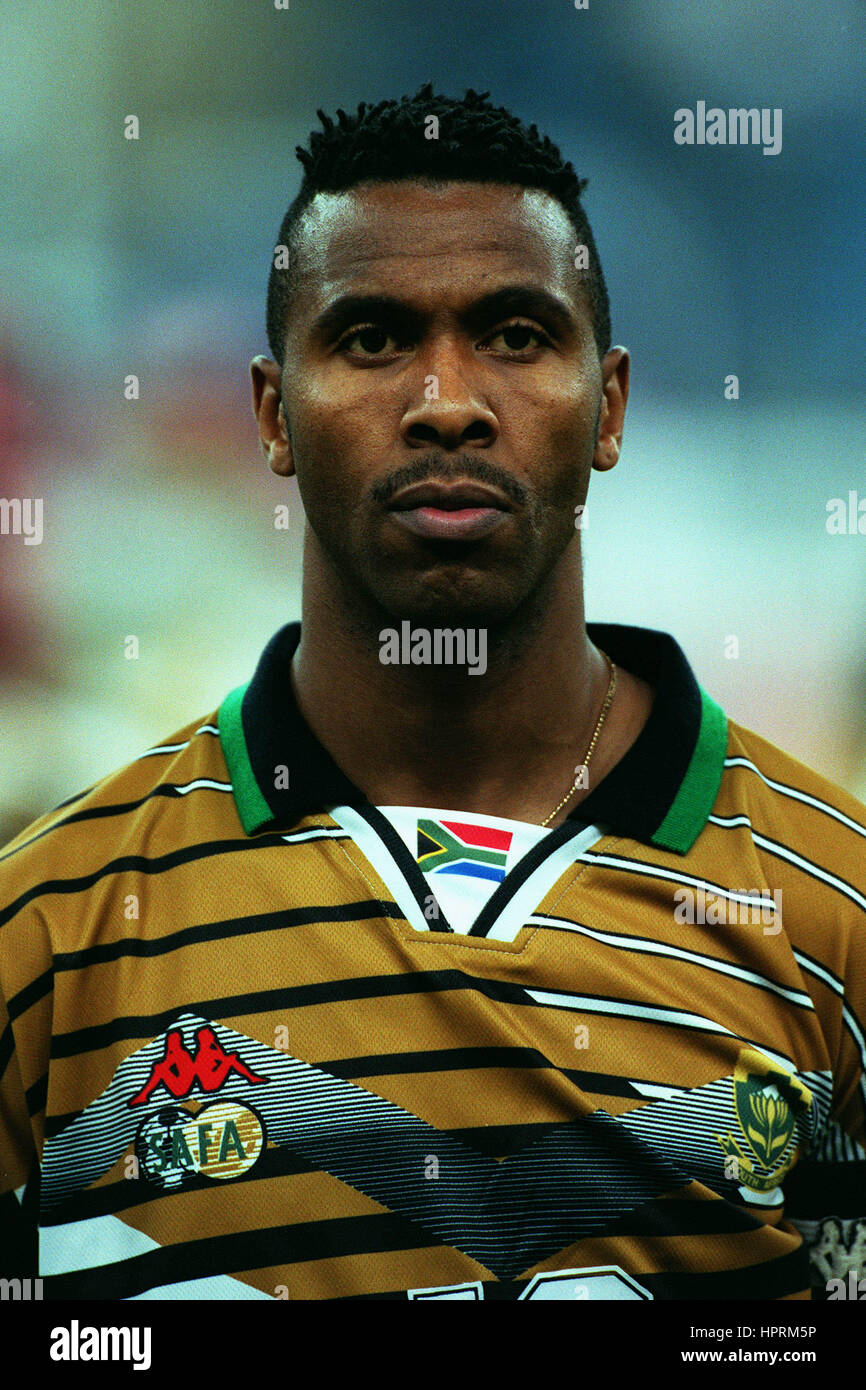
Join the community
fans discussing