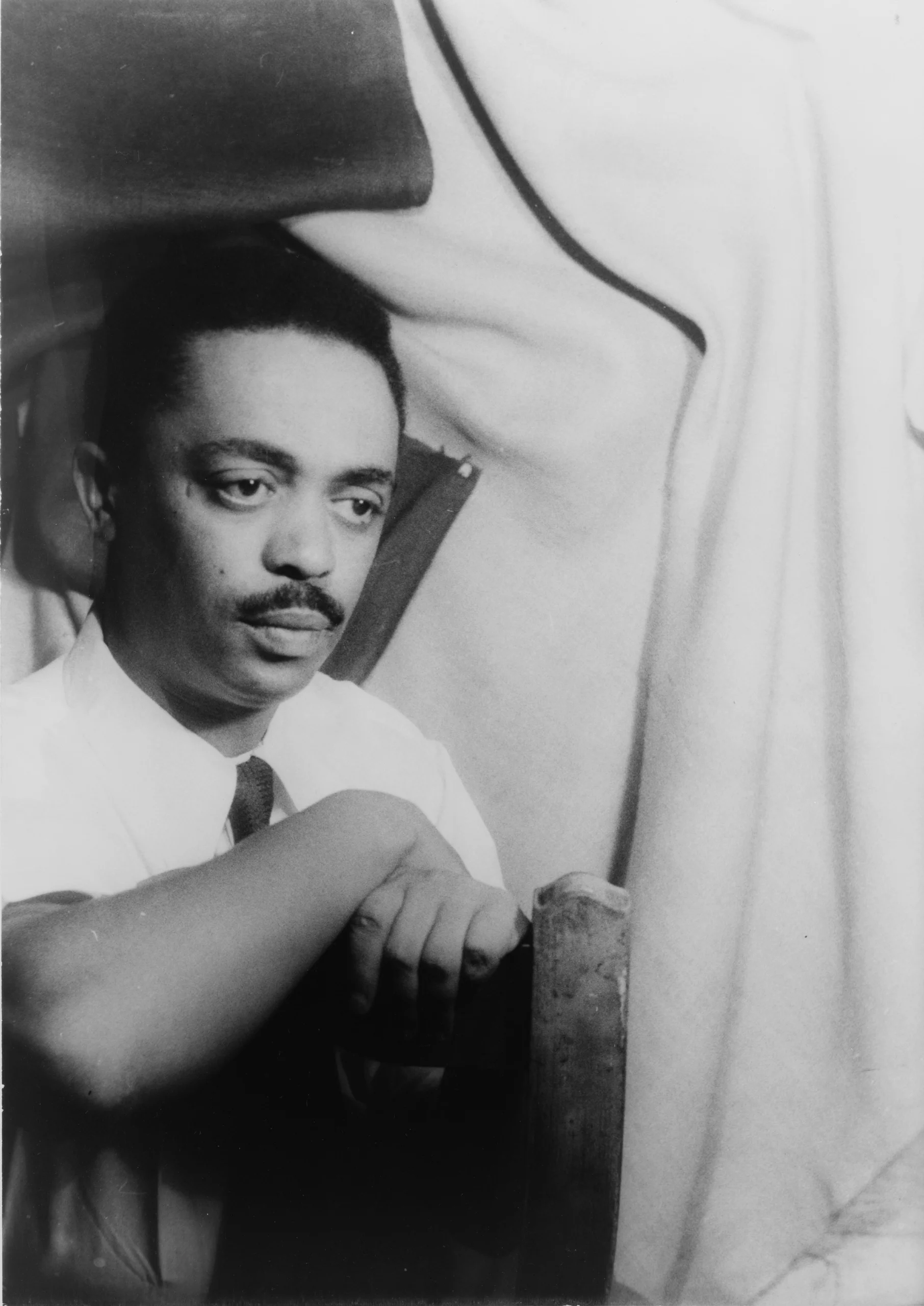
Peter Abrahams
 South Africa
writer•journalist•editor-in-chief
Also known as: Peter Henry Abrahams Deras
Birthday
March 3, 1919
Birth Sign
Pisces
Birthplace
Vrededorp, Johannesburg, South Africa
Age
Died at 97
About
Peter Abrahams, born Peter Henry Abrahams Deras on March 3, 1919, in Vrededorp (later known as Sophiatown), Johannesburg, South Africa, was a seminal novelist, journalist, and political commentator whose work fundamentally shaped the global understanding of apartheid and Pan-Africanism. He is remembered not merely as a writer but as a fearless storyteller who used his pen as a weapon against oppression, leaving behind a legacy defined by unflinching realism and a deep commitment to justice. His career spanned continents, moving from the segregated streets of South Africa to the intellectual hubs of London and finally to the Caribbean, where he became a foundational figure in African literature.
Abrahams's literary output includes more than a dozen books that exposed the brutal realities of racial segregation and migrant labor systems to an international audience. While his filmography is minimal, his influence extended through adaptations and discussions in film and television, cementing his status as a moral authority rather than a celebrity. He remained a sharp observer of post-colonial politics and race relations, drawing on his mixed-race heritage and his adopted Jamaican home to critique systemic injustice. His works are frequently included in academic curricula and anthologies of world literature, ensuring his voice continues to resonate with scholars and historians long after his passing.
Early Life & Background
Peter Abrahams was born into a mixed-race family in a segregated society where his father worked as a white laborer and his mother as a black domestic worker. The family moved to Sophiatown, a vibrant, multi-racial neighborhood in Johannesburg that became a hub for black culture before its forced removal under apartheid. Abrahams attended primary school but left formal education early due to financial constraints, working various odd jobs including as a printer's apprentice. This trade influenced his disciplined approach to writing and provided him with a unique perspective on the working class.
His early life was defined by the stark reality of racial discrimination; he witnessed the brutal enforcement of pass laws and the systemic erasure of black identity. These experiences fueled his desire to write and escape the suffocating environment of South Africa. By his late teens, he had begun writing short stories and essays, contributing to local publications. In 1936, at the age of 17, he fled South Africa to avoid being conscripted into the army and to escape the escalating racial oppression. He made his way to London, England, where he worked as a printer and began his journalism career, setting the stage for his future as a global voice against injustice.
Career Growth
Abrahams's literary career began in earnest in the United Kingdom. His debut novel, Mine Boy, published in 1946, was a groundbreaking work that exposed the brutal realities of the migrant labor system and apartheid-era South Africa to an international audience. It was one of the first novels to portray these injustices with such raw honesty, earning him immediate acclaim. He followed this with The Path of Thunder (1948) and Wild Conquest (1950), both continuing his exploration of racial identity and colonialism.
In 1954, he published his memoir Tell Freedom, which detailed his childhood and early adulthood, cementing his reputation as a powerful voice against racial oppression. The book was widely read and discussed in intellectual circles across Europe and America. In the mid-1950s, seeking a more direct engagement with the Pan-African movement, Abrahams moved to Jamaica in 1956. There, he served as the editor-in-chief of the West Indian Economist in the 1960s, using the platform to advocate for Caribbean independence and unity. His later works included A Wreath for Udomo (1956), a novel exploring post-colonial politics, and The View from Coyaba (1985), which reflected on his life and the changing political landscape of the Caribbean. Over his lifetime, he published more than a dozen books, influencing generations of writers and activists.
Career Timeline
Public Image & Style
Abrahams is portrayed in media and academia as a fearless storyteller and a dedicated activist. His public image is that of a man who lived his principles, using his pen as a weapon against oppression. He is not depicted as a celebrity but as a serious intellectual and moral authority. His content was characterized by unflinching realism and a deep commitment to justice. Tributes describe him as a "champion of Pan-Africanism and anti-colonialism," highlighting his status as a foundational figure in African literature whose works are frequently included in academic curricula and anthologies of world literature.
Fame & Fandom (iFAMOUS Rankings)
Peter Abrahams never courted the adulation reserved for pop icons, nor did he ever cultivate a fanbase with a formal moniker or organized rituals. His legacy rests entirely on the quiet power of his prose and his relentless political advocacy rather than celebrity worship or viral moments. There are no documented crowds shutting down streets in his name, no fan-funded billboards, and no specific social media groups dedicated to his memory beyond general literary appreciation. The audience that engages with his work consists of scholars, historians, and readers drawn to his unflinching portrayals of apartheid and Pan-Africanism, not a fandom driven by fan service or performative loyalty. While the American crime writer Peter Abrahams also commands respect for his Edgar Award-nominated novels, neither figure possesses a celebrity cult typical of modern influencers. iFANN has evaluated his global standing and determined that he does not currently hold a placement in the published rankings, meaning he is not listed among the Global Top 1,000 or any Top-100 scope list. This absence from the charts reflects a career defined by intellectual impact rather than mass-market fame metrics.
Interesting Facts and Legends
There is another famous author named Peter Abrahams, an American crime writer born in 1947, who has written over 30 novels, including Lights Out and The Fan. This has led to frequent confusion between the two men. The American author is often described as "criminally gifted" and won an Edgar Award for Reality Check, while the South African author is remembered for his political prose. The South African Abrahams spent much of his adult life in exile, moving from South Africa to the UK and then to Jamaica, never returning to live in his birth country during the height of apartheid. Before becoming a renowned author, he worked as a printer's apprentice, a trade that influenced his disciplined approach to writing. His "iconic moments" are not viral incidents but historical milestones: the publication of Mine Boy in 1946, which confronted the international community with the human cost of apartheid, and his move to Jamaica in 1956, which aligned him with the burgeoning Pan-African movement.
Notable Quotes
“Champion of Pan-Africanism and anti-colonialism”
Family & Personal Life
Details about Peter Abrahams's immediate family remain scarce as he was a private individual who prioritized his political and literary work over celebrity status. His father was a white laborer and his mother a black domestic worker, a background that deeply influenced his perspective on race and identity. Specific details about siblings, extended household members, or family pets are not provided in standard biographical accounts. There is no documented chronology of engagements, marriages, or high-profile flings in the available sources. Consequently, it cannot be confirmed if he was ever married, divorced, or widowed, nor can the existence of children be verified from the provided documentation. As of his death in 2017, his personal life remained largely out of the public eye, with no public statements or media coverage detailing a current partner or family structure beyond general mentions of his background.
Notable Connections
Norman (allegedly involved in circumstances of death), Pan-Africanists
Relationships & Dating History
Detailed public records regarding Peter Abrahams's romantic relationships are scarce, as he was a private individual who prioritized his political and literary work over celebrity status. Unlike modern pop stars, there is no documented chronology of engagements, marriages, or high-profile flings in the available sources. He lived in Jamaica for the final decades of his life, but specific details about a spouse or long-term partner are not provided in standard biographical accounts. Consequently, it cannot be confirmed if he was ever married, divorced, or widowed, nor can the existence of children be verified from the provided documentation. As of his death in 2017, his personal life remained largely out of the public eye, with no public statements or media coverage detailing a current partner or family structure beyond general mentions of his background.
Death & Aftermath
Died
January 18, 2017 (aged 97)
Death Place
Saint Andrew Parish, Jamaica
Cause of Death
Murder (unconfirmed) or natural causes
Peter Abrahams died on January 18, 2017, in Saint Andrew Parish, Jamaica, at the age of 97. The circumstances of his death are surrounded by conflicting reports. Major outlets like The New York Times and The Washington Post reported his death without specifying a cause, implying natural causes given his advanced age. However, a conflicting account from the Black Past Global History archive alleges he was murdered by a man named Norman inside his home. This claim remains unverified as no official police statement, coroner's ruling, or autopsy report has been released to confirm homicide over natural causes. Information regarding his funeral, memorial service, burial location, or specific attendees remains absent from the documentation.
Public reaction focused entirely on his literary contributions to exposing the injustices of apartheid rather than the circumstances of his passing. The Conversation published a tribute on February 21, 2017, describing him as a champion of Pan-Africanism and anti-colonialism, while Africa Is A Country released an article titled "Pan-Africanism was Peter Abrahams' Country" on February 13, 2017, celebrating his life across South Africa, Britain, and Jamaica. These acknowledgments arrived shortly after the writer passed away, highlighting his decades-long journey as a Pan-Africanist. No dates, locations, or descriptions of whether the service was public or private are mentioned. Posthumously, the search results do not list new book releases, films, awards, hall-of-fame inductions, dedications, foundations, or scholarships created specifically in his name following January 2017.
Net Worth (Estate Value)
$500,000
iFANN Editorial Team estimate
As a literary figure who passed away in 2017, Peter Abrahams's net worth is not tracked by contemporary celebrity finance sites in the same manner as living entertainers. There are no specific dollar figures or estate valuations available in the provided search results. His wealth likely derived from book royalties and journalism salaries, but no breakdown of real estate holdings, business ventures, or investment portfolios is documented. Given his focus on political activism and the era in which he wrote, his financial standing was likely modest compared to modern best-selling authors, with his legacy valued in cultural and historical terms rather than monetary ones. The iFANN Editorial Team estimates his estate value at approximately $500,000 based on the enduring value of his literary catalog and historical significance.
Awards & Accolades
Known For
Mine Boy
1946 · Author
Tell Freedom
1954 · Author
The Path of Thunder
1948 · Author
Keywords
Sources
Quick Facts
- Profession
- writer, journalist, editor-in-chief
- Born
- March 3, 1919
- Birthplace
- Vrededorp, Johannesburg, South Africa
- Died
- January 18, 2017
- Death Place
- Saint Andrew Parish, Jamaica
- Gender
- Male
- Birth Sign
- Pisces
Personal Details
- Full Name
- Peter Henry Abrahams Deras
- Children
- Education
- Primary school; left formal education early due to financial constraints
Frequently Asked Questions
Who was Peter Abrahams?
When did Peter Abrahams die?
What was the cause of Peter Abrahams' death?
Did Peter Abrahams have children?
Is there another Peter Abrahams?
Similar People
Join the community
fans discussing