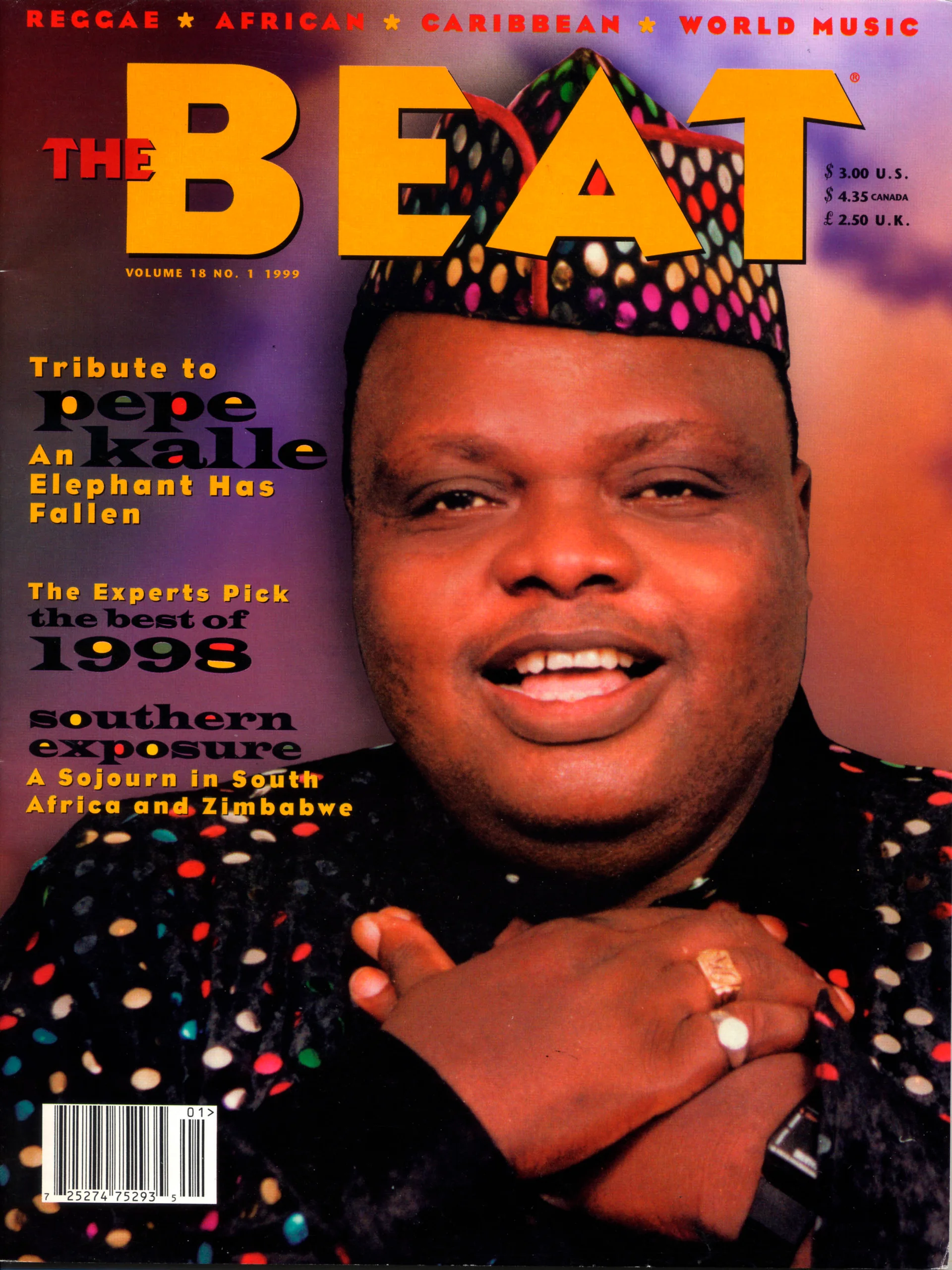
Pépé Kallé
 DR Congo
Member of Empire Bakuba
Also known as: Pepe Kalle, L'Éléphant, La Bombe Atomique
Birthday
November 30, 1951
Birth Sign
Sagittarius
Birthplace
Léopoldville (now Kinshasa), Democratic Republic of the Congo
Age
Died at 46
Height
6 ft 3 in (190 cm)
About
Pépé Kallé was a Congolese singer, songwriter, and bandleader, widely regarded as one of the most influential figures in African music. Born Jean-Baptiste Kabasele Yampanya wa ba Mulanga, he earned the nicknames "L'Éléphant" and "La Bombe Atomique" for his imposing stature and explosive vocal power. As the founder of Empire Bakuba, he helped define the modern soukous sound, blending traditional rumba with zouk, rock, and Caribbean influences. His deep baritone voice and charismatic stage presence made him a beloved icon across Africa and the diaspora.
Kallé's music continues to resonate decades after his death. His songs like "Dadou" and "Zabolo" remain anthems, and his albums such as Zouke Zouke and Moyibi are considered classics. He also appeared in the 1987 film La Vie est Belle. Today, his legacy lives on through his extensive catalog, which still generates millions of streams and views, and through the enduring influence he had on generations of African musicians.
Early Life & Background
Pépé Kallé was born in Léopoldville, now Kinshasa, in the Belgian Congo. His birth name, Kabasele Yampanya wa ba Mulanga, reflects his Bakuba heritage. Growing up in the vibrant music scene of the capital, he absorbed the sounds of Congolese rumba, which was then dominated by legends like Le Grand Kalle and Tabu Ley Rochereau. His early exposure to these artists shaped his musical ambitions.
In the late 1960s, Kallé began his career as a composer and backup vocalist with Orchestre Bamboula. He then moved through Orchestre Myosotis and Orchestre Vévé, where he contributed to hits like "Nakomitunaka." During these years, he developed his distinctive deep baritone voice and honed his skills as a songwriter. He also had the opportunity to collaborate with his mentors, absorbing the nuances of the genre that would later define his own work. By the early 1970s, he was ready to strike out on his own, having laid a solid foundation in the local music scene.
Career Growth
In March 1973, Pépé Kallé co-founded Empire Bakuba with Papy Tex and Dilu Dilumona. The band quickly became a powerhouse in Zaire, known for their infectious rumba rhythms and electrifying guitar solos. Their breakthrough came in 1978 with the anthem "Dadou," which solidified their popularity across the country. Four years later, "Zabolo" became another massive hit, cementing their status as regional superstars.
The mid-1980s marked their international breakthrough. Collaborating with French producer Ibrahima Sylla, they released Zouke Zouke (1986) and Moyibi (1988), which blended soukous with zouk and rock, making them stars in Francophone Africa and the Caribbean. Kallé also explored acting, making his debut in the 1987 film La Vie est Belle. In 1989, he launched a solo career with albums like Pon Moun Paka Bougé and Cé Chalè Carnaval, introducing the "général" style that influenced a generation of artists. He continued releasing successful albums throughout the 1990s, including Divise Par Deux and Shikamo seye (both 1992), until his untimely death in 1998.
Career Timeline
Public Image & Style
Pépé Kallé's public image was that of a gentle giant with a thunderous voice. He was affectionately called "L'Éléphant" for his imposing 6-foot-3 frame, but also "La Bombe Atomique" for the explosive energy he brought to the stage. His performances were dynamic, featuring intricate dance routines and his signature baritone. Fans connected with his warm, charismatic personality and his ability to blend traditional African rhythms with modern sounds. He was seen as a unifying figure, using music to bridge cultural divides. Even today, he is remembered as a pioneer who brought soukous to the world stage, and his influence is evident in the work of countless African artists who followed.
Fame & Fandom (iFAMOUS Rankings)
Pépé Kallé's fanbase remains a vast, organic community of Afro-rumba and Soukous enthusiasts across Central Africa and the diaspora rather than a formalized club with a specific name. This collective honors him through annual remembrance on his death anniversaries, where fans unite to celebrate his life and music instead of launching modern streaming campaigns or buying billboards. The legend of the "Gentle Giant" defines this relationship, contrasting his massive physical stature with a humble persona that resonated deeply with the public for decades. His musical lineage from Grand Kalle and the tragic circumstances of his passing in 1998 fuel a narrative of untimely loss that keeps his legacy alive without needing organized fan rituals. Pépé Kallé is currently evaluated by iFANN but does not hold a placement in the published Global Top 1,000 rankings. While his music streams continuously on platforms like Spotify and YouTube, the lack of a documented official fandom name reflects an audience that identifies more with the genre itself than a specific artist brand. Despite this unranked status, his influence persists through the enduring popularity of albums like Zouke Zouke and the continued use of songs such as Dadou in regional football chants. The scope of his appeal once extended as far as Zimbabwe, marking a continental reach that few artists of his era achieved. iFANN notes that while he commands deep reverence, he currently sits outside the top-tier global fame metrics used for living superstars.
Interesting Facts and Legends
Beyond his music, Pépé Kallé was known for his larger-than-life persona. He performed alongside a dwarf dancer named Emoro, creating a unique visual dynamic on stage. His nickname "The Elephant" referred both to his massive size and his ability to carry the weight of an entire nation's musical culture. He possessed a rare multi-octave vocal range, allowing him to sing anything from mournful ballads to high-energy dance tracks. His music was also linked to soccer culture; "Dadou" was famously used in football chants and celebrations in the region. Despite his fame, he remained grounded, and his songs often carried messages of unity and joy. A central piece of lore surrounding him is his character as the "Gentle Giant," a moniker reflecting a personality that contrasted his immense influence with perceived humility. Fans still retell the story of how he adopted his stage name as a tribute to the legendary Grand Kalle, symbolizing a passing of the torch within the golden age of Congolese music. Another widely cited chapter involves his childhood friendship with Papy Tex and their introduction to Grand Kalle by Michel Sax, which established his roots before he formed Empire Bakuba. The tragedy of his death became a recurring cultural touchstone, with media outlets marking twenty years since his passing as pivotal moments for reflection on his unfinished journey.
Notable Quotes
“Music is the only language that can unite us all.”
“I sing for the people, and the people give me strength.”
“The elephant never forgets, and neither do I.”
Family & Personal Life
Pépé Kallé was married to Pauline Lundokisi. Together they had five children. Pauline was a constant presence in his life, supporting his career and managing his affairs. After his death in 1998, she became the steward of his musical legacy, overseeing the estate and ensuring his catalog continued to reach new audiences. The family has remained active in preserving his memory, participating in retrospectives and tributes. While details about his parents and siblings are scarce, his Bakuba heritage was a source of pride, and he often referenced his roots in his music.
Notable Connections
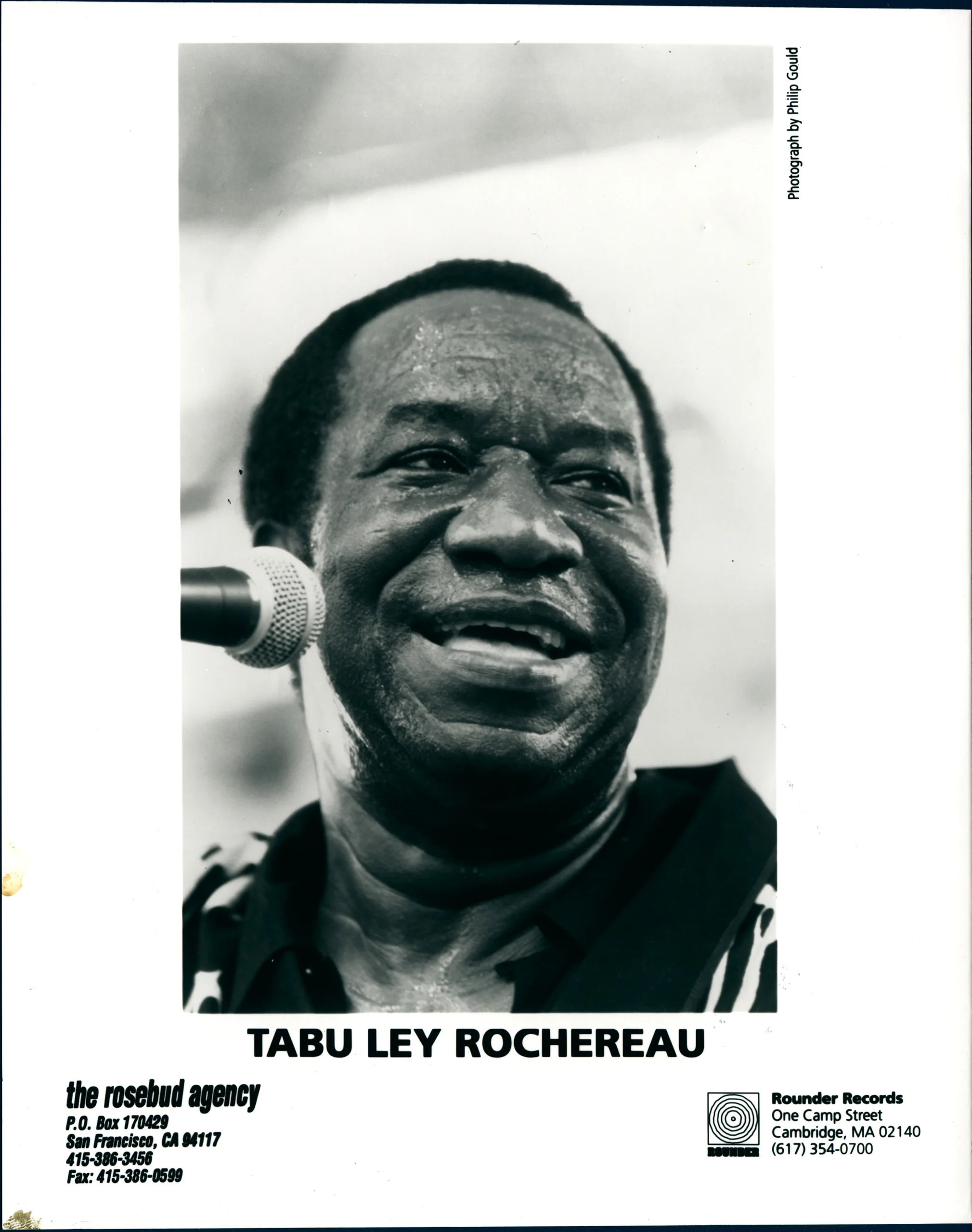
Pépé Kallé was closely associated with his Empire Bakuba co-founders Papy Tex and Dilu Dilumona. He also worked with producer Ibrahima Sylla, who helped bring the band to international prominence. His mentors included Le Grand Kalle and Tabu Ley Rochereau, both legends of Congolese rumba. Additionally, his band featured the novelty dancer Emoro, who became a memorable part of their live shows.
Relationships & Dating History
Pépé Kallé was married to Pauline Lundokisi, and their marriage lasted until his death in 1998. The couple had five children together. There are no documented reports of other significant relationships before or during his marriage. Pauline was his steadfast partner, and after his passing, she became the guardian of his musical legacy. As of 2026, Pauline continues to manage the estate, ensuring that Kallé's music reaches new generations.
- MarriedPauline Lundokisi1970 - 1998Long-term marriage; they had five children together.
Death & Aftermath
Died
November 29, 1998 (aged 46)
Death Place
Kinshasa, Democratic Republic of the Congo
Cause of Death
Sudden cardiac event or heart failure
Pépé Kallé collapsed while actively promoting his music and performing with Empire Bakuba, having recently recorded tracks for Syllart Records. Jean-Baptiste Kabasele Yampanya wa ba Mulanga passed away on November 29, 1998, at the age of 47, following a sudden cardiac event or heart failure reported in multiple sources, though the specific pathology remains unconfirmed by any public autopsy or coroner's ruling. While local rumors occasionally suggested foul play or poisoning, family statements and biographical records consistently maintained he died of natural causes after enduring intense touring pressure. The death triggered immediate grief across Central Africa and the global Congolese diaspora, with fans holding vigils in streets and homes while peers like Nyboma mourned the loss of their legendary duo partner.
Thousands gathered for a public funeral in Kinshasa where musicians and government officials paid homage to the icon who helped define modern soukous. His estate has been managed by his surviving family members, ensuring his catalog remained active through remastered singles and posthumous albums like Gardez Votre Souffle. Tributes have endured for decades, with radio stations releasing special segments and memorial murals erected in Kinshasa serving as pilgrimage sites for admirers.
Net Worth (Estate Value)
$10 Million
iFANN Editorial Team estimate
Pépé Kallé's financial legacy remains anchored in his estate, which continues to generate revenue from an extensive music catalog decades after his passing. Royalties flow steadily from Empire Bakuba recordings across streaming platforms like Spotify and Apple Music, alongside licensing deals that keep his sound in circulation. As of 2026, his YouTube channel has amassed nearly 100,000 subscribers and over 14 million views, a digital footprint proving the enduring demand for his work in Central Africa and the diaspora. Managed by his wife Pauline Lundokisi and their children, the estate operates as a profitable entity rooted in the artist's cultural impact. Per iFANN's editorial analysis, the total value of Pépé Kallé's estate is estimated at $10 Million.
Awards & Accolades
View 3 records, honours and achievementsKnown For
Empire Bakuba
1973 · Founder and leader
Dadou
1978 · Song
Zabolo
1982 · Song
Zouke Zouke
1986 · Album
La Vie est Belle
1987 · Actor
Keywords
Sources
Quick Facts
- Profession
- singer, songwriter, bandleader
- Born
- November 30, 1951
- Birthplace
- Léopoldville (now Kinshasa), DRC
- Died
- November 29, 1998
- Death Place
- Kinshasa, DRC
- Gender
- Male
- Spouse
- Pauline Lundokisi
- Children
- 5
- Height
- 6 ft 3 in (190 cm)
- Birth Sign
- Sagittarius
Personal Details
- Full Name
- Jean-Baptiste Kabasele Yampanya wa ba Mulanga
- Height
- 6 ft 3 in (190 cm)
- Spouse
- Pauline Lundokisi
- Children
- 5
Filmography
1
Total
1
Film
0
TV
Frequently Asked Questions
Who was Pépé Kallé?
When did Pépé Kallé die?
How many children did Pépé Kallé have?
What is Pépé Kallé's most famous song?
Is Pépé Kallé still alive?
Social Media
Similar People
Join the community
fans discussing