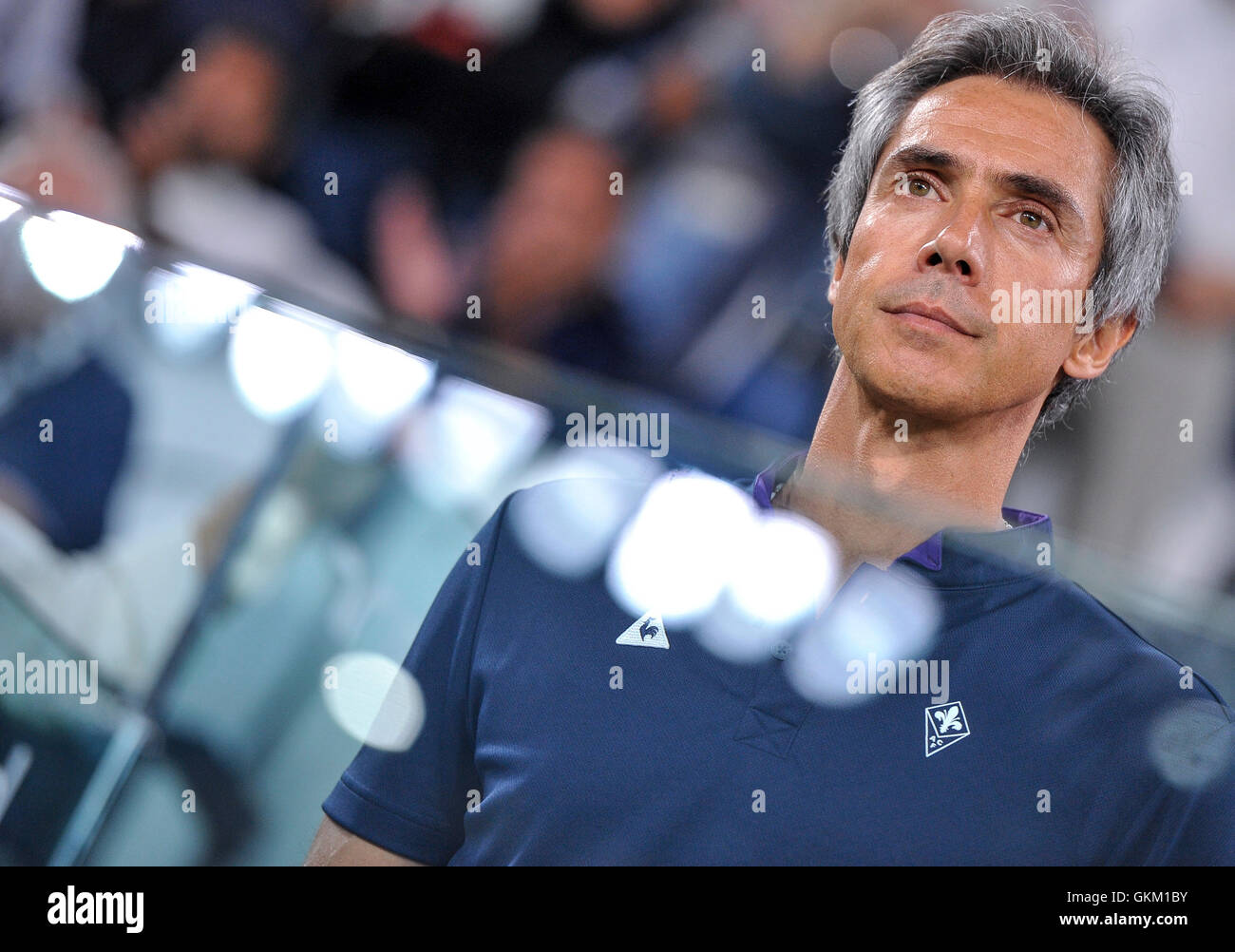
Paulo Sousa
 Portugal
association football player•association football coach
Also known as: Paulo Manuel Carvalho Sousa, Paulo Souza
Birthday
August 30, 1970
Birth Sign
Virgo
Birthplace
Viseu, Portugal
Age
56 years old
Height
6 ft 0 in (183 cm)
About
Paulo Sousa is a Portuguese former footballer and manager, born on August 30, 1970, in Viseu. As a defensive midfielder, he won back-to-back UEFA Champions League titles with Juventus in 1996 and Borussia Dortmund in 1997, becoming the first Portuguese player to lift the European Cup with two different clubs. Over a 14-trophy playing career, he also represented Portugal's celebrated "Golden Generation," appearing at Euro 1996, Euro 2000, and the 2002 World Cup.
Since moving into management in the late 2000s, Sousa has coached across nine countries, winning domestic league titles with Maccabi Tel Aviv, Basel, and Shabab Al Ahli. He led Poland at the delayed Euro 2020 tournament and remains an active figure in football, with his most recent role at Shabab Al Ahli in the UAE. Known for his tactical intelligence and possession-based philosophy, Sousa is respected as a cultured coach who has navigated leagues from Serie A to the Polish national team.
Early Life & Background
Paulo Sousa's football story starts in Viseu, a city in north-central Portugal, where he was born in 1970. He grew up in the 1970s and 1980s with a ball at his feet, developing the technical skills that would later define his playing style. His talent caught the eye of Benfica, one of Portugal's "Big Three" clubs, where he began his professional career in 1989. As a defensive midfielder, Sousa combined sharp positioning with elegant passing, quickly becoming a key figure in the first team.
His performances in Lisbon attracted attention from across the city, and he transferred to Sporting CP, where he spent five seasons in the Primeira Liga. Across both clubs, he amassed 117 league appearances and scored three goals, establishing himself as one of the most promising midfielders in Portuguese football. The move abroad came in 1994, when Italian giants Juventus came calling, setting the stage for his European breakthrough. Before that, though, Sousa had already earned his first international caps, part of the generation that would later be dubbed the "Golden Generation" alongside talents like Luís Figo and Rui Costa.
Career Growth
Paulo Sousa's defining moment came at Juventus, where he joined in 1994. In 1996, he won the UEFA Champions League, beating Ajax in the final. That summer, he moved to Borussia Dortmund, and in 1997 he did it again, lifting the European Cup for a second consecutive season with a different club. That achievement made him the first Portuguese player to win the Champions League with two clubs. He added the Intercontinental Cup with Dortmund later that year.
Injuries began to take their toll, and after stints with Inter Milan and Espanyol, he retired in the early 2000s. He transitioned to coaching in the late 2000s, starting in Portugal before spreading across Europe and the Middle East. With Maccabi Tel Aviv he won the Israeli Premier League, with Basel the Swiss Super League, and with Shabab Al Ahli the UAE Pro League. He managed Queens Park Rangers and Swansea City in England, Fiorentina in Italy, and Bordeaux in France, appointed there in March 2019. In 2021, he led Poland at the delayed Euro 2020, reaching the group stage. His coaching career spans over 500 official matches.
Career Timeline
Public Image & Style
Paulo Sousa's public image is that of a cultured, intelligent football figure. As a player, he was known for his calm distribution and tactical awareness, traits that carried into his coaching. Media coverage often highlights his willingness to take on challenges across different leagues, from Serie A to the UAE Pro League. He is seen as a possession-oriented coach who values technical play. Unlike many football celebrities, Sousa does not cultivate a large social media presence, and he rarely gives personal interviews. Fans respect him for his versatility and his role in Portugal's "Golden Generation," though he has no documented fandom name or fan rituals.
Fame & Fandom (iFAMOUS Rankings)
Paulo Sousa commands a steady, global resonance rooted in his historic status as a European football champion and a manager of international repute. His profile spans decades of professional activity across nine nations, yet he remains distinct from the transient celebrity cycle that defines modern stardom. According to the August 2026 evaluation by iFANN, Paulo Sousa is currently an evaluated entity without a placement in the Global Top 1,000 rankings or any specific Top-100 scope list. This unranked status reflects a career built on consistent performance rather than viral dominance or mass-market consumption metrics. While his name appears frequently in tactical analyses and sports history archives, he does not hold a numeric position within the current published fame hierarchy. The fanbase associated with Sousa lacks a formal, documented name. Unlike pop culture icons who inspire organized movements or dedicated clubs, Sousa is regarded primarily through the lens of professional respect within Portuguese football circles and among enthusiasts of tactical coaching. There are no recorded rituals, specific campaigns, or interactive projects driven by a named collective. His interactions with supporters remain confined to standard post-match engagements and media appearances, devoid of the elaborate fan culture often seen in other sectors of entertainment.
Interesting Facts and Legends
Paulo Sousa holds the Order of Infante Dom Henrique (CvIH), a national honour awarded for his services to sport. He stands as one of the few players to win the UEFA Champions League in consecutive seasons with two different clubs, securing titles with Juventus in 1995 and Borussia Dortmund in 1997. This dual victory established him as the first Portuguese player to lift the European Cup with multiple teams, a feat that anchors his legacy. Over a fourteen-trophy playing career, he represented Portugal's celebrated Golden Generation at Euro 1996, Euro 2000, and the 2002 World Cup. As a manager, he has worked in nine different countries and overseen more than 500 official matches, winning domestic league titles in Israel, Switzerland, and the UAE. Off the pitch, he maintains a private nature, rarely sharing details of his personal life with the media. Recent accounts from 2026 describe intense emotional reactions during his tenure at Shabab Al Ahli, including moments where he battled emotions against Buriram United and publicly expressed frustration over VAR decisions following a loss to Machida Zelvia. These contemporary incidents highlight his passionate sideline demeanor but remain distinct from the historical folklore surrounding his playing days.
Family & Personal Life
Paulo Sousa keeps his family life largely out of the public eye. He was born and raised in Viseu, Portugal, but details about his parents and siblings are not widely documented. He is married, and while his spouse's name is not public, the couple have children together. Sousa has not shared extensive family stories in interviews, preferring to focus on football. He has not spoken publicly about pets or his home life in any detail.
Notable Connections
Paulo Sousa is associated with several prominent football clubs and figures. As a player, he represented Benfica, Sporting CP, Juventus, Borussia Dortmund, Inter Milan, and Espanyol. As a manager, he has led Maccabi Tel Aviv, Basel, Queens Park Rangers, Swansea City, Fiorentina, Bordeaux, Shabab Al Ahli, Flamengo, and the Poland national team. He is a member of Portugal's "Golden Generation," alongside Luís Figo and Rui Costa, and is represented by Oporto Sports Management.
Relationships & Dating History
Paulo Sousa has kept his romantic life remarkably private throughout his career. Unlike many footballers, he has not been linked to high-profile relationships or celebrity partners in the media. He is married, though the identity of his wife is not publicly documented. There are no credible reports of public engagements, divorces, or dating history. As of 2026, he remains married, with his family life shielded from the spotlight.
Salary, Net Worth In 2026
$10 Million
iFANN Editorial Team estimate
Per iFANN's editorial analysis, Paulo Sousa's net worth is estimated at $10 million as of 2026. This figure reflects a long playing career in the 1990s where he secured substantial contracts with elite European clubs such as Juventus and Borussia Dortmund. His transition into management has yielded salaries typical of top-tier positions in Europe and the Middle East, with annual packages frequently ranging between €1 million and €3 million. Significant contributions to his cumulative earnings include roles at Bordeaux, Flamengo, and the Poland national team. While exact financial disclosures remain unavailable, the combination of his coaching fees, past playing income, and endorsement deals supports this valuation.
Awards Won (6)
Paulo Sousa's playing career brought him 14 major trophies, including two UEFA Champions League titles with Juventus and Borussia Dortmund, an Intercontinental Cup, and domestic league and cup honours in Portugal, Italy, and Germany. He was also decorated with the Portuguese Order of Infante Dom Henrique (CvIH). As a coach, he has won league titles in Israel, Switzerland, and the UAE.
1997 · European Competition
Borussia Dortmund
1996 · European Competition
Juventus
1997 · International
Borussia Dortmund
Known For
UEFA Champions League 1995-96
1996 · Midfielder (Juventus)
UEFA Champions League 1996-97
1997 · Midfielder (Borussia Dortmund)
Intercontinental Cup 1997
1997 · Midfielder (Borussia Dortmund)
Euro 1996, Euro 2000, 2002 World Cup
2002 · Portugal national team
Keywords
Sources
Quick Facts
- Profession
- association football player, association football coach
- Born
- August 30, 1970
- Birthplace
- Viseu, Portugal
- Gender
- Male
- Birth Sign
- Virgo
- Height
- 6 ft 0 in (183 cm)
- Relationship Status
- Married
Personal Details
- Full Name
- Paulo Manuel Carvalho de Sousa
- Height
- 6 ft 0 in (183 cm)
Frequently Asked Questions
How old is Paulo Sousa?
How many Champions League titles did Paulo Sousa win?
What is Paulo Sousa's net worth in 2026?
Is Paulo Sousa still active in football?
Is Paulo Sousa married?
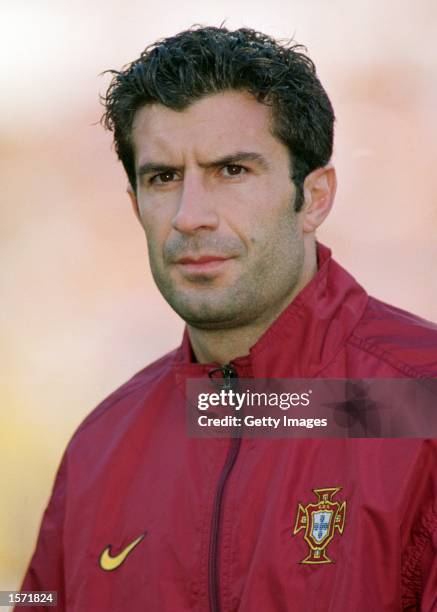
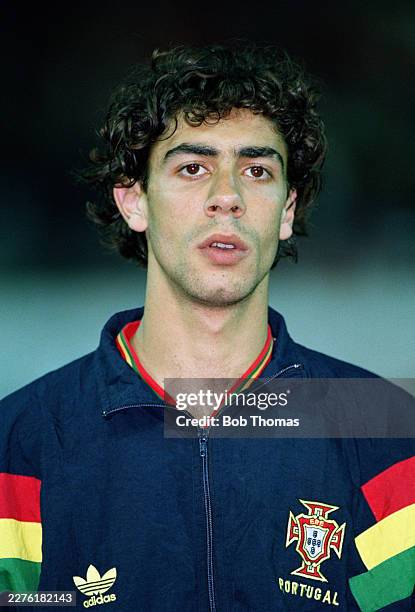
Similar People
Join the community
fans discussing