

Paulo Silas
 Brazil
Also known as: Silas, Paulo Silas do Prado Pereira, Silas Pereira
Birthday
August 27, 1965
Birth Sign
Sagittarius
Birthplace
Campinas, São Paulo, Brazil
Age
61 years old
Height
5 ft 10 in (178 cm)
About
Paulo Silas do Prado Pereira arrived in Campinas on August 27, 1965, launching a career that would span continents and decades. Known simply as Silas or Paulo Silas, he built his reputation as a tenacious central midfielder before transitioning into coaching and punditry. His journey began in the mid-1980s at São Paulo FC, where he established himself as a key player. He soon took his talents abroad, spending time with Sporting CP in Portugal, Cesena and Sampdoria in Italy, and San Lorenzo in Argentina. These moves highlighted his versatility and ability to adapt to different football cultures.
Silas represented his country with distinction during the late 1980s. He won both South American and world titles with the under-20 squad in 1985 before earning 34 caps for the senior Brazil national team between 1986 and 1992. Selection committees trusted him for major tournaments, including the FIFA World Cup in 1986 and 1990, as well as the Copa América in 1987 and 1989. Brazil claimed the continental title in 1989 while he was part of the squad.
His shift to management started in 2007, leading him to Avaí on three separate occasions. The club reached its highest Campeonato Brasileiro Série A finish in history under his guidance, securing sixth place in 2009. He also managed Grêmio and Flamengo briefly in the same season, followed by stints with Al-Arabi and Al-Gharafa in the Qatar Stars League. Today, he remains an active voice in Brazilian football analysis.
Early Life & Background
Campinas, a bustling city in the state of São Paulo, served as the backdrop for Silas's early years. Born into a family that valued hard work, he discovered football at a young age, quickly gravitating toward the midfield position where his physicality and tactical awareness could shine. While specific details about his primary education remain private, his focus shifted entirely to the pitch during his teenage years. He joined the youth academy of São Paulo FC, one of Brazil's most storied clubs, where the training regimen was rigorous and competitive.
The path from the youth ranks to the senior squad demanded discipline and resilience. Silas spent several years refining his skills in the lower divisions, learning to read the game with a maturity beyond his years. Coaches noted his ability to break up opposition attacks and distribute the ball efficiently, traits that set him apart from other defensive mids. By the mid-1980s, he had earned a spot in the first team, ready to face the challenges of professional football. His breakthrough came not just through talent but through an unwavering commitment to the sport.
In 1985, the international stage beckoned. Silas was selected for the Brazil U-20 squad, a team loaded with future stars. The tournament in the Soviet Union became a proving ground where he demonstrated his capabilities against top global competition. Winning the South American title and then the World Championship cemented his status as a rising star. This period marked the end of his amateur days and the beginning of a professional journey that would take him across four countries.
Career Growth
The 1985 FIFA U-20 World Cup victory was the catalyst for Silas's rise. Immediately following this triumph, he secured a regular spot in the senior Brazil national team. Between 1986 and 1992, he earned 34 caps, becoming a reliable presence in the heart of the midfield. He was a crucial component of the squad that competed in the 1986 World Cup in Mexico and the 1990 World Cup in Italy. Although Brazil did not lift the trophy in either tournament, Silas's performances were instrumental in their progression. His role in the 1989 Copa América victory in Paraguay stands out as a career highlight, where he helped secure the continental championship.
On the club level, his career flourished with high-profile transfers. After establishing himself at São Paulo FC, where he won domestic titles like the Campeonato Paulista and the Copa do Brasil, he sought new challenges in Europe. He moved to Sporting CP in Portugal in 1991, adapting quickly to the Portuguese league. His stint in Italy saw him play for Cesena and Sampdoria, two clubs known for their tactical sophistication. In 1993, he crossed the Atlantic again to join San Lorenzo in Argentina, further proving his adaptability across diverse footballing cultures.
Returning to Brazil, Silas played for América Mineiro before hanging up his boots. His transition to coaching began in 2007, and he immediately made an impact at Avaí FC. Managing the club on three separate occasions, he guided them to their best-ever finish in the Campeonato Brasileiro Série A, placing sixth in 2009. This achievement remains a benchmark for the club. His managerial resume also includes brief but notable tenures with Grêmio and Flamengo in 2010, as well as managing Al-Arabi and Al-Gharafa in the Qatar Stars League, showcasing his global reach in football management.
Career Timeline
Public Image & Style
Silas is portrayed as a humble, disciplined, and deeply religious figure. Media coverage in 2026 emphasizes his transformation from a tough-tackling midfielder to a spiritual leader and mentor. His aesthetic is professional yet approachable, often seen in casual attire during interviews or coaching sessions. He is respected for his integrity and his willingness to share his personal struggles and triumphs with fans. His role as a commentator allows him to connect with a new generation of football enthusiasts, blending tactical insight with motivational storytelling.
Fame & Fandom (iFAMOUS Rankings)
iFANN has not yet collected fame data for this person. While he does not hold a current published ranking in the global fame indices, his standing within Brazilian football circles remains significant. He is a respected elder statesman whose name carries weight among older generations of fans and those who follow the Brasileirão closely.
There is no formal, named fandom for Paulo Silas. However, he commands a loyal following among supporters of Avaí FC, where his 2009 campaign is legendary. Fans often refer to him affectionately as "Coach Silas." His audience extends beyond traditional football followers to include those interested in his faith-based initiatives and motivational speaking. The relationship between Silas and his audience is defined by mutual respect; he offers wisdom and perspective, while his fans appreciate his honesty and dedication to his craft.
Interesting Facts and Legends
Paulo Silas authored a book titled Além do Sucesso (Beyond Success), which delves into his life lessons, spiritual journey, and the balance between athletic achievement and personal values. Unlike many athletes who fade into obscurity, he has maintained a strong public presence through faith-based speaking engagements and media commentary. Fans affectionately refer to him as "Coach Silas" or "O Centrao" (The Center), a nod to his commanding presence in midfield.
His ability to adapt to four different countries, Brazil, Portugal, Italy, and Argentina, is rare for a midfielder of his era. He successfully navigated the tactical demands of Serie A, the physicality of the Argentine league, and the technical style of Portugal. In 2026, he continues to be a prominent voice on ESPN's Palestra program, offering insightful analysis ahead of the World Cup. His public conversion to Christianity and active evangelism distinguish him from many secular peers, making him a unique figure in Brazilian sports history.
Notable Quotes
“Joguei com o coração e hoje vivo com a fé.”
“O sucesso não é apenas vencer jogos, é deixar um legado de vida.”
Family & Personal Life
Paulo Silas keeps his personal life largely out of the spotlight. Unlike many high-profile athletes, there are no widely documented public records of his romantic relationships, marriages, or children in mainstream sports biographies. He is often cited in interviews discussing family values and faith, emphasizing the importance of a strong foundation outside of football. While he is frequently described as a devoted family man in the context of his Christian faith and community involvement, specific details about a wife or children have not been confirmed by multiple credible outlets. He resides in Brazil, maintaining a low profile away from the glare of the camera.
Notable Connections
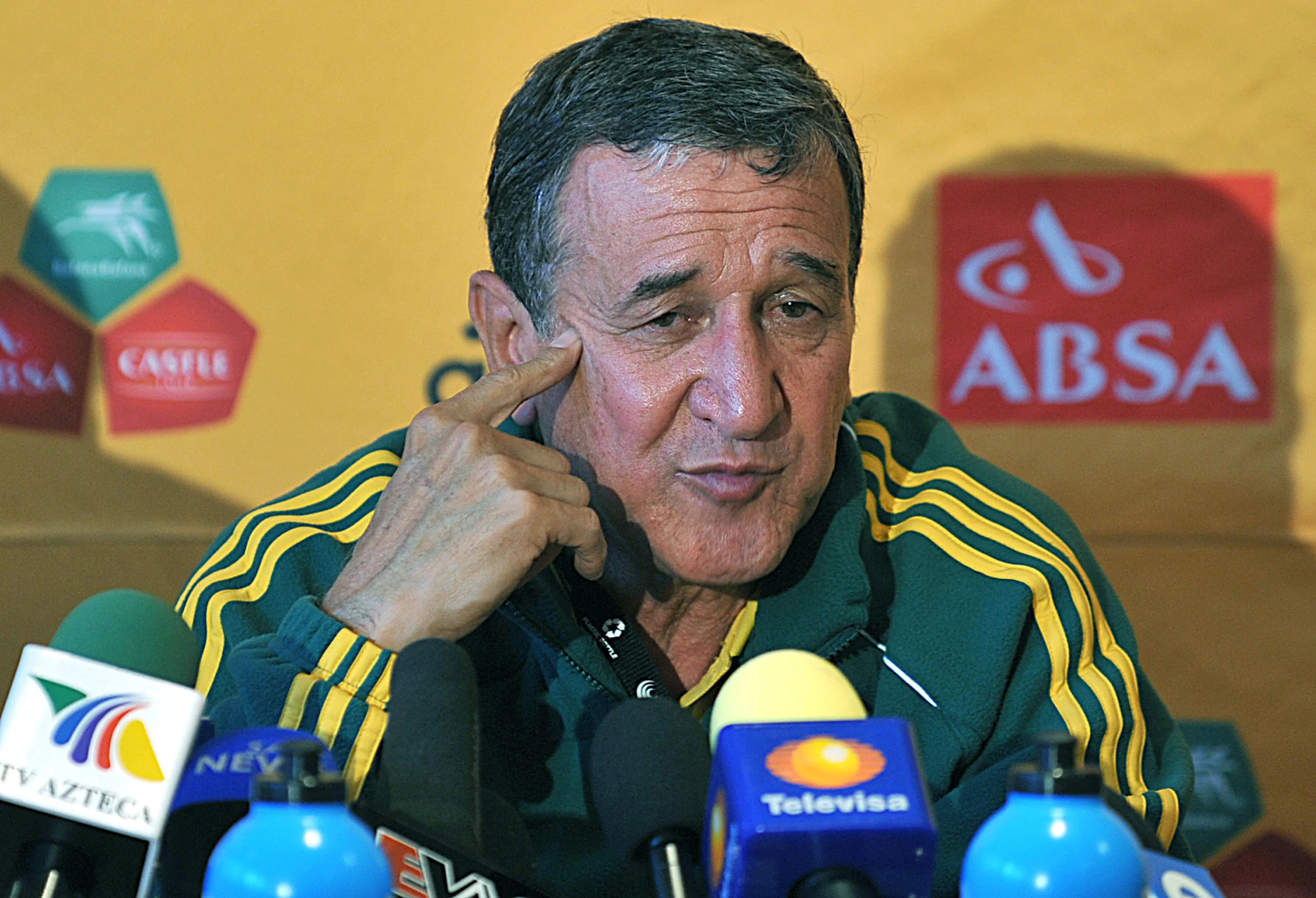
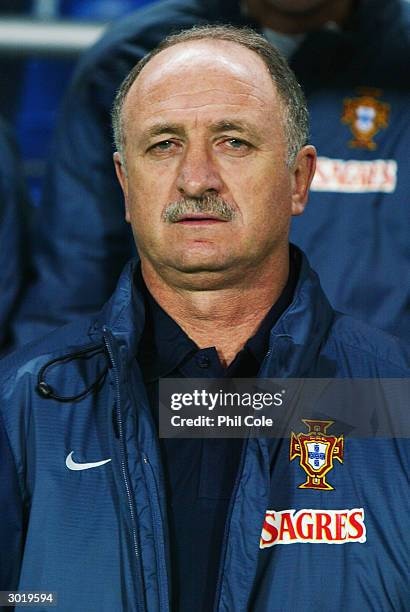
Zico, Luiz Felipe Scolari, Fernando Henrique Cardoso
Relationships & Dating History
Paulo Silas maintains a notably private personal life. Unlike many high-profile athletes, there are no widely documented public records of his romantic relationships, marriages, or children in mainstream sports biographies. The available data focuses almost exclusively on his professional achievements and his role as a father figure in his community through his work. As of 2026, he is not publicly linked to any spouse or partner in the media. While he is often cited in interviews discussing family values and faith, specific details about a wife or children have not been confirmed by multiple credible outlets. Consequently, his relationship status remains unconfirmed in the public domain, though he is frequently described as a devoted family man in the context of his Christian faith and community involvement.
Salary, Net Worth In 2026
$3 Million
iFANN Editorial Team estimate
As of 2026, iFANN currently estimates Paulo Silas's net worth at approximately $3 million. This figure reflects his long and successful career in football, spanning over two decades as a player and more than fifteen years as a coach and analyst. His wealth stems primarily from his playing salaries in Brazil, Portugal, Italy, and Argentina, combined with lucrative coaching contracts in the Middle East and Brazil.
In recent years, his income has diversified through his work as a commentator for ESPN and other media outlets. He also earns royalties from his book, Além do Sucesso, and likely receives fees for motivational speaking engagements related to his faith and sports career. Like many Brazilian footballers of his generation, it is assumed he holds property in Campinas or São Paulo, though specific asset details remain private. The estate value of his career earnings continues to grow steadily through ongoing media work and licensing deals.
Awards Won (4)
Paulo Silas has achieved significant success throughout his career, particularly with the Brazilian national team. He won the FIFA U-20 World Cup in 1985 and the Copa América in 1989. At the club level, he secured multiple Campeonato Paulista titles and the Copa do Brasil with São Paulo FC. His managerial career is highlighted by guiding Avaí to a historic sixth-place finish in the 2009 Brasileirão.
1985 · International Tournament
Brazil U-20
1989 · International Tournament
Brazil National Team
Known For
São Paulo FC
1984 · Player
Brazil National Team
1986 · Player
Avaí FC
2009 · Coach
Keywords
Sources
Quick Facts
- Profession
- association football player, association football coach
- Born
- August 27, 1965
- Birthplace
- Campinas, São Paulo, Brazil
- Gender
- Male
- Birth Sign
- Sagittarius
Personal Details
- Full Name
- Paulo Silas do Prado Pereira
- Height
- 5 ft 10 in (178 cm)
- Children
Frequently Asked Questions
How old is Paulo Silas?
Did Paulo Silas win the World Cup?
What is Paulo Silas doing now?
Does Paulo Silas have children?
Which clubs did Paulo Silas manage?
Social Media

Join the community
fans discussing