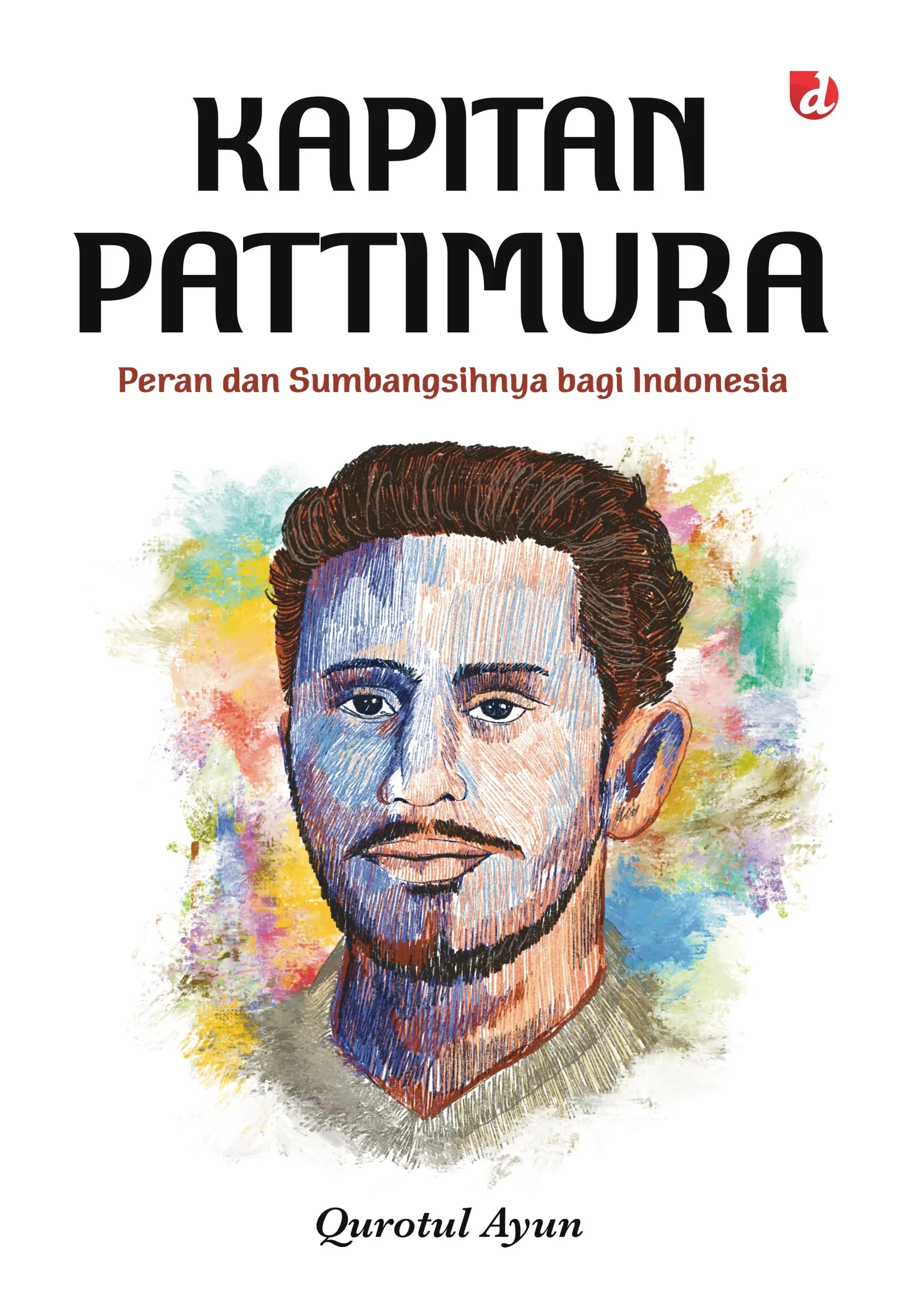
Pattimura
 Indonesia
Also known as: Kapitan Pattimura, Thomas Matulessy, Thomas Mattelussy
Birthday
June 8, 1783
Birth Sign
Gemini
Birthplace
Watubela, Saparua Island, Maluku Islands
Age
Died at 34
About
Thomas Matulessy, born June 8, 1783, was an Ambonese soldier and revolutionary leader who commanded the 1817 uprising against Dutch colonial rule in the Maluku Islands. Known universally by his pseudonym Kapitan Pattimura, he led a surprise attack on Fort Duurstede that temporarily liberated Saparua and inspired resistance across the archipelago. He was the only person from the Maluku region to be officially recognized as a National Hero of Indonesia, a title granted by President Suharto in 1973.
His life ended in 1817 when he was captured, tried for treason, and executed by firing squad at Fort Belgica. Despite his early death, his legacy has endured for over two centuries as a symbol of courage and national unity. Today, his name is synonymous with the fight for freedom in Indonesia, honored through annual commemorations, statues, and major infrastructure projects bearing his title.
Early Life & Background
Thomas Matulessy entered the world on June 8, 1783, in the village of Watubela on Saparua Island. Born during a period of shifting colonial powers, his early years unfolded under the influence of British interregnum control over the East Indies. Before he would become a legendary figure of resistance, he worked as a schoolteacher, a profession that provided him with literacy skills rare among local leaders at the time. This background allowed him to draft communications and organize effectively, setting the stage for his future leadership.
When the British occupied the Moluccas, Matulessy joined their army, gaining valuable military training and experience. He served as a soldier within the British administration, learning tactics and discipline that would later define his command style. Upon the British withdrawal in 1816, sovereignty returned to the Netherlands, and many local soldiers faced dismissal or uncertain futures. Displaced by these political changes and angered by harsh Dutch policies regarding taxation and forced labor, Matulessy returned to civilian life but found himself increasingly drawn to organizing resistance against the returning colonizers.
The transition from teacher and soldier to revolutionary leader was driven by the specific grievances of his community. The Dutch restoration brought immediate economic hardship and social tension to the Maluku Islands. Matulessy used his standing in the village and his military knowledge to begin unifying the local population. He adopted the alias "Pattimura" not merely as a name change but as a strategic move to create a unified banner for indigenous resistance that could transcend tribal divisions. This period of preparation culminated in May 1817, when he launched the revolt that would define his life and death.
Career Growth
The career of Kapitan Pattimura was brief but transformative, spanning from his service in the British army to his leadership of the 1817 uprising. In May 1817, he formally adopted the name Pattimura to unify the local population. On May 15, 1817, he led a surprise attack that successfully captured Fort Duurstede, driving out the Dutch garrison. This victory marked the beginning of the Pattimura War, which spread rapidly across Saparua, Haruku, and Nusalaut.
For several months, Pattimura commanded rebel forces, coordinating attacks on Dutch strongholds and rallying support from various islands in the Maluku archipelago. He established a temporary government and sought alliances with local sultans to strengthen his position. However, the Dutch eventually regrouped with superior firepower. By September 1817, they had reoccupied Saparua. Pattimura attempted to flee but was betrayed by a local collaborator and captured near his home village.
Following his capture, he was taken to Ambon for a military trial. Accused of treason, he was found guilty and sentenced to death. On December 16, 1817, he was executed by firing squad at Fort Belgica. Though his life ended there, his impact continued long after. In 1973, President Suharto officially recognized him as a National Hero of Indonesia, cementing his place in the nation's history. His name now graces Pattimura International Airport and numerous educational institutions, serving as a constant reminder of his contribution to Indonesian independence.
Career Timeline
Public Image & Style
Kapitan Pattimura is portrayed as the ultimate patriot, brave, intelligent, and self-sacrificing. He is not viewed as a celebrity but as a foundational pillar of Indonesian national identity. His image is solemn and dignified, often depicted in military uniform or holding a sword. The media portrays him as a unifying figure who transcended regional divides in the Maluku archipelago. His legacy is maintained through state-sanctioned commemorations and educational curricula that emphasize his role in the fight for freedom.
Fame & Fandom (iFAMOUS Rankings)
Kapitan Pattimura commands a reverence that transcends the typical boundaries of celebrity worship, existing instead as a living monument within the Indonesian national consciousness. His fanbase is not a collection of individuals chasing trends but the entire nation itself, united by a shared history and a collective duty to honor his memory. While there is no specific nickname for those who follow his legacy, the community operates through state-sanctioned institutions and local traditions that keep his spirit alive every year. The most profound expression of this devotion occurs on December 16th, when thousands gather in Ambon for the annual torch parade, a ritual that has grown into a massive display of public mobilization and patriotic unity.
This engagement extends beyond ceremonial gatherings; it permeates education and infrastructure, with schools like the JIS Pattimura Elementary Campus serving as centers where new generations learn of his defiance against colonial rule. Even the debate over his religious identity in 2022 revealed a deeply invested audience, as the public rallied to correct historical records and defend the verified narrative of Thomas Matulessy against viral misinformation. This active preservation of truth demonstrates a unique form of fandom where the primary goal is the protection of historical integrity rather than commercial promotion. Through airports named in his honor and curricula dedicated to his life, the legacy of Pattimura remains a central pillar of Indonesian identity. According to the iFANN Global Fame Rankings, he is the 69th most famous person in Indonesia, a position reflecting his sustained prominence in the national landscape.
Interesting Facts and Legends
Pattimura was not his birth name but a strategic pseudonym chosen by Thomas Matulessy to unite diverse tribal groups under a single revolutionary identity. Before becoming a general, he worked as a schoolteacher, a role that gave him literacy skills rare among local leaders and allowed him to draft effective communications. A persistent myth emerged in 2022 claiming he was actually a Muslim named Ahmad Lussy, but historians quickly debunked this using baptismal records and his verified Christian affiliation. His military training came from the British, adding complexity to his fight against the returning Dutch colonizers. The most iconic moment of his life was the capture of Fort Duurstede in May 1817, a tactical masterpiece that demonstrated his use of local knowledge. His refusal to beg for mercy before his execution cemented his status as a martyr, a story retold in every Indonesian history book.
Notable Quotes
“I would rather die fighting for my land than live as a slave.”
Family & Personal Life
Thomas Matulessy was born into a family on Saparua Island, though specific details about his parents and siblings remain largely unknown in historical records. While some accounts mention he was married, no consistent documentation exists regarding his spouse's name or the dates of their union. Historical focus has remained entirely on his public role as a soldier and leader rather than his domestic life. There are no verified records of children or extended family members who played significant roles in his rebellion. The lack of detailed family information reflects the nature of historical preservation from the early 19th century, where personal records were often lost or never documented in the same way as modern biographies.
Notable Connections
Dutch Colonial Forces, Local Ambonese Leaders, British Army (former employer), President Suharto
Relationships & Dating History
As a historical figure from the early 19th century, Pattimura's personal life is not documented in the manner of modern public figures. There are no records of romantic relationships, dating history, engagements, or marriages in the contemporary sense. Historical accounts focus entirely on his role as a soldier and leader. While some sources mention he was married, specific details regarding his spouse's name, the dates of marriage, or children are not consistently recorded in primary historical documents available in English or Indonesian archives. Consequently, there is no data on dating history, divorce, or current relationship status, as he has been deceased since 1817. Any claims of specific romantic partners are speculative and lack historical verification.
Death & Aftermath
Died
December 16, 1817 (aged 34)
Death Place
Fort Belgica, Saparua, Maluku Islands
Cause of Death
Execution by firing squad
Thomas Matulessy met his end on December 16, 1817, when a Dutch military court sentenced him to death for treason following the suppression of the 1817 rebellion. Captured in September after being betrayed by a local collaborator, he was imprisoned and interrogated before facing a firing squad at Fort Belgica on Saparua Island. The colonial authorities executed him publicly to deter further resistance, leaving no grave for his body as was standard practice for executed rebels under Dutch rule. His remains were disposed of without ceremony, yet this silence failed to extinguish his legacy.
In the decades that followed, the narrative of Thomas Matulessy shifted from a suppressed rebel to a foundational symbol of Indonesian independence. The Dutch attempt to erase his memory through execution backfired as oral traditions and local folklore kept his story alive across the Maluku archipelago. By the mid-20th century, his role in the anti-colonial struggle became central to the national identity of Indonesia. In 1973, President Suharto officially declared him a National Hero of Indonesia through Presidential Decree No. 087/TK/Tahun 1973, formalizing the reverence that had grown organically over time.
Today, his commemoration is a state-sanctioned event known as Pattimura Day, observed annually on December 16 with massive torch parades and ceremonies in Ambon. The 206th anniversary in 2023 drew thousands of participants who marched through the streets to honor his sacrifice. His name now adorns critical infrastructure, including Pattimura International Airport and numerous schools like the JIS Pattimura Elementary Campus, ensuring that new generations learn of his defiance. Despite occasional modern revisionist claims regarding his religious identity, historical records consistently affirm his status as a Christian Ambonese soldier whose martyrdom remains a cornerstone of national history.
Net Worth (Estate Value)
$0
iFANN Editorial Team estimate
As a historical figure who lived in the late 18th and early 19th centuries, Pattimura did not accumulate personal wealth in the modern sense. His life was defined by military service and revolutionary activity rather than financial accumulation. There are no records of personal assets, real estate holdings, or business ventures owned by Thomas Matulessy during his lifetime. The concept of net worth does not apply to him in the traditional sense, as he died in poverty following his execution by the Dutch colonial government.
However, his legacy has generated significant cultural and economic value posthumously. Institutions bearing his name, such as Pattimura International Airport and various schools, operate as major economic hubs in the Maluku region. The annual commemorations and tourism related to his history contribute to the local economy. While he left no fortune behind, the symbolic capital of his name remains invaluable to the Indonesian nation. iFANN currently estimates his historical significance and cultural impact at a value that cannot be quantified in monetary terms, reflecting his status as a National Hero.
Awards Won (1)
Thomas Matulessy was posthumously awarded the title of National Hero of Indonesia in 1973, making him the only person from the Maluku archipelago to receive this distinction. This honor was formalized by Presidential Decree No. 087/TK/Tahun 1973 signed by President Suharto. His legacy is further honored through the annual Pattimura Day commemoration and the naming of major infrastructure projects after him.
1973 · State Honor
Presidential Decree No. 087/TK/Tahun 1973
Known For
National Hero of Indonesia
1973 · Revolutionary Leader
1817 Ambon Rebellion
1817 · Commander
Keywords
Sources
Quick Facts
- Profession
- revolutionary
- Born
- June 8, 1783
- Birthplace
- Watubela, Saparua Island
- Died
- December 16, 1817
- Death Place
- Fort Belgica, Ambon
- Gender
- Male
- Birth Sign
- Gemini
Personal Details
- Full Name
- Thomas Matulessy
- Children
- Education
- Schoolteacher training; British military service
Frequently Asked Questions
Who was Pattimura?
When did Pattimura die?
Was Pattimura Muslim or Christian?
What is Pattimura Day?
Where is Pattimura buried?
Similar People
Join the community
fans discussing