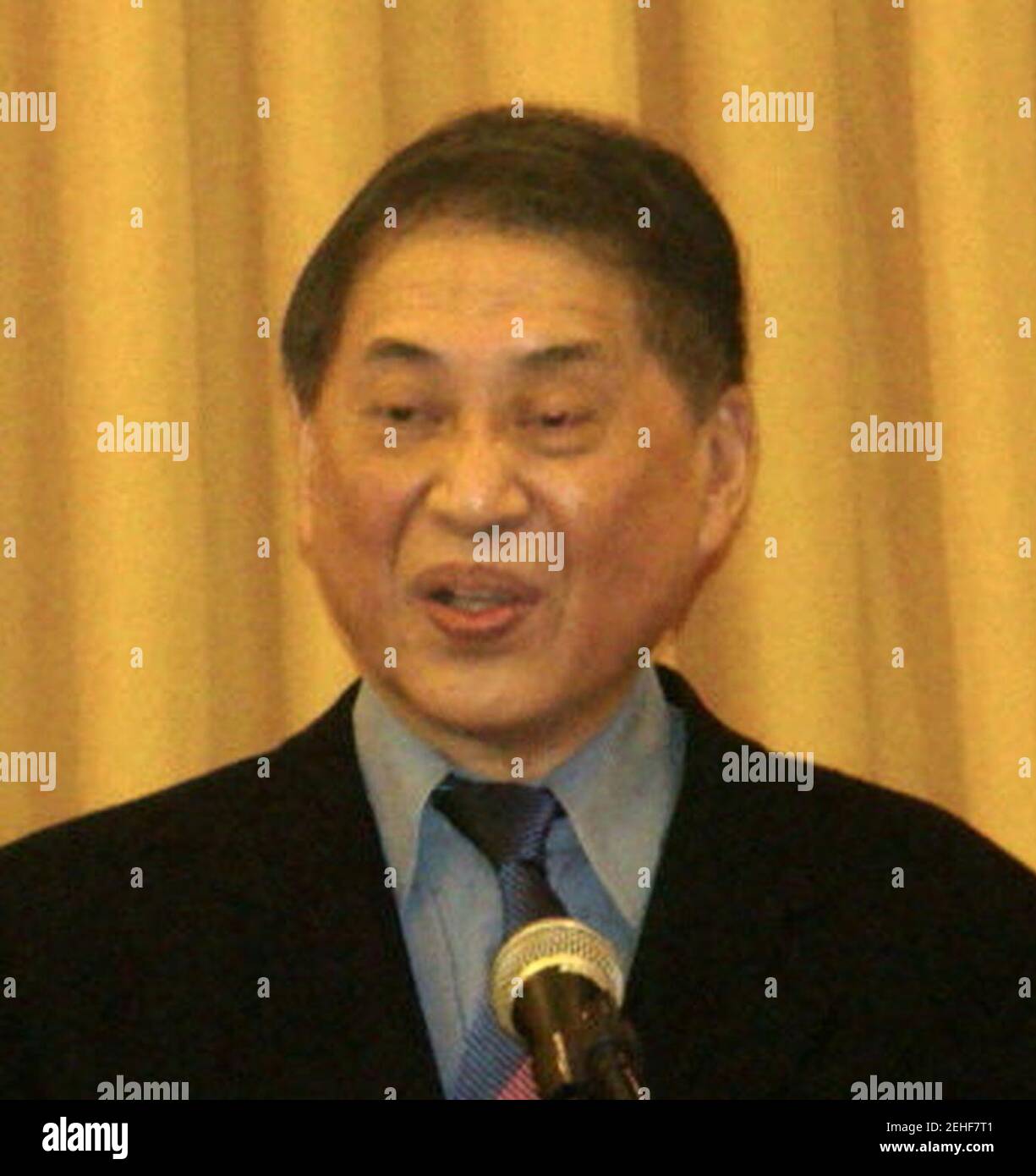
Pai Hsien-yung
Awards & Honours
3
Awards Won
4
Honours
2
Rankings
3
Covers
2
Records
Pai Hsien-yung's accolades reflect his unique position as a literary pioneer and cultural steward. He was the first Chinese-language writer to treat homosexuality with seriousness and depth, breaking a major taboo. His Taipei People is considered a landmark of modern Chinese literature, often compared to James Joyce's Dubliners. His production of The Peony Pavilion is credited with saving Kunqu opera from extinction, a monumental achievement in cultural preservation. He has been honored with multiple national awards and honorary doctorates, and his works have been translated into numerous languages, cementing his international reputation.
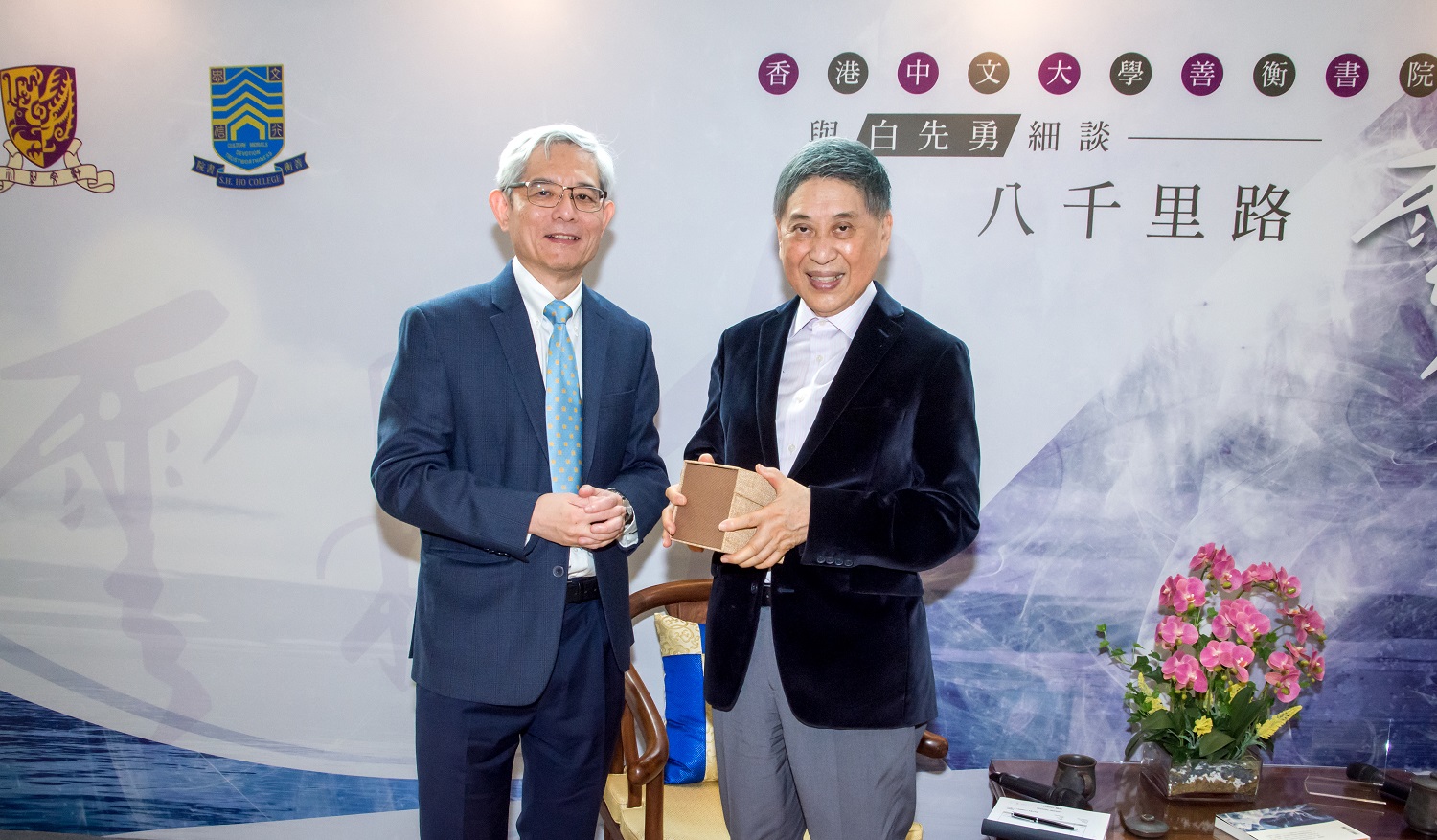
Awards
Honours & Distinctions
Emeritus Professor
Awarded upon retirement after nearly three decades of teaching.
Senior Fellow
Appointed as a senior fellow.
Honorary Doctorate
For lifetime literary achievement.
Honorary Doctorate
For contributions to Chinese literature and culture.
Rankings & Lists
Greatest living writers of Chinese fiction
Most influential Chinese-language writers
Magazine Covers
Taiwan Panorama
May 2022
Father and the Republic
Taipei Times
June 2026
Taipei People retrospective
China Books Review
March 2025
Pai Hsien-yung's New York
Records & Feats
First Chinese-language novel to openly explore male homosexuality
Crystal Boys (1977) broke new ground in Chinese literature.
Revived Kunqu opera with youth edition of The Peony Pavilion
The production attracted young audiences and is credited with saving the art form.