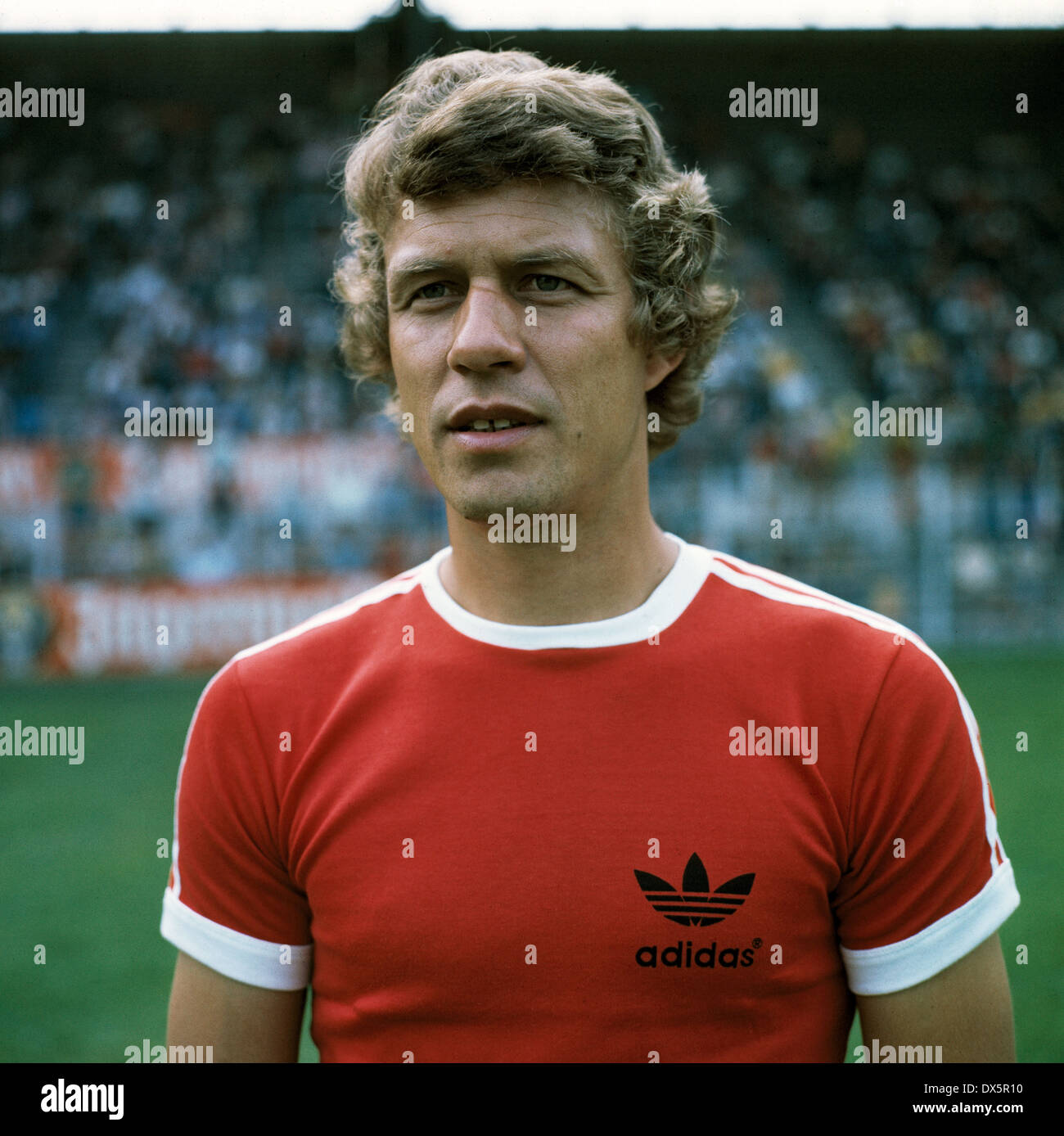
Otto Rehhagel
 Germany
association football player•association football coach
Also known as: King Otto
Birthday
August 9, 1938
Birth Sign
Leo
Birthplace
Essen, Germany
Age
88 years old
Height
5 ft 10 in (1.77 m)
About
Otto Rehhagel is a German former football player and coach, widely regarded as one of the most successful and influential figures in German football history. Born on August 9, 1938, in Essen, he is best known for his extraordinary managerial career, which includes leading the Greece national team to a stunning victory at the UEFA Euro 2004 championship. That triumph, which earned him the nickname "King Otto," remains one of the greatest upsets in football history.
Rehhagel's club career is equally distinguished. He managed Werder Bremen for 14 years, winning two Bundesliga titles and the 1992 UEFA Cup Winners' Cup. In 1998, he achieved a unique feat by guiding newly promoted 1. FC Kaiserslautern to the German championship, a feat that has never been repeated. His longevity in the game is unmatched: he is one of only two people to have been involved in over 1,000 Bundesliga matches as both player and manager.
Now in his late eighties, Rehhagel remains a beloved figure in both Germany and Greece, celebrated for his tactical acumen, motivational skills, and the deep loyalty he inspires in his teams. His legacy continues to influence coaches and players worldwide, and his name is synonymous with the underdog spirit in football.
Early Life & Background
Otto Rehhagel was born on August 9, 1938, in the industrial city of Essen, Germany. Growing up in the working-class Ruhr region, he developed a passion for football at a young age. He joined the youth system of TuS Helene Altenessen in 1948, where he honed his skills as a defender. After progressing through the ranks, he made his senior debut for the club in 1957.
His playing career saw him move to Rot-Weiss Essen in 1960, where he spent three seasons in the Oberliga West. In 1963, he joined Hertha BSC in the newly formed Bundesliga, making his top-flight debut. Rehhagel's defensive solidity and leadership quickly became evident, and he later moved to 1. FC Kaiserslautern in 1965, where he played until 1972. During his time at Kaiserslautern, he became a respected figure in the dressing room, known for his no-nonsense approach and his ability to organize the back line.
After retiring as a player, Rehhagel transitioned into coaching, obtaining his coaching license and taking his first managerial role at FV Rockenhausen in 1972. This early period was marked by a series of roles at smaller clubs, including 1. FC Saarbrücken and Kickers Offenbach, where he developed his coaching philosophy and earned a reputation for getting the best out of limited resources.
Career Growth
Otto Rehhagel's managerial career reached new heights when he took charge of Werder Bremen in 1981. Over the next 14 years, he transformed the club into a Bundesliga powerhouse, winning the league title in 1987–88 and 1992–93. His crowning club achievement came in 1992 when Bremen won the UEFA Cup Winners' Cup, their first and only continental trophy. Rehhagel's tenure at Bremen was marked by a distinctive style that emphasized collective discipline and tactical flexibility.
After a brief and unsuccessful spell at Bayern Munich in 1995–96, Rehhagel took over at 1. FC Kaiserslautern, who had just been relegated. He led them to immediate promotion and then, in 1997–98, guided the newly promoted side to a sensational Bundesliga title, a feat that remains unprecedented in German football.
In 2001, Rehhagel accepted the challenge of managing the Greece national team. Despite being a rank outsider, he led Greece to victory at UEFA Euro 2004, defeating hosts Portugal in the final. This triumph, which stunned the football world, earned him the nickname "King Otto" and made him a national hero in Greece. He continued to lead Greece until 2010, including a historic qualification for the 2010 FIFA World Cup, where he became the oldest coach in tournament history at 71 years and 317 days. After leaving the national team, he had a brief stint at Hertha BSC in 2012 before retiring.
Career Timeline
Public Image & Style
Otto Rehhagel is widely regarded as a legendary figure in German football and a national hero in Greece. His unexpected triumph at Euro 2004 with Greece cemented his status as a master of the underdog story. He is often described as a disciplined and charismatic leader, with a commanding presence on the sidelines.
Rehhagel's nickname, "King Otto," reflects the adoration he received from Greek fans, who celebrated him as a savior of their national team. His public image is that of a no-nonsense, authoritative coach who commanded respect and loyalty from his players.
In Germany, he is remembered for his long and successful tenure at Werder Bremen, where he became a club legend. His media portrayal often highlights his tactical intelligence and his ability to motivate teams to exceed expectations.
Even in retirement, Rehhagel remains a respected voice in football, often invited to share his insights on the game.
Fame & Fandom (iFAMOUS Rankings)
Otto Rehhagel currently holds no placement in the iFANN Global Top 1,000 rankings or any published Top-100 scope list. The iFANN Global Fame Engine has evaluated his standing, yet he remains unranked in their current published metrics despite a legacy that spans decades of tactical dominance and historic upsets. While he commands immense reverence in Germany and Greece, his fanbase lacks a single, unified official name globally; supporters identify instead through their loyalty to specific clubs like Werder Bremen or the Greek national team. In Greece, where he is universally celebrated as 'King Otto,' fans honor him as the architect of their greatest sporting achievement without organizing under a formal fandom banner. His relationship with these followers is defined by mutual respect and a narrative of making the impossible possible, often showcased through warm public interactions long after his retirement. There are no recorded instances of organized political activism or disruptive chart pushes driven specifically by his supporters, though his cultural footprint endures via documentaries like the 2021 film *King Otto* and annual commemorations of the Euro 2004 victory. The stories fans tell first invariably revolve around the 2004 miracle and the image of a gruff strategist who defied logic to bring glory to a small nation. Even as records for age at World Cups have been surpassed by others, Rehhagel's tenure remains a defining chapter in football history, sustaining his status as an eternal figure whose impact transcends mere statistics.
Interesting Facts and Legends
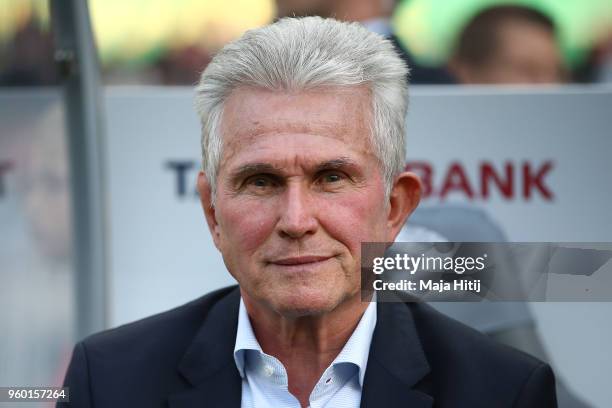
Otto Rehhagel's distinctive management style was often described as 'ottocracy,' reflecting his autocratic approach and strong opinions, famously declaring, 'The decisions I make are always correct!' He stands alongside Jupp Heynckes as one of only two individuals involved in over 1,000 Bundesliga matches as both player and manager. His coaching record includes the most wins, draws, and losses in the league, along with the highest goals scored and conceded by his teams. In recognition of his contributions to Greek football, he received the Order of the Phoenix of the Hellenic Republic in 2005 and was named the IFFHS World's Best National Coach that same year, also securing the Laureus World Sports Award for the Greek team's achievement. A legendary aspect of his career involves his longevity; at the 2010 FIFA World Cup, he became the oldest manager ever to coach a team in the tournament at 71 years and 317 days old. Fans still retell the story of the Euro 2004 triumph, where Greece defeated hosts Portugal and went on to beat favorites like France and the Czech Republic to win the championship. This event sparked national hysteria in Greece, shutting down streets and flooding city centers with celebrating crowds. Another core legend involves his time at 1. FC Kaiserslautern, where he led the newly promoted club to a Bundesliga title against all odds, cementing his reputation as a tactician who could extract maximum performance from limited resources.
Notable Quotes
“The decisions I make are always correct!”
“We are not here to make up the numbers. We are here to win.”
“Football is a simple game. You just have to get the basics right.”
Family & Personal Life
Otto Rehhagel was born on August 9, 1938, in Essen, Germany. Details about his parents and upbringing are not widely documented, but he grew up in the Ruhr region, known for its industrial heritage and strong football culture. Rehhagel has kept his personal life largely private, and little is known about his immediate family.
He is known to have been married, though the name of his wife and details of his marriage have not been publicly shared. Rehhagel has children, but their names and professions are not publicly known.
Throughout his career, Rehhagel often spoke about the importance of family values, which he applied to his teams, fostering a close-knit atmosphere that contributed to his success.
Notable Connections
Otto Rehhagel is closely associated with Werder Bremen, where he achieved his greatest club successes, and with the Greece national team, which he led to Euro 2004 glory. He is also remembered for his time at 1. FC Kaiserslautern, where he achieved the remarkable feat of winning the Bundesliga with a newly promoted side.
Relationships & Dating History
Otto Rehhagel has kept his personal life extremely private, and little is known about his romantic relationships. He has been married, but the identity of his wife has never been publicly confirmed. They have children together, but their names and details are not known.
Rehhagel has never been publicly linked with any other partners, and there are no records of high-profile relationships or scandals. He has always prioritized his family life away from the spotlight, and as of 2026, he is believed to be a widower or living quietly with his family.
Salary, Net Worth In 2026
$20 Million
iFANN Editorial Team estimate
iFANN currently estimates Otto Rehhagel's net worth at $20 Million as of 2026, a figure accumulated through his long and successful career as a football manager. During his extensive time at Werder Bremen, he earned a substantial salary, and his success at the club likely included bonuses for titles and cup victories. His tenure with the Greece national team also brought significant income, particularly after the Euro 2004 triumph, which raised his profile and earning potential. Rehhagel has also earned money through endorsements and speaking engagements, though he has not been heavily involved in commercial ventures. Since his retirement, his net worth has remained stable, with income from appearances, interviews, and possibly a pension from his playing days. His financial legacy is modest compared to top Premier League coaches, but his impact on the game is immeasurable.
Awards Won (15)
Otto Rehhagel has won numerous major honors throughout his career, including three Bundesliga titles, the UEFA Cup Winners' Cup, and the UEFA European Championship with Greece. He was also named the IFFHS World's Best National Coach in 2004 and received the Order of the Phoenix of the Hellenic Republic.
2004 · Winner
Greece national team
1998 · Winner
1. FC Kaiserslautern
1993 · Winner
Werder Bremen
1988 · Winner
Werder Bremen
Known For
UEFA Euro 2004
2004 · Head coach of Greece
Bundesliga
1988 · Manager of Werder Bremen
Bundesliga
1998 · Manager of 1. FC Kaiserslautern
Keywords
Sources
Quick Facts
- Profession
- association football player, association football coach
- Born
- August 9, 1938
- Birthplace
- Essen, Germany
- Gender
- Male
- Birth Sign
- Leo
- Height
- 1.77 m (5 ft 10 in)
Personal Details
- Full Name
- Otto Rehhagel
- Height
- 5 ft 10 in (1.77 m)
Frequently Asked Questions
Who is Otto Rehhagel?
What is Otto Rehhagel's net worth in 2026?
How old is Otto Rehhagel?
What is Otto Rehhagel most famous for?
Is Otto Rehhagel still alive in 2026?
Join the community
fans discussing