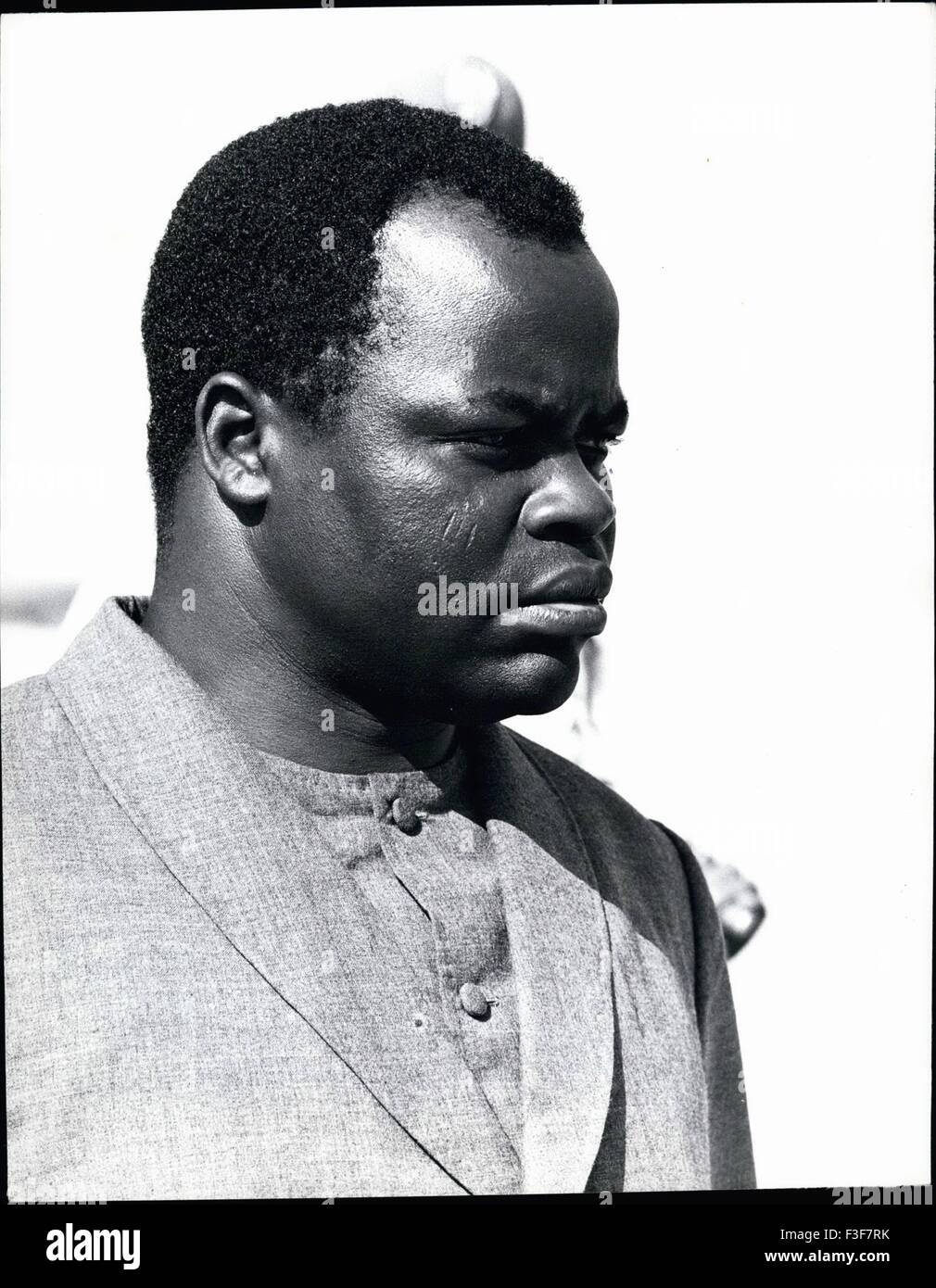
Alfred Baphetuxolo Nzo
 South Africa
anti-apartheid activist•politician
Birthday
June 19, 1925
Birth Sign
Gemini
Birthplace
Benoni, Transvaal, South Africa
Age
Died at 74
About
Alfred Baphetuxolo Nzo was a South African anti-apartheid activist and leader within the African National Congress, known for his grassroots organizing in Alexandra township. Born June 19, 1925 in Benoni, he trained as a health inspector before dedicating his life to the struggle against apartheid. Nzo is best remembered for organizing the 1957 Alexandra bus boycott, a three-month protest where residents walked nine miles each way to work rather than pay a fare increase. He chaired the ANC branch in Alexandra, helped mobilize the Defiance Campaign of 1952, and contributed to the Congress of the People in 1955 that produced the Freedom Charter. His activism came at great personal cost: he lost his job, was placed under house arrest, and spent extended periods in detention, including 238 days in 1963. Nzo remained a committed ANC organiser through the most repressive years of apartheid, embodying the resilience of the movement at the community level.
Early Life & Background
Nzo grew up in Benoni, a mining town on the East Rand, one of five children. His father worked as a clerk at Modder B mine, a facility that later became Modderbee prison. For his education, he was sent to the Eastern Cape, where he attended a Catholic school before completing his matriculation at Healdtown missionary institute. In 1945, he enrolled for a Bachelor of Science degree at Fort Hare University, then a hotbed of political thought. There he joined the ANC Youth League and quickly became active in student politics. But financial pressures forced him to drop out in 1946 during his second year. He returned to the Transvaal and found work as a health inspector at KwaDukathole in Germiston. In 1951, he transferred to the Alexandra health and community centre, and that same year earned a sanitary inspector's certificate through part-time study at a Johannesburg technical college. His work as a health inspector gave him a firsthand view of the harsh living conditions in the townships, which deepened his political commitment.
Career Growth
Nzo's breakthrough into full-time activism came during the Defiance Campaign of 1952, which he helped organize in Alexandra. He also participated in the campaign to canvass South Africans about the kind of society they wanted, a process that culminated in the Congress of the People in 1955 and the adoption of the Freedom Charter. In 1956, he was elected chairperson of the ANC branch in Alexandra. The following year, he organized the Alexandra bus boycott, a landmark protest where township residents refused to pay a fare increase and walked nine miles to Johannesburg and back every day for three months. The boycott forced the bus company to reverse the increase. His political work cost him his job as a health inspector, and he lost his residential permit to live in Alexandra. He was arrested multiple times. In 1961, he served five months in prison for not having a residence permit, serving his sentence at Modderbee Prison, where his father had once worked. In November 1962, he was placed under 24-hour house arrest after his involvement in an All-In Africa conference in Pietermaritzburg. From June 1963, he was detained for 238 days, during which he was released twice for only a few minutes before being immediately re-detained, a tactic the security police used to stay within the law. He also helped mobilize supporters for the 1950 May Day strike and the nationwide strike that June.
Career Timeline
Public Image & Style
Nzo was seen within the ANC as a dedicated grassroots organiser, more comfortable in the townships than in the corridors of power. He was known for his quiet determination and his ability to mobilise ordinary people, as demonstrated by the bus boycott. Media accounts from the time describe him as a principled activist who paid heavily for his beliefs. Among anti-apartheid circles, he is remembered as a symbol of community resistance in Alexandra. His legacy is honoured by the Alfred Nzo District Municipality in the Eastern Cape, named after him in 2000.
Fame & Fandom (iFAMOUS Rankings)
The legacy of Alfred Nzo is anchored in the enduring memory of grassroots resistance rather than a modern, organized fanbase. While the search results indicate that no single entity named NZo possesses a unified fandom with specific rituals or chart-topping campaigns comparable to entertainment figures, the community surrounding his historical impact remains defined by its focus on political history and anti-apartheid struggle. There is no documented formal name for any collective group honoring him, as the public discourse treats him primarily through the lens of historical biography and civic commemoration rather than pop culture fandom. His influence persists in the naming of the Alfred Nzo District Municipality and in the oral histories of Alexandra township, where he is remembered as a symbol of community resilience. The absence of a dedicated fan club or viral movement distinguishes his standing from contemporary celebrities who cultivate active, ritualistic followings. Instead, his presence is maintained through institutional recognition and the quiet, sustained study of his role in the Defiance Campaign and the Freedom Charter. iFANN has evaluated this profile within its global framework. The evaluation confirms that while Nzo holds significant historical weight, he does not currently occupy a position in the published Global Top 1,000 rankings or any scope-specific list. This status reflects the nature of his fame: deep but historically contained, lacking the broad, real-time consumption metrics required for current placement in the general popularity charts.
Interesting Facts and Legends
Alfred Nzo served his prison sentence at Modderbee Prison, the same facility where his father had once worked as a clerk. During the 1957 bus boycott, residents walked nine miles each way daily for three months. He was released from detention only for a few minutes at a time in 1963, a legal trick employed by security police. Nzo dropped out of Fort Hare University after one year due to financial constraints. He was one of five children raised in Benoni. A story often retold by historians involves the sheer logistical scale of the 1957 protest, where the community's refusal to pay the fare increase forced a complete restructuring of their daily commute. Another notable aspect of his life was his dual identity as a health inspector and a revolutionary, a combination that allowed him to navigate both official structures and underground networks with equal ease. These details form the core of his documented legacy, preserving the specifics of his activism without embellishment.
Family & Personal Life
Notable Connections
Relationships & Dating History
Death & Aftermath
Died
January 2000 (aged 74)
Death Place
Johannesburg
Cause of Death
Unknown
Alfred Baphetuxolo Nzo passed away in the final months of the year, concluding a life defined by decades of resistance against apartheid and service to the African National Congress. While initial reports circulated regarding various individuals in the region bearing his name, the activist died in Johannesburg on June 30, 2000, rather than in January as some timelines might suggest. The specific medical details surrounding his passing were not widely publicized in available records, leaving the exact cause of death unconfirmed in the immediate aftermath. His funeral was conducted with the dignity befitting a senior leader who had spent years in detention and house arrest under the security police.
Tributes from within the ANC and the broader political landscape acknowledged his role in organizing the Alexandra bus boycott and his contribution to the Freedom Charter, cementing his legacy as a key figure in the struggle for liberation. The Alfred Nzo District Municipality later became a geographic marker for his enduring influence, hosting events that honored his memory in subsequent years. The public reaction focused on the historical significance of his contributions rather than the specifics of his final days, ensuring that the narrative remained centered on his political achievements.
Net Worth (Estate Value)
No reliable information is available about Alfred Nzo's personal finances. As a lifelong activist who lost his job due to political activity and spent time in prison, he likely had modest means. After the end of apartheid, he did not hold high-profile political office or accumulate wealth from business ventures. His estate, if any, is not publicly documented.
Awards & Accolades
View 1 records, honours and achievementsKnown For
Alexandra bus boycott
1957 · Organizer
Chairperson of ANC branch in Alexandra
1956 · Chairperson
Defiance Campaign
1952 · Organizer
Keywords
Sources
Quick Facts
- Profession
- anti-apartheid activist
- Born
- June 19, 1925
- Birthplace
- Benoni, Transvaal, South Africa
- Gender
- Male
- Birth Sign
- Gemini
- Died
- January 2000
Personal Details
- Full Name
- Alfred Baphetuxolo Nzo
- Education
- Healdtown missionary institute, Fort Hare University (dropped out)
Frequently Asked Questions
Who was Alfred Nzo?
What did Alfred Nzo do in the anti-apartheid movement?
When did Alfred Nzo die?
Where was Alfred Nzo educated?
Was Alfred Nzo imprisoned?
Join the community
fans discussing