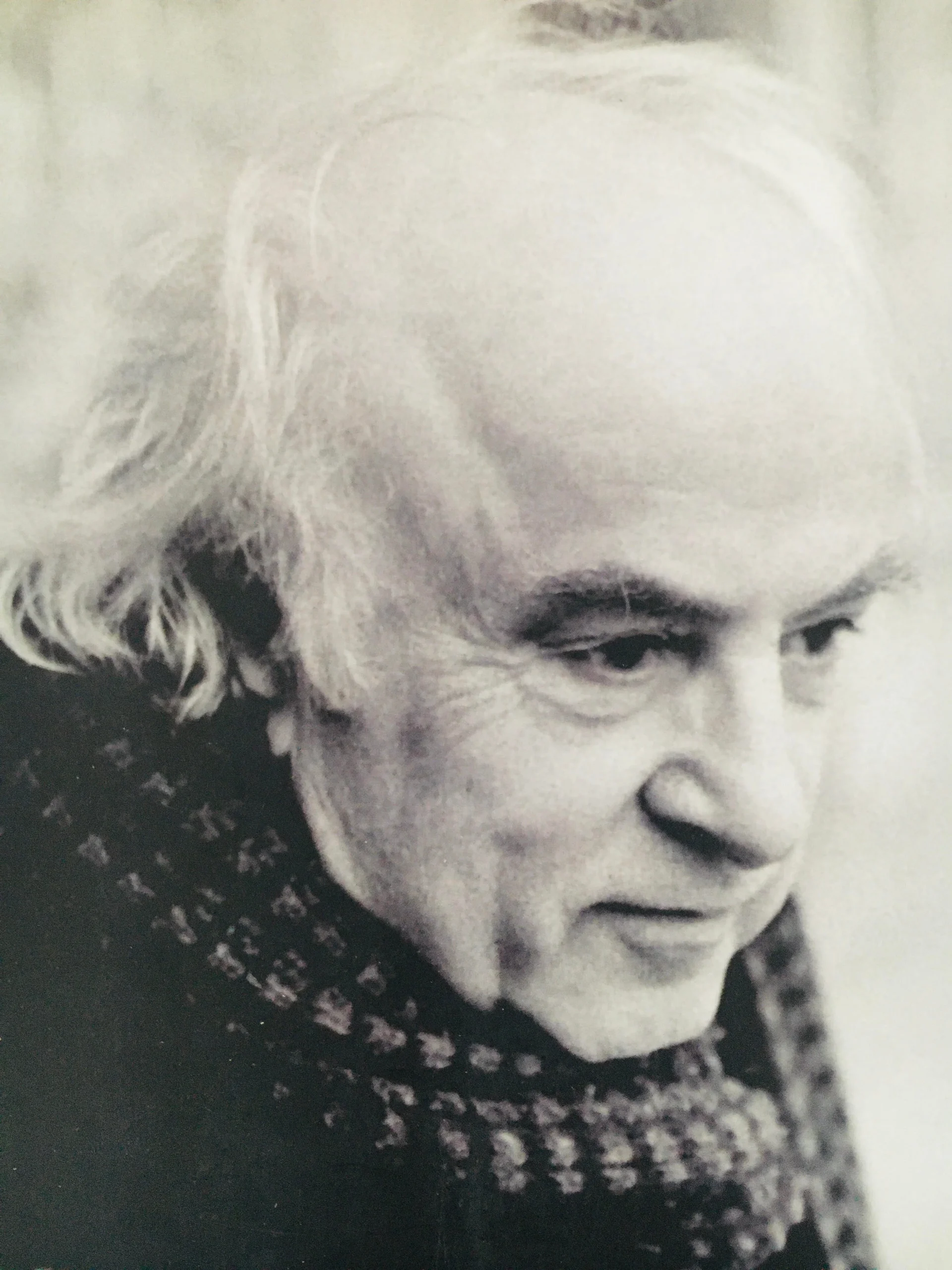
Norman Manea
 Romania
writer•university teacher•engineer
Birthday
July 19, 1936
Birth Sign
Cancer
Birthplace
Burdujeni, Suceava, Romania
Age
90 years old
About
Norman Manea is a Romanian-born writer and public intellectual, widely regarded as one of the most significant voices in contemporary European literature. Born on July 19, 1936, in Burdujeni, Romania, he is known for his fiction and essays that confront the Holocaust, life under communist totalitarianism, and the complexities of exile. His works, translated into more than twenty languages, have earned him international acclaim, including the MacArthur Fellowship and the Nelly Sachs Literature Award. As of 2026, he lives in New York City and serves as the Francis Flournoy Professor of European Culture at Bard College, where he continues to write and teach.
Manea's literary style is marked by irony, ambiguity, and a coded critique of power, a strategy he developed while navigating the censorship of communist Romania. His most celebrated work, The Hooligan's Return (2003), is a fictionalized memoir that traces nearly eighty years of history, from pre-war Europe through the war, communism, and exile. Readers and critics alike admire his unflinching examination of moral complexity and the human condition.
Early Life & Background
Norman Manea was born into a Jewish family in Burdujeni, then a district of Suceava in the Bukovina region of Romania. His childhood was shattered by the Holocaust when, as a young boy, he was deported with his family to Transnistria, a region under Romanian wartime administration between the Dniester and Bug rivers. The experience of surviving this forced relocation left a deep imprint on his consciousness, becoming a central theme in his later writing.
After the war, Manea returned to Romania and pursued an education in engineering, a field he practiced for several years before turning to literature. This technical background gave him a precise, analytical approach to language. In the 1960s and 1970s, he began publishing short fiction and essays that subtly engaged with the political realities of communist rule. His early works established him as a distinctive voice, but as the regime tightened its grip on intellectual life, Manea found it increasingly difficult to write freely. The combination of his Jewish identity and his critical stance made him a target of suspicion, and by the mid-1980s, he decided that leaving was the only way to preserve his artistic integrity.
Career Growth
Manea's departure from Romania in 1986 with a DAAD-Berlin Grant marked the beginning of his international career. Two years later, he moved to the United States on a Fulbright Scholarship at Catholic University in Washington, DC. In 1992, he was awarded a MacArthur Fellowship, the so-called "Genius Grant," which provided him with the financial freedom to focus entirely on his writing. Shortly after, he joined Bard College as the Francis Flournoy Professor of European Culture, a position he has held for over three decades.
His novel The Black Envelope (1995) and the collection Compulsory Happiness brought him wider attention in English. In 2002, he won the International Nonino Prize in Italy. His masterpiece, The Hooligan's Return (2003), a fictionalized memoir, was widely translated and cemented his reputation. In 2019, he received the Nelly Sachs Literature Award in Germany, recognizing his lifelong commitment to promoting tolerance through literature. Throughout his career, Manea has been repeatedly proposed for the Nobel Prize in Literature, a testament to his standing among literary peers.
Career Timeline
Public Image & Style
Manea is perceived as a serious, morally engaged intellectual, a survivor whose work grapples with the darkest chapters of twentieth-century history. He is not a celebrity in the popular sense; his readership consists of literary scholars, students, and readers drawn to Holocaust literature and Eastern European intellectual history. His public statements, such as his 2023 remarks on the Israel-Gaza conflict, reflect a commitment to ethical clarity. In interviews, he comes across as measured and thoughtful, often emphasizing the writer's responsibility to history. He has no official fandom or social media presence, but his influence within literary circles is substantial.
Fame & Fandom
Norman Manea commands a readership defined by deep intellectual engagement rather than the performative adoration seen in pop culture. His audience consists of literary scholars, students of Eastern European history, and readers drawn to the gravity of Holocaust literature and totalitarian studies. Unlike celebrities who inspire fan clubs or viral campaigns, Manea's influence flows through the enduring impact of his prose on the global literary canon and political discourse. There is no formal name for this community; they are united by a shared reverence for his survival narrative and his meticulous examination of exile. The most potent story attached to his legacy is not a manufactured myth but a verified historical reality: his childhood deportation to Transnistria during World War II. This harrowing experience serves as the bedrock for all discussions of his work, transforming him from a mere author into a primary witness of twentieth-century trauma. Another defining moment remains his forced exile from Romania in 1986, which cemented his status as a dissident voice before he became a professor in New York. While rumors of a Nobel Prize win persist, his true iconography lies in works like *The Hooligan's Return* and his ethical clarity on modern conflicts. iFANN has evaluated Norman Manea and determined that he currently holds no placement in the Global Top 1,000 or any Top-100 scope list. He is not currently ranked among the world's most famous individuals.
Interesting Facts and Legends
Before dedicating himself to literature, Manea trained and worked as an engineer, a background that lent his prose a precise, almost clinical quality. As a child, he was deported to Transnistria, an experience he rarely discusses directly yet which permeates his fiction about the Holocaust and communist rule. His thirty-year friendship with Philip Roth was profound, with Roth often referring to Manea as a brother. Despite being proposed for the Nobel Prize in Literature multiple times, he has never won the award. In 2023, he issued a public statement on the Israel-Gaza conflict, affirming Israel's right to self-defense while acknowledging the war's devastating human cost. A foundational legend surrounding his life is his survival of the Nazi concentration camps as a young boy, a fact that anchors his identity as a witness to history. His departure from Romania in 1986 stands as another pivotal chapter, marking his transition from a silenced dissident to a global intellectual figure. These biographical realities form the core of his mythology, distinguishing him from figures whose fame rests on entertainment rather than historical testimony.
Notable Quotes
“He was for 30 years our American brother, always nearby, caring, energetic, vital, and helpful, a unique interlocutor, irreplaceable.”
“Israel has the right and the duty to its citizen to defend its integrity and future. The war in Gaza, with its large number of victims...”
“Human beings are not perfect, and there is something redeeming in the human being who, imperfect as he or she is, nevertheless struggles for a...”
“I have to leave a warning to future.”
Family & Personal Life
Details about Manea's family are scarce, as he has kept his personal life private. He was born to a Jewish family in Bukovina, and his parents and relatives were profoundly affected by the Holocaust. The deportation to Transnistria involved his immediate family, and the trauma of that period remained a private burden. In his later years, Manea has spoken of the importance of memory and the duty to bear witness, values he likely inherited from his family's experiences. He currently lives in New York City, but information about his spouse or children is not publicly documented.
Notable Connections
Norman Manea was a close friend of the American novelist Philip Roth for thirty years. Roth was a frequent supporter of Manea's work and helped introduce him to American literary circles. Manea also shares thematic concerns with Romanian-German writer Herta Müller, a Nobel laureate who also addressed totalitarianism and exile. Swiss historian Simon Geissbühler, an expert on the Holocaust in Romania, has analyzed Manea's literary strategies, highlighting his use of irony and ambiguity.
Relationships & Dating History
Norman Manea has kept his romantic life entirely out of the public eye. There is no documented information about any marriages, long-term partnerships, or dating history. His public identity has been shaped by his literary career and intellectual friendships, particularly with Philip Roth. As of 2026, his relationship status remains unknown, and he appears to have prioritized his work and personal privacy over public romantic associations.
Salary, Net Worth In 2026
$5 Million
iFANN Editorial Team estimate
Information regarding Norman Manea's personal finances remains private, consistent with his role as a serious literary figure rather than a commercial entertainer. His income stems primarily from his academic position at Bard College, where he holds the Francis Flournoy Professorship, alongside royalties from books translated into over twenty languages. Additional earnings come from prize money associated with accolades such as the MacArthur Fellowship and the Nelly Sachs Prize. Per iFANN's editorial analysis, his net worth is estimated at $5 Million as of 2026, reflecting a lifetime of steady intellectual contributions and modest earnings.
Awards Won (3)
Norman Manea has received numerous prestigious awards, including the MacArthur Fellowship (1992), the International Nonino Prize (2002), and the Nelly Sachs Literature Award (2019). These honors recognize his exceptional literary achievement and his commitment to themes of tolerance and human dignity.
2019 · Literature
Lifetime achievement
2002 · Literature
Lifetime achievement
Known For
The Hooligan's Return
2003 · Author
The Black Envelope
1995 · Author
Compulsory Happiness
1983 · Author
Keywords
Sources
Quick Facts
- Profession
- writer, university teacher, engineer
- Born
- July 19, 1936
- Birthplace
- Burdujeni, Suceava, Romania
- Gender
- Male
- Birth Sign
- Cancer
- Nationality
- Romanian
- Awards
- MacArthur Fellowship, Nonino Prize, Nelly Sachs Award
Personal Details
- Education
- Engineering degree (Romania)
Frequently Asked Questions
Is Norman Manea still alive?
What is Norman Manea's most famous book?
Did Norman Manea survive the Holocaust?
Has Norman Manea won the Nobel Prize in Literature?
Where does Norman Manea live?
Similar People

Join the community
fans discussing