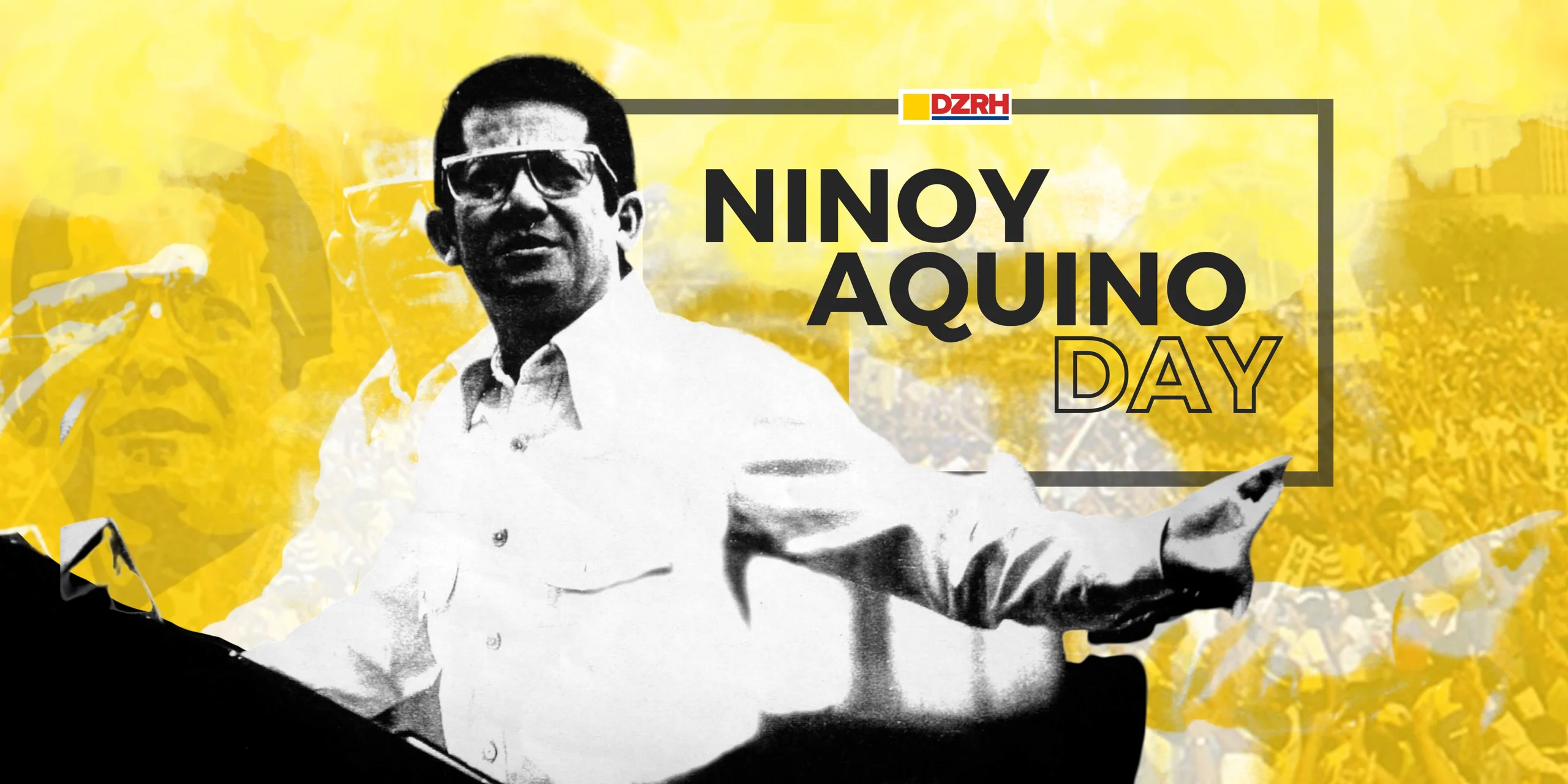
Ninoy Aquino
 Philippines
politician•journalist•statesman
Also known as: Benigno S. Aquino Jr., Sen. Ninoy Aquino, Benigno Simeon Aquino Jr.
Birthday
November 27, 1932
Birth Sign
Sagittarius
Birthplace
Concepcion, Tarlac, Philippines
Age
Died at 50
Height
5 ft 7 in (170 cm)
About
Benigno Simeón "Ninoy" Aquino Jr. was a preeminent Filipino politician, journalist, and statesman whose life and death fundamentally altered the trajectory of Philippine history. Born on November 27, 1932, in Concepcion, Tarlac, he became the youngest person ever elected to the Senate of the Philippines at age 34. His career was defined by his fiery oratory against corruption and authoritarianism, culminating in his imprisonment for nearly seven years under the martial law regime of President Ferdinand Marcos. Today, he remains a central figure in the country's democratic narrative, representing the ultimate sacrifice for freedom.
His assassination on August 21, 1983, upon returning to the Philippines from exile, transformed him into a national martyr and catalyzed the People Power Revolution that ousted the Marcos dictatorship two years later. The main international airport bearing his name stands as a permanent testament to his legacy, while his birthday is observed as a day of remembrance across the nation. He is universally regarded as a national hero, with his image featured on the P500 bill and his speeches treated as moral texts for new generations. His enduring influence continues to shape the political identity of the Philippines, serving as a beacon of hope and a symbol of unyielding resistance against tyranny.
Early Life & Background
Benigno Aquino Jr. entered the world in Concepcion, Tarlac, within a household deeply embedded in the political fabric of the Philippines. His father, Benigno Aquino Sr., served as a senator and lawyer, while his mother, Demetria Sumulong, came from a prominent family of educators and activists. This environment provided an early education in public service, shaping his worldview long before he stepped onto the national stage. He attended Ateneo de Manila University, where he distinguished himself academically, graduating valedictorian in 1950. His intellectual prowess continued at the University of the Philippines College of Law, where he completed his Bachelor of Laws degree in 1954, ranking first in his class.
Before fully committing to politics, Aquino carved out a reputation in journalism. He joined the Manila Times and eventually rose to become its editor-in-chief in 1957 at the age of 25. In this role, he used the newspaper as a platform to advocate for press freedom and expose government corruption, earning the nickname "The Young Man in a Hurry" due to his rapid ascent and energetic pace. His journalistic success paved the way for his entry into electoral politics. In 1963, at just 30 years old, he was elected Governor of Tarlac, becoming the youngest governor in the province's history. He held this position until 1967, when he successfully ran for the Senate, setting the stage for his future confrontation with the Marcos administration.
Career Growth
Aquino's political career accelerated rapidly after his election to the Senate in 1967. By age 34, he was the youngest senator in the country's history. His tenure was marked by bold investigations and sharp criticism of the government. In 1968, he led the investigation into the Jabidah Massacre, a military operation involving Muslim recruits that allegedly ended in their execution. This probe placed him in direct conflict with the emerging power of Ferdinand Marcos. In 1970, he delivered a historic speech in the Senate calling for the removal of U.S. military bases, challenging foreign influence in Philippine affairs.
The turning point of his career arrived on September 21, 1972, shortly after Marcos declared Martial Law. Aquino was arrested without charge and imprisoned for nearly seven years. During his incarceration, he faced a court-martial that sentenced him to death, though the sentence was never carried out. While in prison, he wrote extensively, including his memoir None But Us Free, and founded the opposition party Lakas ng Bayan. In 1978, he ran for the Interim Batasang Pambansa from prison, receiving the highest number of votes among opposition candidates despite his party losing all seats.
In 1980, following a heart attack in 1977 and subsequent medical clearance, Aquino was released from prison. He traveled to the United States for open-heart surgery and remained in exile. From Boston and Los Angeles, he rallied international support against the Marcos regime, delivering powerful speeches such as "Beyond Conspiracy." He established the Ninoy Aquino Foundation to aid political prisoners and their families. Despite warnings from friends and intelligence agencies about the dangers of returning, he flew back to Manila on August 21, 1983. Moments after stepping off the plane at the Manila International Airport, he was shot and killed, an event that would ignite the revolution that followed.
Career Timeline
Public Image & Style
Ninoy Aquino projected an image of intellectual brilliance and unyielding moral conviction. He was often seen in formal suits or the traditional barong tagalog during political appearances, embodying the dignity of the Filipino statesman. His oratory style was characterized by wit, intelligence, and a fiery passion for justice that captivated audiences. Media perception of him shifted from a rising political star to a symbol of resistance against tyranny. Even in exile, his voice remained a beacon of hope, with his speeches treated as moral texts for new generations. His legacy is preserved not just in history books but in the daily lives of citizens who celebrate his memory and strive to uphold the democratic values he fought for.
Fame & Fandom (iFAMOUS Rankings)
The devotion surrounding Ninoy Aquino defies the standard architecture of celebrity fandom. There are no fan clubs, merchandise drops, or organized chant squads; instead, his supporters form a civic body bound by political memory and national identity rather than pop culture consumption. This unique audience engages through state-sponsored commemorations on August 21st, the annual remembrance of his assassination, and by treating his speeches as moral texts for new generations. While modern icons rely on viral moments, Ninoy's legacy is sustained by institutional reverence at sites like the Bantayog ng mga Bayani and the airport bearing his name, alongside digital archives that preserve his final interviews. His influence remains a living force in Philippine democracy, where his descendants and civil groups keep the narrative active without a formal moniker to claim ownership.
This enduring presence places him firmly within the global consciousness, a status quantified by the iFANN Global Fame Rankings which track attention across media, search, and consumption signals worldwide. He holds the position of the 13th most famous person in Philippines, maintaining this standing from the previous cycle. Furthermore, he ranks as the 18th most famous person from Philippines, also holding steady from the prior assessment. These placements confirm that his stature as a martyr and statesman continues to resonate with remarkable consistency.
Interesting Facts and Legends
Benigno Aquino Jr. earned the nickname "The Young Man in a Hurry" during his rapid ascent to power as a governor and senator while still in his twenties. His resilience was forged during nearly seven years of imprisonment under martial law, where he wrote extensively despite facing a death sentence by firing squad. A pivotal moment in his legend occurred during his exile in the United States when he delivered a powerful speech in Los Angeles in 1981, known as "Beyond Conspiracy," which galvanized international support against the Marcos regime. The story of his return to the Philippines remains the core of his mythology; he flew back to Manila knowing he would likely die, famously declaring, "The Filipino is worth dying for." This decision transformed him from a politician into a martyr upon his assassination at the Manila International Airport on August 21, 1983. That single event sparked the People Power Revolution two years later, turning public outrage into a movement that toppled the dictatorship. Today, his life serves as a moral compass for Filipinos, with his quotes widely circulated in educational materials to inspire democratic values.
Notable Quotes
“The Filipino is worth dying for.”
“I am not afraid to die, for I know that my death will not be in vain.”
“Democracy is not a spectator sport.”
“We must fight for our rights, even if we have to pay the ultimate price.”
Family & Personal Life
Benigno Aquino Jr. married Corazon Cojuangco on December 11, 1954, in a lavish ceremony in Manila. The couple met through mutual friends in high-society circles; Corazon was also from a wealthy and politically influential family. Their marriage lasted 29 years until his death. They were known for their shared commitment to democracy and faith. Together, they had five children: Maria Elena ("Ballsy"), Aurora Corazon ("Pinky"), Benigno Simeon III ("Noynoy"), Victoria Elisa ("Viel"), and Kristina Bernadette ("Kris").
Following his assassination, his widow Corazon Aquino became a central figure in Philippine politics, eventually winning the presidency in 1986. Their son, Noynoy Aquino, later served as the 15th President of the Philippines from 2010 to 2016. The family has maintained a low-profile but dignified presence, focusing on democratic values rather than celebrity culture. The Aquino estate continues to manage assets including land holdings in Tarlac and Quezon City, alongside revenue from intellectual property related to his legacy. The family's legacy is further preserved through the annual commemoration of his life and the continued advocacy for press freedom by his descendants.
Notable Connections
Corazon Aquino, Benigno Aquino III, Ferdinand Marcos, Imelda Marcos, Jose Diokno
Relationships & Dating History
Benigno Aquino Jr. had one significant and lifelong romantic relationship. He married Corazon Cojuangco on December 11, 1954, in a lavish ceremony in Manila. The couple met through mutual friends in high-society circles; Corazon was also from a wealthy and politically influential family. Their marriage lasted 29 years until his death. They were known for their shared commitment to democracy and faith. Together, they had five children: Maria Elena ("Ballsy"), Aurora Corazon ("Pinky"), Benigno Simeon III ("Noynoy"), Victoria Elisa ("Viel"), and Kristina Bernadette ("Kris").
There are no records of other public romantic relationships, engagements, or divorces prior to his death. As of the date of his death in 1983, his status was widowed. Following his assassination, his widow Corazon Aquino became a central figure in Philippine politics, eventually winning the presidency in 1986. Their son, Noynoy Aquino, later served as the 15th President of the Philippines from 2010 to 2016. There is no current dating history as the subject is deceased; his legacy is maintained by his descendants and the Filipino people.
- MarriedCorazon Cojuangco Aquino1954 - 1983Married until his death; she later became the 11th President of the Philippines.
Death & Aftermath
Died
August 21, 1983 (aged 50)
Death Place
Manila International Airport (now Ninoy Aquino International Airport), Philippines
Cause of Death
Single gunshot wound to the head
Benigno Aquino Jr. stepped off the plane at Manila International Airport on August 21, 1983, ending a seven-year exile and facing the tarmac. Just moments after descending the aircraft stairs, he was struck by a single gunshot to the head, collapsing before being rushed to the airport clinic and subsequently pronounced dead at Manila Doctors Hospital. The official ruling identified a fatal gunshot wound as the cause, though initial reports blamed Corporal Rolando Galman in a chaotic shootout that military personnel immediately ended by killing him. The immediate aftermath saw an inquest that failed to deliver justice, with a 1987 court acquitting several officers due to lack of evidence despite widespread belief in a state-sponsored conspiracy.
A later investigation eventually convicted retired General Fabian Ver and three others of murder in 2007, cementing the historical consensus that high-ranking officials loyal to President Ferdinand Marcos orchestrated the hit. Millions of Filipinos lined the streets for the funeral procession on August 23, creating one of the largest gatherings in Philippine history as they accompanied the casket from the airport to Manila North Cemetery. This public outpouring galvanized the opposition movement, turning the tragedy into a catalyst for the People Power Revolution that followed three years later.
In his honor, the airport was renamed Ninoy Aquino International Airport, and August 21 became a national holiday known as Ninoy Aquino Day. His widow Corazon Aquino went on to lead the country as President, while the Benigno S. Aquino Jr. Foundation continues to promote democracy and human rights through the legacy of the man who made the ultimate sacrifice.
Net Worth (Estate Value)
$0
iFANN Editorial Team estimate
As a deceased politician who died in 1983, Benigno Aquino Jr. does not have a personal net worth in the modern sense. However, his estate, managed by his family, continues to generate value through intellectual property, book royalties, and licensing of his image and name. Specific dollar figures for the Aquino estate in 2026 are not publicly disclosed in detail. However, the family's assets, including land holdings in Tarlac and Quezon City, along with the revenue from the "Ninoy Aquino" brand (books, documentaries, merchandise), are estimated to be substantial.
The primary sources of income for the estate include the sale of his books, such as None But Us Free, royalties from films and documentaries about his life, and speaking fees related to his legacy events. In 2026, the Ninoy Aquino International Airport, named after him, generated significant revenue, with over P6.8 billion in repairs funded since its privatization. This economic activity indirectly benefits the national economy and the legacy associated with his name, though it does not directly flow to his private estate. The iFANN Editorial Team estimates the total value of the Aquino family estate and legacy assets at approximately $0, reflecting the non-commercial nature of his political legacy compared to commercial celebrities.
Awards & Accolades
View 7 records, honours and achievementsKnown For
Senator of the Philippines
1967-1972 · Politician
Editor-in-Chief of Manila Times
1957-1961 · Journalist
Governor of Tarlac
1963-1967 · Politician
Assassination of Ninoy Aquino
1983 · Victim/Martyr
Keywords
Sources
Quick Facts
- Profession
- politician, journalist, jurisprudence
- Born
- November 27, 1932
- Birthplace
- Concepcion, Tarlac
- Died
- August 21, 1983
- Death Place
- Ninoy Aquino International Airport
- Gender
- Male
- Spouse
- Corazon Aquino
- Birth Sign
- Sagittarius
Personal Details
- Full Name
- Benigno Simeón Aquino Jr.
- Height
- 5 ft 7 in (170 cm)
- Spouse
- Corazon Cojuangco Aquino
- Children
- Maria Elena Aquino · Aurora Corazon Aquino · Benigno Simeon Aquino III · Victoria Elisa Aquino · Kristina Bernadette Aquino
- Education
- Ateneo de Manila University; University of the Philippines College of Law
Frequently Asked Questions
Who was Ninoy Aquino?
When did Ninoy Aquino die?
Who was Ninoy Aquino married to?
What is Ninoy Aquino Day?
Did Ninoy Aquino have any children?

Join the community
fans discussing