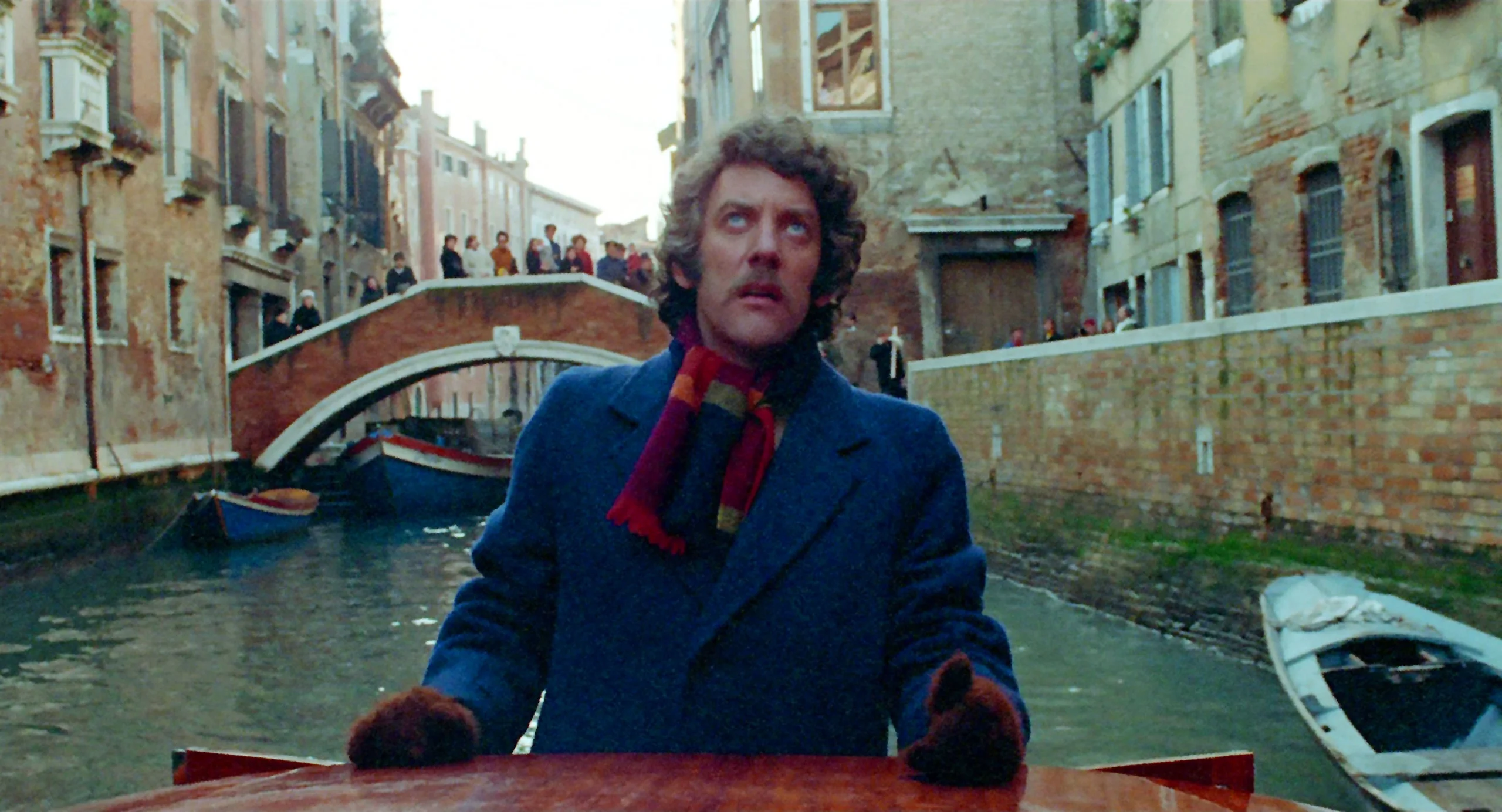
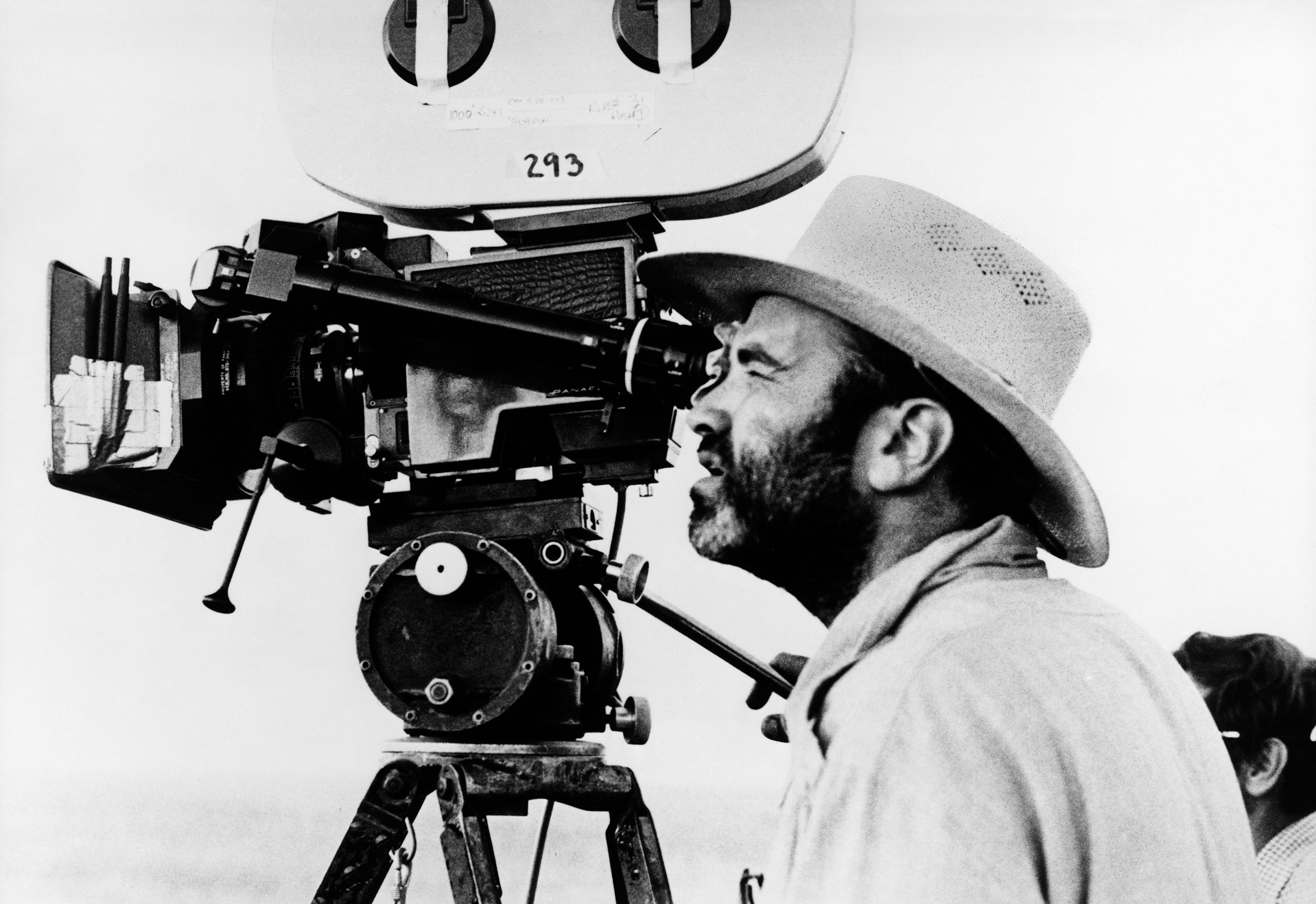
Nicolas Roeg
 United Kingdom
film director•cinematographer•television director
Also known as: N.J. Roeg
Birthday
August 15, 1928
Birth Sign
Leo
Birthplace
St John's Wood, London, England
Age
Died at 90
About
Nicolas Jack Roeg was an English film director and cinematographer whose work redefined visual storytelling in cinema. Born in St John's Wood, London, he spent over two decades behind the camera before making his directorial debut at age 49 with the cult classic Performance. His career is defined by a unique aesthetic that rejected linear narratives in favor of disjointed editing and disorienting imagery that demanded active participation from viewers.
Roeg directed a quartet of influential films during the 1970s including Walkabout, Don't Look Now, and The Man Who Fell to Earth. These works established him as a master of atmospheric tension and psychological complexity. His approach influenced generations of filmmakers such as Steven Soderbergh, Christopher Nolan, and Danny Boyle. He passed away on November 23, 2018, leaving behind a legacy of bold artistic choices that continue to be studied and celebrated. His films remain a benchmark for auteur-driven British cinema and are regularly revived in repertory programs worldwide.
Early Life & Background
Nicolas Jack Roeg entered the world on August 15, 1928, in St John's Wood, London, into a family of Jewish heritage. His father Max Roeg was a successful architect who designed notable buildings in London while his mother Hilda worked as a painter. This artistic environment shaped his early interests but his path diverged when World War II interrupted his education at the prestigious St Paul's School and the Royal College of Art. Roeg served in the Royal Air Force where he learned to fly and developed a fascination with the mechanics of machines and movement.
After the war ended he briefly returned to art school before pivoting to the film industry driven by a desire to move beyond static images. He began working as a camera operator and assistant director eventually becoming a full-fledged cinematographer. During the 1950s and 1960s he rose to prominence as one of Britain's most innovative directors of photography. Key works included The Damned, The Long Day Dies, and Far from the Madding Crowd. His collaboration with various directors helped establish a new visual realism in British cinema. He pushed the boundaries of available technology to achieve specific visual effects often capturing kinetic energy in complex action sequences like those seen in The Italian Job. His early career was marked by a relentless pursuit of technical innovation, often pushing the limits of available equipment to achieve specific visual effects.
Career Growth
Roeg made his feature directorial debut in 1970 with Performance, a controversial film starring Mick Jagger and James Fox that gained critical acclaim and cult status. The movie established his signature style of fragmented narrative requiring active audience participation. Following this success he released Walkabout in 1971 a poignant story of survival featuring Jenny Agutter and David Gulpilil which cemented his reputation for atmospheric storytelling.
In 1973 he directed Don't Look Now, a horror-thriller starring Donald Sutherland and Julie Christie. This film became a masterpiece of tension and visual symbolism famous for its use of color and sound. His 1976 film The Man Who Fell to Earth starred David Bowie and served as a sci-fi exploration of alienation and addiction that became a cultural touchstone. In 1980 he directed Bad Timing a dark psychological drama exploring themes of obsession and mental instability. The film won the Grand Prix du Jury at Cannes in 1973 and later earned Roeg the BAFTA Fellowship in 2018 for outstanding contribution to film.
Roeg continued to direct sporadically releasing Cold Heaven in 1991 and The Witches later that same year. His final feature film was Two Deaths in 1995 after which he largely retired from directing focusing on television projects and occasional cameos.
Career Timeline
Public Image & Style
Roeg cultivated an image as an enigmatic auteur who prioritized visual expression over dialogue. His films often featured unsettling imagery and complex emotional landscapes that unsettled mainstream audiences initially. Critics described his work as cerebral and demanding requiring multiple viewings to fully appreciate. He maintained a reputation for technical innovation using cutting-edge camera techniques for his time.
His public persona was reserved and he rarely gave interviews explaining his creative process. This mystique added to the allure of his films which often left viewers questioning reality versus illusion. He was respected by peers for his unwavering commitment to his artistic vision regardless of commercial pressures. His films are often described as demanding active participation from viewers, a trait that has become a hallmark of his public image.
Fame & Fandom (iFAMOUS Rankings)
Nicolas Roeg holds a significant place in cinema history though iFANN has not yet collected fame data for him. He has not yet been evaluated in the October 2026 iFANN Rankings, and there is no flagship list placement to report. His work continues to attract dedicated study from film students and critics who analyze his unique editing techniques. While there is no formal fandom name his fans are known for deep appreciation of his visual language.
Fans often gather to discuss his films at retrospectives and special screenings. The restoration of The Man Who Fell to Earth sparked renewed interest among sci-fi enthusiasts. Film scholars frequently cite his influence on directors like Christopher Nolan and Steven Soderbergh. His legacy is preserved through academic courses and specialized film journals that explore his contribution to the medium. His films are regularly programmed in repertory cinemas and film festivals, keeping his work visible to new generations.
Interesting Facts and Legends
Roeg's background as a pilot influenced his camera work creating dynamic movement that felt mechanical yet organic. Many critics note that his editing style mimics the way human memory works rather than following chronological time. He was known for shooting scenes out of sequence and assembling them in ways that challenged conventional logic. His film The Man Who Fell to Earth featured a character named Thomas Jerome Newton who was an alien trying to save his dying planet.
David Bowie based his persona for the role partly on his own experiences with fame and isolation. Roeg often used split screens and juxtaposition to show contrasting emotions or events simultaneously. He refused to explain the meaning of his films preferring audiences to interpret them individually. His influence can be seen in the non-linear storytelling of modern films like Memento and Inception. Roeg's work on The Italian Job showcased his ability to capture kinetic energy and complex action sequences, a skill that carried into his later directorial projects.
Notable Quotes
“I am not interested in telling stories in a straight line.”
“The camera should be an extension of the eye.”
Family & Personal Life
Nicolas Roeg was married three times throughout his life. His first marriage was to Susan Stephen from 1954 until their divorce in 1968. They had two sons Paul and Thom both of whom pursued careers in the arts. Thom became a musician and composer while Paul worked in film production. His second marriage was to actress Theresa Russell from 1982 to 1990. They met while filming Bad Timing and collaborated on several projects including Insignificance and Cold Heaven. They had two daughters Charlotte and Sharon.
His third marriage was to Harriet Harper starting in 1992 and lasting until his death in 2018. Harper managed much of Roeg's later life and estate affairs. There were no children from this union. Roeg lived in London for most of his life maintaining a private existence despite his public acclaim. His family background included a father who was a successful architect and a mother who was a painter.
Notable Connections
Relationships & Dating History
Nicolas Roeg was married three times during his life. His first marriage was to Susan Stephen from 1954 until their divorce in 1968. They had two sons Paul and Thom. The divorce occurred due to the pressures of Roeg's rising career and differing life paths. His second marriage was to actress Theresa Russell from 1982 to 1990. They met while filming Bad Timing and collaborated on several projects. Their marriage ended in divorce reportedly due to creative differences and the strain of their intense collaborative dynamic. They had two daughters Charlotte and Sharon.
His third marriage was to Harriet Harper starting in 1992 and lasting until his death in 2018. Harper managed much of Roeg's later life and estate affairs. There were no children from this union. As of his passing he was widowed. No other significant relationships are documented in public records. His relationships often intertwined with his professional life, as he met his second wife on set and collaborated with her on multiple films.
- MarriedSusan Stephen1954 - 1968Divorced; two sons Paul and Thom.
- MarriedTheresa Russell1982 - 1990Met on set of Bad Timing; two daughters Charlotte and Sharon.
- MarriedHarriet Harper1992 - 2018Married until death; no children.
Death & Aftermath
Died
November 23, 2018 (aged 90)
Death Place
London, England
Cause of Death
Natural causes; dementia noted but not confirmed as immediate cause
Tributes poured in from the film industry and media outlets worldwide upon the news, with major institutions immediately recognizing his legacy as a pioneer of fragmented editing and visual storytelling. The New York Times published an obituary on November 24, 2018, highlighting his status as a visionary director of cult classics like The Man Who Fell to Earth and Don't Look Now, while Simon Rumley honored Roeg's mentorship as an executive producer on The Crowhurst, a project released posthumously that same year. These acknowledgments arrived just days after the filmmaker passed away at his home in London, England, on November 23, 2018, at the age of 90. The circumstances surrounding his passing were treated as a private family matter consistent with natural causes associated with his advanced age.
His final days remained unpublicized, though he had been retired from active directing since Two Deaths in 1995, having only served as an executive producer on later projects before his death. Details regarding a funeral or memorial service were not made public, as his estate and family affairs were handled privately. He is survived by his third wife, Harriet Harper, and four sons. The estate continues to be managed by his family, ensuring the preservation of his work which has seen renewed attention through streaming and discussion of films like The Man Who Fell to Earth years after his passing.
Net Worth (Estate Value)
$15 Million
iFANN Editorial Team estimate
iFANN currently estimates Nicolas Roeg's net worth at approximately $15 million. This figure reflects the value of his estate following his passing in 2018. His wealth accumulated through his extensive career as a cinematographer and director spanning over four decades. Revenue streams include residuals from his films licensing deals for his catalog and merchandise sales related to his iconic works.
The estate manages ongoing royalties from major titles like Don't Look Now and The Man Who Fell to Earth. Posthumous releases and restorations have generated additional income for his heirs. The estate has also benefited from the enduring popularity of his films in academic and cultural circles. Financial management is handled by his widow Harriet Harper who oversaw his affairs until his death. His films continue to generate revenue through streaming and broadcast licensing.
Awards Won (6)
Nicolas Roeg received numerous accolades throughout his career including a BAFTA Fellowship in 2018. His film Don't Look Now won the Grand Prix du Jury at Cannes and the David di Donatello Award for Best Foreign Director. He also received the FIPRESCI Prize at Venice for Walkabout. The National Society of Film Critics awarded him Best Director for Don't Look Now.
2018 · Outstanding Contribution to Film
1985 · Technical Grand Prize
Insignificance
Known For
Performance
1970 · Director
Walkabout
1971 · Director
Don't Look Now
1973 · Director
The Man Who Fell to Earth
1976 · Director
Bad Timing
1980 · Director
Keywords
Sources
Quick Facts
- Profession
- film director, cinematographer, television director
- Born
- August 15, 1928
- Birthplace
- St John's Wood, London
- Died
- November 23, 2018
- Death Place
- London, England
- Gender
- Male
- Spouse
- Susan Stephen, Theresa Russell, Harriet Harper
- Birth Sign
- Leo
Personal Details
- Full Name
- Nicolas Jack Roeg
- Spouse
- Susan Stephen, Theresa Russell, Harriet Harper
- Children
- Paul Roeg, Thom Roeg, Charlotte Roeg, Sharon Roeg
- Education
- St Paul's School; Royal College of Art
Filmography
42
Total
10
Film
32
TV
Frequently Asked Questions
How did Nicolas Roeg die?
What is Nicolas Roeg best known for?
Who was Nicolas Roeg married to?
Is Nicolas Roeg still alive?
Did Nicolas Roeg win any awards?
Join the community
fans discussing