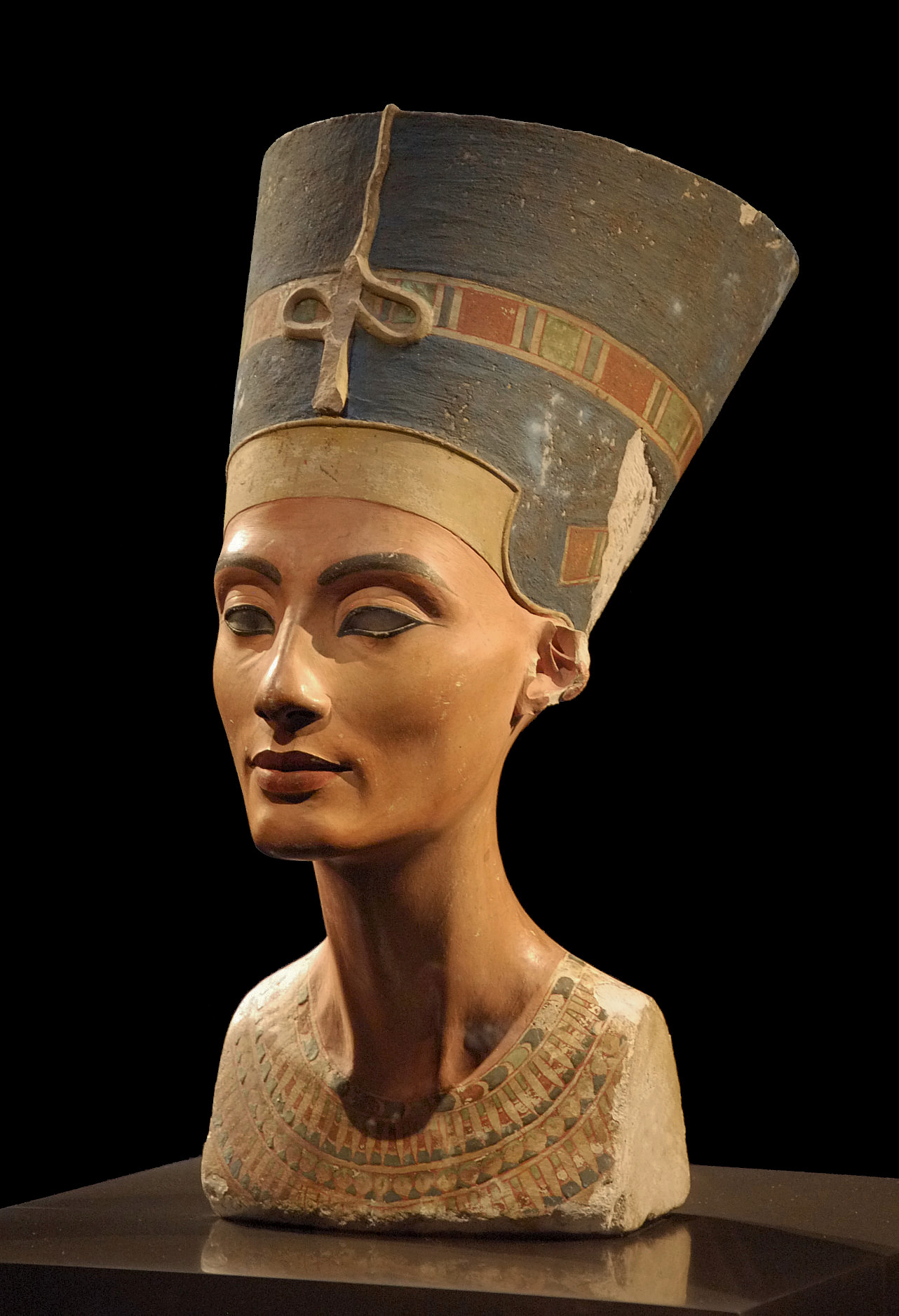
Neferneferure
 Egypt
EgyptAlso known as: Princess Neferneferure
Birthday
Birth Sign
Aries
Birthplace
Amarna, Egypt
Age
Died at 60
About
Neferneferure was an ancient Egyptian princess of the 18th Dynasty, the fifth of six daughters born to Pharaoh Akhenaten and his chief consort, Nefertiti. Her name, meaning "beautiful are the beauties of Re," captures the sun-worshipping spirit of the Amarna period. Though she lived over three millennia ago, her image survives on temple reliefs and in the royal tombs of Amarna, offering a glimpse into a life cut short in a time of religious revolution.
As a royal daughter, she likely held significant ceremonial and diplomatic roles within the court, though specific details of her duties remain lost to history. Her early death, likely before her teenage years, left her story incomplete, but her name and likeness continue to intrigue historians and Egyptophiles alike.
Early Life & Background
Neferneferure was born in the city of Amarna, the capital built by her father Akhenaten to honor the sun god Aten. She was the fifth daughter of Akhenaten and Nefertiti, arriving into a family already bustling with princesses: Meritaten, Meketaten, Ankhesenpaaten, and Neferneferuaten Tasherit. Her childhood unfolded in the palaces and temples of this new city, surrounded by the art and worship of the Aten.
Her name, shared with her younger sister Neferneferuaten Tasherit, suggests a close bond, and some scholars speculate they may have been twins. The royal family was frequently depicted in intimate scenes, with Neferneferure appearing on monuments alongside her parents and sisters. She would have received an education fitting a princess, learning reading, writing, and religious rituals, though few records of her schooling survive.
The Amarna period was one of radical change, and Neferneferure grew up amid the upheaval of her father's religious reforms. Her early years were likely filled with ceremonies and festivals honoring the Aten, but the peace of her childhood was not to last.
Career Growth
Neferneferure's life was brief, and her "career" as a princess was mostly ceremonial. She appears in reliefs and statues from Amarna, often standing beside her parents or sisters. One notable depiction shows her seated on Nefertiti's lap, a tender image that suggests her importance within the royal family.
There is no record of her holding any official titles or political power. Her role was primarily symbolic, representing the divine feminine and the royal lineage. Her early death, likely during a plague that swept through Amarna around the 12th year of Akhenaten's reign, cut short any potential for a more prominent public role. Her name, however, endured on the monuments of her family, preserving her memory for millennia.
Career Timeline
Public Image & Style
Neferneferure is remembered as a symbol of the Amarna royal family's golden age, a princess whose image evokes both the beauty and the fragility of that era. In art, she is depicted with the elongated skull and slender features typical of Amarna style, which set her apart from earlier Egyptian representations. Modern fans of ancient Egypt are drawn to her story precisely because it is incomplete, a poignant reminder of lives lost too soon.
Her name and likeness appear on museum pieces and in documentaries, often representing the human side of Akhenaten's reign. She has become a favorite subject for those fascinated by the mystery of the Amarna princesses, with online communities speculating about her life and fate.
Fame & Fandom (iFAMOUS Rankings)
Neferneferure commands a quiet, enduring presence within the global consciousness of ancient history enthusiasts, though her legacy is defined by absence rather than active celebration. Unlike modern icons who generate organized fan campaigns or viral social media movements, she is revered through the lens of archaeological discovery and academic reverence. The audience for her story consists of historians, museum visitors, and students of the Amarna period who find poignancy in her fragmented biography. There is no formal fandom name documented for this royal figure; instead, interest remains scattered among scholars reconstructing the 18th Dynasty family tree and casual observers captivated by the tragedy of a life cut short three millennia ago. Her image survives on limestone reliefs and in the Royal Tomb at Amarna, serving as a silent witness to the religious revolution of Akhenaten's reign. While she lacks the celebrity metrics that drive contemporary fame charts, her historical significance remains unshaken by the passage of time. According to the iFANN Global Fame Engine evaluation conducted in August 2026, Neferneferure is currently evaluated but does not hold a placement in the published rankings. She is not ranked in the Global Top 1,000 nor does she appear on any Top-100 scope list. This status reflects her position as an ancient historical figure rather than a living personality subject to current media consumption signals, search volume trends, or public engagement metrics. The lack of a numerical rank underscores the distinction between historical importance and contemporary popularity, placing her firmly in the realm of permanent cultural heritage rather than transient fame.
Interesting Facts and Legends
Neferneferure's name translates to 'beautiful are the beauties of Re,' a poetic invocation of the sun god central to her father's worship. She was the fifth of six daughters born to Pharaoh Akhenaten and Nefertiti, standing alongside sisters Meritaten, Meketaten, Ankhesenpaaten, Neferneferuaten Tasherit, and Setepenre. Her likeness is preserved on a limestone relief in the Brooklyn Museum, where she is depicted seated beside her mother. Scholars often point to her disappearance from records after the 12th year of Akhenaten's reign as evidence that she likely perished during the plague that swept through Amarna. It is widely accepted that she was interred in the Royal Tomb at Amarna, though her mummy has never been recovered. A compelling narrative surrounds her sister Neferneferuaten, with some historical debates suggesting their names were conflated over time or that they may have been the same individual. Another significant historical event involves the posthumous relocation of royal remains; when Tutankhamun ascended the throne, he ordered the transport of his family's bones from Amarna back to Thebes to restore traditional worship, a move believed to include Neferneferure's remains. These details form the core of her legend, painting a picture of a princess whose life was intimately tied to the rise and fall of a unique era in Egyptian history.
Family & Personal Life
Neferneferure was the daughter of Pharaoh Akhenaten and Queen Nefertiti, the most powerful couple of the Amarna period. She had five sisters: Meritaten, Meketaten, Ankhesenpaaten, Neferneferuaten Tasherit, and Setepenre. Her family was often depicted together, with Neferneferure appearing in intimate scenes with her parents and siblings.
Her father's religious revolution and the move to Amarna defined her family's life. Her mother Nefertiti was a powerful figure in her own right, and Neferneferure likely grew up in a household where women held considerable influence. The premature deaths of her sisters Meketaten and Setepenre, and possibly her own, point to a family touched by tragedy.
Notable Connections
Neferneferure is associated with her father Akhenaten and mother Nefertiti, the central figures of the Amarna revolution. Her sisters Meritaten, Meketaten, Ankhesenpaaten, and Neferneferuaten Tasherit are also closely linked, as they appear together in royal depictions. The city of Amarna itself, built by Akhenaten, is inseparable from her story.
Relationships & Dating History
There is no historical record of Neferneferure having any romantic relationships, which is not surprising given her young age at death. She was likely betrothed to a royal relative or foreign prince as part of diplomatic alliances, but no such arrangements are documented. Her life was cut short before any such union could occur.
As of 2026, she is remembered solely as a daughter of Akhenaten and Nefertiti, not as a wife or mother.
Death & Aftermath
The end of Neferneferure's life is recorded not by a coroner's inquest or a family press release, but through the silent testimony of her final resting place within the Great Royal Tomb at Amarna. Scholars and archaeologists date this transition to approximately the twelfth year of Akhenaten's reign, placing her passing in the mid-14th century BCE amidst a plague that swept through the new capital. The circumstances suggest a rapid decline during a period when the royal household faced severe health crises, cutting short a life that had been depicted in intimate scenes with her parents and sisters on temple reliefs.
Her burial in the royal tomb served as the primary memorial, preserving her memory for millennia. The estate matters of an ancient princess are irrelevant to modern settlement, yet her symbolic value endured as a representation of the divine lineage of the pharaoh. While specific details of her final days remain lost to history, the archaeological record confirms she did not survive the turbulent years that defined the Amarna period.
Net Worth (Estate Value)
As an ancient Egyptian princess, Neferneferure did not have a monetary net worth in the modern sense. Her wealth would have been tied to the royal treasury, with access to resources and luxury goods befitting her status. However, no records of her personal finances survive.
In the context of her era, her value was symbolic, representing the divine lineage of the pharaoh. Her estate, if any, would have been absorbed into the royal holdings upon her death. Today, her historical significance is priceless, with artifacts bearing her image held in museums worldwide.
Awards & Accolades
View 1 records, honours and achievementsKnown For
Daughter of Akhenaten and Nefertiti
-1340 · Princess of the 18th Dynasty
Keywords
Sources
Quick Facts
- Profession
- Princess
- Born
- c. 1340 BCE
- Birthplace
- Amarna, Egypt
- Died
- c. 1328 BCE
- Death Place
- Amarna, Egypt
- Gender
- Female
- Dynasty
- 18th Dynasty
Frequently Asked Questions
Who were Neferneferure's parents?
What does the name Neferneferure mean?
When did Neferneferure live?
What was Neferneferure's role in ancient Egypt?
How many siblings did Neferneferure have?
Similar People
Join the community
fans discussing