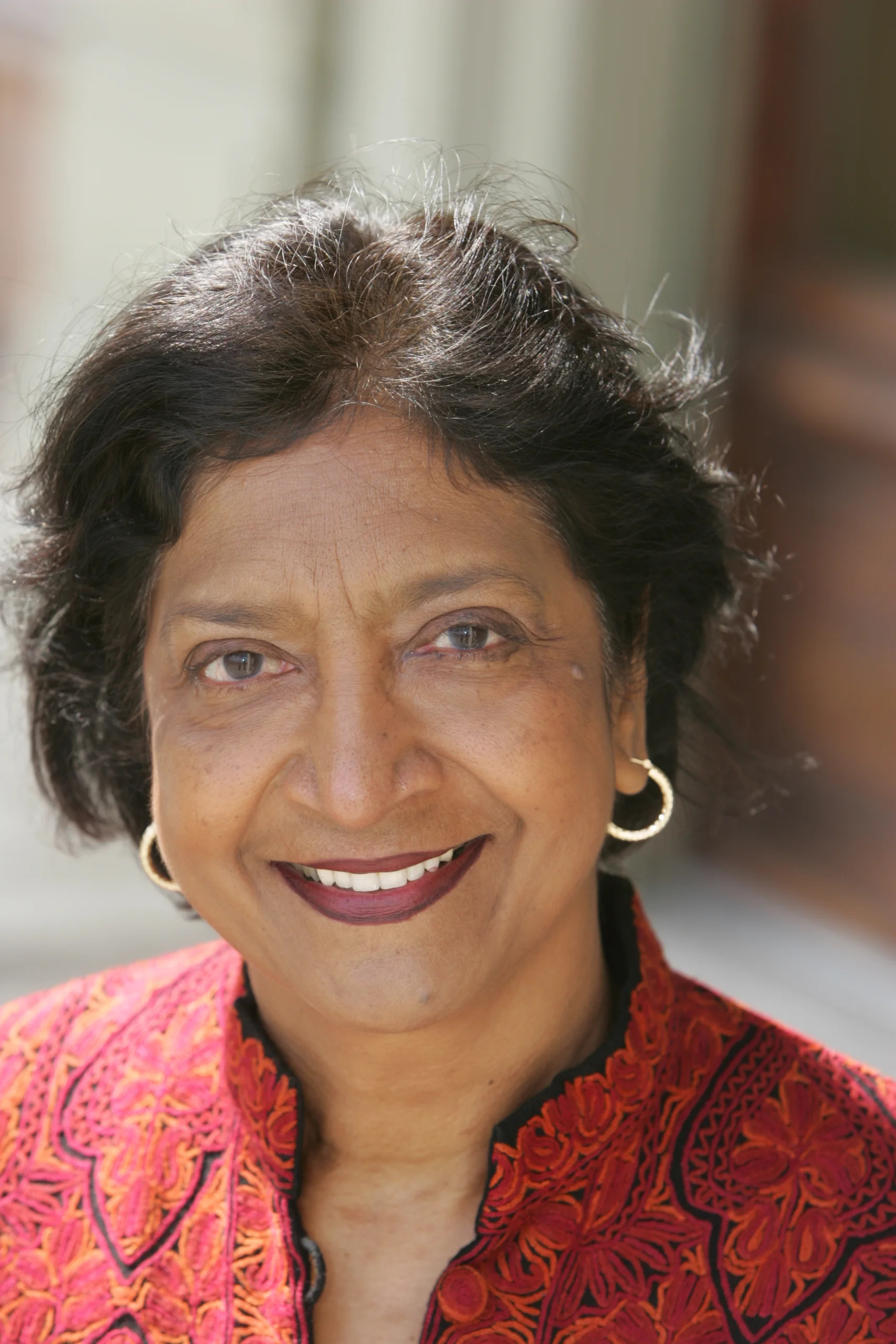
Navanethem Pillay
 South Africa
jurist•human rights activist•former UN High Commissioner for Human Rights
Also known as: Navi Pillay, Navanethem Naidoo, Navi Naidoo
Birthday
September 23, 1941
Birth Sign
Sagittarius
Birthplace
Durban, South Africa
Age
85 years old
About
Navanethem "Navi" Pillay is a preeminent South African jurist and human rights activist who served as the United Nations High Commissioner for Human Rights from 2008 to 2014. Born on September 23, 1941, in Durban, she has dedicated her life to dismantling the legal structures of apartheid and advancing international justice. As of 2026, she remains an active figure in global discourse, notably serving as the Chair of the UN Commission of Inquiry on the Occupied Palestinian Territory. Her career is distinguished by a unique blend of domestic legal breakthroughs and high-stakes international leadership. She was awarded the prestigious 2025 Sydney Peace Prize for her lifetime of work in promoting peace and human rights, specifically citing her leadership in the Gaza conflict investigation. Additionally, she received the Order of Luthuli in Silver in 2014, one of South Africa's highest national honours, recognizing her distinguished service to the nation and the world. Her influence extends beyond specific rulings; she is widely recognized for her role in establishing precedents for rape as a crime against humanity during the Rwandan genocide trials. The scale of her success is measured not just in titles held, but in the enduring impact of her judgments on international law and the protection of vulnerable populations globally.
Early Life & Background
Growing up under the strictures of the apartheid regime in Durban, Navanethem Pillay faced systemic discrimination from birth. Her father worked as a shopkeeper while her mother was a domestic servant, and the family lived in a racially segregated area. Despite these constraints, Pillay displayed an early aptitude for education and justice. She attended Adams College for her high school education before enrolling at the University of Natal (now the University of KwaZulu-Natal). There, she earned a Bachelor of Arts degree in 1963 and a Bachelor of Law degree in 1965. During her university years, she became deeply involved in anti-apartheid activism, joining the African National Congress and participating in protests against the pass laws that restricted the movement of Black South Africans. Her entry into the legal profession was marked by significant barriers. In 1967, she made history by becoming the first woman to open her own law practice in the province of Natal, and the first black woman to do so. Her firm provided pro bono legal assistance to those targeted by apartheid laws, often representing individuals accused of political crimes. This period solidified her reputation as a fearless defender of human rights. In the late 1970s and early 1980s, she continued her academic pursuits, earning a Master of Laws from Harvard University in 1981 and a Doctorate of Jurisprudence from Harvard in 1988. These credentials elevated her status from a local advocate to an internationally recognized scholar of human rights law. She was one of the few African women to earn a doctorate from Harvard Law School in the 1980s, a rare achievement at the time for a black South African woman. Her fluency in English, Afrikaans, and Zulu, along with some French, facilitated her early work in diverse local tribunals.
Career Growth
Pillay's career trajectory is defined by a series of historic "firsts" and leadership roles in international justice. In 1974, she was appointed as a magistrate in the Durban Magistrates' Court, becoming the first black person to serve as a magistrate in South Africa. By 1980, she had been appointed to the Supreme Court of South Africa. Following the end of apartheid, she was appointed as a judge to the newly formed High Court of South Africa in 1995, becoming the first non-white woman to hold this position. That same year, she was nominated to the United Nations International Criminal Tribunal for Rwanda. From 1999 to 2003, she served as the President of the ICTR, presiding over critical genocide trials related to the Rwandan genocide. A landmark moment in this tenure was overseeing the trial of Jean-Paul Akayesu, the first conviction for rape as a crime against humanity and genocide. In 2003, she was elected as a judge at the International Criminal Court in The Hague, serving in the Appeals Chamber until 2008. She was the first woman to be elected to the ICC. In 2008, UN Secretary-General Ban Ki-moon appointed her as the UN High Commissioner for Human Rights. She served two full terms, extended by two years, making her the longest-serving High Commissioner at the time. During her tenure, she addressed conflicts in Libya, Syria, and Egypt, and advocated for women's rights globally. In 2015, she returned to international service as the Chair of the UN Independent International Commission of Inquiry on the Occupied Palestinian Territory. In this capacity, she led investigations into alleged war crimes and crimes against humanity by both Israeli forces and Palestinian armed groups. Her leadership in this role continued through 2026, culminating in a controversial report in June 2026 alleging evidence-free charges against Israel, which sparked intense international debate. She also participated in discussions on renewed efforts to fight gender-based violence in South Africa and globally in April 2026.
Career Timeline
Public Image & Style
Pillay is portrayed in the media as a stern, principled, and unyielding figure. She is often described as "intelligent," "determined," and "uncompromising." Her aesthetic is formal, typically wearing judicial robes or conservative business attire. Her content tone is strictly professional, legalistic, and focused on human rights violations. She is viewed as a moral authority who speaks truth to power, regardless of political consequences. Recent reports on the Gaza situation have drawn sharp criticism and fierce support based on geopolitical stances rather than personality cults. Her presence on magazine covers, such as TIME Magazine in 2009 following her election as UN High Commissioner, reinforced her image as a serious stateswoman. She does not maintain a personal social media presence; her communications are handled through official UN channels and press releases from the OHCHR. She relies on traditional media and official statements for public engagement. Her quotes, such as "The world must fight Israel's genocide in Gaza like it fought apartheid," highlight her direct and uncompromising stance on global issues. This polarizing yet formidable presence defines her modern reputation more than any measure of popular fame could.
Fame & Fandom (iFAMOUS Rankings)
Navanethem Pillay has never cultivated a fandom in the traditional sense of celebrity adoration, fan clubs, or ritualized birthday celebrations. Her public life is defined by the weight of her office and the gravity of her legal judgments rather than pop culture engagement. The people who follow her work do so as students of international law, diplomats tracking human rights developments, or advocates for justice, not as fans seeking connection with an entertainer. There is no official name for this audience, nor are there organized campaigns or grassroots projects dedicated to her personal brand. Instead, her legacy is built on the sheer force of her professional achievements, from breaking racial barriers in apartheid-era South Africa to leading high-stakes UN commissions that have reshaped global discourse on conflict and accountability. While she commands immense respect within the legal community, this admiration remains strictly professional, focused on her integrity and her willingness to speak truth to power regardless of political pressure. Her recent reports on the Gaza situation have sparked intense debate, drawing sharp criticism and fierce support based on geopolitical stances rather than personality cults. This polarizing yet formidable presence defines her modern reputation more than any measure of popular fame could. Despite her global impact and decades of service, Navanethem Pillay is currently evaluated by the iFANN Global Fame Engine but does not hold a placement in the published rankings, including the Global Top 1,000 or any Top-100 scope list. She has been included in TIME magazine's list of the most influential people in the world during her tenure as High Commissioner and is frequently listed in "Top 100 Women in Law" lists by organizations like The Lawyer and Chambers Global.
Interesting Facts and Legends
Her name "Navanethem" is of Tamil origin, meaning "one who is wise" or "wise one." She is affectionately known as "Navi" by colleagues and friends. She holds the distinction of being the first black woman to serve as a magistrate, the first black woman to open a law practice in Natal, and the first woman elected to the ICC. She is fluent in English, Afrikaans, and Zulu, and speaks some French, facilitating her work in diverse international tribunals. A story fans still retell is her opening her law office in 1967, symbolizing the breaking of racial and gender barriers in a country designed to enforce them. Her presidency of the ICTR oversaw the trial of Jean-Paul Akayesu, the first conviction for rape as a crime against humanity and genocide. She received multiple honorary doctorates, including from the University of the Western Cape in 2010. Specific height measurements are not publicly recorded in standard biographical databases, though she is described as having a dignified, commanding presence. She is associated with key figures like Richard Goldstone, a colleague and fellow jurist. Her quote "You cannot leave anyone behind" reflects her philosophy on human rights inclusivity. The legend of her 1967 law office opening remains a defining icon of her legacy in South African legal history.
Notable Quotes
“You cannot leave anyone behind.”
“The world must fight Israel's genocide in Gaza like it fought apartheid.”
“Justice is not a luxury; it is a necessity.”
Family & Personal Life
Navanethem Pillay has maintained a private personal life throughout her public career. Unlike many figures of her stature who have publicly discussed their families, Pillay has consistently kept her domestic life out of the media spotlight. She is widely reported to be unmarried and childless, focusing entirely on her professional mandate. Her dedication to her work has been the primary focus of her public narrative, with her colleagues and biographers noting her singular commitment to justice over personal fame or family life. While details about siblings or extended family are scarce, her upbringing in a racially segregated area of Durban with a father who was a shopkeeper and a mother who was a domestic servant shaped her worldview. The family's struggle under apartheid instilled in her a deep sense of justice that would define her future career. There are no credible public records or news reports detailing any romantic relationships, marriages, engagements, or children. As of 2026, she is considered single, with no current partner reported. Her household and daily life remain largely unknown to the public, reinforcing her image as a figure who prioritized her mandate above all else.
Notable Connections
Relationships & Dating History
Navanethem Pillay has maintained a private personal life throughout her public career. There are no credible public records or news reports detailing any romantic relationships, marriages, engagements, or children. Unlike many figures of her stature who have publicly discussed their families, Pillay has consistently kept her domestic life out of the media spotlight. She is widely reported to be unmarried and childless, focusing entirely on her professional mandate. As of 2026, she is considered single, with no current partner reported. Her dedication to her work has been the primary focus of her public narrative, with her colleagues and biographers noting her singular commitment to justice over personal fame or family life. This choice to keep her personal affairs private has allowed her to maintain a neutral and authoritative stance in her diplomatic roles. The lack of a public family narrative distinguishes her from other prominent leaders who often leverage family stories for public relations. Her relationships are primarily professional, involving collaborations with figures like Ban Ki-moon and Jean-Paul Akayesu. The silence surrounding her personal life is a deliberate aspect of her public persona, ensuring that the focus remains solely on her contributions to international justice and human rights.
Salary, Net Worth In 2026
$3 Million
iFANN Editorial Team estimate
As a public servant and jurist, Navanethem Pillay does not possess a net worth derived from commercial entertainment ventures, endorsements, or business empires. Her wealth is estimated based on her salary as a UN official and legal fees from occasional consultancy or speaking engagements. Estimates generally place her assets in the range of $1 million to $5 million, derived from her long-term salary as a judge and UN official, real estate holdings in South Africa, and savings. The iFANN Editorial Team's analysis points to roughly $3 Million. Primary sources include her salary as a Judge of the ICC and UN High Commissioner. Secondary sources include honorariums for lectures and the Sydney Peace Prize stipend. Her financial status is one of modest comfort typical of senior international civil servants, not extreme wealth. Credible sources do not publish specific financial figures for her net worth as it is not a metric tracked for public servants of her caliber. Any figure suggesting a multi-million dollar fortune is likely speculative. There is no consensus average because specific financial disclosures are not public. Her wealth accumulation is consistent with the earnings of a long-serving international judge and diplomat, supplemented by the recognition of her lifetime of work through awards like the Sydney Peace Prize.
Awards Won (3)
Pillay's contributions have been recognized with numerous prestigious awards. She received the Sydney Peace Prize in 2025 for her lifetime of work in promoting peace and human rights, specifically citing her leadership in the Gaza conflict investigation. In 2014, she was awarded the Order of Luthuli in Silver, one of South Africa's highest national honours, for her distinguished service to the nation and the world. She has also received multiple honorary doctorates, including from the University of the Western Cape and Harvard University. Her leadership during the Rwandan genocide trials and her tenure as High Commissioner were recognized by various UN bodies.
2025 · Peace and Human Rights
Lifetime of work in promoting peace and human rights
2014 · National Honour
Distinguished service to the nation and the world
Known For
United Nations High Commissioner for Human Rights
2008 · High Commissioner
International Criminal Court
2003 · Judge
UN Commission of Inquiry on the Occupied Palestinian Territory
2015 · Chair
Keywords
Sources
Quick Facts
- Profession
- judge, lawyer, jurist
- Born
- September 23, 1941
- Birthplace
- Durban, South Africa
- Gender
- Female
- Birth Sign
- Sagittarius
Personal Details
- Full Name
- Navanethem Naidoo
- Children
- Education
- University of Natal (BA 1963, LL.B. 1965), Harvard University (LL.M. 1981, S.J.D. 1988)
Frequently Asked Questions
Who is Navanethem Pillay?
Is Navi Pillay married?
What did Navi Pillay find in the Gaza report?
How old is Navanethem Pillay in 2026?
What awards has Navi Pillay won?
Similar People
Join the community
fans discussing