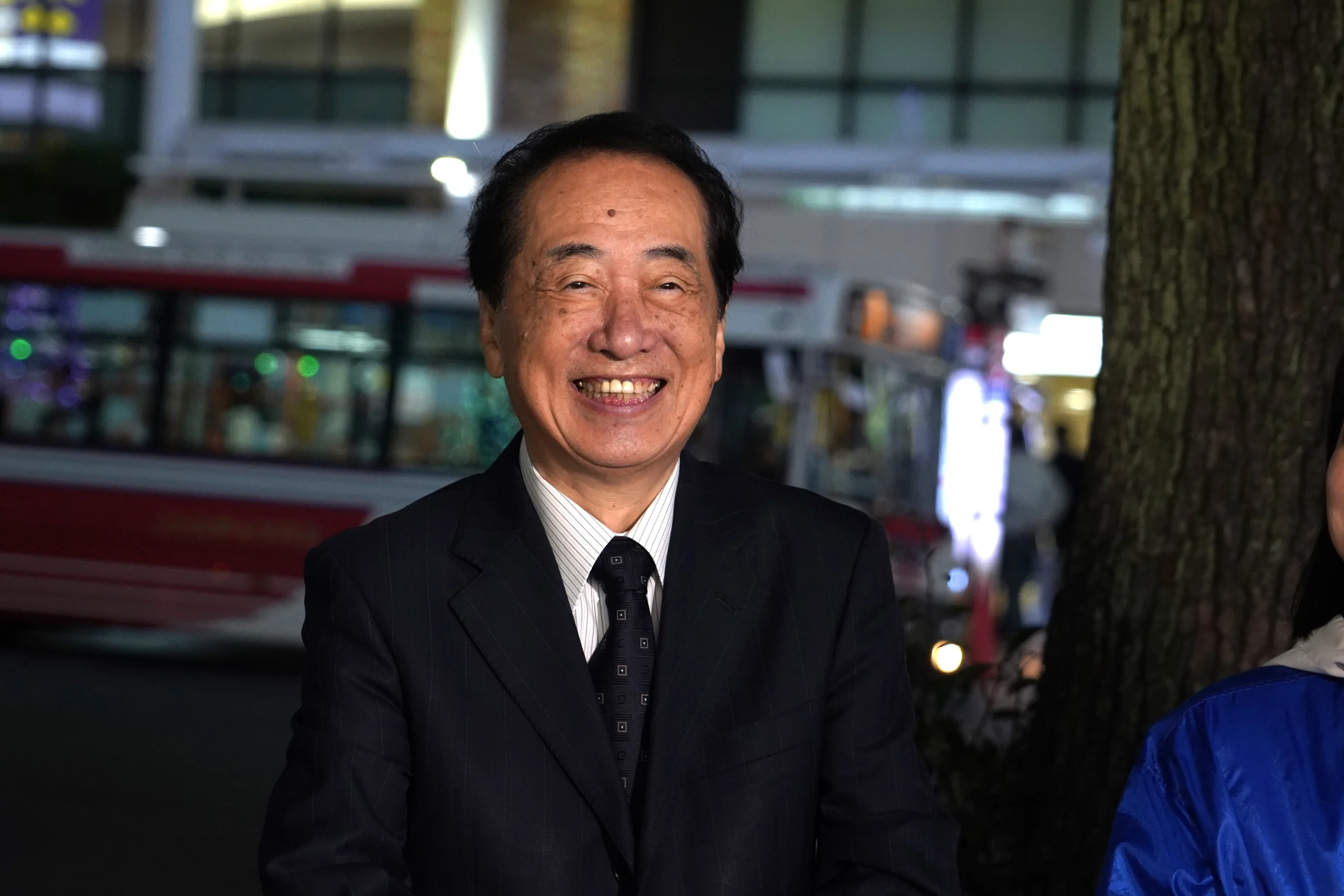
Naoto Kan
 Japan
Japanpolitician•theoretical physicist•patent attorney
Also known as: Kan Naoto, 菅直人
Birthday
October 10, 1946
Birth Sign
Libra
Birthplace
Ube, Yamaguchi Prefecture, Japan
Age
80 years old
About
Naoto Kan is a former Prime Minister of Japan and a trained theoretical physicist who served as the 94th leader of the country from June 2010 to September 2011. Unlike many Japanese political figures who emerge from powerful family dynasties, Kan rose through the ranks based on his technical expertise in physics and law before transitioning into civic activism. His tenure as Prime Minister was defined by the Triple Disaster of March 11, 2011, which included the Great East Japan Earthquake, a massive tsunami, and the Fukushima Daiichi nuclear meltdown.
Before entering politics full-time, Kan worked as a patent attorney and researcher, bringing a unique data-driven mindset to governance. He first gained national prominence in the 1990s while serving as Minister of Health and Welfare, where he exposed a tainted blood scandal involving HIV-infected products used for hemophilia treatments. This investigation established his reputation as a fearless reformer willing to challenge powerful bureaucracies. As of 2026, Kan remains an active elder statesman, advocating for nuclear disarmament and sharing lessons from the Fukushima crisis at international forums like Cornell University.
Early Life & Background
Naoto Kan was born Kan Naoto on October 10, 1946, in Ube City within Yamaguchi Prefecture. He grew up as the eldest son in a household that operated a small shop selling rice and sake. His father managed the business while his mother oversaw the home. The post-war economic hardship of the era shaped his early worldview, fostering a deep interest in science and logic rather than traditional politics. He attended Ube High School before moving to Tokyo to pursue higher education at the Tokyo Institute of Technology.
Kan graduated with a degree in physics in 1969. Although he initially worked briefly as a researcher, he soon shifted his professional focus toward law and public service. He enrolled at Waseda University, earning a law degree in 1973, and subsequently passed the rigorous bar examination to become a patent attorney. For several years, he practiced law in Tokyo, handling intellectual property cases for various clients. This dual background in science and legal theory became the foundation of his future career, allowing him to approach complex policy issues with a technical, analytical perspective that set him apart from his peers.
Career Growth
Kan's transition from scientist to politician began in the 1970s when he joined the Japan Socialist Party. He immersed himself in civic activism, focusing on consumer protection and nuclear safety, which were highly contentious topics in Japan at the time. In 1980, he was first elected to the House of Representatives representing the Japan Socialist Party. Over the following decades, he held several significant ministerial positions, including Minister of Health and Welfare from 1993 to 1994. During this tenure, he exposed the tainted blood scandal involving HIV-infected blood products, a move that earned him widespread public trust and cemented his image as a reformer.
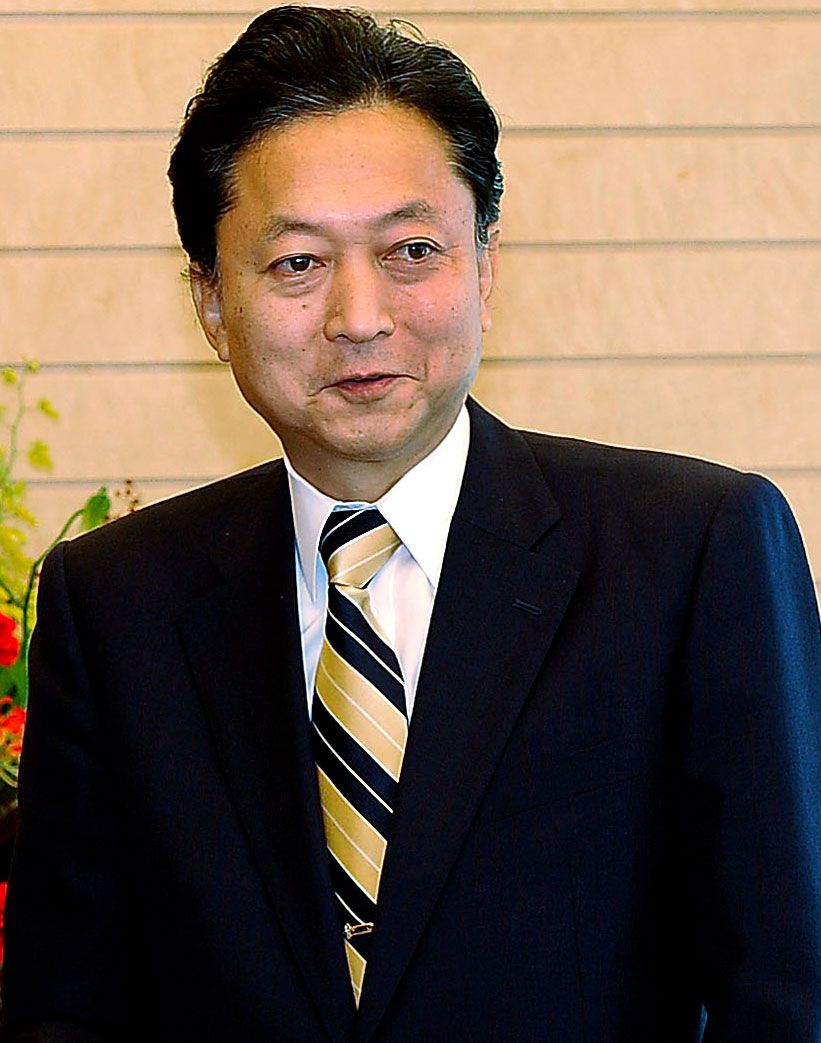
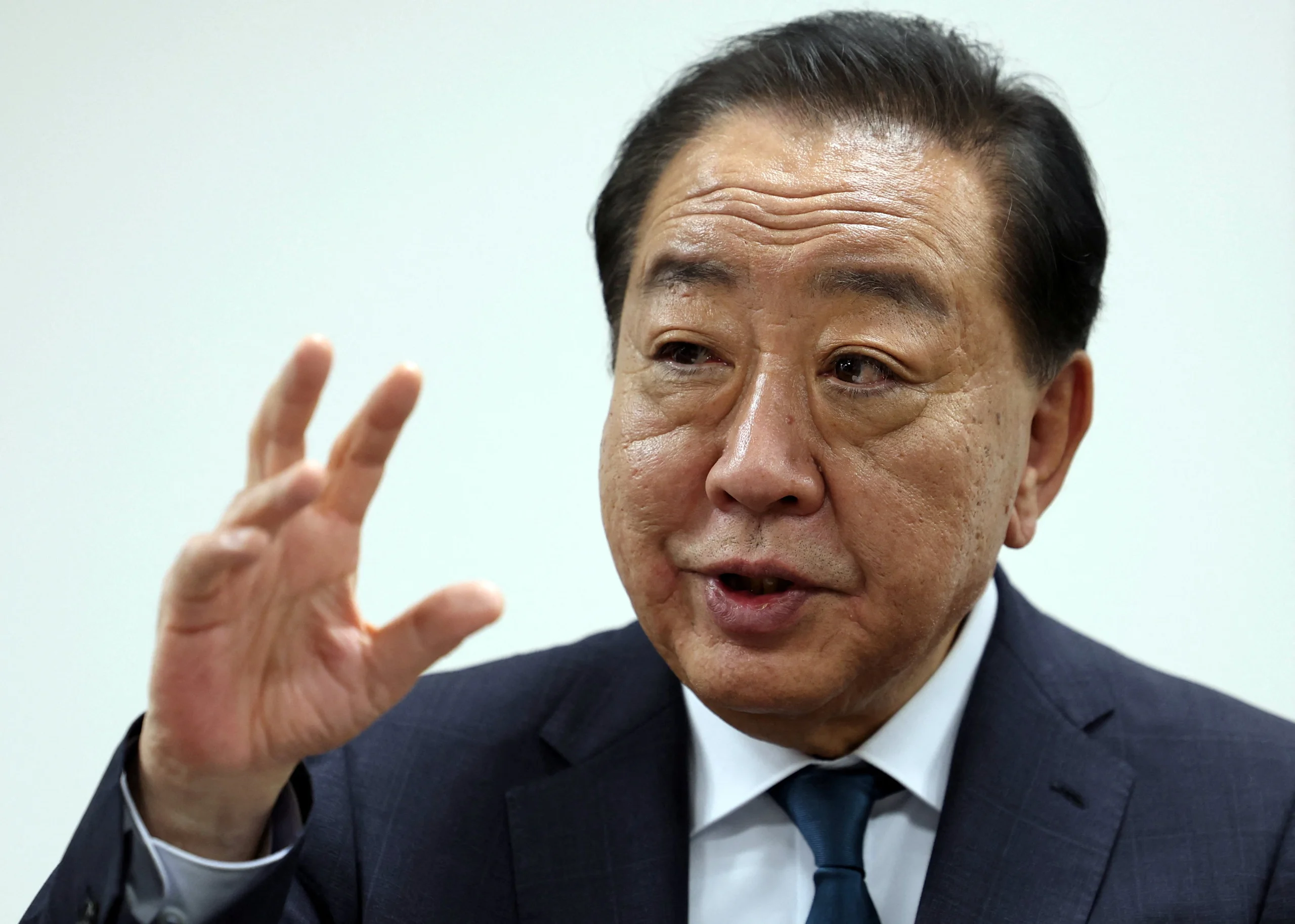
In 2009, following a landslide victory for the Democratic Party of Japan, Kan was appointed Minister of Internal Affairs and Communications under Prime Minister Yukio Hatoyama. When Hatoyama resigned in June 2010 due to a scandal over a US military base relocation, Kan was chosen as the new DPJ president and sworn in as Prime Minister. His leadership was immediately tested by the Triple Disaster of March 11, 2011. He took a hands-on approach, frequently visiting the damaged Fukushima Daiichi nuclear plant and pressuring the Tokyo Electric Power Company for transparency. Despite facing criticism for the initial government response, his resilience during the crisis solidified his legacy. He announced his resignation in August 2011 and was succeeded by Yoshihiko Noda.
Career Timeline
Public Image & Style
Naoto Kan is known for his unassuming demeanor and practical style. He typically wears conservative suits and glasses, reflecting his background as a scientist and lawyer. He is not known for flamboyant fashion or celebrity-style appearances. His public image is that of a serious, dedicated public servant who prioritizes facts and logic over rhetoric. Media portrayals often highlight his resilience and integrity, particularly in the context of the Fukushima crisis. He is frequently described as "the man who faced the invisible enemy," a phrase that encapsulates his approach to leadership during the nuclear disaster. His stoic presence and willingness to make difficult decisions in the face of uncertainty have made him a respected figure in modern Japanese history.
Fame & Fandom (iFAMOUS Rankings)
Naoto Kan commands a global attention profile that spans the intersection of political history and scientific legacy, with his standing tracked across international media coverage and public discourse. In the September 2026 cycle of the iFANN Global Fame Rankings, he is recognized as the 77th most famous person from Japan. This placement reflects a sustained interest in his tenure as Prime Minister during the 2011 triple disaster and his subsequent advocacy for nuclear disarmament. Despite this notable ranking, his audience does not coalesce around a formal fandom name; there is no documented moniker such as "Kans" or similar group identifiers. His support base consists primarily of voters, policy advocates, and readers of historical accounts rather than an organized fan community engaging in rituals or campaigns. Unlike entertainers who cultivate dedicated followings, Kan's public presence remains rooted in governance and crisis management, leaving no room for the parasocial dynamics typical of celebrity culture.
Interesting Facts and Legends
Naoto Kan holds the distinction of being the first Japanese Prime Minister in over a decade to rise without a political dynasty background, marking a shift toward populist leadership. Before entering politics, he considered a career in academia as a theoretical physicist. He is known for his frugal lifestyle and simple tastes, often dining at local restaurants rather than exclusive establishments. His nickname "Mr. Transparency" reflects his unwavering commitment to open government and accountability. Another notable fact is his survival of a no-confidence vote in June 2011 amidst intense political pressure, demonstrating his political resilience. He also published a memoir in February 2024 titled Fifty Years of Citizen Politics, reflecting on his long career and the evolution of Japanese democracy.
Notable Quotes
“Japan was invaded by an invisible enemy.”
“We must never forget the lessons of the past.”
“The people's trust is the most important asset for a politician.”
Family & Personal Life
Naoto Kan has been married to Nobuko Kan since their early days in the political sphere. The couple has remained together throughout his entire career, often appearing together at public events. There are no publicly documented romantic relationships prior to his marriage to Nobuko, nor any reports of infidelity or divorce. They do not have children; Kan has stated in interviews that his dedication to public service and the demanding nature of his career left little room for raising a family. His wife, Nobuko, has largely stayed out of the spotlight, supporting her husband behind the scenes. Kan grew up as the eldest son in a family that ran a small shop selling rice and sake, and his upbringing in a post-war household deeply influenced his values.
Notable Connections
Nobuko Kan (Wife), Yukio Hatoyama (Predecessor), Yoshihiko Noda (Successor), Junichiro Koizumi (Contemporary), Cornell University Faculty (Collaborators).
Relationships & Dating History
Naoto Kan has been married to Nobuko Kan since their early days in the political sphere. There are no publicly documented romantic relationships prior to his marriage to Nobuko, nor any reports of infidelity or divorce. The couple has remained together throughout his political career, often appearing together at public events. As of 2026, Naoto Kan is married to Nobuko Kan. They do not have children; Kan has stated in interviews that his dedication to public service and the demands of his career left little room for raising a family. His wife, Nobuko, has largely stayed out of the spotlight, supporting her husband behind the scenes.
- MarriedNobuko Kan1970 - presentCurrentMarried for decades; no children.
Salary, Net Worth In 2026
$1 Million
iFANN Editorial Team estimate
As a former politician and public servant, Naoto Kan's net worth is modest compared to corporate executives or entertainers. Estimates for his net worth as of 2026 range between $500,000 and $1.5 million USD. Research by the iFANN Editorial Team puts his fortune at around $1 Million. This estimate is derived from his salary as a Member of the Diet, his tenure as Prime Minister, and income from book royalties and speaking engagements. Specific breakdowns include: his pension and salary adjustments based on rank as a former Diet member; book royalties from his 2024 memoir Fifty Years of Citizen Politics; and speaking fees paid for lectures at universities and international conferences regarding nuclear energy and disaster recovery. He owns a primary residence in Tokyo, likely purchased during his earlier career as a patent attorney and politician. There are no major business ventures or endorsement deals associated with him, as he has maintained a strict separation from commercial interests.
Awards Won (3)
While Naoto Kan has not received entertainment industry awards, he has been recognized for his contributions to governance and public service. He was awarded an honorary doctorate from Cornell University in recognition of his work on nuclear safety and disaster management. Time magazine named him one of the "100 Most Influential People in the World" in 2011. Additionally, he has received the "Order of the Rising Sun" from the Japanese government, a high-ranking honour bestowed upon citizens for meritorious service to the state.
2011 · Global Leadership
Leadership during the Fukushima crisis
2011 · National Honour
Service to the state
Known For
Prime Minister of Japan
2010 · Leader
Fukushima Daiichi Nuclear Disaster
2011 · Crisis Management
Tainted Blood Scandal
1994 · Investigator
Keywords
Sources
Quick Facts
- Profession
- politician, university teacher, theoretical physicist
- Born
- October 10, 1946
- Birthplace
- Ube, Yamaguchi Prefecture, Japan
- Gender
- Male
- Spouse
- Nobuko Kan
- Birth Sign
- Libra
Personal Details
- Full Name
- Kan Naoto
- Spouse
- Nobuko Kan
- Children
- Education
- Tokyo Institute of Technology (B.S. Physics), Waseda University (LL.B.), Bar Examination
Frequently Asked Questions
Who is Naoto Kan?
How did Naoto Kan die?
What was Naoto Kan's main achievement?
Is Naoto Kan still politically active?
Does Naoto Kan have children?
Join the community
fans discussing