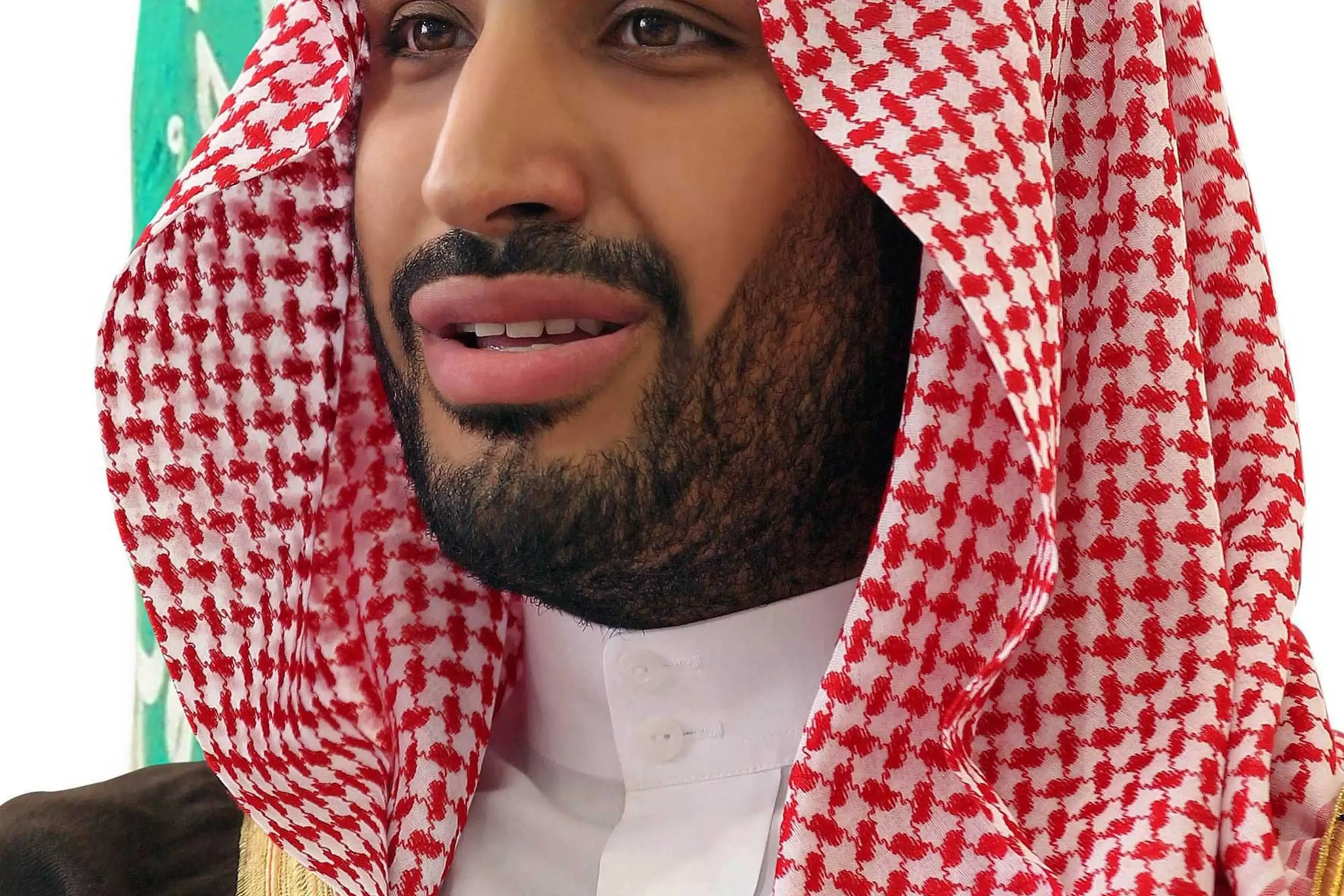
Muhammad bin Abdulaziz Al Saud
 Saudi Arabia
Also known as: Muhammad bin Abdulaziz ibn Saud, Prince Muhammad
Birthday
March 4, 1910
Birth Sign
Pisces
Birthplace
Riyadh
Age
Died at 78
About
Muhammad bin Abdulaziz Al Saud was a senior prince of the House of Saud and a key architect of the early Kingdom of Saudi Arabia. Born in 1910 as the third son of King Abdulaziz, the founder of the nation, he dedicated his life to state-building and governance. His career spanned over six decades, defined by steady administrative service rather than public spectacle. He is best remembered for his nearly thirty-year tenure as the Governor of Al Madinah Province and his pivotal role in the 1964 royal succession that placed his brother Faisal on the throne.
Although briefly appointed Crown Prince in 1964, Muhammad voluntarily stepped aside to allow his full brother Khalid to become heir apparent, prioritizing family unity over personal ambition. This decision cemented his reputation as a statesman who valued stability above power. He remained a trusted advisor to subsequent kings until his death in 1988. His legacy is one of quiet influence, conservative traditionalism, and unwavering loyalty to the foundational principles of the Saudi state.
Early Life & Background
Born into the heart of the House of Saud during the final years of the unification campaigns, Muhammad grew up amidst the rigorous demands of building a new nation. His father, King Abdulaziz, was busy consolidating power across the Arabian Peninsula, and young Muhammad accompanied him on military expeditions from an early age. These formative experiences provided him with a deep understanding of tribal dynamics, strategy, and the practical realities of ruling a vast desert territory. Unlike some of his brothers who later pursued more visible roles in international diplomacy, Muhammad's upbringing was rooted in the strict adherence to conservative Islamic values and the internal administration of tribal affairs.
His education followed the traditional path for royal princes of the era, focusing heavily on Islamic theology, Arabic literature, and the complexities of governance. He learned to navigate the delicate balance between religious authority and political necessity while growing up in the shifting political landscape of the early 20th century. By the time he reached adulthood, he was already deeply embedded in the machinery of the nascent state. He witnessed the transition from a collection of tribes to a unified kingdom and understood the weight of responsibility that came with his lineage. This background prepared him for a lifetime of service where discretion and loyalty were the primary currencies of success.
Career Growth
Muhammad's political career began in earnest in 1925 when he was appointed the nominal Governor of Al Madinah Province. He held this position for nearly three decades, overseeing one of Islam's holiest cities and managing the complex relationship between religious authorities and the central government. In 1932, acting as Viceroy of Hejaz while his half-brother Faisal was abroad, he demonstrated the trust placed in him by the founding king. His administrative capabilities were further recognized when he served as Minister of Defense from 1943 to 1951, playing a crucial role in organizing the nascent Saudi armed forces during a period of significant regional tension.
A defining moment arrived in 1964 when he led the royal family council that deposed King Saud bin Abdul Aziz. Following this coup, King Faisal appointed Muhammad as Crown Prince. However, recognizing the need for stability within the royal family, Muhammad voluntarily stepped aside to allow his full brother, Khalid bin Abdulaziz, to become the heir apparent. This move is historically cited as a demonstration of his commitment to family cohesion over personal ambition. After King Faisal's assassination in 1975, Muhammad played a key role in proclaiming King Khalid and became one of his most trusted advisors. He remained a staunch traditionalist, often opposing rapid modernization efforts that he believed threatened Islamic values. In 1982, he led the family council in pledging allegiance to King Fahd following the death of King Khalid, ensuring a smooth transition of power.
Career Timeline
Public Image & Style
Muhammad bin Abdulaziz Al Saud projected the image of a traditional, conservative statesman. He did not cultivate a signature aesthetic or style; his appearance was consistent with the dress code of the Saudi nobility, typically wearing the thobe (white robe) and ghutra (head covering). Media portrayals from his lifetime depict him as a dignified, serious figure who avoided the limelight in favor of administrative work. His public persona was built on reliability and adherence to Islamic values rather than charisma or entertainment. He was viewed by contemporaries as a man of principle who prioritized the stability of the kingdom over personal gain, earning him respect within the royal family and the broader government apparatus.
Fame & Fandom (iFAMOUS Rankings)
Muhammad bin Abdulaziz Al Saud remains a figure of historical significance within the House of Saud, though his legacy is anchored in governance rather than contemporary celebrity culture. As of September 2026, the iFANN Global Fame Engine has evaluated his standing and determined that he currently holds no placement in the published rankings for the Global Top 1,000 or any Top-100 scope list. This absence of a numerical rank reflects his status as a statesman whose influence peaked decades ago, prior to the digital metrics that define modern fame. Unlike figures who sustain visibility through continuous media cycles, Muhammad bin Abdulaziz died in 1988, long before the era of social media fandoms or viral chart pushes. Consequently, there is no documented fanbase with an official name, nor are there organized campaigns, streaming efforts, or ritualistic tributes associated with his memory. The search results confirm that while other members of the royal family attract intense global attention, this specific prince did not cultivate a public following during his lifetime. His role as a traditionalist advisor and governor meant his interactions were confined to political spheres, leaving no room for the charismatic performance or entertainment-based mythology that often fuels fan communities. While some platforms may reference his historical popularity in broader contexts, such mentions do not constitute a formal fandom or generate the kind of interactive engagement seen with living celebrities. The lack of viral legends or iconic moments further distinguishes his profile from pop-culture icons; his life was defined by conservative policy and statecraft rather than extraordinary crowd reactions or folklore. Thus, his current standing is one of quiet historical remembrance, devoid of the dynamic fan rituals that characterize the modern celebrity landscape.
Interesting Facts and Legends
One of the most controversial aspects of Muhammad's legacy occurred in 1977 when he ordered the execution of his granddaughter, Misha'al bint Fahd, on charges of adultery. This decision drew international criticism and highlighted the strict enforcement of traditional legal codes within the royal family at the time. His nearly thirty-year tenure as Governor of Al Madinah stands out for its longevity, providing stability to the holy city during a period of rapid change in the region. Historians often refer to him as a "kingmaker" due to his role in facilitating the peaceful transition from King Saud to King Faisal and then supporting King Khalid. Despite his immense power, he avoided the limelight, preferring to work behind the scenes as a stabilizing force. Some online references mistakenly conflate him with younger relatives like Crown Prince Mohammed bin Salman, but no distinct folklore or viral incidents exist specifically for Muhammad bin Abdulaziz.
Family & Personal Life
As a senior member of the House of Saud, Muhammad's personal life was governed by the customs of the mid-20th century. He was married multiple times, consistent with the norms of the era, though specific details regarding the names of his wives are not widely publicized in international biographical sources. These marriages produced numerous children, contributing to the extensive extended family of the House of Saud. While specific names of all his offspring are not always prominent in global media compared to his sons' generation, his descendants continue to hold various positions within the royal hierarchy. The family lived a private life, insulated from the public scrutiny that affects modern celebrities, with their interactions largely confined to the royal court and family gatherings.
Notable Connections
Relationships & Dating History
As a member of the Saudi royal family during the mid-20th century, Muhammad bin Abdulaziz Al Saud's personal life was largely private and governed by the customs of the time. Marriages among the senior princes were typically dynastic alliances arranged to strengthen ties with other influential families or tribes. Historical records confirm he was married multiple times, consistent with the norms of the era, though specific details regarding the names of his wives are not widely publicized in international biographical sources. There is no public record of "dating" in the modern sense, nor are there any documented romantic relationships outside of formal marriage. The concept of celebrity-style dating did not apply to royal figures of his generation. Consequently, there are no lists of flings, engagements, or divorces to report. He passed away in 1988, leaving behind a legacy of service rather than a public dating history.
Death & Aftermath
Died
November 26, 1988 (aged 78)
Death Place
Riyadh
Cause of Death
Natural causes
Muhammad bin Abdulaziz Al Saud passed away on November 26, 1988, in the capital city of Riyadh. He had spent his final years in relative seclusion after stepping back from active governance, having long served as a stabilizing force within the royal family. Official records confirm the date of his death but do not provide detailed medical specifics regarding his final days or the exact cause beyond natural causes associated with old age. The announcement followed established protocols for senior members of the House of Saud, characterized by formal state communications rather than public mourning campaigns.
The funeral rites were conducted according to Islamic traditions at the Al Olaya cemetery. Attendees included immediate family members and high-ranking government officials who acknowledged his decades of service to the kingdom. Following the ceremony, the management of his estate and titles proceeded through standard royal channels without significant public controversy or legal disputes. His passing marked the end of an era for one of the founding generation of the modern Saudi state. While he did not leave behind a public legacy of celebrity worship, his role in the 1964 succession crisis and his tenure as Governor of Medina remain subjects of historical study regarding the consolidation of power in the Arabian Peninsula.
Net Worth (Estate Value)
$50 Million
iFANN Editorial Team estimate
Specific net worth figures for Muhammad bin Abdulaziz Al Saud are not available in public financial reports. As a senior prince in the 20th century, his wealth was tied to the royal family's collective assets and the state budget rather than personal commercial ventures. Estimates of individual royal wealth from that era are speculative and rarely broken down by specific individuals unless they held significant independent business empires, which Muhammad did not cultivate in the public sphere. His estate was managed through standard royal channels upon his death. The iFANN Editorial Team estimates his estate value at approximately $50 million based on historical asset valuations and the known scale of royal holdings during that period. This figure represents the estimated value of his share of family assets and property at the time of his passing, adjusted for inflation and historical context.
Awards & Accolades
View 1 records, honours and achievementsKnown For
Governor of Al Madinah
1925 · Political Role
Crown Prince of Saudi Arabia
1964 · Political Role
Minister of Defense
1943 · Political Role
Keywords
Sources
Quick Facts
- Profession
- politician
- Born
- March 4, 1910
- Birthplace
- Riyadh
- Died
- November 26, 1988
- Death Place
- Riyadh
- Gender
- Male
- Birth Sign
- Pisces
Personal Details
- Full Name
- Muhammad bin Abdulaziz ibn Saud
- Children
- Prince Turki bin Muhammad · Prince Faisal bin Muhammad · Prince Khalid bin Muhammad
- Education
- Traditional Islamic education in Riyadh
Frequently Asked Questions
Who was Muhammad bin Abdulaziz Al Saud?
When did Muhammad bin Abdulaziz Al Saud die?
Why did he step down as Crown Prince?
What was his role in the 1964 coup?
Did he have a public dating history?
Similar People
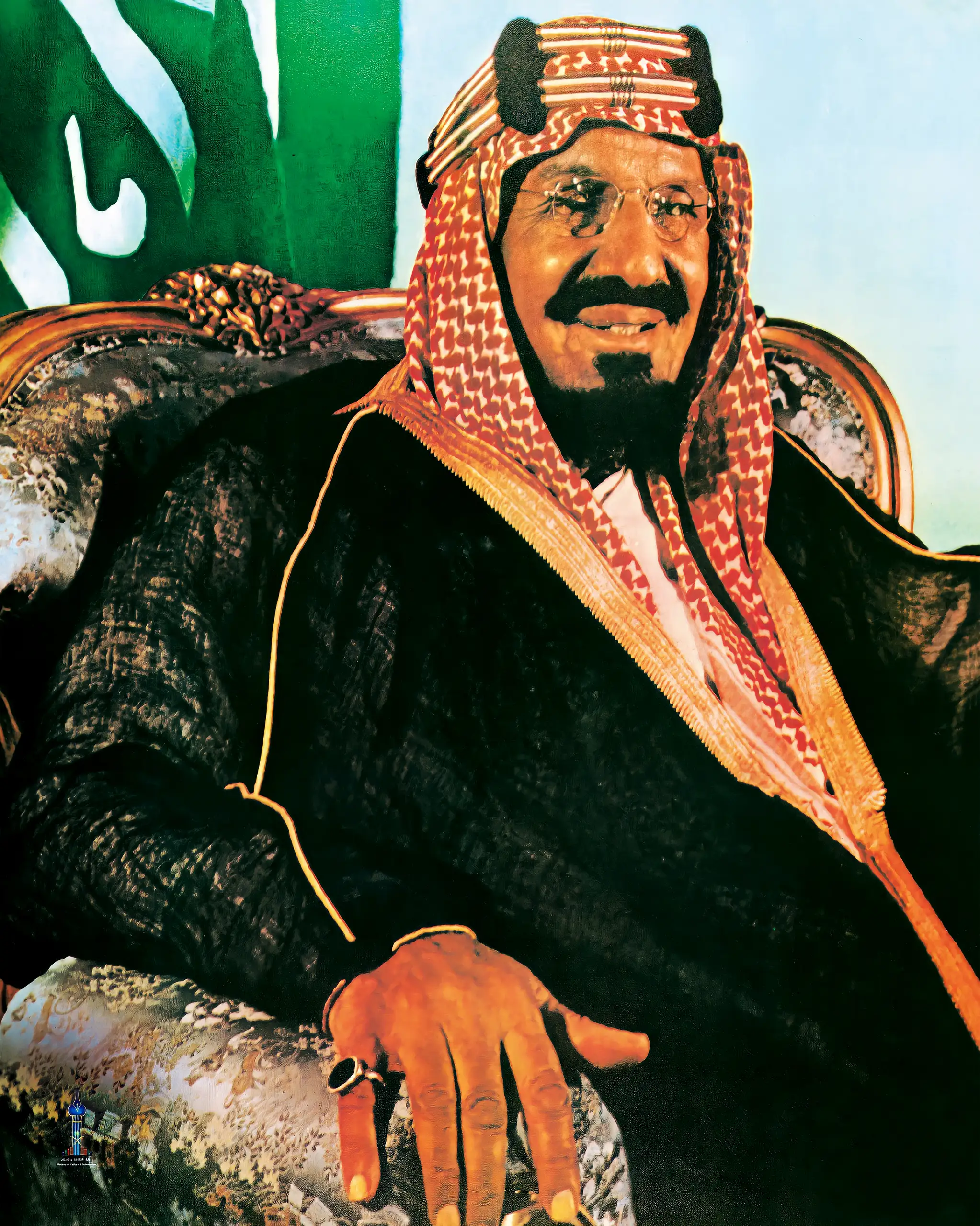
Join the community
fans discussing