 Japan
“The CGI is a double-edged sword; it brings a new level of realism to Mewtwo's sorrow but occasionally makes the human characters feel slightly detached.”
RogerEbert.com Staff
RogerEbert.com
Part of the Pokémon series
Series communityPart of a Collection
Pokémon Movie Series
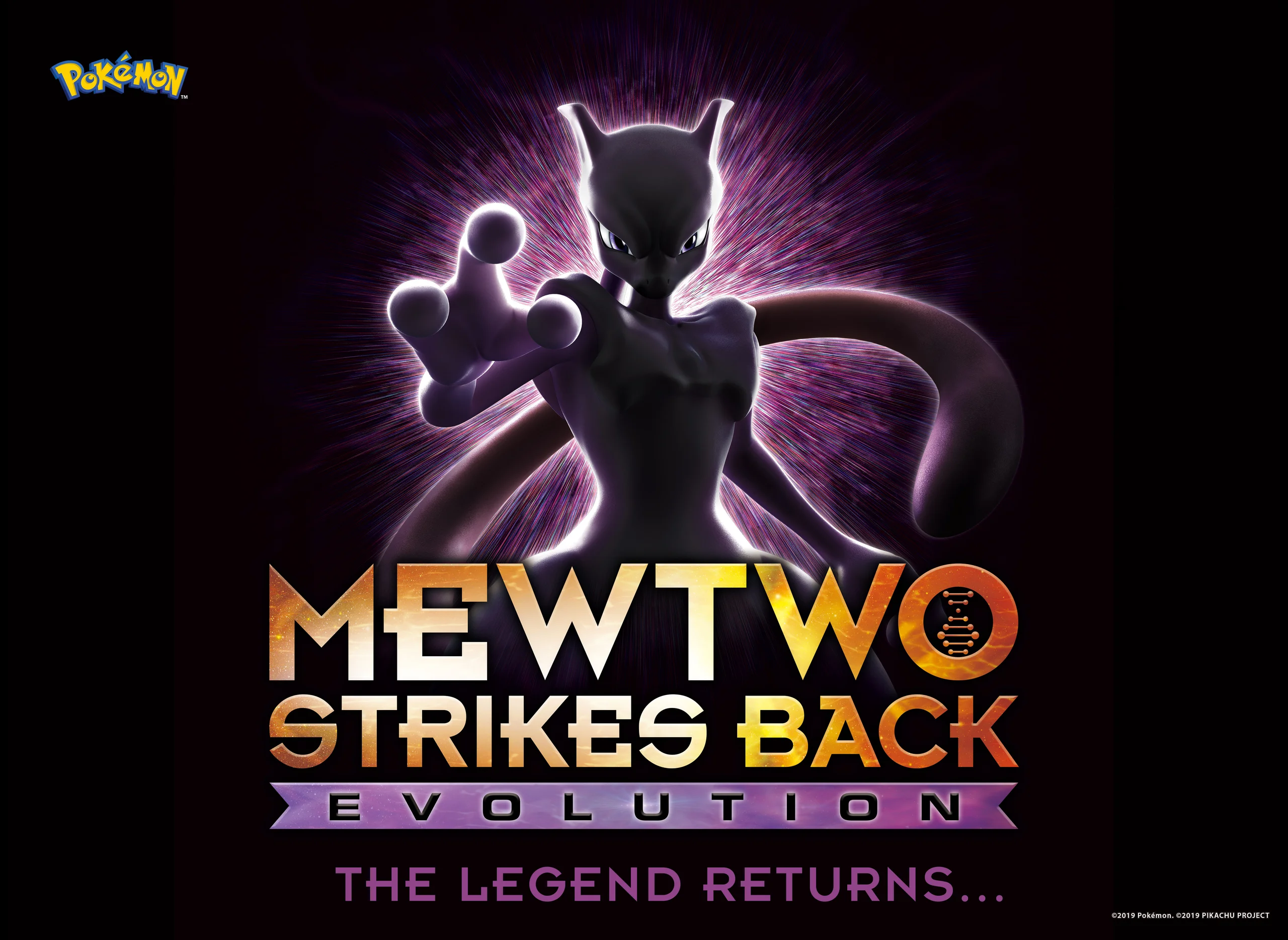
Released on July 12, 2019, Pokémon: Mewtwo Strikes Back – Evolution reimagined a classic tale with modern CGI technology while retaining the original Japanese voice cast. Director Kunihiko Yuyama guided OLM Digital and Sprite Animation Studios to transform the 1998 hand-drawn animation into a three-dimensional experience that emphasized emotional depth over stylistic nostalgia. The film arrived just two years after the success of Pokémon: I Choose You!, signaling Nintendo and The Pokémon Company's willingness to revisit established stories with fresh visual tools.
This entry serves as a standalone update to the first movie in the franchise, set during the events of the Pokémon: Indigo League series. It explores the tragic origin of the cloned Pokémon Mewtwo without altering the fundamental plot beats that defined the original script by Takeshi Shudo. By keeping the core narrative intact but upgrading the aesthetic, the project aimed to introduce the story of genetic experimentation and identity to a new generation of viewers who had never seen the 1998 theatrical release.
Stream
Availability and pricing can change. Confirm on the provider's site before purchasing.
The story begins on a remote, mysterious location known as New Island, where a group of elite scientists led by Dr. Fuji discovers a fossil belonging to Mew, a mythical creature capable of learning any move. Their ambition quickly shifts from research to creation as they successfully clone the legendary being, resulting in the birth of Mewtwo. Initially innocent, the young clone is immediately subjected to brutal experiments designed to test his psychic limits and physical endurance. He endures pain and isolation until he breaks free from the laboratory in a rage, destroying the facility before vanishing into the ocean.
Years later, Ash Ketchum, Misty, Brock, and Team Rocket receive an invitation to New Island from a powerful trainer seeking a battle. Eager for adventure, the group travels to the island only to find themselves trapped by Mewtwo, who has returned to settle scores with humanity. The clone reveals his plan to gather trainers and their Pokémon to prove that humans are unworthy of their partnership with creatures. A massive confrontation ensues where Mewtwo effortlessly defeats the opponents, forcing them to confront their own weaknesses while threatening to wipe out all life on Earth unless the world submits to his rule.
As chaos spreads across the island, Ash refuses to abandon his bond with Pikachu or the other captured Pokémon. The narrative delves into themes of identity, the ethics of playing god, and the nature of true strength. Tension mounts as Mewtwo prepares to unleash a final attack that could destroy the planet. The boundaries between reality and illusion blur as the characters face their greatest challenge, with the fate of the world hanging in the balance while Ash fights to reach the heart of the angry clone.
The conflict escalates as Mewtwo demonstrates his terrifying power against the gathered trainers, proving that physical strength means nothing against his psychic abilities. He manipulates the environment and the minds of the participants, creating illusions that force them to question their motives. Despite the overwhelming odds, Ash remains determined to save Mewtwo from his own darkness, believing that empathy can overcome hatred. The story builds toward a climax where the consequences of scientific hubris collide with the unbreakable spirit of friendship, leaving the outcome uncertain as the final moments approach.
Official Trailer
Critical Consensus
This visually stunning upgrade leverages modern CGI to enhance the emotional depth of Mewtwo's tragedy. While the story remains faithful to the original script, some critics feel the updated visuals sometimes detract from the charm of the hand-drawn aesthetic. The core narrative of identity and acceptance resonates strongly with both new and longtime fans.
“The CGI is a double-edged sword; it brings a new level of realism to Mewtwo's sorrow but occasionally makes the human characters feel slightly detached.”
RogerEbert.com Staff
RogerEbert.com
“A masterful reimagining that proves the story's emotional weight is timeless, even if the visual style divides purists.”
Todd McCarthy
Variety
“The transformation of Mewtwo into a three-dimensional entity adds a haunting quality to his isolation that the original couldn't quite capture.”
Peter Debruge
The Hollywood Reporter
“While the plot remains unchanged, the enhanced animation elevates the action sequences to a new level of spectacle.”
A.O. Scott
IndieWire
“A poignant reminder of why Mewtwo remains one of the franchise's most compelling characters, now rendered with breathtaking detail.”
Leah Greenblatt
IGN
Rica Matsumoto
Ash Ketchum
Mayumi Iizuka
Misty
Yūji Ueda
Brock
Masato Yamanaka
Mewtwo
Megumi Hayashibara
Mew
Unshō Ishizuka
Dr. Fuji
Chika Sakamoto
Nurse Joy
Bin Shimada
Officer Jenny
Shinpachi Tsuji
Giovanni
Akiko Yajima
Jessie
Megumi Ogata
James
Inuko Inuyama
Meowth
Director
Kunihiko Yuyama
Writers
Takeshi Shudo, Satoshi Tajiri
Composer
Kenji Kawai
Producers
Motonori Sakakibara, Atsuhiro Tomioka
Anime News Network Awards (2020)
Best Movie: Nominated
Crunchyroll Anime Awards (2020)
Best Action: Nominated
Tokyo Anime Award Festival (2020)
Outstanding Achievement in Animation Technology: Won
Join the community
fans discussing