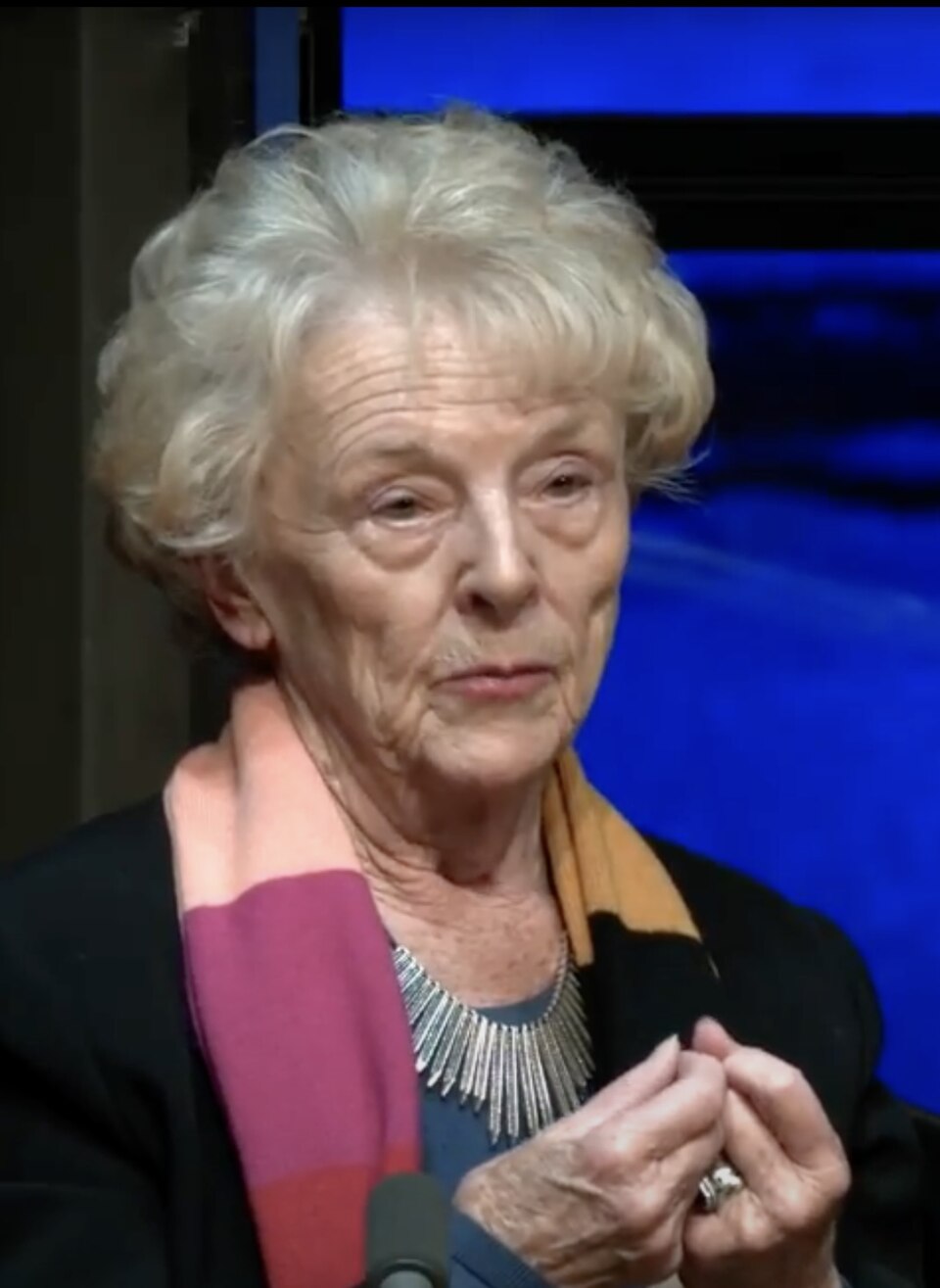
Mona Ozouf
 France
Historian•Philosopher•Researcher
Also known as: Mona Annig Sohier, Mona Sohier
Birthday
February 24, 1931
Birth Sign
Pisces
Birthplace
Plourivo, France
Age
95 years old
About
Mona Ozouf is a distinguished French historian and philosopher, widely recognized as one of the most respected scholars of her generation. Born in 1931 in Plourivo, Brittany, her academic journey led her through elite institutions like the École normale supérieure de jeunes filles, where she studied philosophy. She dedicated her career to research at the CNRS, France's national research center, focusing on pivotal aspects of French history: the French Revolution and the development of its secular school system. Her seminal works, including L'École, l'Église et la République, 1871–1914 and La fête révolutionnaire, 1789–1799, have profoundly shaped our understanding of modern French identity and its institutions. Ozouf's research offers critical insights into how revolutionary festivals forged a new civic identity and how the secular school became a battleground for republican values. Her scholarly contributions have earned her numerous accolades, including the prestigious Legion of Honour, and her name now adorns a public high school in Ploërmel, a testament to her enduring legacy in French culture and politics.
Early Life & Background
Mona Annig Sohier was born on February 24, 1931, in Plourivo, a town in the heart of Brittany. Her parents, both educators, instilled in her a profound appreciation for her Breton heritage, including its unique language and traditions. This early immersion in regional culture would later provide a rich context for her historical investigations into national narratives. After attending schools in her native region, she moved to Paris to pursue higher education at the esteemed École normale supérieure de jeunes filles. There, she earned a degree in philosophy, a discipline that would underpin her analytical approach to history. Initially, she taught philosophy in secondary schools, but her passion for historical inquiry soon led her to the CNRS, France's national research center. It was here that she embarked on her intensive studies of education and the French Revolution. Her first significant publication, L'École, l'Église et la République, 1871–1914, released in 1963, meticulously detailed the historical conflict between the Catholic Church and the republican state over control of French education. This foundational work firmly established her reputation as a serious and insightful scholar, setting the stage for her future groundbreaking contributions.
Career Growth
Mona Ozouf's scholarly career reached a significant turning point with the publication of her 1976 book, La fête révolutionnaire, 1789–1799. Later translated into English as Festivals and the French Revolution (1988), this work presented a groundbreaking argument: that revolutionary festivals were not mere celebrations but instrumental tools in the deliberate creation of a new civic religion and national identity. The book garnered widespread acclaim and remains an indispensable text in the study of the French Revolution. Throughout the 1980s and 1990s, Ozouf continued her prolific output, contributing regularly to influential intellectual journals such as Le Débat. A major collaborative achievement was her co-editing of the comprehensive Dictionnaire critique de la Révolution française with François Furet, published in 1988, which became an essential reference work. Her research also extended deeply into the history of secularism and the foundational role of the school system in shaping French identity. In recent years, Ozouf has continued her engagement as a prominent public intellectual. Since 2009, she has been an active participant in the "École des filles," a summer cultural program held in Huelgoat, Brittany. Her continued recognition was marked by a promotion to Grand Officer of the Legion of Honour in 2021, and further honors in the July 14, 2025, promotion. In September 2023, a new high school in Ploërmel, Lycée Mona Ozouf, opened its doors, becoming the first public building in the area to bear her name.
Career Timeline
Public Image & Style
Mona Ozouf is widely regarded as a rigorous and incisive historian, celebrated for her intellectual independence and her ability to offer clear-eyed analyses without succumbing to ideological biases. Within French intellectual circles, she is highly respected for her commitment to challenging established viewpoints from across the political spectrum. Her writing is characterized by its elegance and accessibility, enabling her to connect with a broad audience beyond the confines of academia. Ozouf is frequently invited to participate in cultural events, particularly in her native Brittany, where she is cherished as a prominent figure. Readers and admirers value her dedication to republican ideals and her enduring affection for her home region, recognizing her as a key voice in contemporary French thought.
Fame & Fandom (iFAMOUS Rankings)
Mona Ozouf commands a quiet but profound influence, though her audience consists of students, academics, and readers rather than a frenzied collective with a formal name. There is no organized fanbase, no viral campaigns, and no crowds gathering to disrupt events; her public presence remains defined by intellectual rigor and state honors. Her impact is measured through the enduring value of her books and the naming of educational institutions, not through celebrity culture rituals or social media trends. While she interacts with the world through lectures and articles for prominent journals like Le Débat, this engagement stays firmly within professional and scholarly bounds.
iFANN's Global Fame Engine evaluated Mona Ozouf in August 2026 and determined that she does not currently hold a placement in the published rankings. She is not ranked among the Global Top 1,000 or any Top-100 scope list. The evaluation confirms her status as an EVALUATED_UNRANKED figure, meaning her fame operates on a different axis than global pop culture metrics. This absence from the charts reflects her career path dedicated to scholarly pursuits rather than overt commercial ventures or mass-market entertainment. Her legacy is one of national service and academic excellence, recognized by prestigious awards like the Legion of Honour, where she was appointed Grand Officer in January 2021. The dedication of Lycée Mona Ozouf in Ploërmel in September 2023 stands as a tangible tribute to her work, yet even this honor lacks the fanfare of a celebrity unveiling. She remains a figure whose reach is deep but narrow, respected across the political spectrum for her incisive analysis without succumbing to ideological biases. The lack of a fandom name underscores that her following is built on respect for ideas, not the worship of a persona.
Interesting Facts and Legends
Mona Ozouf's original surname, Sohier, reflects her deep ties to her Breton ancestry. She is notable for her dual expertise, having written with significant authority on both the French Revolution and the complex history of the French school system. Her influential book on revolutionary festivals was translated into English and continues to be a staple in university curricula, demonstrating its lasting academic impact. The high school named in her honor in Ploërmel, Lycée Mona Ozouf, opened in September 2023 and stands as the first public structure in the vicinity to be named after her. She maintains a lifelong habit of enjoying long walks through the Breton countryside, a practice that has been a source of reflection and inspiration since her childhood.
On January 5, 2021, Mona Ozouf was appointed Grand Officer of the Legion of Honour, France's highest order of merit, cementing her status as a pillar of the nation's intellectual life. This recognition was further highlighted in July 2025 when she was distinguished alongside global figures like Pharrell Williams. The opening of the Lycée Mona Ozouf marked a major cultural milestone, officially inaugurated on September 29, 2023, serving as a permanent local tribute to her heritage and scholarship.
Notable Quotes
“The school was the great battleground of the Republic.”
“Festivals were a way to make the Revolution felt in every village.”
“Brittany taught me to see France from its edges.”
Family & Personal Life
Mona Ozouf was born into a family where education was paramount; both her parents were teachers. They nurtured in her a deep love for learning and a strong connection to her Breton heritage, including its language and traditions. This upbringing profoundly shaped her perspective throughout her life and career.
Notable Connections
Mona Ozouf is closely associated with François Furet, with whom she co-edited the Dictionnaire critique de la Révolution française. She is also linked to the CNRS, where she spent most of her career, and to the École des filles in Huelgoat, a cultural program she has supported for years. Her work has influenced a generation of historians of France.
Relationships & Dating History
Mona Ozouf was married to Jacques Ozouf, a fellow academic who was a university professor and author. Their marriage was characterized by a shared passion for scholarship and a deep intellectual connection. Jacques was a supportive partner throughout their life together. The couple did not have children. Following Jacques's passing, Mona has remained a widow and has chosen to keep her personal life largely private, dedicating her focus to her ongoing research and public intellectual engagements.
- MarriedJacques Ozouf1955 - presentMarried to Jacques Ozouf, a university professor and author; he passed away.
Salary, Net Worth In 2026
$5 Million
iFANN Editorial Team estimate
iFANN currently estimates Mona Ozouf's net worth at $5 Million. This financial standing is primarily derived from her extensive and distinguished academic career, encompassing her long tenure at the CNRS and the substantial royalties from her numerous published works. Key publications, such as La fête révolutionnaire and the Dictionnaire critique de la Révolution française, have seen multiple reprints and translations into various languages, ensuring a consistent stream of income over the years. Furthermore, she has received honoraria for her contributions to intellectual discourse, including lectures and articles for prominent journals like Le Débat. Her wealth has accumulated steadily, reflecting a career path dedicated to scholarly pursuits rather than overt commercial ventures. Ozouf is known for maintaining a modest lifestyle, with her financial assets largely representing the enduring value of her intellectual legacy.
Awards Won (2)
Mona Ozouf has received several prestigious honors for her historical work. In 2021, she was appointed Grand Officer of the Legion of Honour, one of France's highest orders. She was also recognized in the July 14, 2025, Legion of Honour promotion. Her book La fête révolutionnaire won the Prix de l'Académie française in 1976.
2021 · National Order
Lifetime achievement
1976 · History
La fête révolutionnaire, 1789–1799
Known For
La fête révolutionnaire, 1789–1799
1976 · Author
L'École, l'Église et la République, 1871–1914
1963 · Author
Dictionnaire critique de la Révolution française
1988 · Co-editor
Keywords
Sources
Quick Facts
- Profession
- Historian, Philosopher, Researcher
- Born
- February 24, 1931
- Birthplace
- Plourivo, France
- Gender
- Female
- Spouse
- Jacques Ozouf (deceased)
- Birth Sign
- Pisces
- Education
- École normale supérieure de jeunes filles
Personal Details
- Full Name
- Mona Annig Sohier
- Spouse
- Jacques Ozouf
- Children
- Education
- École normale supérieure de jeunes filles (degree in philosophy)
Frequently Asked Questions
Who is Mona Ozouf?
How old is Mona Ozouf?
What is Mona Ozouf's net worth in 2026?
Is Mona Ozouf still alive?
What is Mona Ozouf best known for?
Similar People
Join the community
fans discussing