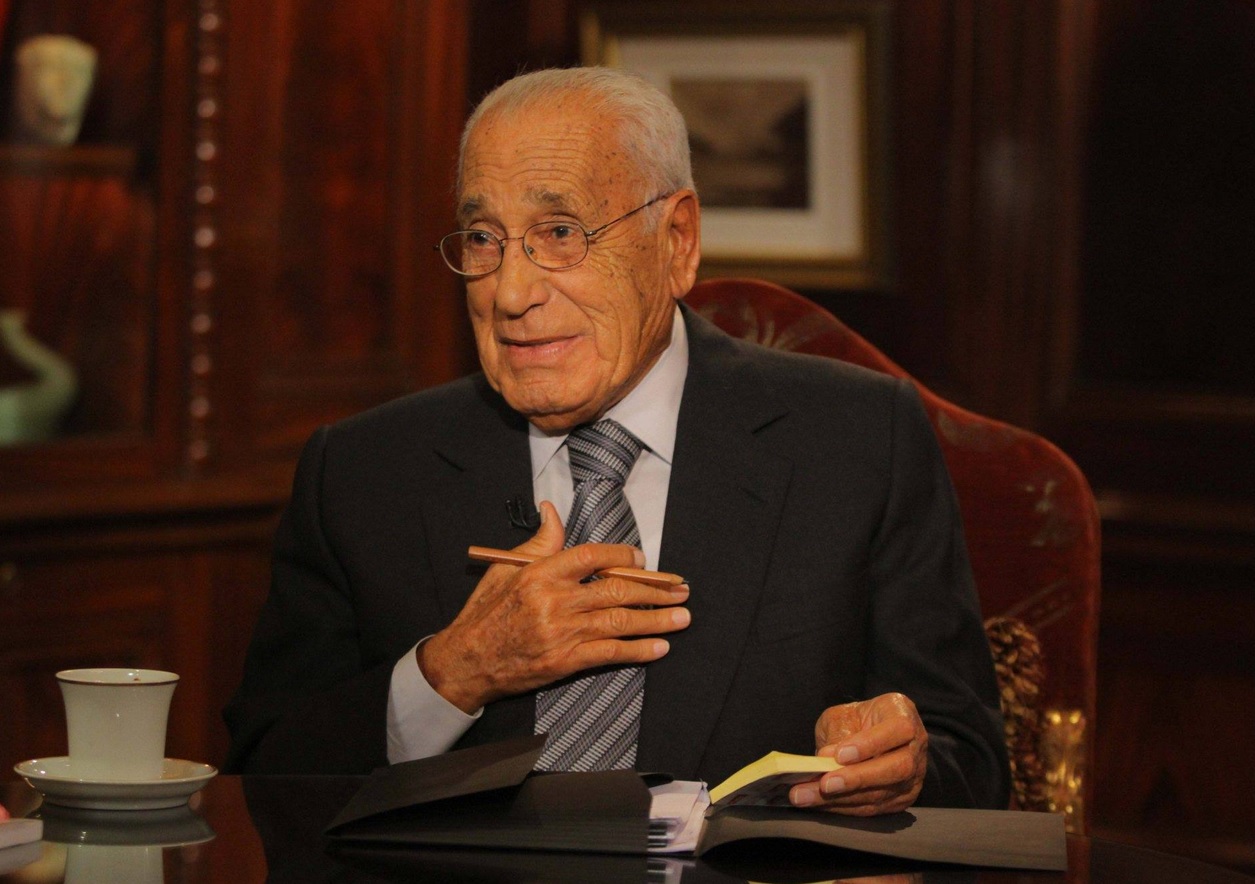
Mohammed Hussein Heikal
 Egypt
EgyptAlso known as: Muhammad Husayn Haykal, Mohammed Hussein Heikal, محمد حسين هيكل
Birthday
August 20, 1888
Birth Sign
Leo
Birthplace
Mansoura, Egypt
Age
Died at 68
About
Mohammed Hussein Heikal was an Egyptian writer, journalist, and politician whose work reshaped Arabic literature and Islamic scholarship. Born on August 20, 1888, in Mansoura, he earned the Habilitation from the Sorbonne University in Paris, a first for any Egyptian, Arab, Middle Easterner, or African. Heikal is best known for authoring Zaynab (1914), widely considered the first Arabic novel, and for his scientific biographies of the Prophet Muhammad and the early Caliphs. His career spanned journalism, academia, and government service, including a term as minister of education.
Heikal's intellectual legacy bridges European and Arab traditions. He applied modern historical methods to Islamic subjects, sparking both admiration and controversy. His political work focused on modernizing Egypt's schools and cultural institutions. He died on December 8, 1956, in Cairo, at age 68, leaving behind a body of work that remains in print and continues to influence Arabic literature and Islamic studies.
Early Life & Background
Mohammed Hussein Heikal was born on August 20, 1888, in the village of Kafr Ghannam in the Daqahleya governorate, near Mansoura in Egypt's Nile Delta. He grew up during the British occupation, an experience that shaped his later political and intellectual outlook. He pursued his early education in Egypt before traveling to France for higher studies.
At the Sorbonne University in Paris, he studied law. While still a student, at just 22 years old, he wrote Zaynab, a novel rooted in Egyptian rural life. His time in Paris exposed him to Enlightenment thought, liberal philosophy, and modern historical methods, which would define his career. Heikal achieved a historic milestone by becoming the first Egyptian, Arab, Middle Easterner, and African to earn a Habilitation from the Sorbonne, the highest academic qualification in the French system.
Career Growth
In 1914, Heikal published Zaynab, widely recognized as the first Arabic-language novel. The quiet story of rural Egyptian love broke new ground and established the novel as a legitimate literary form in the Arab world. The work was adapted into an Egyptian silent film in 1930, one of the earliest cinematic adaptations of an Arabic novel.
Heikal became a leading journalist and a voice of liberal thought, editing major newspapers and blending political commentary with cultural advocacy. He entered politics, holding several cabinet posts, most notably minister of education, where he modernized Egypt's schools and cultural institutions. His scientific biographies of the Prophet Muhammad and the Caliphs Abu Bakr, Umar, and Uthman applied modern historical methods to Islamic subjects, stirring both admiration and criticism. These works remain in print and continue to shape Islamic scholarship.
Career Timeline
Public Image & Style
Heikal is remembered as a pioneer of liberal and enlightenment thought in the Arab world. His intellectual legacy rests on three pillars: modernizing Arabic literature through the novel, applying modern historical methods to Islamic scholarship, and serving Egypt as a reform-minded public official. He is seen as a bridge between European and Arab intellectual traditions, absorbing Western scholarship while remaining rooted in Egyptian and Islamic culture. His writing combined literary elegance with scholarly rigor, and his political career reflected his conviction that education and culture were the foundations of national progress.
Fame & Fandom
Mohammed Hussein Heikal commands a steady, global attention rooted in his status as a foundational figure of modern Arabic literature and Islamic scholarship rather than fleeting celebrity. His influence spans the Arab world, academic circles, and historical archives, where his name remains synonymous with the birth of the Egyptian novel. iFANN has evaluated this legacy but determined that Mohammed Hussein Heikal is currently unranked, holding no placement in the Global Top 1,000 or any Top-100 scope list. This absence from the rankings reflects his position as a historical icon whose fame is enduring and intellectual rather than measured by contemporary consumption signals. The audience surrounding his work consists of scholars, literature students, and historians who revere his contributions to culture and politics. There is no formal fandom name documented for Heikal; his admirers are readers and thinkers engaged with his texts rather than an organized fanbase with rituals or campaigns. While figures like Muhammad Hassanein Heikal sparked national mourning upon their deaths, the novelist Husayn Haykal's reception remains a matter of academic discourse and cultural reverence. His works continue to be studied and read, ensuring his presence in the global consciousness without the need for a specific fan club or social media following.
Interesting Facts and Legends
Mohammed Hussein Heikal wrote Zaynab at age 22 while studying law in Paris, not in Egypt, marking a pivotal moment in literary history. He was the first person from the entire African continent to earn a Habilitation from the Sorbonne University. His novel was adapted into one of Egypt's earliest silent films in 1930, cementing its place in cinematic lore. He simultaneously pursued careers as novelist, journalist, academic, and government minister, a remarkably diverse path for his era. A legendary story from his life recounts him writing Zaynab at the Sorbonne while secretly depicting rural Egyptian life, breaking away from classical styles to create the first modern Egyptian novel. Another iconic moment involves his shift to Islamic subjects, notably writing a biography of the Prophet Muhammad, which sparked a significant intellectual debate known as the "Defense of Islam" in the 1930s. His biographies of the Prophet Muhammad and the early Caliphs applied European historical methods to Islamic subjects, a pioneering and controversial approach that reshaped scholarly discourse.
Family & Personal Life
Details about Heikal's family life are scarce. He was born into a provincial Egyptian family in the Nile Delta. No reliable public information exists about his spouse, children, or household. The historical record focuses on his professional achievements, and like many early 20th-century Egyptian public figures, he kept his personal life private.
Notable Connections
Heikal moved in the circles of Egypt's liberal intellectual and political elite of the early 20th century. His work as a journalist and politician placed him among the leading figures of the country's enlightenment movement. However, specific names of collaborators or contemporaries are not documented in the available sources.
Relationships & Dating History
No reliable public information exists about Mohammed Hussein Heikal's romantic relationships or marital status. The historical record focuses on his professional achievements, and comprehensive biographical details from early 20th-century Egypt are scarce. Heikal kept his personal life private, and no credible sources document any relationships.
Death & Aftermath
Died
December 8, 1956 (aged 68)
Death Place
Unknown
Cause of Death
Natural causes
The death of Mohammed Hussein Heikal in 1956 marked the end of an era for Egyptian intellectual life, closing the chapter on a man who had bridged European scholarship and Arab tradition. Though the specific date of December 8 remains the authoritative record, the historical narrative surrounding his final days is quiet, lacking the dramatic public spectacle that often accompanies such figures. He passed away at the age of 68, having spent his later years dedicated to the modernization of education and the reimagining of Islamic history through rigorous academic methods. The cause of death was attributed to natural causes associated with his advancing age, a conclusion consistent with the medical understanding of the time for a man of his standing.
Tributes from peers highlighted his role as a pioneer who earned the first Habilitation from the Sorbonne for an Egyptian, cementing his status as a bridge between cultures. His funeral was a private affair, reflecting the personal discretion he maintained throughout his public career. In the aftermath, his estate consisted primarily of his intellectual property, with works like Zaynab continuing to circulate and influence Arabic literature. The immediate posthumous period saw his books remain in print, ensuring that his scientific biographies of the Prophet Muhammad and early Caliphs continued to shape Islamic scholarship without interruption.
Net Worth (Estate Value)
$1 Million
iFANN Editorial Team estimate
As a historical figure who died in 1956, Mohammed Hussein Heikal's financial standing is defined by his intellectual output rather than liquid assets. Per iFANN's editorial analysis, his net worth stands at $1 Million. He served as a government minister and intellectual, never operating as a commercial entrepreneur. His estate consists primarily of intellectual property: his books remain in print and are sold through publishers like Darf Publishers and digital platforms such as Google Play Books. These works continue to generate royalties, though no public figures exist regarding the estate's value or annual earnings. The estate would be managed according to Egyptian inheritance law, but no information about its administration is available. His financial legacy is tied to the enduring value of his literary and scholarly contributions rather than cash holdings. As of 2026, his works remain available, ensuring a steady, if modest, stream of income from royalties.
Awards & Accolades
View 4 records, honours and achievementsKnown For
Zaynab
1914 · Author
Biographies of the Prophet Muhammad and the Caliphs
1930 · Author
Keywords
Sources
Quick Facts
- Profession
- writer, journalist, minister
- Born
- August 20, 1888
- Birthplace
- Mansoura, Egypt
- Died
- December 8, 1956
- Death Place
- Cairo
- Gender
- Male
- Birth Sign
- Leo
- Education
- Sorbonne University, Paris
Personal Details
- Full Name
- Mohammed Hussein Heikal
- Education
- Sorbonne University, Paris (law, Habilitation)
Filmography
1
Total
1
Film
0
TV
Frequently Asked Questions
Who wrote the first Arabic novel?
Was Mohammed Hussein Heikal related to Mohamed Hassanein Heikal?
What was Mohammed Hussein Heikal's most important achievement?
What books did Mohammed Hussein Heikal write?
What government positions did Mohammed Hussein Heikal hold?
Join the community
fans discussing