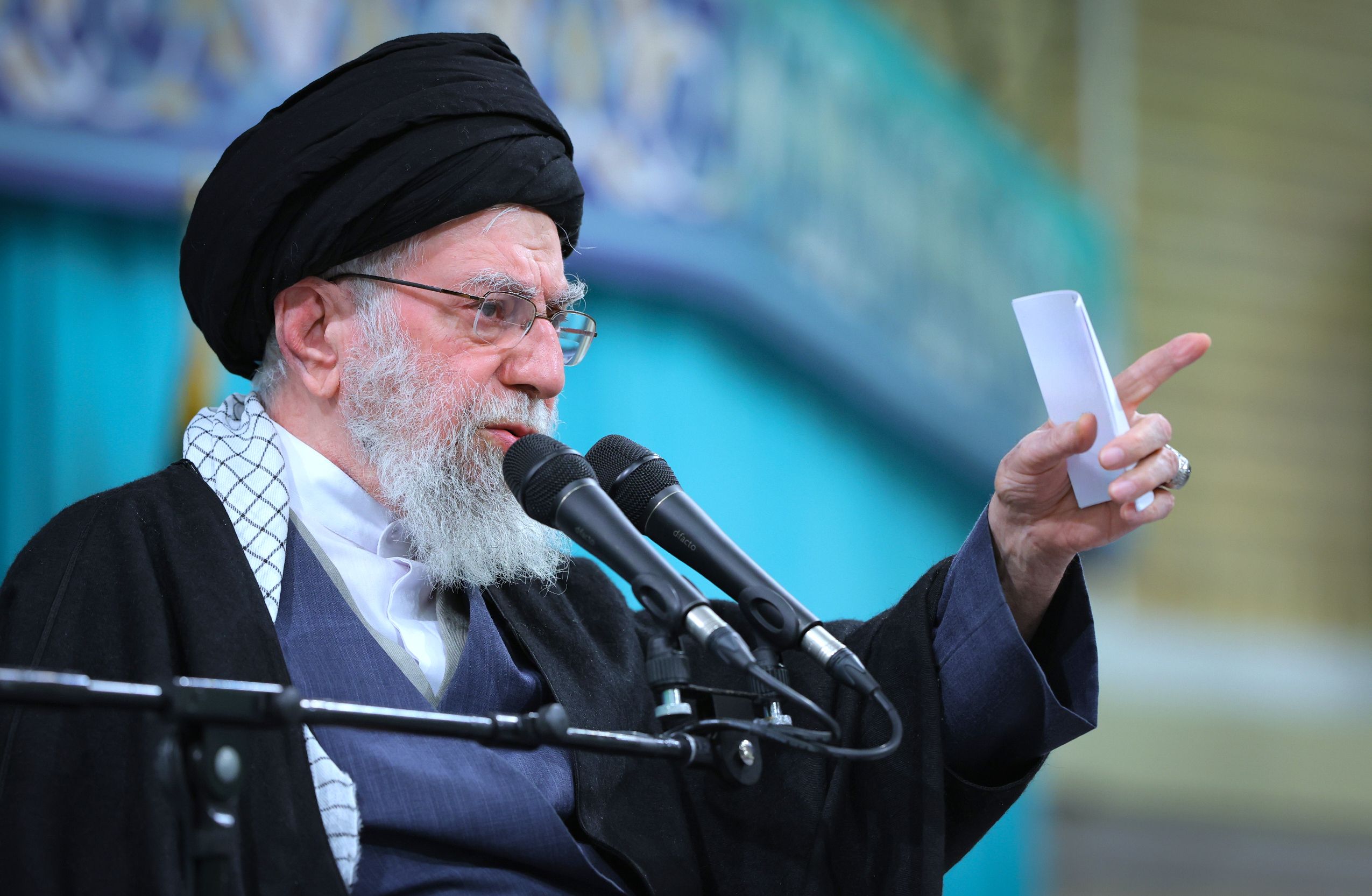
Mohammad Pakpour
 Iran
Birthday
June 2, 1961
Birth Sign
Gemini
Birthplace
Arak, Iran
Age
Died at 64
About
Mohammad Pakpour was a senior Iranian military officer who served as the Commander-in-Chief of the Islamic Revolutionary Guard Corps (IRGC) from June 2025 until his death in February 2026. Born in Arak, he rose through the ranks over several decades to become one of the most powerful figures in the Islamic Republic's security apparatus. His career culminated in leading the IRGC Ground Forces before assuming command of the entire corps during the Twelve-Day War.
Pakpour's tenure as the supreme commander was tragically short-lived. He was killed in action during coordinated strikes by Israel and the United States on February 28, 2026. The Iranian judiciary officially confirmed his elimination alongside other top officials shortly after the attack. Following his death, the state honored him as a Shahid, or martyr, cementing his place in the official narrative of the conflict.
Early Life & Background
Mohammad Pakpour was born on June 2, 1961, in Arak, a central Iranian city known for its industrial base. Specific details about his early childhood, parents, or primary schooling remain obscure due to the secretive nature of his future career. Like many officers of his generation, he likely entered the revolutionary forces shortly after the 1979 Iranian Revolution, though the exact date of his enlistment is not publicly documented. His early years were spent building a foundation within the nascent structures of the IRGC, where loyalty and operational competence became his defining traits.
Before stepping into the national spotlight, Pakpour spent decades cultivating a reputation within the IRGC Ground Forces. By the early 2010s, he had established himself as a trusted lieutenant within the command structure. In March 2010, he was appointed Commander of the IRGC Ground Forces, a pivotal moment that marked his entry into the upper tier of Iran's military leadership. This appointment came during a period of heightened internal tension, including the suppression of protests in November 2019, where the Ground Forces played a critical role under his direction. Prior to this, he held various command positions that allowed him to cultivate deep institutional knowledge and political connections within the Revolutionary Guards.
Career Growth
Pakpour's ascent to the highest levels of power began in earnest with his 2010 appointment as Commander of the IRGC Ground Forces. Over the next fifteen years, he oversaw significant operations, including the response to the nationwide protests in November 2019. His leadership during these events drew international attention and led to sanctions against him by Western governments for his role in human rights violations. He held this post for over a decade, becoming a fixture of Iran's hardline security strategy.
In June 2025, following the death of IRGC Chief Hossein Salami during the Twelve-Day War, Pakpour was appointed as the new Commander-in-Chief of the entire Islamic Revolutionary Guard Corps by Supreme Leader Ali Khamenei. This promotion placed him at the head of the organization during a period of intense regional conflict. His tenure as the supreme commander lasted only eight months before he was killed in action. On February 28, 2026, he was among the high-value targets eliminated in Israeli and US airstrikes targeting Iranian leadership infrastructure. Brigadier General Majid Khadami assumed command of the Ground Forces immediately following his death, while Ahmad Vahidi was appointed as the successor to Pakpour as the overall IRGC Commander.
Career Timeline
Public Image & Style
Pakpour's public image was that of a stern, loyal, and effective military commander. He was portrayed by state media as a steadfast defender of the Islamic Republic. Internationally, he was viewed as a key architect of Iran's military strategy and a symbol of the regime's hardline stance. His persona was defined by strict adherence to the principles of the revolution and a willingness to use lethal force to maintain order. State narratives emphasized his unwavering dedication to the Supreme Leader and the defense of the nation against external threats.
Fame & Fandom (iFAMOUS Rankings)
Mohammad Pakpour never cultivated a fanbase in the manner of entertainment figures, as his public life was defined by strict military command rather than celebrity engagement. No formal group adopted a specific moniker to celebrate him, and no voluntary rituals or campaigns emerged from the public sphere; his legacy remained confined to state-organized reverence for a fallen commander. Despite this absence of pop-culture fandom, his global profile registered significantly within authoritative metrics following his death. According to the iFANN Global Fame Rankings, which track attention across media coverage, search, and consumption signals worldwide, he held distinct positions among notable figures. He is currently recorded as the 49th most famous person from Iran, a standing that remained steady through the previous cycle. This placement reflects the intense international focus on his role during the Twelve-Day War and the subsequent conflict, where his leadership and eventual demise drew widespread scrutiny. The rankings place him firmly within the historical record of Iranian military history, acknowledging the gravity of his tenure as IRGC Commander-in-Chief. While he lacked the adulation of a traditional celebrity, the sheer scale of geopolitical events surrounding his life ensured his name appeared prominently in global data streams. His status as a high-ranking official killed in action during the 2026 Iran war cemented his presence in these records, distinguishing him from other figures who might rely on artistic output or commercial success for recognition.
Interesting Facts and Legends
Mohammad Pakpour was the commanding officer of the Ground Forces during the November 2019 protests, a period marked by significant violence and internet blackouts. He was designated as a sanctioned individual by the United Nations and various Western governments due to his role in human rights violations and support for militant groups. His rise to IRGC Commander-in-Chief occurred just months before his death, making his tenure one of the shortest in the organization's recent history. The confirmation of his death by the Iranian judiciary on March 1, 2026, was a significant moment, as it validated the effectiveness of the Israeli-US strikes against the highest levels of Iranian command. A major state-organized memorial ceremony was held in Tehran on May 30, 2026, to honor the "Martyr Lieutenant General Pakpour," attended by government representatives and dignitaries.
Family & Personal Life
As a high-ranking military official in Iran, Mohammad Pakpour lived a life largely shielded from public scrutiny regarding his private affairs. There is no public record of his marital status, spouse's name, children, or dating history. Unlike entertainment figures, senior IRGC commanders often keep their families out of the media spotlight to ensure operational security and personal safety. Consequently, no information exists regarding romantic relationships, engagements, divorces, or offspring. It is understood that his family remained private, and no statements were released by relatives regarding his personal life following his death. His legacy remains strictly confined to his professional military achievements and his status as a martyr in the eyes of the Iranian state.
Notable Connections
Ali Khamenei, Hossein Salami, Ahmad Vahidi, Ali Shamkhani, Majid Khadami.
Relationships & Dating History
There is no public record of Mohammad Pakpour's dating history, marriages, or relationships. As a senior figure in the Islamic Revolutionary Guard Corps, he maintained a private personal life, keeping his family out of the media spotlight to ensure operational security. No information exists regarding romantic partners, engagements, or children. His legacy is strictly confined to his professional military achievements. Following his death in 2026, no statements were released by relatives regarding his personal life, leaving his private affairs entirely unconfirmed.
Death & Aftermath
Died
February 28, 2026 (aged 64)
Death Place
Tehran, Iran
Cause of Death
Killed in coordinated military strikes by Israel and the United States
Mohammad Pakpour served as the Commander-in-Chief of the Islamic Revolutionary Guard Corps in Tehran during a period of intense regional conflict when he was targeted by foreign military forces. On February 28, 2026, coordinated strikes launched by Israel and the United States hit the Iranian capital, resulting in his death while he was on duty. The official record states he was killed in action during these attacks, though initial reports from various news aggregators had previously suggested earlier casualties without providing confirmed details regarding the specific timing or location of his final moments. The Iranian judiciary officially confirmed his elimination shortly after the event, treating the incident as a direct result of hostilities rather than a subject for civil litigation. As a high-ranking military figure designated by Western sanctions, public reaction was polarized between state-sanctioned mourning within Iran and international condemnation of the strike.
The succession of command was handled swiftly within the military hierarchy to maintain operational continuity. Brigadier General Majid Khadami assumed command of the Ground Forces immediately following the incident, while Ahmad Vahidi was appointed as the successor to Pakpour as the overall IRGC Commander. The handling of his estate remains a private matter with no public financial disclosures available, consistent with the standard protocol for senior Iranian military officials who do not publish personal wealth statements. His death marked the abrupt end of an eight-month tenure as supreme commander, concluding a career that had seen him rise through the ranks over several decades.
Net Worth (Estate Value)
$0
iFANN Editorial Team estimate
As a military officer in Iran, Mohammad Pakpour's wealth was not disclosed publicly. Senior Iranian military officials typically do not publish financial disclosures, and their assets are managed privately. While some Western sanctions documents list individuals as having access to state resources, no specific dollar figures for personal wealth, real estate holdings, or business ventures have been verified for Pakpour. Therefore, a net worth estimate cannot be provided based on available data. His estate value remains unknown to the public.
Awards Won (1)
Pakpour did not receive civilian awards, entertainment industry honors, or international accolades in the traditional sense. His recognition was entirely within the framework of the Islamic Republic's military hierarchy. He was posthumously declared a Shahid (Martyr) by the Iranian state and Supreme Leader Ali Khamenei. He held the rank of Lieutenant General (Sarlashkar) and received formal commendations from the IRGC for his leadership during the Twelve-Day War and his command of the Ground Forces.
2026 · Posthumous Honor
Service to the Islamic Republic
Known For
Commander of the IRGC Ground Forces
2010-2025 · Military Commander
Commander-in-Chief of the IRGC
2025-2026 · Supreme Commander
Keywords
Sources
Quick Facts
- Profession
- military personnel
- Born
- June 2, 1961
- Birthplace
- Arak, Iran
- Died
- February 28, 2026
- Death Place
- Tehran, Iran
- Gender
- Male
- Birth Sign
- Gemini
Personal Details
- Full Name
- Mohammad Pakpour
- Children
Frequently Asked Questions
Who was Mohammad Pakpour?
How did Mohammad Pakpour die?
Where was Mohammad Pakpour born?
Did Mohammad Pakpour have a family?
Who replaced Mohammad Pakpour?

Join the community
fans discussing