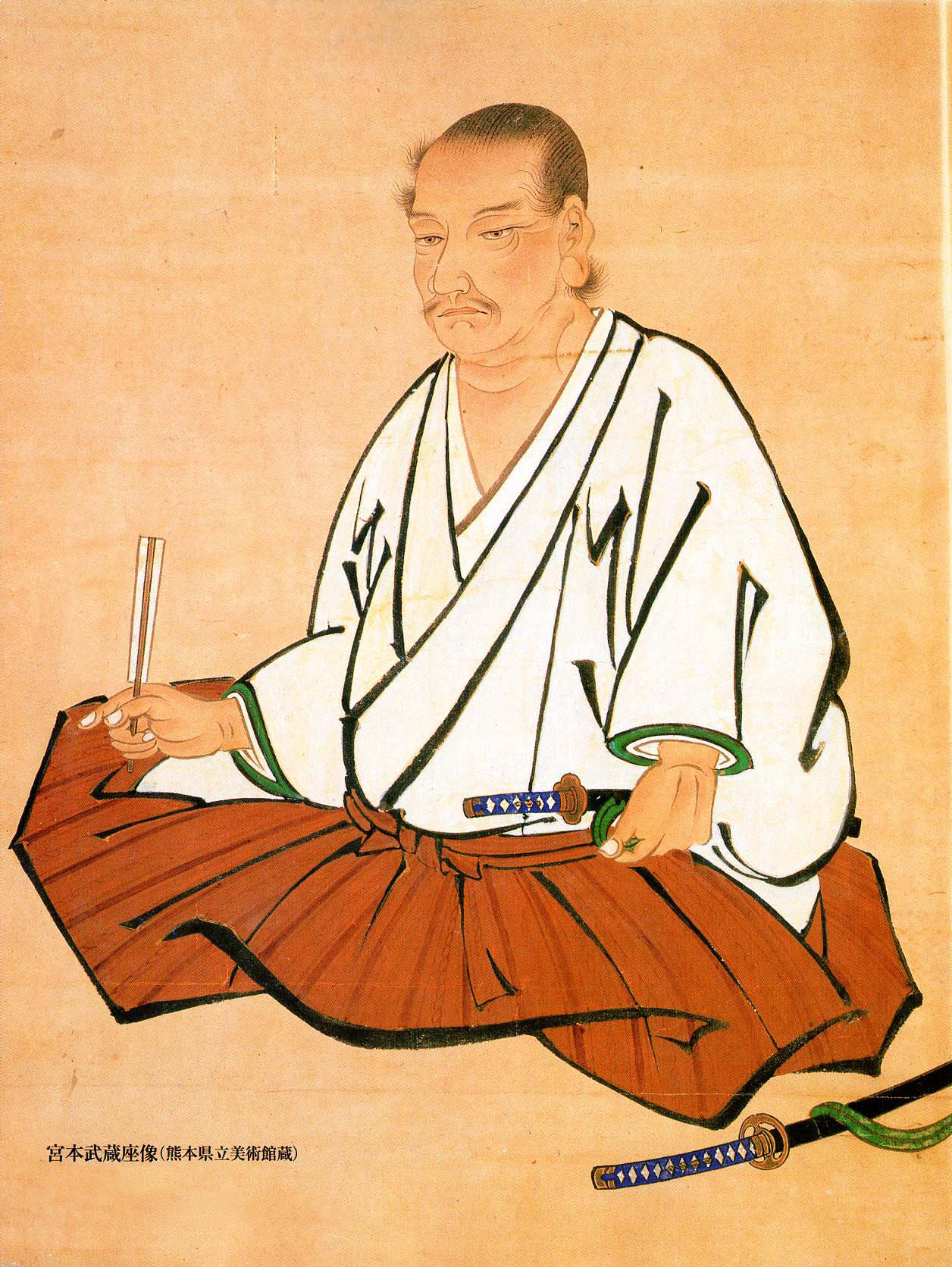
Miyamoto Musashi
 Japan
JapanBirthday
+1584
Birth Sign
Birthplace
Harima Province
Age
Died at 61
About
Miyamoto Musashi, born around 1584 in Harima Province, was a Japanese swordsman, strategist, artist, and writer. He is best known for his unique double-bladed swordsmanship and an undefeated record in 62 duels, earning him the title of kensei, or sword saint. Musashi founded the Niten Ichi-ryū style, which uses two swords simultaneously. In his later years, he wrote The Book of Five Rings and Dokkōdō, both bequeathed to his student Terao Magonojō just days before his death on June 13, 1645. He also fought alongside Tokugawa general Mizuno Katsunari at the Battle of Sekigahara, the Siege of Osaka, and the Shimabara Rebellion. The Miyamoto Musashi Budokan in Okayama Prefecture stands in his honor.
Fame & Fandom
Miyamoto Musashi died in 1645, yet his shadow stretches further than most living icons. In the August 2026 cycle of the iFANN Global Fame Rankings, he holds a steady position as the 11th most famous person from Japan. His influence extends beyond national borders into creative disciplines, where he ranks as the 20th most famous person in Art & Design. These placements reflect a global attention span that tracks cultural consumption across centuries, not just current news cycles. Unlike modern stars who rely on social media feeds, Musashi's fame is anchored in tangible artifacts and enduring philosophy. There is no formal name for his fanbase. No organized clubs campaign for him with billboards or charity drives. Instead, a dispersed network of martial artists, business strategists, and history enthusiasts keeps his legacy alive. This community studies The Book of Five Rings to sharpen executive decision-making, treating his words as timeless corporate strategy rather than ancient history. Video game players also drive engagement, particularly those following adaptations like Baki-Dou and the upcoming Onimusha: Way of the Sword. These franchises introduce fictionalized versions of the swordsman to new generations, creating a digital echo chamber around his life. While fans cannot interact with the man himself, they interact with the myth he left behind. The absence of a specific fandom name does not diminish his reach; it simply highlights how his legacy operates through independent study and commercial adaptation rather than collective organization.
Interesting Facts and Legends
Musashi arrived late to his legendary duel against Sasaki Kojiro on Ganryūjima in 1612, rowing a borrowed boat and carving a wooden sword from an oar mid-voyage. He won the fight using this improvised weapon against Kojiro's massive nodachi. Historical records confirm he fought over 60 duels without ever losing, earning the title kensei or sword saint. After retiring from combat, he founded the Niten Ichi-ryū style, which uniquely employs two swords simultaneously. A story fans still retell involves his ascetic retreat at Reigandō cave, where he painted the iconic Stone, Bamboo, and Plum ink wash painting while contemplating death. He bequeathed The Book of Five Rings and Dokkōdō to his student Terao Magonojō just days before passing away on June 13, 1645. Modern pop culture has blurred the lines between fact and fiction, with recent anime and games depicting him as a reincarnated warrior or a puzzle-solving hero in haunted Kyoto settings. These artistic interpretations have become part of the lore surrounding his name, even if they diverge from historical record.
Death & Aftermath
Died
+1645-06-05 (aged 61)
Death Place
Fukuoka domain, Kyushu, Japan
Cause of Death
Illness or old age
Miyamoto Musashi died on June 5, 1645, inside the Reigandō cave dwelling within the Fukuoka domain of Kyushu. He passed away at age sixty from natural causes attributed to illness or old age while in seclusion, having completed his treatise The Book of Five Rings shortly before his final days. His disciples and the samurai class responded with reverence rather than public vigils, preserving his legacy through oral tradition and written records immediately after his passing. The funeral was likely a private affair conducted according to Buddhist rites, with burial taking place at the Reigandō site or nearby temples in the Fukuoka region. Over centuries, his reputation evolved into myth, immortalized by writings that transcended his physical absence. Modern culture has since depicted him in films like Musashi Miyamoto and various video game franchises, while martial arts halls of fame honor his philosophy. His estate, consisting mainly of manuscripts and calligraphy, remained with his disciples who ensured the preservation of his works without legal dispute.
Awards & Accolades
Keywords
Quick Facts
- Profession
- writer, painter, calligrapher
- Born
- +1584
- Birthplace
- Harima Province
- Died
- +1645-06-05
- Death Place
- Reigandō
- Gender
- Male
Join the community
fans discussing