Metroid
"Explore. Fight. Survive."
Overview
Metroid launched in 1986 on the Nintendo Entertainment System, blending action, exploration, and a sci-fi atmosphere into something new. Players control Samus Aran, a bounty hunter tasked with stopping the Space Pirates from weaponizing the deadly Metroid creatures. The game drops you into a sprawling, nonlinear world where you fight hostile aliens, collect power-ups, and uncover secrets. Unlike many platformers of the era, Metroid encourages backtracking and discovery, with few hand-holds or NPCs. Developed by Nintendo R&D1, it set a template that would evolve across decades and multiple platforms, from the Game Boy to the Nintendo Switch.
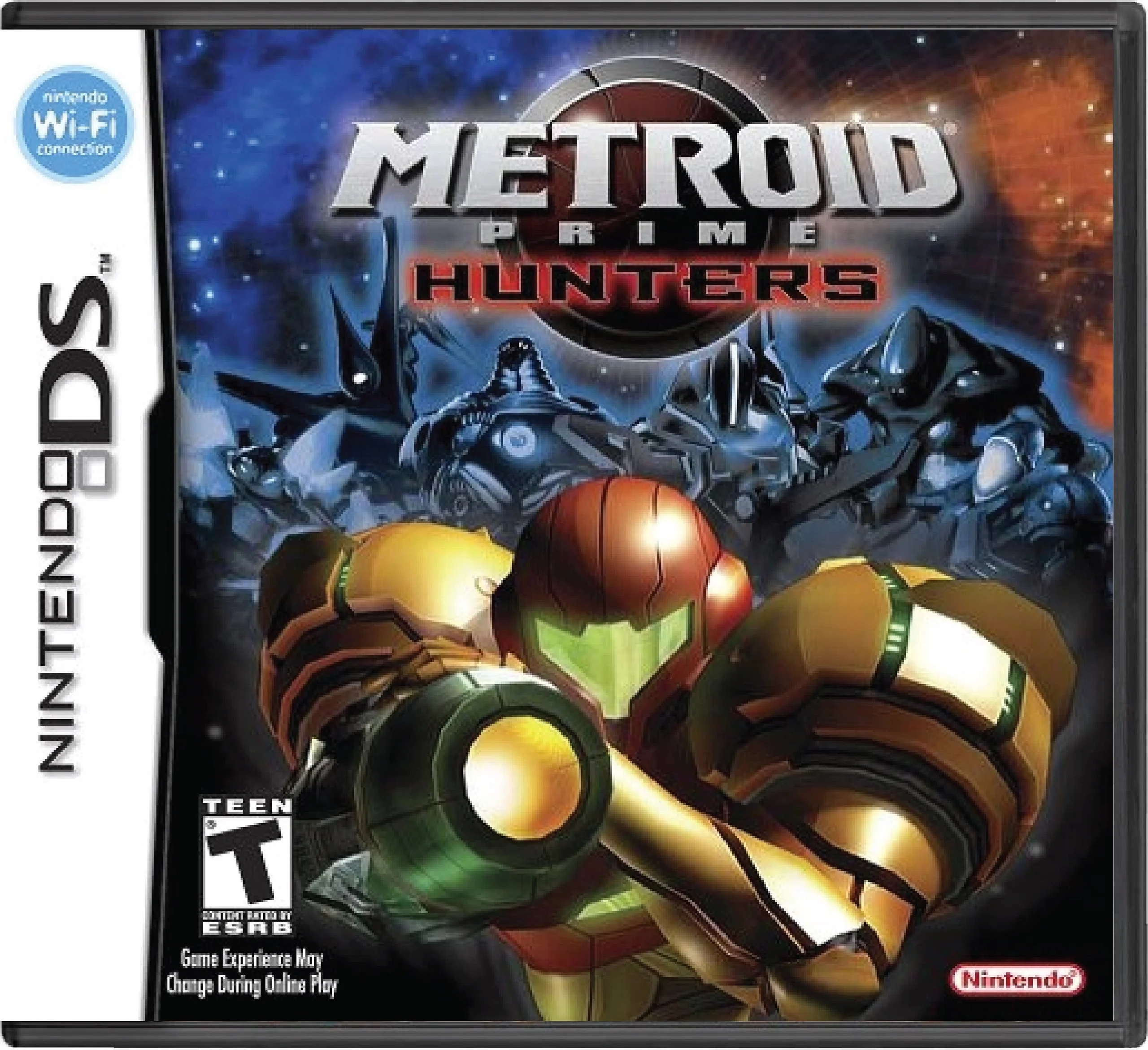
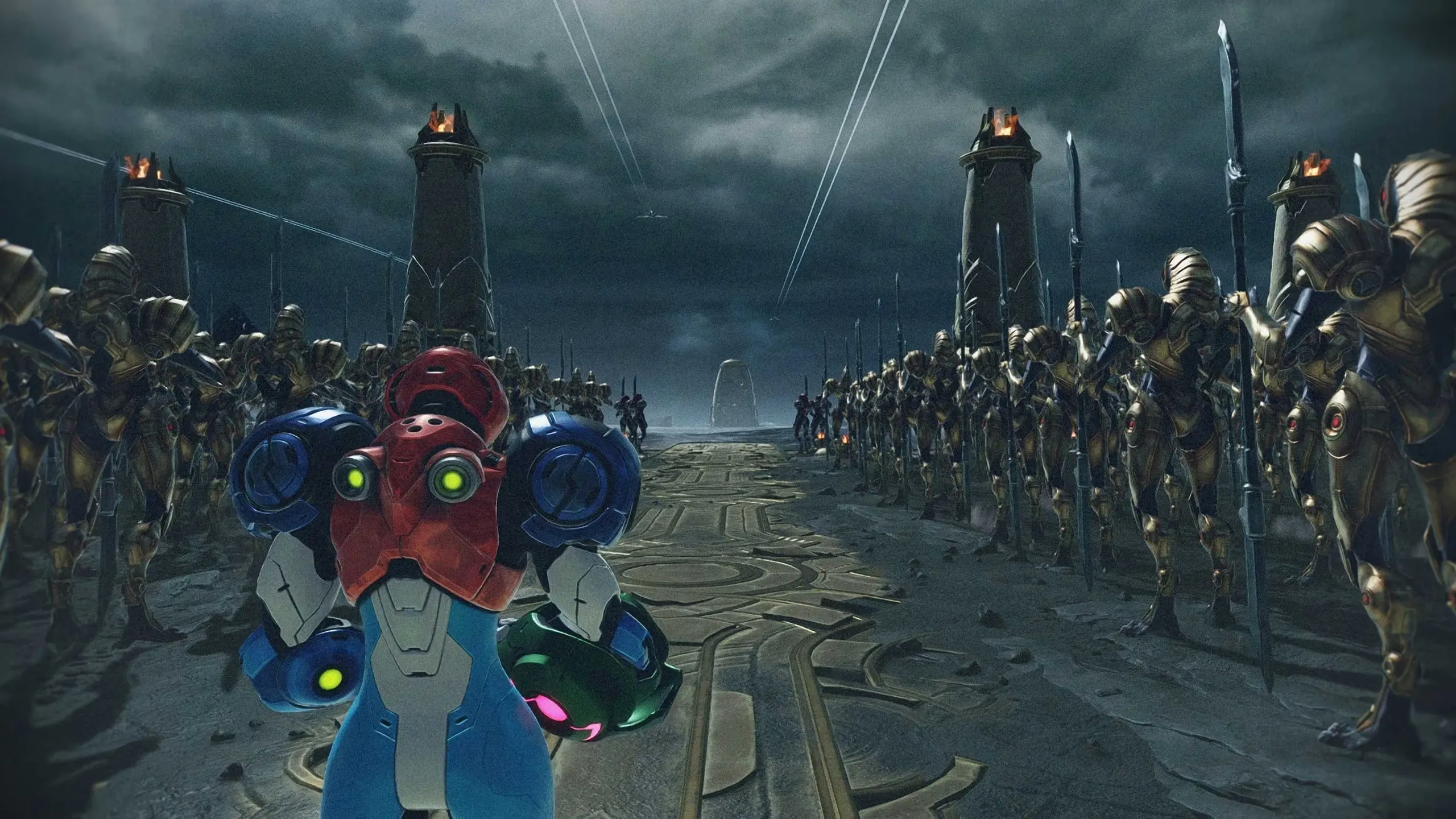
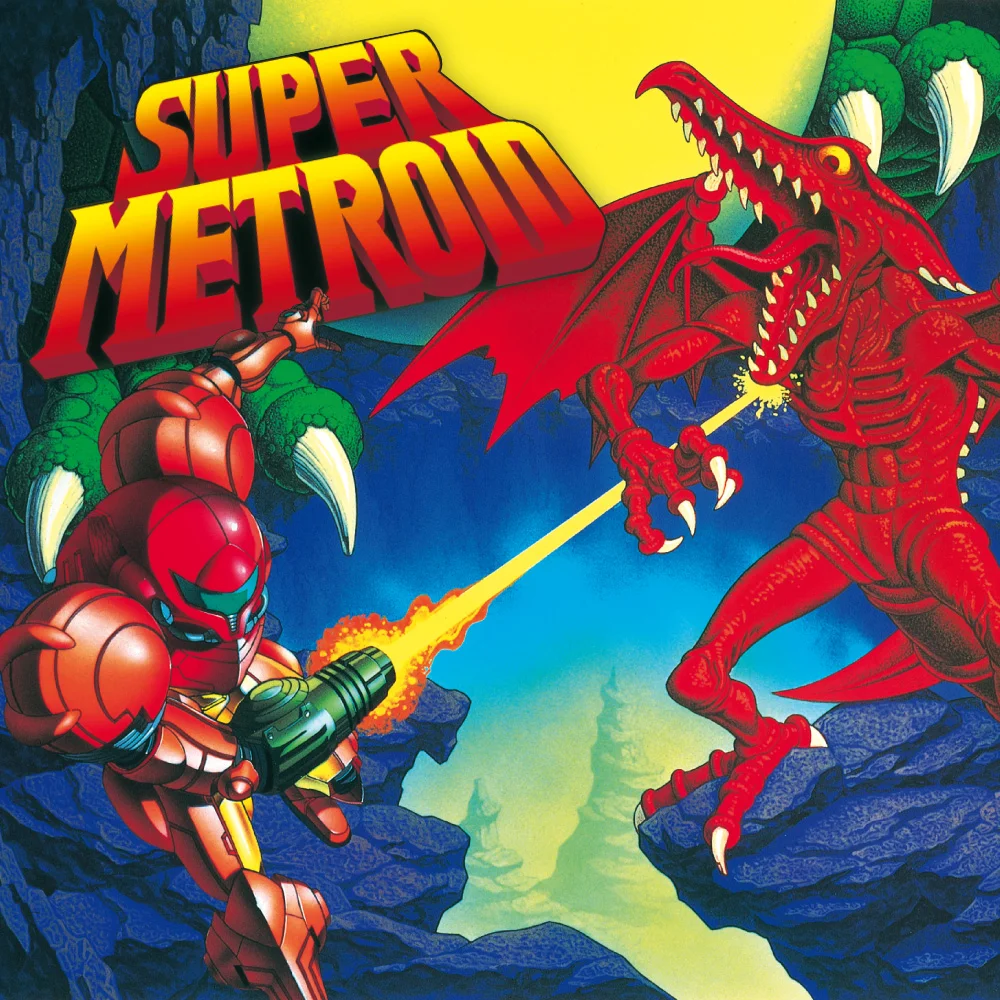
Side-scrolling entries like Super Metroid (1994) refined the formula with deeper storytelling and more power-ups, while the 3D Metroid Prime series (starting in 2002 on GameCube) shifted to first-person exploration. Later games include Metroid Fusion (2002), Metroid: Other M (2010), and MercurySteam's remakes and sequels like Metroid: Samus Returns (2017) and Metroid Dread (2021). The series spans consoles and handhelds, including the NES, SNES, Game Boy Advance, Wii, 3DS, and Switch. After a long wait, Metroid Prime 4: Beyond arrived in 2025.
With over 17 million copies sold by 2012, Metroid is often cited among the greatest game franchises. Alongside Castlevania: Symphony of the Night, it defined the Metroidvania genre, inspiring countless games with its interconnected maps and ability-gated progression. Samus herself stands as one of gaming's first prominent female protagonists, appearing in crossover titles like Super Smash Bros. and in comics and manga. The series remains a benchmark for atmospheric, exploration-driven design.
Gameplay
Metroid drops you into the labyrinthine caverns of planet Zebes with little direction. You control Samus Aran, moving left and right through interconnected rooms, blasting enemies with her arm cannon, and collecting power-ups that unlock new areas. The Morph Ball lets you roll into tight passages, Missiles open red doors, and the Varia Suit protects against heat. The map is a sprawling web of corridors and chambers, with secrets hidden behind false blocks and invisible passages. You backtrack constantly as you gain abilities, gradually peeling back the planet's layers. Combat is straightforward but tense, with limited health and no checkpoints, save stations are your only reprieve. The original game's physics are stiff, but the sense of isolation and discovery is unmatched.
Story
Samus Aran, a bounty hunter working for the Galactic Federation, receives a mission: infiltrate the Space Pirates' base on planet Zebes and destroy the Metroids. The Pirates, led by the dragon-like Ridley and the supercomputer Mother Brain, have been breeding these jellyfish-like creatures as biological weapons. Samus fights through the Pirate stronghold, defeating Ridley and Kraid, then confronts Mother Brain in a final battle. After destroying the Metroids, she escapes as the base self-destructs. A post-credits twist reveals Samus's true identity: she is a woman, a rare reveal in 1986 gaming. The story is told through sparse text and visuals, leaving much to the player's imagination.
Keywords
Game Info
- Developer
- Nintendo Research & Development 1
- Publisher
- Nintendo
- Release Date
- 1986-08-06
- Modes
- single-player
- Platforms
- Nintendo Entertainment System, Game Boy, Super Nintendo Entertainment System, Game Boy Advance, Nintendo GameCube, Nintendo DS, Wii, Nintendo 3DS, Nintendo Switch
Join the community
fans discussing