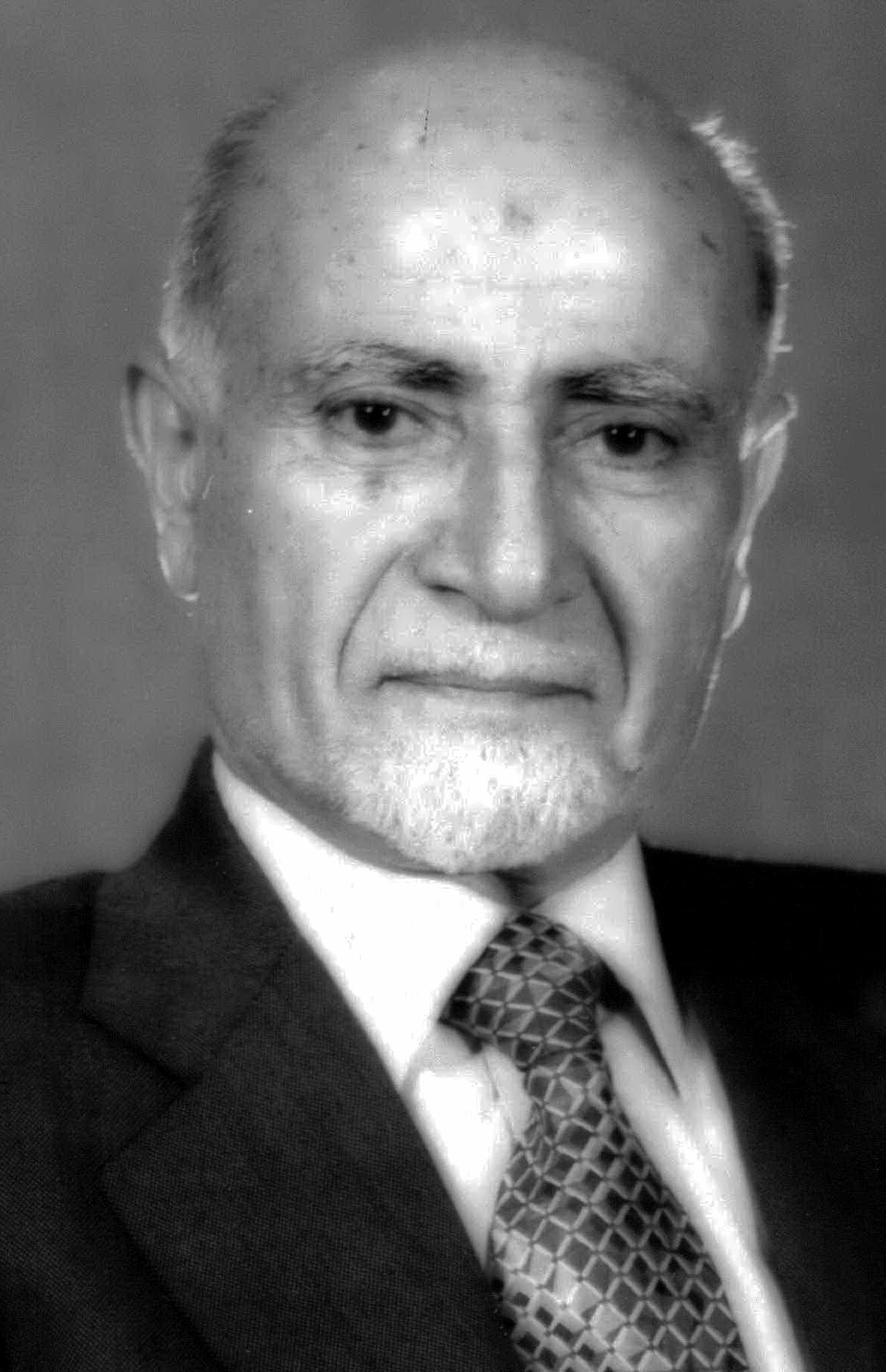
Mehdi Bazargan
 Iran
Also known as: Mahdi Bazergan, Mehdí Bázargán
Birthday
September 1, 1907
Birth Sign
Virgo
Birthplace
Tehran, Iran
Age
Died at 87
About
Mehdi Bazargan was an Iranian scholar, engineer, and statesman who served as the first Prime Minister of the Islamic Republic of Iran. Born into a wealthy merchant family in Tehran, he became one of the first Iranians to earn advanced degrees in physics and engineering from French institutions. His career spanned academia, activism, and high-level governance, making him a pivotal figure in modern Iranian history. He is best known for his brief nine-month tenure as head of the provisional government in 1979 and his subsequent resignation in protest of the U.S. Embassy seizure.
Throughout his life, Bazargan championed a synthesis of Islamic values and democratic principles. He founded the Freedom Movement of Iran and spent decades opposing autocratic rule, enduring imprisonment for his views. Even after leaving office, he remained a respected voice for moderation until his death in 1995. His legacy endures as a symbol of the struggle between liberal forces and radical factions during the revolution.
Early Life & Background
Mehdi Bazargan entered the world on September 1, 1907, in Tehran as the eldest son of a prosperous merchant family with deep religious roots. His upbringing blended traditional Islamic education with exposure to Western modernity. He attended the French school of Saint-Joseph in Tehran, where he received a rigorous European-style education that would shape his future outlook. This early foundation prepared him for the next phase of his journey: higher studies in France.
In the 1930s, Bazargan traveled to Europe to pursue advanced education. He earned a degree in engineering from the École Centrale Paris and later obtained a doctorate in physics from the University of Paris, commonly known as the Sorbonne. These achievements made him one of the first Iranians to hold such high qualifications in the physical sciences. Upon returning to Iran in 1942, he joined the faculty of the University of Tehran. There, he founded and headed the university's first engineering department, introducing modern curricula and laboratory standards that shaped generations of Iranian scientists. His work in academia established him as a leading intellectual figure long before he stepped into the political arena.
Career Growth
Bazargan's transition from academia to politics began in the 1960s when he co-founded the Freedom Movement of Iran in 1961. This organization dedicated itself to promoting democracy and opposing the autocratic rule of Shah Mohammad Reza Pahlavi. His activism led to multiple imprisonments and periods of persecution, yet he remained steadfast in his commitment to democratic ideals. This long-term struggle laid the groundwork for his eventual rise to national leadership.
The pinnacle of his career arrived following the Iranian Revolution of 1979. On February 4, 1979, shortly after Ayatollah Ruhollah Khomeini returned to Iran, Bazargan was appointed as the head of the Provisional Government, becoming the first Prime Minister of the newly formed Islamic Republic. His tenure was defined by an attempt to steer the revolution toward a moderate, democratic path while maintaining order. However, his government faced immediate challenges from radical factions within the revolutionary movement. The defining moment of his career occurred in November 1979 when students seized the U.S. Embassy in Tehran. Bazargan publicly condemned the act as illegal and unconstitutional, refusing to support the hostage-taking despite immense pressure from hardliners and direct criticism from Ayatollah Khomeini, who labeled him "weak". Unable to prevent the seizure or control the situation, Bazargan resigned on November 6, 1979, ending his nine-month tenure. This resignation is widely regarded as a principled stand that highlighted the failure of moderate forces to counter the radicalization of the revolution. Following his resignation, he lived in self-imposed exile in Zurich, Switzerland, where he engaged in writing and advocacy until his death.
Career Timeline
Public Image & Style
Bazargan is remembered as a symbol of moderation and intellectual integrity. He is often described as a "religious moderate" whose career illustrates the struggle between liberal forces and radical factions during the Iranian Revolution. His public image is that of a scholar-statesman who prioritized the rule of law over political expediency. He is frequently cited in academic discourse as a key figure in the history of Iranian liberalism and Islamic intellectualism. His legacy is kept alive by scholars, activists, and historians who view his nine-month tenure as a missed opportunity for a different trajectory for the Islamic Republic.
Fame & Fandom (iFAMOUS Rankings)
iFANN's Global Fame Engine evaluated Mehdi Bazargan as of September 2026 but does not currently place him in the published rankings (Global Top 1,000 or scope lists). He holds no numeric placement in the current iFANN data. While some figures rise on the tide of viral moments, Bazargan's fame rests on the solid ground of his historical tenure as a statesman and scholar. His name remains a touchstone for those studying the intersection of modernization and governance in the Middle East. The fanbase surrounding such a figure does not operate with the organized fervor of pop culture; there is no formal fandom name documented for his supporters. Instead, his admirers are scholars, activists, and historians who revere his principled stand during the turbulent year of 1979. They do not gather for meet-and-greets or organize birthday campaigns, but they keep his memory alive through academic discourse and political reflection. His reputation endures because it is rooted in action rather than performance.
Interesting Facts and Legends
Bazargan was a pioneer in introducing modern engineering education in Iran, establishing the country's first formal engineering curriculum at the University of Tehran. Despite being a devout Muslim, he was critical of the clerical establishment's political ambitions, advocating for a separation of religious authority and state governance. He was known for his calm demeanor and intellectual approach, which stood in stark contrast to the fiery rhetoric of many revolutionary leaders. His resignation letter to the Supreme Leader was a formal document that detailed his legal and moral objections to the embassy seizure, a text often studied in political science courses today. Stories from this period often highlight how hardline elements pushed him toward resignation, illustrating his refusal to compromise on law and order even under immense pressure.
Notable Quotes
“Everybody wants to be boss.”
“I cannot legitimize an illegal act.”
Family & Personal Life
Mehdi Bazargan was married to Fatemeh Bazargan, and they shared a long-standing partnership throughout his adult life. While specific details regarding their courtship are less documented in English-language sources compared to his political career, historical records indicate they were a devoted couple. They had children, including their daughter Zohreh Bazargan, who has been actively involved in preserving her father's legacy through the Mehdi Bazargan Cultural Foundation. Unlike celebrity figures, Bazargan's personal life was not a subject of public tabloid scrutiny; his relationships were private, and there are no records of other romantic partners, engagements, or divorces outside of his marriage to Fatemeh.
Notable Connections
Ayatollah Ruhollah Khomeini; Shapour Bakhtiar; Abolhassan Banisadr; Fatemeh Bazargan; Zohreh Bazargan.
Relationships & Dating History
Mehdi Bazargan was married to Fatemeh Bazargan, and they shared a long-standing partnership throughout his adult life. While specific details regarding their courtship are less documented in English-language sources compared to his political career, historical records indicate they were a devoted couple. They had children, including their daughter Zohreh Bazargan, who has been actively involved in preserving her father's legacy through the Mehdi Bazargan Cultural Foundation. Unlike celebrity figures, Bazargan's personal life was not a subject of public tabloid scrutiny; his relationships were private, and there are no records of other romantic partners, engagements, or divorces outside of his marriage to Fatemeh. As of his death in 1995, he was widowed. There is no current dating status as he passed away over three decades ago.
- MarriedFatemeh Bazargan? - 1995Long-standing marriage; she survived him and helped preserve his legacy.
Death & Aftermath
Died
January 20, 1995 (aged 87)
Death Place
Zurich, Switzerland
Cause of Death
Natural causes
Mehdi Bazargan passed away quietly on January 20, 1995, in Zurich, Switzerland, at the age of 87. His death came from natural causes related to old age after he had lived in self-imposed exile for over fifteen years following his resignation as Prime Minister. Unlike many figures of his era who met violent ends or died under suspicious circumstances, Bazargan's passing was peaceful and occurred far from the political turmoil that defined his final decade. He had been living in Switzerland since November 1979, a period marked by his withdrawal from active politics but continued intellectual engagement.
Following his death, a funeral service was held in Zurich before his remains were repatriated to Iran. He was buried in the Behesht-e Zahra cemetery in Tehran, a final resting place reserved for martyrs and prominent figures of the Islamic Revolution. This burial location symbolized both his status as a revolutionary hero and the complex relationship he maintained with the new regime. While the government did not issue official state tributes, his death was mourned by liberals and democrats across the country and abroad. The Mehdi Bazargan Cultural Foundation has since worked to preserve his legacy through publications and academic studies, ensuring that his vision of moderate Islamic democracy remains part of the historical discourse. Retrospectives in recent years continue to highlight his principled stand during the hostage crisis as a defining moment in modern Iranian history.
Net Worth (Estate Value)
$0
iFANN Editorial Team estimate
As Mehdi Bazargan was a public servant and academic who lived in exile and died in 1995, there is no modern celebrity net worth data or financial valuation available for his estate. Public records do not list real estate holdings, business ventures, or endorsement deals typical of contemporary celebrities. His wealth was likely modest, consistent with the income of a university professor and a government official. Any assets he left behind would have been managed by his family, primarily his wife and children, and potentially the Mehdi Bazargan Cultural Foundation. No specific dollar figures for his estate value exist in public databases, as his legacy is cultural and political rather than financial.
Awards & Accolades
View 4 records, honours and achievementsKnown For
First Prime Minister of the Islamic Republic of Iran
1979 · Statesman
Founder of the Freedom Movement of Iran
1961 · Activist
Head of Engineering Department, University of Tehran
1942 · Academic
Keywords
Sources
Quick Facts
- Profession
- politician, engineer, scholar
- Born
- September 1, 1907
- Birthplace
- Tehran, Iran
- Died
- January 20, 1995
- Death Place
- Zurich, Switzerland
- Gender
- Male
- Birth Sign
- Virgo
Personal Details
- Full Name
- Mehdi Bazargan
- Spouse
- Fatemeh Bazargan
- Children
- Zohreh Bazargan
- Education
- École Centrale Paris; University of Paris (Sorbonne)
Frequently Asked Questions
Who was Mehdi Bazargan?
Why did Mehdi Bazargan resign?
When and where did Mehdi Bazargan die?
What was Mehdi Bazargan's role in the Iranian Revolution?
Is Mehdi Bazargan still alive?
Similar People
Join the community
fans discussing