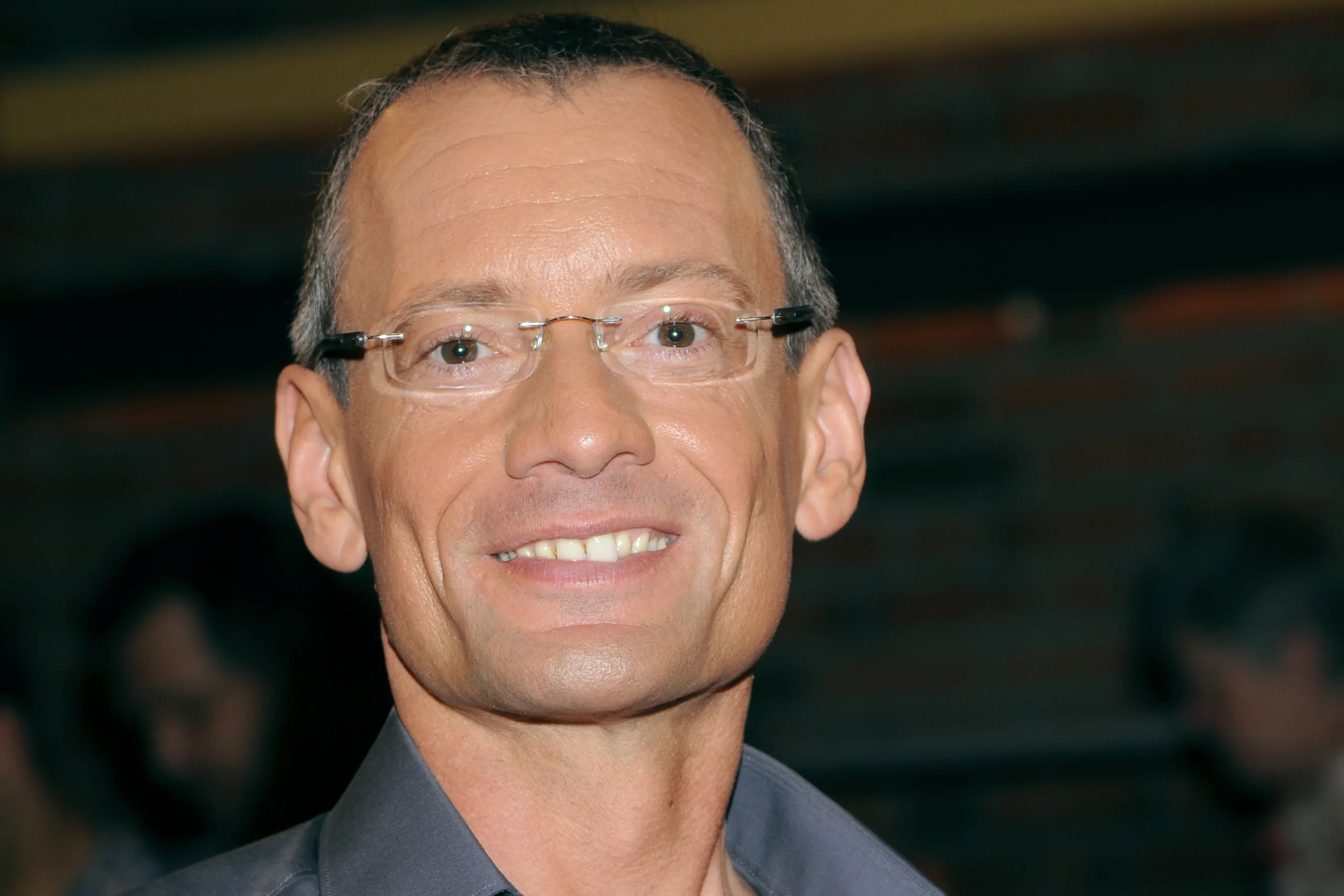
Mathias Rust
 Germany
aircraft pilot•poker player•peace activist
Birthday
June 1, 1968
Birth Sign
Gemini
Birthplace
Wedel, West Germany
Age
58 years old
Height
5 ft 10 in (178 cm)
About
Mathias Rust is a German former amateur pilot whose unauthorized flight into Soviet airspace in May 1987 made him an unlikely icon of the Cold War. At just 19 years old, he flew a rented Reims Cessna 172P from Helsinki to Moscow, evading radar systems and interceptor jets that were supposedly impenetrable. His landing on the Bolshoy Moskvoretsky Bridge mere meters from Red Square stunned the world and exposed catastrophic failures in Soviet air defense protocols.
The incident triggered a massive political crisis in the USSR, leading to the dismissal of high-ranking military officials including Defense Minister Sergei Sokolov. While his actions were illegal, Rust has consistently maintained that his primary motivation was to demonstrate the fallibility of the Soviet military machine and to promote peace through personal action rather than political rhetoric. Today, he remains a figure of historical interest known for a single act that accelerated Mikhail Gorbachev's perestroika reforms.
Early Life & Background
Mathias Rust was born on June 1, 1968, in Wedel, a small town near Hamburg in West Germany. His father was German and his mother had mixed heritage, creating a family environment where the shadow of World War II was still present but fading. From a young age, Rust displayed a profound fascination with aviation, spending countless hours studying aircraft and dreaming of flight. This passion drove him to pursue formal training earlier than most teenagers of his era.
In 1986, at the age of 18, he achieved a significant milestone by obtaining his private pilot's license, a rare accomplishment for someone so young in West Germany. To fund his aviation dreams, he worked various jobs throughout his late teens, saving every penny toward purchasing or renting aircraft. He attended flight school and accumulated hundreds of flight hours, honing his skills in small general aviation planes. His upbringing in post-war Germany likely influenced his desire to bridge divides, though he later admitted that a sense of adventure and a dare also played a role in his decision to attempt the impossible flight across the Iron Curtain.
Career Growth
Rust's career is defined almost exclusively by his historic flight on May 28, 1987. After refueling in Helsinki, Finland, he launched his final leg toward Moscow, navigating through dense fog and evading multiple MiG-23 and Su-15 interceptors that were scrambled but ordered not to shoot him down. Ground controllers repeatedly mistook his small Cessna for a friendly aircraft, allowing him to slip through the heavily guarded perimeter of the Soviet Union undetected.
At 14:05 UTC, he landed the plane on the Bolshoy Moskvoretsky Bridge in central Moscow, parking it just meters from the Kremlin walls. He walked away unharmed and was immediately arrested by Soviet authorities. A Soviet military court sentenced him to four years in a labor camp for hooliganism and violating state borders. However, due to intense international pressure and diplomatic negotiations, he was released after serving only 14 months in December 1987.
Following his release, Rust did not return to commercial aviation. Instead, he diversified his life by becoming a professional poker player, competing in tournaments and leveraging his fame to access high-stakes games. He also engaged in peace activism, giving lectures on nuclear disarmament and East-West reconciliation. In recent decades, he has maintained a low profile, occasionally appearing in documentaries and interviews to discuss the events of 1987.
Career Timeline
Public Image & Style
Mathias Rust's public image has evolved from that of a troublemaker and symbol of Western audacity to a catalyst for peace and a symbol of the end of the Cold War. He is often portrayed as a lone individual who challenged the status quo, though his actions were controversial and illegal at the time. His style is typically described as casual and unpretentious, reflecting his background as a young pilot rather than a polished celebrity. Media coverage has shifted from focusing on the security breach to analyzing the geopolitical implications of his flight and the subsequent reforms in the Soviet Union.
Fame & Fandom (iFAMOUS Rankings)
Mathias Rust does not currently hold a placement in the iFANN Global Top 1,000 or any Top-100 scope list. The iFANN Global Fame Engine has evaluated his profile and confirmed he remains outside the published rankings as of September 2026. This absence from the charts reflects a legacy anchored in a singular historical moment rather than sustained pop culture consumption. While the world remembers the teenage pilot who landed on the Bolshoy Moskvoretsky Bridge, that memory exists as a geopolitical artifact instead of a driving force for modern fandom metrics. No formal fanbase gathers under a specific moniker to champion his name. Unlike musicians or athletes who cultivate organized followings, Rust's supporters are scattered historians and Cold War enthusiasts who engage with his story through documentaries and anniversaries. There are no chart pushes, birthday campaigns, or ritualistic gatherings dedicated to him. The narrative of his flight serves as a cautionary tale about military failure and a symbol of individual defiance, but it has not generated a community structure comparable to those found for contemporary celebrities.
Interesting Facts and Legends
Mathias Rust claimed his flight was a "peace mission" intended to show that the Iron Curtain could be breached peacefully, yet he later admitted his initial motivation included a dare and a desire for adventure. The Soviet radar operators tracked his plane three times but failed to identify it as a threat due to a combination of technical confusion and a refusal to escalate without higher orders. Multiple interceptor jets were scrambled but ordered to hold fire even when they visually identified his aircraft. He specifically chose the Bolshoy Moskvoretsky Bridge because it was a pedestrian bridge near the Kremlin, ensuring maximum visibility and symbolic impact. Upon his release, Rust faced hostility in West Germany initially, with some viewing him as a traitor for embarrassing the military while others celebrated him as a hero.
Notable Quotes
“I wanted to show that peace is possible.”
“It was a dream come true.”
“I didn't think I would get caught.”
Family & Personal Life
Mathias Rust was born to a German father and a mother of mixed heritage in the town of Wedel. He grew up in a household where the history of conflict was still fresh, influencing his worldview. There are no public records detailing siblings or extended family members involved in his story. As an adult, Rust has kept his domestic life largely out of the spotlight, avoiding the celebrity culture that often surrounds famous figures. He does not appear to have publicly disclosed information about children or current living arrangements beyond his general residence in Germany.
Notable Connections
Relationships & Dating History
Mathias Rust has kept his personal life largely out of the public eye, particularly regarding romantic relationships. Unlike many celebrities of his era, he has not publicly disclosed details about dating history, marriages, or engagements. There are no credible reports of him being married or having children. While some tabloid speculation may have existed in the immediate aftermath of his flight, no verified sources confirm any long-term partners, flings, or current relationships. As of 2026, Mathias Rust is reported to be single, with no public information indicating a current partner or spouse. He has generally avoided the spotlight of celebrity culture, focusing instead on his business ventures and occasional speaking engagements.
Salary, Net Worth In 2026
$900,000
iFANN Editorial Team estimate
iFANN currently estimates Mathias Rust's net worth at approximately $900,000 as of 2026. His wealth stems primarily from his career as a professional poker player during the late 1980s and 1990s, where he leveraged his fame to enter high-stakes tournaments. Additionally, he has earned income through occasional speaking engagements, lecture fees, and appearances in documentaries marking the anniversaries of his flight. Unlike many celebrities of his era, Rust has not pursued major endorsement deals or real estate investments, keeping his financial profile relatively modest. The lack of recent public financial disclosures suggests his wealth has remained stable rather than growing significantly, relying on past earnings and the continued interest in his story.
Awards & Accolades
View 2 records, honours and achievementsKnown For
Flight to Moscow
1987 · Amateur Pilot
Keywords
Sources
Quick Facts
- Profession
- aircraft pilot, poker player, peace activist
- Born
- June 1, 1968
- Birthplace
- Wedel, West Germany
- Gender
- Male
- Birth Sign
- Gemini
Personal Details
- Full Name
- Mathias Rust
- Height
- 5 ft 10 in (178 cm)
- Children
- Education
- Flight school graduate
Frequently Asked Questions
Who is Mathias Rust?
Why did Mathias Rust fly to Moscow?
What happened to Mathias Rust after his flight?
Is Mathias Rust still alive?
How much is Mathias Rust worth?
Similar People
Join the community
fans discussing